LifeEdited’s Top Posts of 2015

As the year draws nigh and vacations loom, we thought we’d look at 2015’s most trafficked posts published this year (“Build Your Own Murphy Bed for $275,” published shortly after this blog started in 2012, was and continues to be our all time most trafficked post). Without further ado, here they are:

5. Vogue Magazine Features Story of Couple Giving Up Their Stuff

Coming in at number five is this post about Prerna and Parag Gupta, a couple of techies who sold all their stuff to travel the world. Aside from the inherent ballsiness of the couple’s story was the fact that it was featured in Vogue–a magazine that’s not normally associated with minimal living.

4. The 600 Square Foot Family

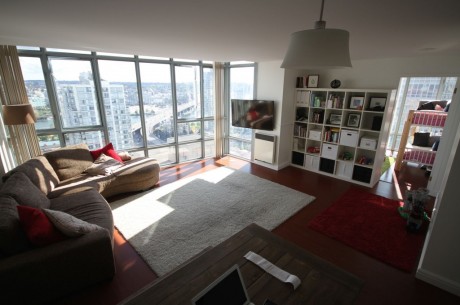
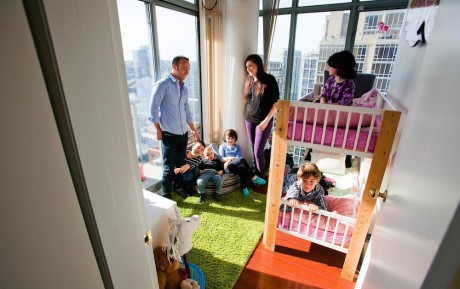
The fourth most trafficked post was about the Muzereks, a Vancouver family who decided a small condo in a walkable area was a better fit for their values than big place in the burbs.

3. 2 Bedrooms, 4 Kids, 1 Mom, Lots of Ideas

buitoni

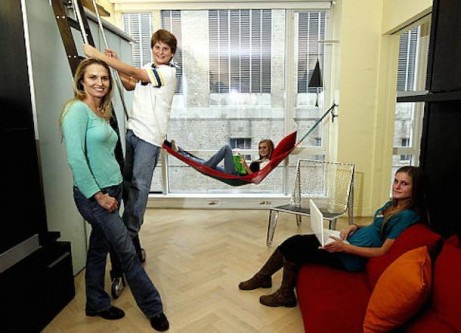
Keeping on the theme of urban families, this post took a look at Kip Longinotti-Buitoni, a single mom who left the burbs and set up camp for her four kids in a relatively small Manhattan condo, helped greatly by an array of transforming furniture. 

2. The Rise of the Minimalist Millionaire

This short post showed off the Airstream trailer that Zappos.com founder Tony Hsieh calls home. We think it falls along the line of the mainstream-ification of minimalism…something we think is a very good thing.

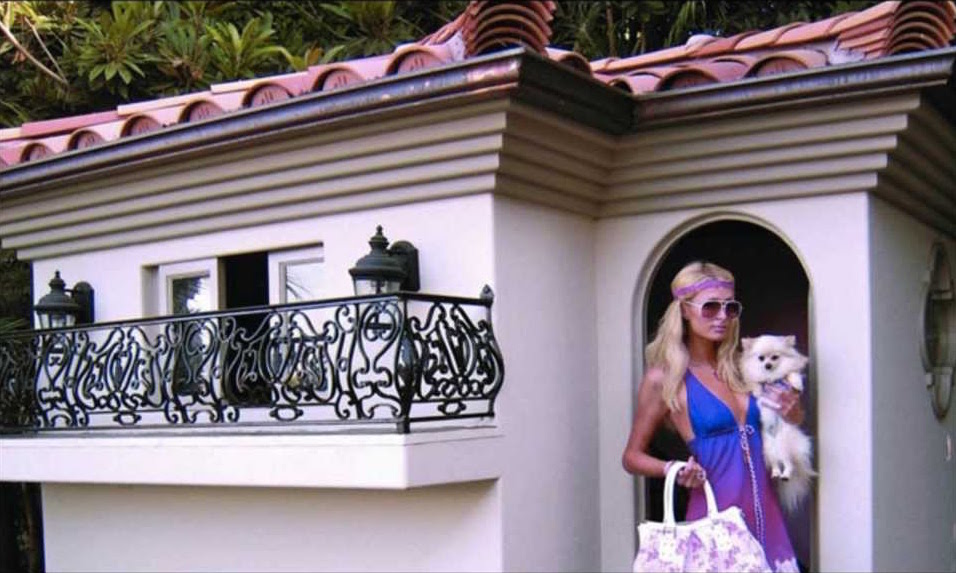
1. Paris Hilton Discovers Minimalism, Moves into Tiny House

This post about the alleged conversion of conspicuous consumption’s poster child proves that nothing gets traffic like celebrities…and humor.

Honorable Mentions

Frankly, the above list surprises us a little bit, but Google analytics doesn’t lie. Based on Facebook likes, you guys thought these posts were pretty interesting as well. 

3. Growing Old Together and in Style

This post about the “Cheesecake Cohousing Consortium” shows that small, communal living isn’t just about Millennials living in the middle of the city.

2. A Very Big Idea in Tiny House Living

simply-home

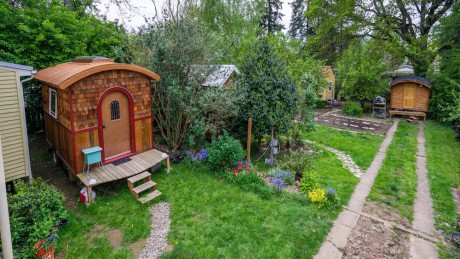
This story about a single family home with four tiny houses set up in its backyard is one of our favorites. It shows how density and community can be made inside America’s single family home-centric infrastructure.

1. The Rise of the Minimalist Celebrity

dan-norris

Alright, out titles aren’t that original sometimes, but this post about major league baseballer Daniel Norris seemed to strike a chord with readers. If you don’t recall, Norris intentionally chose to live simply out of his old VW bus, eschewing the bling that so often accompanies twenty-somethings with a few million dollars burning holes in their pockets.

Combating Consumerism with Kids

Today’s post was written by mother and minimalist Jen Adams.

I have 13 children. That’s not a typo–thirteen. 5 adopted, 4 biological and 4 “step”–although don’t tell them that. Our kids range in age from 5 to 23 years old. We still have 10 at home–seven in high school, two in middle school and the last in kindergarten. It. Is. Awesome. And challenging.  We live in a 1700 sq ft home with four bedrooms and two bathrooms. The bedrooms are shared–four boys in one, three girls each in the other two and my partner and I in the last. The bathrooms are always shared. We began the process of intense minimalism in February 2015 when, as parents, we couldn’t take the clutter anymore. One of the biggest foes of minimalism, especially for impressionable younger people, is the influence of consumerism.

Regardless of your income or your priorities, consumerism an issue parents have to face, and particularly so if you’re trying to maintain a minimalist home. No matter how often you succumb to “the gimmes,” someone or something will always be peddling more. Commercials on TV, ads on the internet, friends who own more “stuff,” the ability for social media to track what you look for and like–it’s never ending. Want to be thinner? Faster? Stronger? Better looking? Have more energy? Look better? There seems to be a product that will fix whatever problem you might have.

But for us, resisting the urge to give in to consumerism wasn’t just about having less stuff and saving money (those are important). We wanted to about teach our kids values. I wanted them to learn:

  • That instant gratification isn’t all its cracked up to be
  • That stuff won’t make you happy
  • That you can’t get everything you want
  • That you have to work for what you want
  • That you should prioritize what’s of value and be willing to earn it

My kids are older now and I thought I’d ask them how our journey into minimalism is going–if any of these lessons have stuck. I spoke to six of them, asking them what it’s been like growing up wearing hand me downs, shopping at thrift store, having me bake their birthday cakes at home, making all their Halloween costumes and Christmas pajamas and being regularly told no when they asked for things they had to have. Here’s what they said:

gabi

Gabi–15 years old: “It sucks being told no sometimes when you want something, but it taught me I don’t have to get everything I want. I like the homemade Halloween costumes and birthday cakes from scratch because it means more and there are memories. Hand me downs are pretty cute clothes. Thrift stores means stuff that’s expensive is cheap and we can get it, so it’s pretty cool. I don’t mind getting rid of things because I don’t use things so my mom minimizing doesn’t bother me. Our house isn’t crowded like it was before we minimized and that feels better. “

alana

Alana–17 years old:  “[Sighs] I never did get that pillow pet I wanted” [She then proceeded to sing the commercial–be thankful I didn’t take a video.] “It taught me that having a few sentimental things is more important than having a lot of things. It’s more meaningful. It was frustrating not getting things when I was younger because other kids had stuff that I didn’t and it seemed like it was cool. I felt like I never got any of the cool toys. Now I’m really glad. I’m not an entitled, stuck up snob and I learned to be more creative.”

taylor

Taylor–16 years old: “It was nice because I didn’t have that privileged mindset that I’ll have everything I want. I learned how to work for things and earn them. Homemade Halloween costumes, Christmas pj’s and birthday cakes. It meant a lot that my mom took the time to do that stuff.”

olivia

Olivia–19 years old: “It was just how I was raised. If you don’t know any different you don’t realize there is anything different. Homemade birthday cakes are always better than store bought anything. Mom made things so there was good stuff in it and we were allowed to lick the bowl which always made it better, plus we got to pick the cake we wanted from pictures. We still had a lot. I never felt like I didn’t have enough. The only thing I remember wanting to do and being told no was wearing a belly shirt. I was really mad. It was a green, waffle material. That kind of sucked. The want vs need thing–I make a list of what I need first and then things I want.  So I learned to know the difference between wants and necessities. That’s great for planning ahead and not splurging on things I don’t actually need.”

kezia

Kezia–13 years old:  “I don’t like being told no. Mainly because I’m one of those people that want everything. It taught me that I didn’t need things just because I wanted them.  I didn’t mind hand me downs or going to the thrift store because the clothes were cute. The one thing I don’t like is that they aren’t always ‘in’ and fashionable but I learned to make them fashionable. I like the homemade costumes so we could make them and no one else had them. I liked the homemade cakes because they were made with love. One of the biggest things is that we learned to help each other because we did things together. It brought us closer together.”

ashlea

Ashlea–15 years old:  “It sucked at the time, but looking at how other families are who have spoiled kids, [has] made me appreciate less consumerism as I got older. I didn’t like getting hand me downs but I learned I’d rather have a few nicer things than a lot of things.”

[divider]

The bottom line is who the hell cares how you’re raising your kids. People–even strangers–like to offer advice on parenting, but we all parent in dynamically differing ways. You must do what works for you. For us, living with less stuff, not buying everything the TV tells us to, buying used when we can, making stuff ourselves and so on, works. While our kids might not always be happy when we tell them that they can’t have what they want, as they’ve gotten older, they seem to appreciate that we are doing it because it works for the family. And if I do say, in spite of not getting everything they want–or because they don’t get everything they want–they’re doing pretty okay. 

Read more about from Jen and her family’s adventures at Mom’s Running It

See How this Family of 7 (Happily) Shares a 1K Sq Ft Vancouver Condo

Living with five kids under one roof can seem like a daunting proposition for many. But that’s exactly what Adrian Crook is doing. But he is not raising the children–who range in ages 3 to 9–in some huge suburban fortress. Crook, his girlfriend and kids are happily living together in a cozy 1050 sq ft condo in downtown Vancouver.

5kids1condo-living-empty

Crook’s home is not an unfortunate layover until he finds a larger spot. It is a conscious choice. As he explains in an interview with Buzzbuzzhome News, when he and his ex-wife had one child and another on the way, they moved to suburban North Vancouver “because that’s what you’re supposed to do when there’s another kid on the way.” But he hated living in the car-dominated landscape. “In theory you could still walk places but no one was ever on the streets,” he said in the interview. “Cars were flying by and there wasn’t enough density to make it interesting.”

Compounding his desire to walk places and his aversion to driving, Crook is no great fan of single family housing from a sustainability perspective. “Virtually everyone I know who lives in the suburbs drives everywhere–you end up driving between these little islands of activities. Once you get in that mode, you don’t question it.” This way of life, as we’ve looked at in the past, and Crook is quick to point out, is far more resource intensive than living in an walkable, urban setting.

Following his divorce, Crook, a professional video game designer, moved back downtown with nothing. His current place is a two bedroom condo on the 29th floor and is only filled with stuff that is absolutely needed.

5kids1condo-bedroom-15kids1condo-bedroom-2

Crook and his girlfriend sleep in one bedroom, three kids take up in another and the remaining two sleep in a small, separate den. He keeps the place minimally decorated and doesn’t “own a bunch of crap.” Kids toys are carefully curated. He avoids “single-purpose or large plastic toys that can’t be reconfigured in an imaginative way or stored easily.” All possessions are subject to regular donation and trash runs.

5kids1condo-vancouver

In addition to the walkability, Crook sees myriad benefits to his setup. The tight quarters engender a closeness between the children. Urban life exposes them to a far more expansive worldview than the one they might have in the burbs. And his army of five can get the space clean in 15 minutes. 

Another big benefit Crook sees stems from his choice to rent. Despite Vancouver having some of the highest property values in North America, Crook said that condo values haven’t matched single family home values, which are through the roof. As such, he only pays $2200 a month in rent. Renting frees him from the homeowner’s frequent desire to constantly improve his or her place. He also likes that when things go wrong, he can just call his building manager.

Talking about what he’ll do when the children gets older, he says, “I expect that we all learn how to live together and if my children get to an age where they don’t want to always have to be in the same space, well then by all means go to the park or a coffee shop! They’re a bit young for that now but we don’t currently have any issues with living in the same space.” He stresses that kids know what’s put in front of them. If they’re exposed to huge homes in the suburbs where you have to drive everywhere, that’s normal. If they’re exposed to compact homes in the city where you have to walk or take public transit everywhere, that’s normal too.

He listed one other funny benefit to raising children in a small space. He wonders if one reason many children are not leaving their parents’ homes–or returning to them–as adults is because the homes are too comfortable. He says, “If my kids want more privacy, they’re going to have to move out [laughs].”

Find out more about Crook and his brood at his blog 5kids1condo.com.

HT to Ron B.

Stylish Little House Fit For a Family

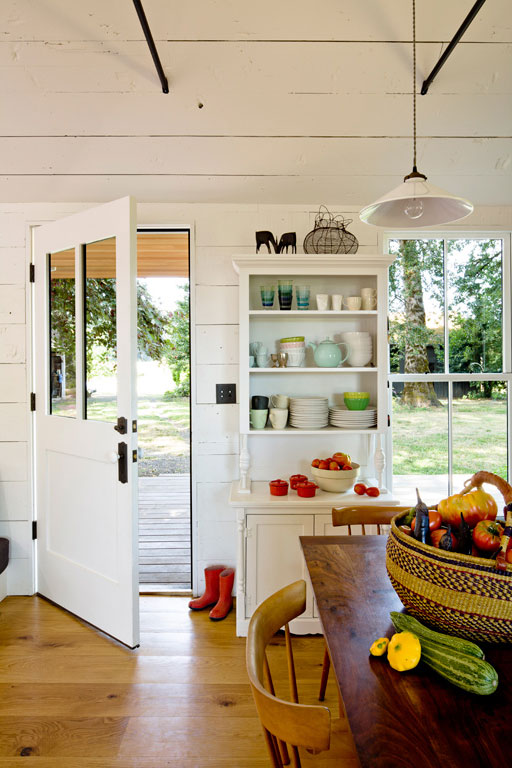
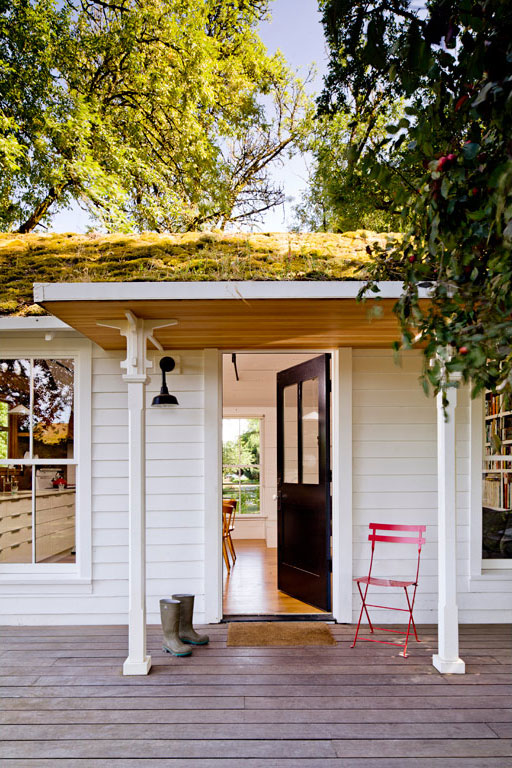
While it’s a nice idea to think a family could live in a sub 300 sq ft tiny house, the reality is that at a certain point you have to concede you can only downsize so much before quality of life is seriously compromised. That said, there are many options between tiny house and McMansion. Interior designer Jessica Helgerson’s home is a great example of one such option. At 540 sq ft it’s small, but not microscopic. And its thoughtful layout and great material choices make it seem like a great place to live and raise a family.

Located right outside Portland, OR, the house is an exercise in creative reuse. Nearly all of the materials used were reclaimed. And the structure itself has seen many lives. From Helgerson’s website:

It was first built in the early 1940s as part of Vanport Village; a quickly erected development built to house shipyard workers. When Vanport Village flooded in 1948 this particular little house was floated down the river to Sauvie Island, where it became the goose-check station. Years later it was remodeled to become a rental house.

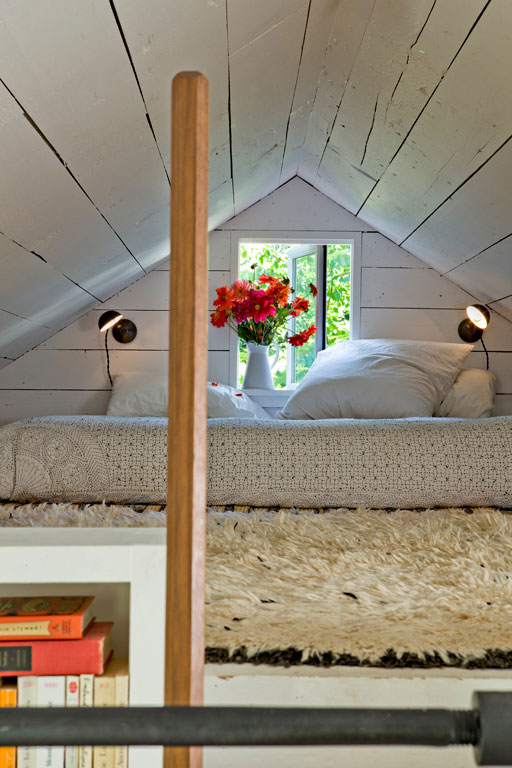
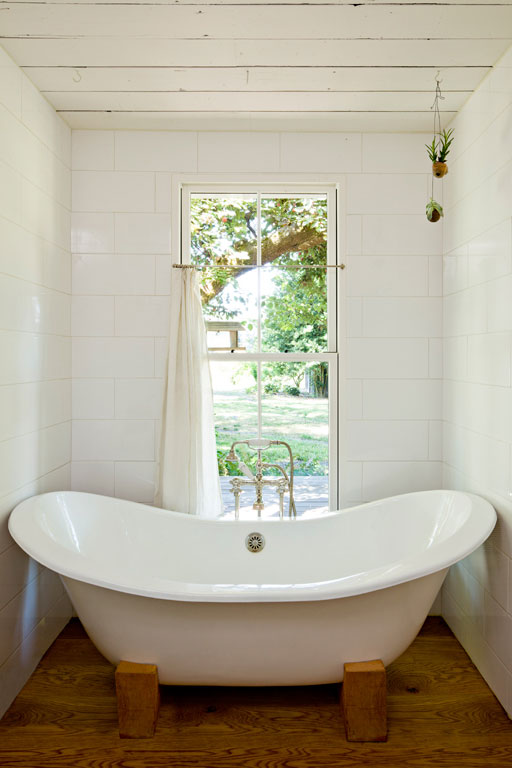
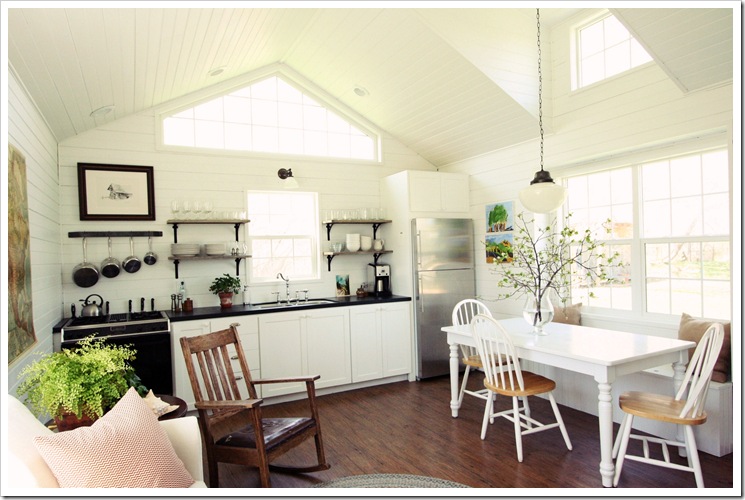
The house centers around a great room, which has the kitchen, a dining area and lounge area with two custom built sofas that double as guest beds and have storage in their bases. The house’s one bedroom is occupied by the kids, who have built in bunk beds. Both the kids’ room and bathroom have low ceilings to accommodate an overhead loft where the parents sleep.

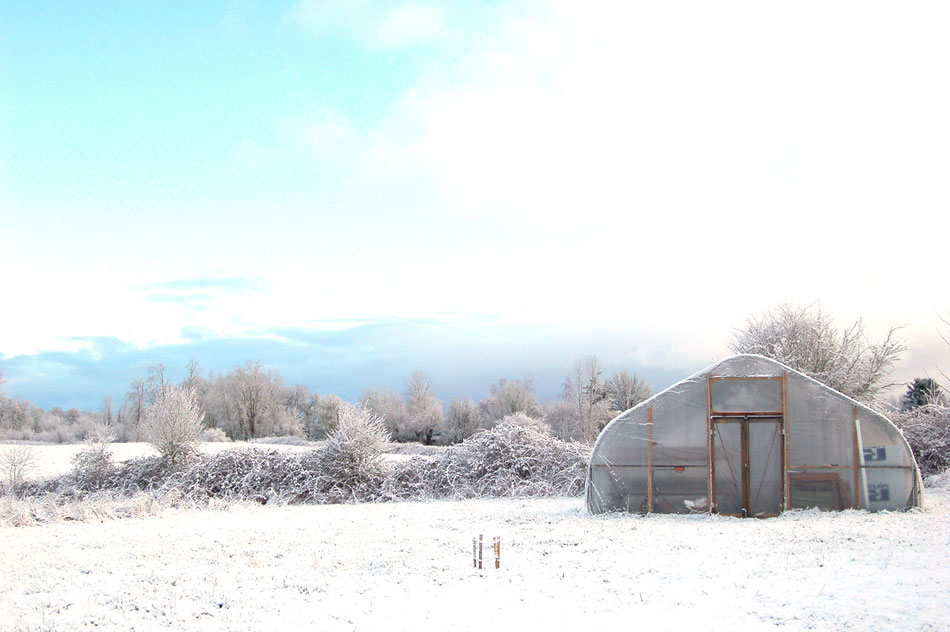
Outside, Helgerson and her husband installed a lush green roof and they are also trying their hands at food self-sufficiency with a large outdoor garden as well as a 1200 sq ft greenhouse on the property.

With its space efficient design and cohesive, but unfussy, furniture and material choices, Helgerson’s house is a great example how, with a bit of thought and consideration, a little space can go a long way.

Minimalism For All

This site is probably too often guilty of presenting extreme minimalist lifestyles–single dudes who give up everything, couples who sell all of their stuff to go globe trotting and so on. The fact is downsizing and living a simpler life with less stuff is not something available only to singles or childless couples. It’s something that can be done by anyone, anywhere. Minnesotan Kati Berg is a wonderful example of this. Through her blog Skywaymom.com, Kati, a wife and mother of two young children, presents a very real and accessible approach to how normal folks–folks with jobs, kids, who don’t live in NYC or San Francisco, who might not be inclined to drop $300K on tricking out their small apartments–can simplify their lives and focus on more important things than managing their stuff.

DF: Tell us about yourself?

KB: My name is Kati Berg. I am a real estate investor and mom, and rookie blogger at Skywaymom.com. Our family lived in a big house in the suburbs of Rochester, MN, but gave it up to bring our kids to Nicaragua to learn Spanish, then a year later moved downtown Saint Paul to continue the walking, slowed down lifestyle we found in Nicaragua and to continue language immersion for the kids, this time Chinese at a public charter school.

DF: What was life like “before” your adoption of minimalism?

KB: Life was good. We entertained in our house. We went to our friends’ houses to be entertained. Typical suburban stuff. When you invest so much in your home you want spend time there.

kati-berg-dream-home

Life was also hectic. Working full time, a growing business and adding two kids to the mix the house started to feel like a stressor instead of a sanctuary. I’d lose my keys, forget where I put things. I spent entire weekends tidying, cleaning, fixing, staining, mowing, trimming, shopping.

Before minimalism, life was about “setting up” for life. Once we were set up, well, then we started asking the bigger questions…

DF: What were those questions?

KB: We lived in an idyllic neighborhood–tree-lined streets, 2 miles from the city center but with cul-de-sacs and attached garages. The neighbors were close friends, our kids played together. It was safe and perfect and everything we had wanted and wished for to raise a family.

The bigger questions were:

We can give our children anything–is safe, secure and homogeneous the end goal? Was living a life of luxury going to teach them what we wanted them to learn about life?  We wanted the world for them – not just a comfortable corner of it. I realized all that we built, all we had to give, wasn’t what I really wanted them to have. I wanted them challenged and surrounded by diversity, learning multiple languages and cultures.

This was happening against the stressed out background of our lives.  I didn’t know what to do about it, but I knew if we had less stuff we’d be more able to make a change should the opportunity come.

DF: Did you get rid of a lot of stuff in your transition? what did you do with it?

KB: I’m embarrassed to say how much we had. We were practically our own mini-Walmart. Things left the house one Craigslist sale at a time, one car load donation at a time, one garbage can full at a time, one garage sale at a time (we had 3 huge ones and donated the leftovers). Every month for 36 months I thought I had achieved my goal of downsizing our stuff. Like an onion peeling back layers, the unnecessary revealed itself only after the more unnecessary was gone. We purged again after a year away in Nicaragua. Then again after we moved into our small apartment. I’d say we have 80-90% less stuff than we used to.

DF: How did your family handle it?

KB: There were moments of disagreement about what should stay or go. The results were undeniable, so we journeyed on. The kids played better with less stuff. Cleaning was easier with less stuff. Imagining a different life was easier with less stuff. “Just in case” never came or we found alternative solutions to all the stuff we thought we needed.

We used “purgatory” a lot. Especially with toys. We wouldn’t give it away, we just put it away–far away. It was a way to practice living without something. Nothing was thrown or given away that made someone cry.

DF: Was there any pushback from friends, neighbors, etc?

KB: We are still friends with our old friends. We moved to another country and then to another city, so the subtleties of any pushback if they exists aren’t an issue.

DF: Have there been any downsides or challenges to this new way of life?

KB: Swimming upstream is always harder than swimming downstream. It’s bizarre to live in a time and place where having less is more challenging than having more. Still, I feel like I’ve discovered the pot of gold at the end of a rainbow.

DF: What prompted you to start your blog?

KB: When we moved downtown St. Paul I searched for advice on family life in a typical, white walled, beige carpeted apartment and came up short.  I also was gobsmacked that we seemed to be the only family living downtown St. Paul–it’s a toddler paradise (Children’s Museum, Science Museum, History Museum, event centers, swimming pools, parks, bike trails, the river, the library all in walking distance and with the skyways going outside is optional).

I assume Google knows everything and Google didn’t know this. I wanted to encourage other families to join us. My oldest is an extrovert. We need neighbors he can play with.
family-in-small-living-room

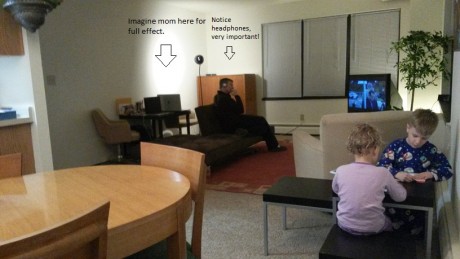
Living small doesn’t have to be about expensive architecturally assisted spaces or tiny off the grid homes. We’ve chosen small as a way to give more opportunities and experiences to our kids–the surprising thing is how much we parents like it too. It took us a lot of time to figure it out what worked for us with less space, but we got it, and hopefully I can help shorten the learning curve for others through Skywaymom.com.

DF: What would you tell people who are trying to do this for themselves and their families?

KB: Minimalism is an excellent tool to focus on what’s really important. Dreams grow when you realize you have to say no to a lot of good things to allow great things to surface.

I developed a mission statement for my house–an inner dialogue if you will–while cleaning.  It goes like this: “My house is a pristine sanctuary that focuses on what’s important”. When I pick up clutter or organize I say this to myself. It has had dramatic consequences. We were able to save the money required, and organize ourselves enough to take a full year to be with our kids in a foreign country. What’s important will be different for each person–but without constantly reminding ourselves what’s important to us, the world, by design, will impose its own version.

Life is Either a Great Adventure or…You Know

When’s the last time you had a good adventure? Seen new places, met new people, encountered new situations? For some, it might be a recent occurrence, but the rest of us are clearing out the cobwebs of our minds to recall an answer. Now imagine a life where adventure was a given–where your life was a succession of new experiences, new people, all punctuated by rewarding work. This latter life is the one William Thomson and his family appear to be living. This last March, the family of three put their lives in a camper van to tour the British coastline, running a business that makes special tidal flow charts for coastlines around the world.

The journey actually began with the charts, which were inspired by the misunderstandings that his parents and many others have about how tides work. Thomson told me, “My parents were paranoid the tide would drag us out to sea. My training with the RNLI [Royal National Lifeboat Institution, where he had previously volunteered] taught me this is not true: instead the tide will take you along the coast.” He wanted to create an alternative to the complicated nautical charts and tidal stream atlases that were the main educational resources available.

tidal-compass

An architectural graduate, Thomson set about using his skills in design and the presentation of information to create simple images that convey tidal data, providing sea safety knowledge for swimmers, sailors, kayakers, paddle boarders, wind and kite surfers and scuba-divers.

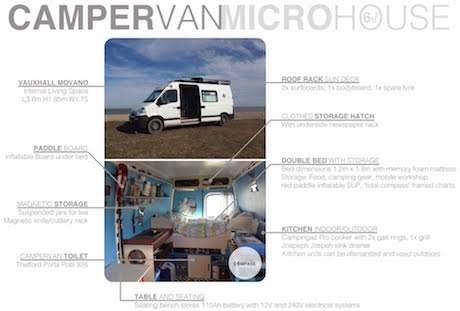
Thomson had already made about 75 charts for various British locales when the idea occurred to him that he could visits the locations, selling the charts along the way. The remainder of the business he could run off his laptop and a wifi hotspot. The family sold their 1986 Land Rover Defender 90 and picked up a 2006 Vauxhall Movano van, spending a couple months converting its six meter interior into a livable space for his girlfriend, their six month old daughter and their water spaniel Alfie.

tidal-can

Thomson reports that life is not all fun and games–though it is largely fun and games. In one blog post, Thomson goes through a typical day, which involves around three hours of work in the morning. After work, there’s about six hours of hanging out outside–fishing, surfing, paddleboarding and the like–followed by another three hours of family time. Thomson also has a night shift after the baby is asleep.

Life does present some challenges, though none bigger than more conventional living situations. Until a recent addition of a water meter, they kept running out of water. Following the meter, they were better able to track and conserve, allowing the four of them to live on a scant 10 liters of water a day (the average American uses around 300-380 liters/day). They refill their 70 liter tank at their once-a-week paid campground visits.

tidal-baby

William also told me their particular situation has a number of logistical considerations: “Finding somewhere to park where I have wifi to work, where we can wild camp without annoying someone, somewhere we can walk the dog, get into town to visit the galleries, and then find time to have some fun (surfing, swimming, paddle boarding). It does feel like a juggling act.” But overall he says he loves living simply in their camping style and consuming very few resources.

Thomson told us that they plan to keep on going until their daughter reaches school age, which isn’t for another four years. They have plans to chart the coasts Scandinavia, the US, Canada, New Zealand and Australia, and hope to visit/live in some of these places before settling down (at least for the school year. He sees summers spent on the road).

And if you’re wondering, like I was, what they’ll do when the weather turns cold, Thomson said they plan to head to Portugal, where the winters are mild.

Thomson said there are many benefits to their situations, “We’re outdoors all the time, we’re not wasting money on rent, our micro house is light, airy, with everything we need and nothing we don’t, the view from my design studio is always awesome and always changing, we’re visiting new places every day which is very exciting and the business is thriving!”

Check out more at Tidalcompass.com

Urban Infill Architecture that Doesn’t Suck

The late 19th and early 20th centuries were boom times for urban architecture in America. Street after street sprouted up with rowhouses, townhouses, brownstones and other medium-density architecture. These were solid, sensibly-sized, one-to-three family, logically-laid-out brick structures, many of which still stand today. But in many cities these houses fell into disrepair, leaving semi-ghosted neighborhoods with empty lots and derelict buildings. Often, these lots became/become the victim of infill architecture. In general, infill architecture can seem like an exercise in carelessness and making a quick buck, being cheaply made and ugly both in its own right and uglier still in relation to its neighborhood’s context. That’s why Postgreen Homes is so refreshing. For the last six years, the Philadelphia developer has been cranking out innovative, attractive, affordable and energy-efficient infill architecture.

Postgreen founder Chad Ludeman hit the ground running in 2009, with the “100K House” a 1100 sq ft, LEED platinum certified townhouse that only cost about $100,000 to build (hard material costs only). The project won the US Green Building Council’s 2010 House of the Year. They built a number of subsequent projects such as the 120K house (a little more expensive), just adjacent to the 100K House and the Skinny House (actually three houses in a row), which could fit into a lot as narrow as 13 ft wide, yet still felt quite spacious and airy. In recent years, their homes and projects such as the awesomely-name “Awesometown” or “Duplexcellence II,” look slightly more conventional than the first projects, but they still manage to keep things compact, design-centric, eco-friendly and amazingly affordable. The majority of their homes sell for less than $350K, which includes the cost of land.

Postgreen is able to make their homes so cheap by using simple, affordable materials as well as optimizing their designs for easy-building. For example, their homes use low-cost exteriors like corrugated steel, reclaimed brick or pre-cut standard insulated panels (SIPs), that latter cutting both labor costs and improving energy efficiency. On their Skinny House, they kept all mechanicals, plumbing and sewage in a four foot square, creating a consolidated area for the more expensive construction elements as well as leaving an open, unimpeded floorplan. Their homes seldom crest 2K sq ft and are more often around 1200, keeping overall built area to a minimum and keeping material and labor costs low.

Another key part of Postgreen’s affordability is their placement in less-expensive neighborhoods, which is a crucial part of making their innovative homes available to people who would otherwise only be able to afford fixer-uppers.

Thanks for the tip Tim!

For This Family Simplicity is the End, Not the Means

Carmella Rayone McCafferty lives (purportedly happily) in a 665 sq ft Wyoming cabin with her husband and three kids. We could stop there and have a remarkable story, but the style and philosophical integrity of the home and manner in which the family lives makes the whole thing all the more impressive.

Like many great stories, the McCafferty’s were spurred by crisis in 2008-2009. Back-to-back job losses and a tanked real estate market put the family in financial and existential peril. The situation, Carmella writes in her blog, forced the couple to ask themselves, “What was most important to us in this life, really? The well-paying job in a city we didn’t love? The large mortgage payment and other debt? The compound stress of trying to make ends meet when the jobs went away?”

They realized that a simple life, close to nature was the kind they wanted to live. They set about building this life in a small Wyoming town. Rather than doubling down on another home and mortgage, they decided to build a 665 sq ft cabin on rented land. Its low cost is allowing them to save up to buy their own plot of land where they can build a new home in cash. Of their newly created situation, Carmella writes, “For us, financial security was no longer linked to the size of the portfolio or the potential of real estate holdings; financial security now meant zero debt and a job well loved.”

It should be said that this is no ordinary cabin. Carmella is a talented interior designer and the space has been featured in Remodelista. Recently, that same blog published “Carmella’s 7-Step Plan to Clutter-Free Living”–a solid list that includes such suggestions as “Envision your essentials by packing for a two-week trip in a camper” and “Whenever new goods come in, give some old goods the boot.” You can also go straight to the source with Carmella’s blog Assortment, which includes pictures, tips and lifestyle posts.

The McCafferty’s situation is reminiscent of a post we wrote called “The New American Dream Home” about the Kawabatas, a family of four that shared a modest 1300 sq ft home in Garrison, NY. With no disrespect to the Kawabatas, Garrison is a pretty posh town and the family was planning on adding a large addition to their modest home. The McCafferty’s on the other hand live in Wyoming, the nation’s least populous state, where, we suspect, land is dirt cheap. And while they are planning on building a larger home, they don’t seem to bemoan their current situation. For them, simplicity is the end, not the means. We find them heartening. We think people like the McCafferty’s, who place this premium on simplicity, responsible use of resources and financial freedom, are creating a different–and far more realizable–dream than the one of ceaseless expansion and consumption.
Furniture You Can Feel Good About Throwing Away

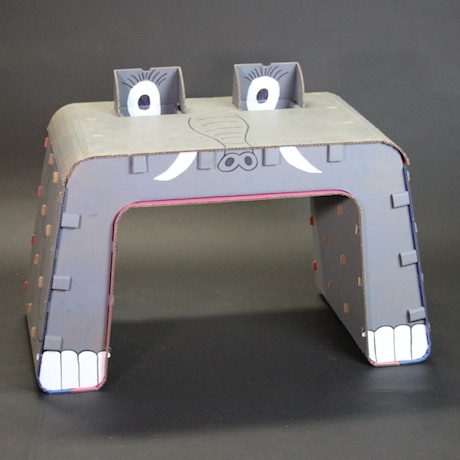
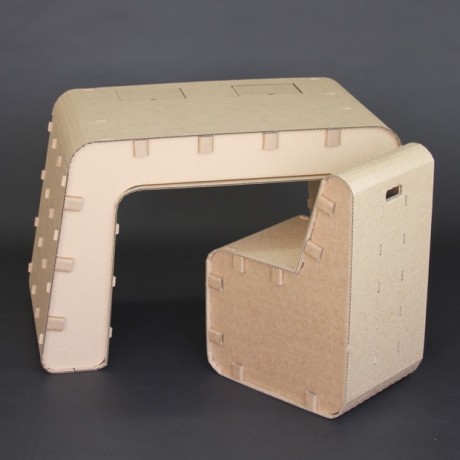
A new company dubbed The Cardboard Guys is making disposable, cardboard furniture. Disposable furniture, you ask? Really? As if our culture weren’t disposable enough. Well you should hear TCG out because their idea makes a lot of sense and, strange as it might sound, is a pretty earth-friendly choice for furnishings.

Elephant Desk

The first thing to know is that TCG are making furniture for children–a demographic known for their ability to destroy and decorate furniture in unintentional ways. By virtue of the TCG furniture’s ephemeral nature, improvised decorations are encouraged, not shunned. Kids can draw and paint on them any way they see fit. Should that artwork get tiresome, flip the panels over for a whole new canvas.

the-cardboard-guys

Though the furniture is made of cardboard, it’s tough. One of their chairs can hold an incredible 500 lbs–which, hopefully your child will never verify. And though it’s not waterproof, they are using a water resistant type of corrugate. “If you spill something on it and wipe it up immediately after, it shouldn’t damage the furniture,” says TCG Co-founder Jake Disraeli. He does say an untended spill might cause damage…it is cardboard.

Regarding the disposable nature of his furniture, Disraeli says, “Kids aren’t kids forever, and over time they will physically grow out of their furniture, making it temporary by nature.” Indeed, most people (at least the ones this author knows) end up buying “real” furniture at IKEA for their children–furniture that more often than not ends up in the trash or on the curb when its utility has expired–a process that is hardly earth friendly.  “Typical furniture is incredibly hard to recycle,” Disraeli says, “which is why 9.8 million tons of furniture ends up in our landfills each year.” On the other hand, TCG furniture is 100% recyclable.

TCG just launched a Kickstarter campaign to ramp up production. A $75 pledge will get you the desk, chair, an extra tabletop and an supply pack (shipping is included), with delivery expected this June.
Unflinching Look at Big Family Sharing Small Space

Several years ago I sublet an apartment deep in Manhattan’s Lower East Side. The railroad style-apartment was roughly 500 sq ft and had one bedroom, a kitchen/dining area and a living room. It was oodles of space for me. A boy named Kenny frequently knocked on my door seeking company and wanting to play games on my computer. He lived with six other family members in an apartment across the hallway that was the same size as mine.

Kenny and his family were, from all I could surmise, recent Chinese immigrants. And while sharing such tight quarters was most likely driven by available financial resources, there was surely a strong cultural component that allowed them to live together. For some cultures, living with your family in a small space is not so unusual. A new book called “The Lams of Ludlow Street: The Photobook” is taking a long look at one of these families and the culture that surrounds them.

lams-of-ludlow-bath

The Lams are a Chinese family of five that at one point shared a meager 350 sq ft apartment, also in New York’s Lower East Side. Filmmaker Thomas Holton, in an effort to better understand his own Chinese heritage, has been photographing and getting to know the Lams for the last 12 years. The photobook, which he is funding through Kickstarter, tracks the family’s life through images and narrative.

lams-of-ludlow-study

The Lams of Lulow isn’t necessarily a romance story of families sharing small spaces. The parents eventually get divorced (not a phenomenon limited to couples sharing small spaces, of course) and Holton speaks of witnessing, at certain points, a family that “seemed broken up physically and emotionally.” Rather, the book is meant to be an intimate and stereotype-free account of a family and culture that might seem very foreign to outsiders. It’s a view people who aren’t part of this Chinese community seldom get.

The campaign has already surpassed its $28K with 16 days left to go. Head on over to the book’s Kickstarter page and Holton’s site to see more images.