National Day of Unplugging is Coming Up. Are You Up to Celebrate?

March 1st is National Unplugging Day, a day to power off phones, computers and any other device that needs plugging in and a strong connection. The project is the brainchild of Sabbath Manifesto who promote the idea of a, gulp, weekly technological break or Sabbath.

We know that for some this idea does not sound too monumental. You rarely check your phone, inbox and love the feel of paper on your fingers. For some of us though–and this author includes himself in this category–the actual implications of unplugging are daunting: We only have cell phones, our work centers around our computers, we read on eReaders, our media is streamed. To detach ourselves for even a day sounds like a big deal.

There is a growing body of evidence that our hyper-connected world is taking a toll on our happiness. Last year, a Standford University study found that young girls who are heavy multimedia users are less happy and less socially comfortable than their offline peers. There is other evidence to suggest technology use is making us a more distracted society. One survey reported in the Wall Street Journal found that 60% of workers spend over an hour of every workday on technological distractions. (Note: There are also studies with positive correlations between technology and happiness).

Either way, if you’re in the camp who: A. are regular users of technology, and B. think that cutting back on heavy use of technology might not be a bad thing, then laying off technology for one day a year shouldn’t sound like a stretch. When that day is through, you can evaluate if a weekly Sabbath is in your future.

If you’re not sure what you’ll do, you can check out Sabath Manifesto’s Ten Principles, which are no-tech pastimes to fill the hours otherwise texting, tweeting and so forth. They are:

  1. Avoid technology.
  2. Connect with loved ones.
  3. Nurture your health.
  4. Get outside.
  5. Avoid commerce.
  6. Light candles.
  7. Drink wine.
  8. Eat bread.
  9. Find silence.
  10. Give back.

In other words, this is not a day to go to the movies and shopping (we’re sure these principles can be adapte for gluten-intolerant and non-drinking folks).

The fact of the matter–despite what we might think–is that the world will not fall apart if we’re offline for a day–especially if we give our wives/husbands, bosses a heads up. What do you say? We’re in. Are you?

If you’re already observing a tech Sabbath, we’d love to hear how it’s going. 
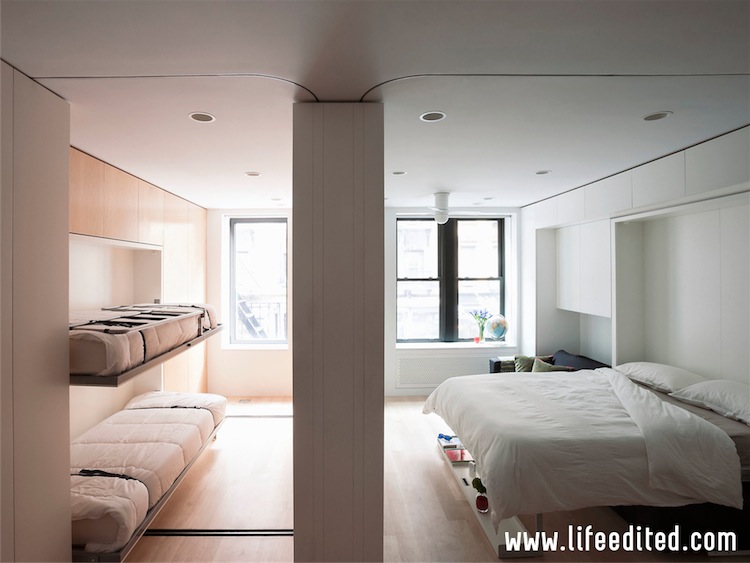
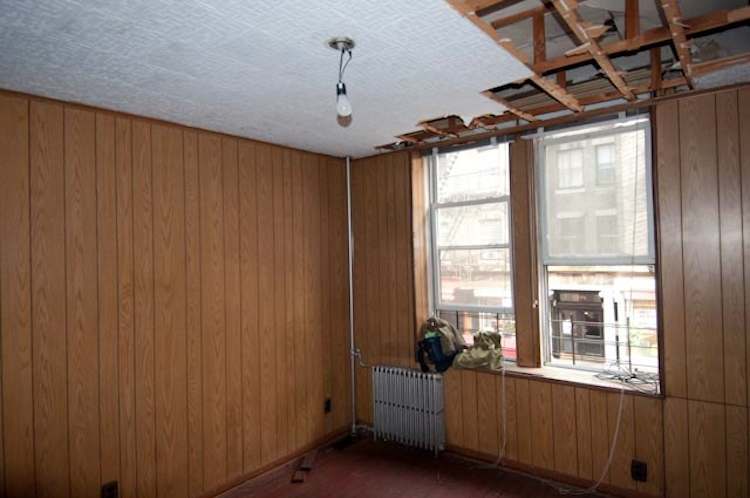
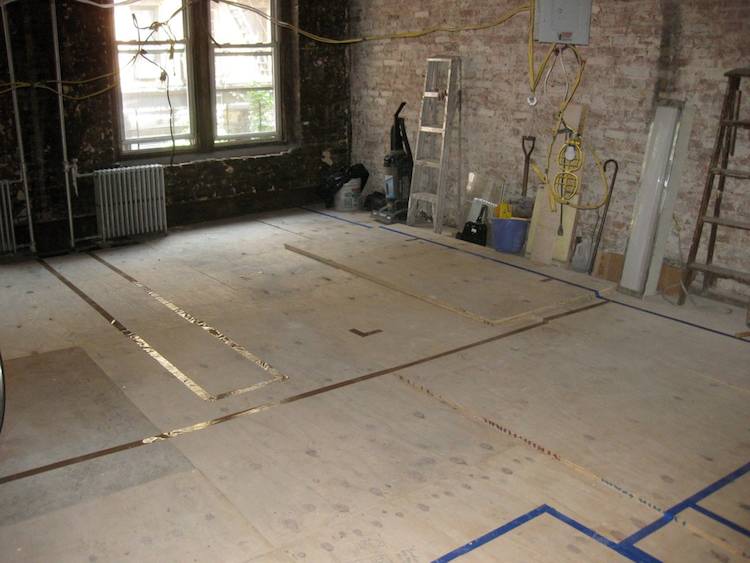
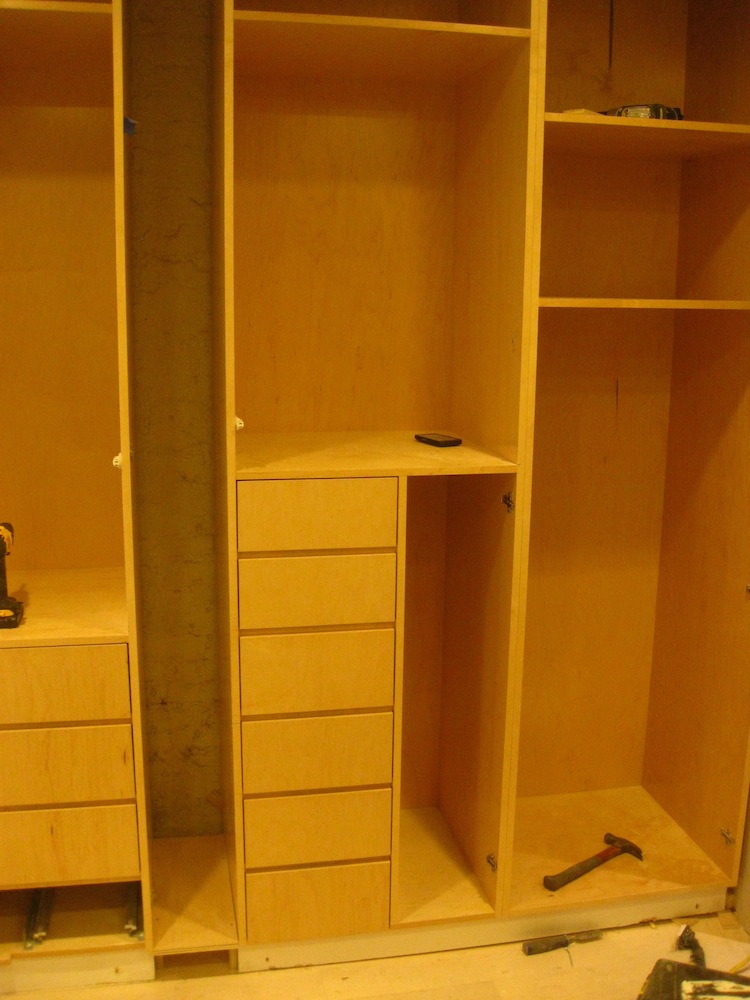
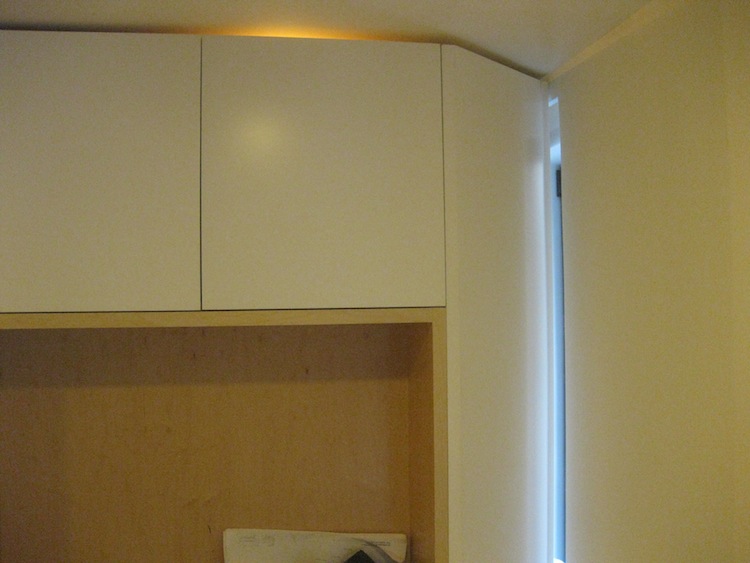
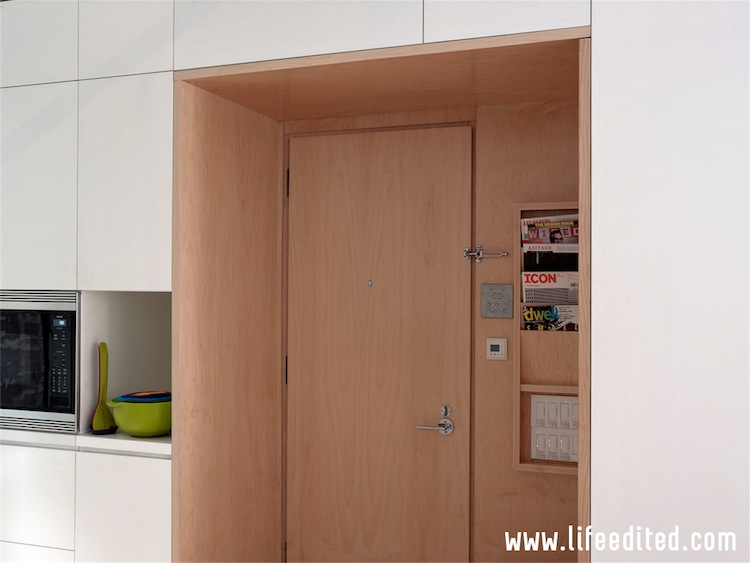
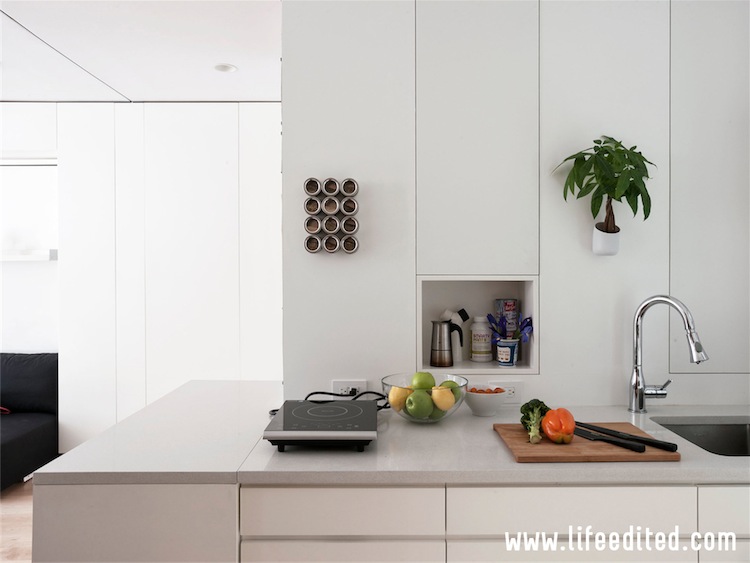
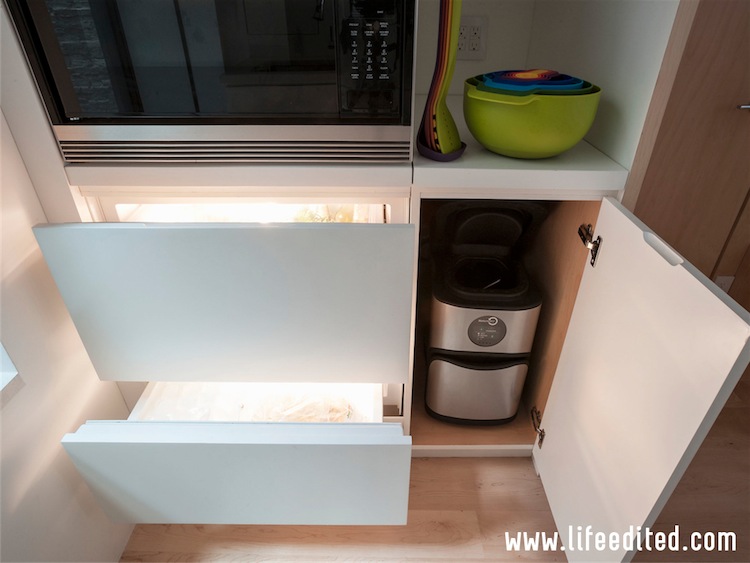
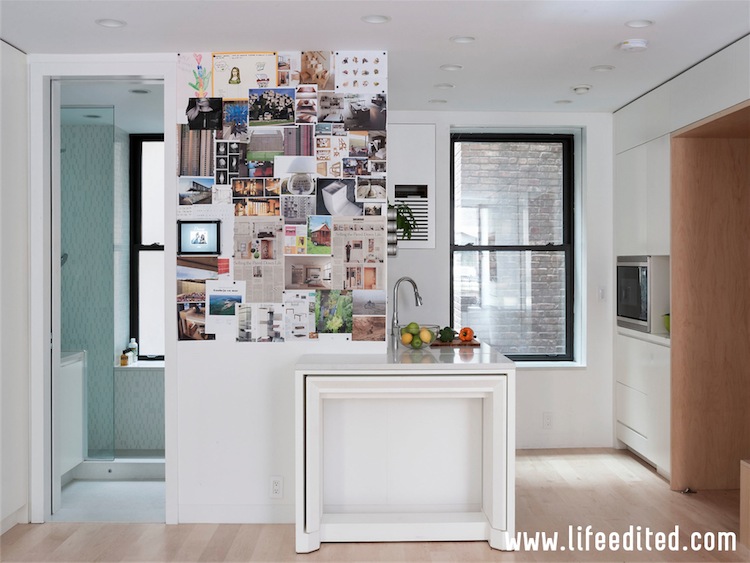
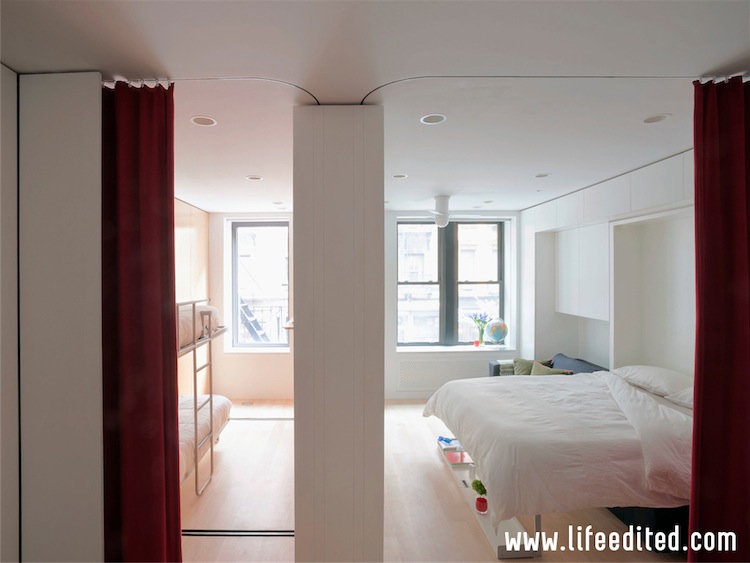
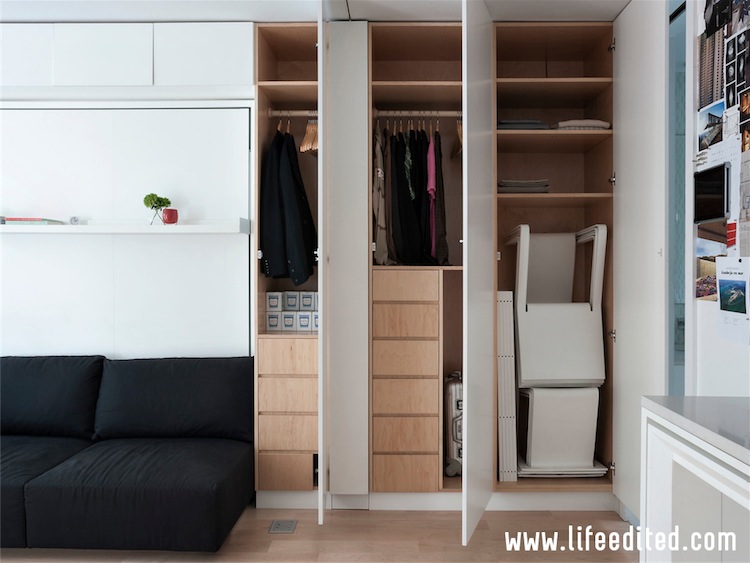
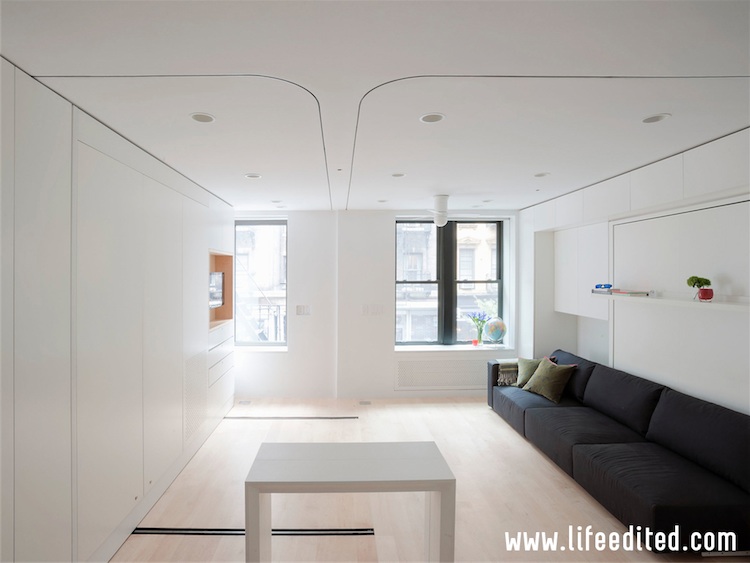
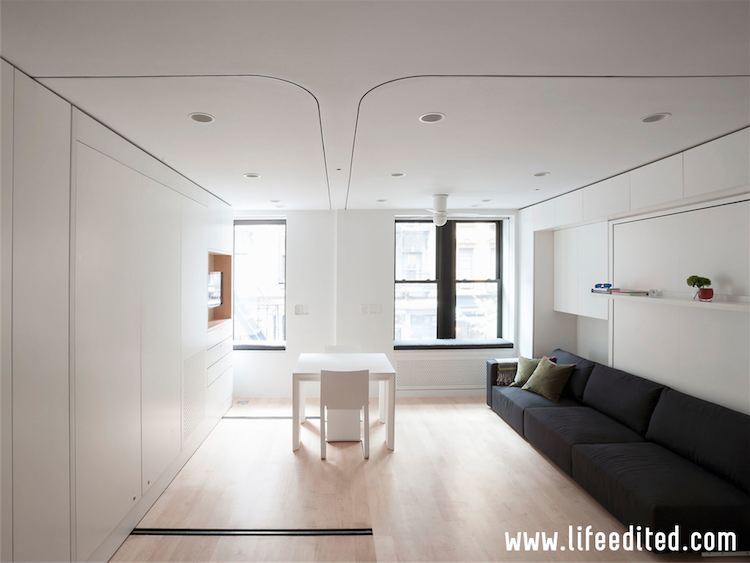
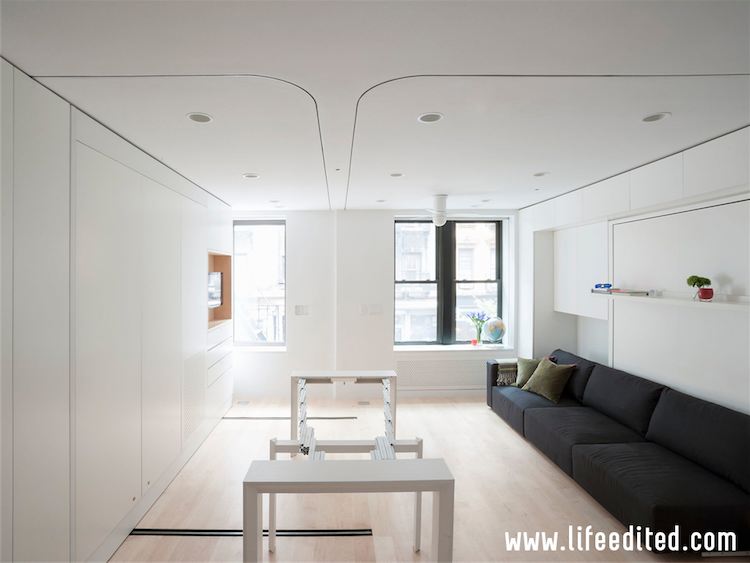
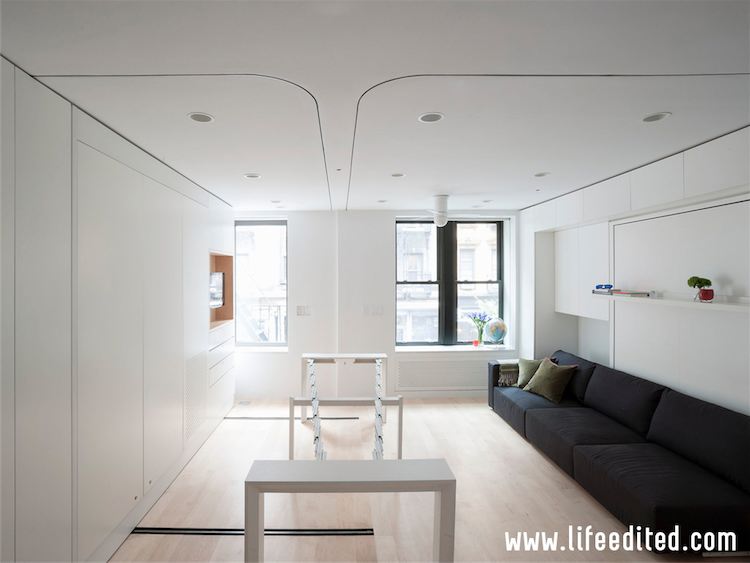
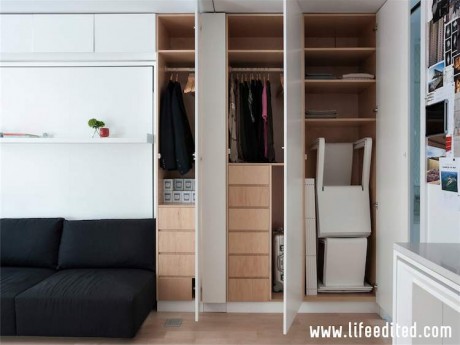
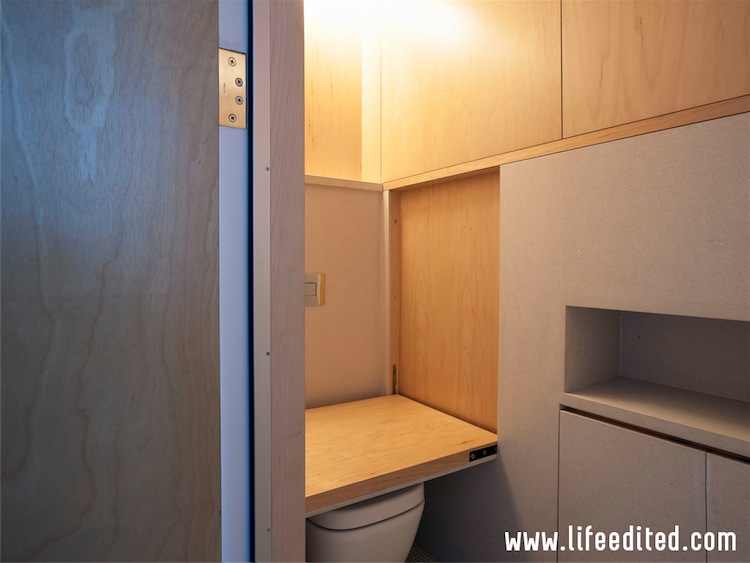
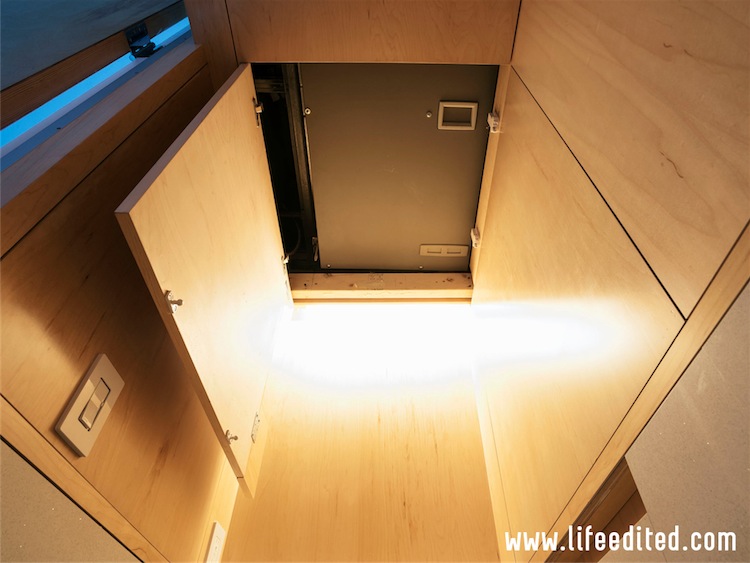
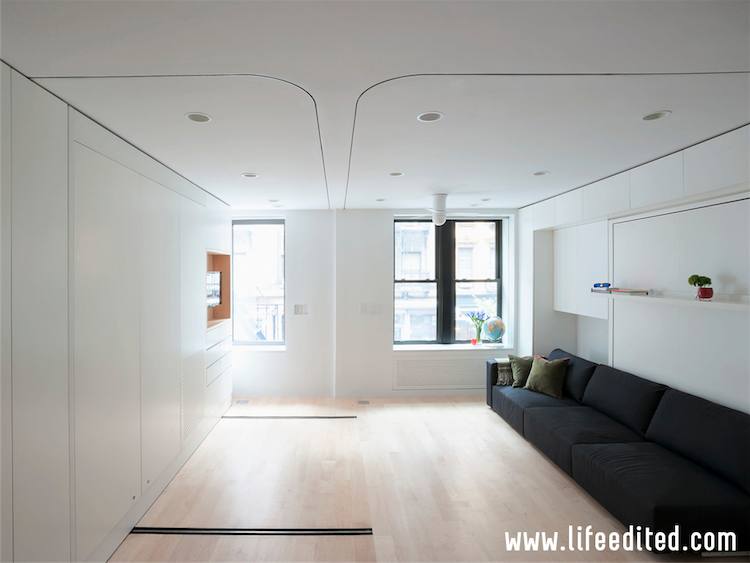
See the Evolution of the LifeEdited Apartment From Demo to Completion

For the construction wonks amongst us, we wanted to show the evolution of LifeEdited apartment (Graham Hill’s personal apartment) from rundown Soho tenement to completed project. Most of the construction materials were sourced from Green Depot.

Special thanks to David Bucovy, AIA (architect of record), Catalin Sandu, Adrian Iancu, Scott Glass, Wing Deng, Lawrence Hudson, Matthew Williams and everyone else who brought the project to life.

Click on thumbnails to increase size of pics.

Photos of completed apartments by Matthew Williams

Couchsurfing.org: Matching People, Couches Across the Globe

Are you someone who loves to travel? Do you love to meet new people? Does a comfy couch sound like a good place to crash? Then Couchsurfing.org is for you. The URL says it all: It allows people to offer and use each others couches, providing a low/no-cost alternative to hotels, hostels and Airbnb. Over its nine year history, the site has built a user base of 5M users across 97K cities.

Rather than mere cheap accommodations, their mission is, “Creating inspiring experiences.” The idea is that there’s a very different experience of a place when you’re crashed out on someone’s couch versus staying in a self-contained room for rent. Hosts often show guests around their cities, host meals and do other things that can give a very authentic sense of place.

What about safety you ask? They have three ways of dealing with safety. First, people can get personal references, sharing what it was like to host, or be hosted by a person. The site offers credit card verification, making sure that a person is who they say they are and lives where they say they live. Lastly, people can “vouch” for one another, whereby a person is recommended by someone who is “extremely trusted by someone who has been vouched for by three other members.” Below is a little video further explaining the process and motivation behind the service.

The site does not charge anything aside from the verification process. This might change soon following the company’s recent controversial move to become a for-profit B-Corporation. It’s not clear how this will affect costs, though it’s reasonable to say it will remain a very low-cost way of finding a place to crash.

Have you used Couchsurfing? What was your experience? Would you use it? Why or why not?

via Unstash.com

image credit: brianthacker.tv

Does Your Umbrella Withstand 82 MPH Winds?

Watch as a man subjects himself and his umbrella to 82 MPH (133 KPH), hurricane-strength winds. The umbrella, made by Dutch company senz°, achieves this strength by working with, not against, the wind. Their asymmetrical design has a minimal point of front contact, avoiding the common sail effect of round umbrellas. The umbrella spokes also pivot in such a way that should the umbrella get turned out, it yields to, rather than resists, the wind.

senz-umbrellaCheck out the senz° Youtube page to see more heroic feats of umbrella-strength, such as a parachute drop with the umbrella.

We found a variety of senz° umbrellas on Amazon starting around $40. Many of the US models are made by Totes, who is licenses the senz° design.

Senz° is a great example of rethinking common objects to make them more practical, durable and smarter. Who says umbrellas should merely last for a handful of storms? What if you could have one umbrella for life?

Do you know of other common products that achieve superior utility and durability by bucking traditional design? Let us know what they are in our comments section.

Opinion: Do We Need Anything From the Consumer Electronics Show?

If you’re even remotely a techie, you’re aware that the Consumer Electronics Show (CES) was held in Las Vegas this week. The TVs, game consoles, phones, tablets, and phablets (no, we’re not making that up) of tomorrow are there on display today.

We love the things technology makes possible. We love that our mobile apps do the duty of tons of useful tools. We love that Spotify and Netflix allow us to ditch our CDs and DVDs while giving us access to far more media than we could ever acquire in a lifetime. We love how our eReaders allow us to take our libraries anywhere. All of these things depend on the kind of hardware seen at CES.

The consumer tech industry has a lot to do with Moore’s Law, which says that the number of transistors that can fit on an integrated circuit doubles every two years; it’s a law that has held true for the last 50 years and shows no sign of abating. It has made technological advances occur at breakneck speeds–tech that was state of the art five years ago is considered garbage today. No other industry can say that–not cars, furniture, energy…nothing.

But what about us, the users? Can we keep up with the number of choices and options available? Are we better off with these choices at all?

An insightful article by Treehugger’s Jaymi Heimbuch entitled “CES 2013: The World’s Largest Electronics Tradeshow, Buddhism, and the Illusion of Choice,” waxes about the existential implications of CES. She writes:

We produce too much stuff to the point of redundancy and even ridiculousness. The consumer electronics industry is bound up in this truth: the myriad choices we are given as consumers of gadgets is pure illusion. Instead of freedom through modern gadgetry, we are unwittingly made increasingly unhappy by it.

We’ve explored this philosophical terrain before, asking how less choice might be the route to greater happiness, and conversely how greater options can often make us miserable. While we aren’t at CES ourselves, we imagine the available choices could paralyze someone who just wants a new phone.

While sitting out the tech arms race seems like the way to go, many of us depend on technology and appreciate its applications. As such, we’d just assume our tech be faster, lighter, more efficient, have better sound and display and so forth. We prefer our Samsung Galaxy III to a Palm III. These newer, better devices and all the things we can do on them would not be possible if companies–the same ones on display at the CES–had stood still technologically.

But how do we stop ourselves from stepping on a technological hedonic treadmill, where we get the fastest, thinnest, sexiest device, only to start lusting after the next model released a couple months later?

In our previous post on choice, we looked at the website The Wirecutter, which gets experts to declare a best device in any given category–e.g. best laptop, SLR, external harddrive, etc. If you take their advice, you have the opportunity to eliminate a lot of choice as well as benefitting from their expertise.
One of its contributors, Brian Lam, wrote an opinion piece in the NY Times called “Knowing When It Pays to Upgrade Your Gadgets.” It’s a clearheaded look at how to evaluate if you actually need a new piece of tech hardware.

Lam’s conclusion is basically different people have different tech needs. A graphic designer will need to replace her computer more often than a plumber. He does say that some things, like tablets, seldom need replacement for anyone. He also gives this overarching statement, which, from a tech writer, sounds pretty sage:

No one has ever regretted waiting as long as they can to upgrade their technology. We’re a nation of shoppers, tempted to buy the best at every turn. But I’ve found that the best way to avoid a premature upgrade is to remember what you might be giving up: a trip to a tropical getaway, a new suit or perhaps a down payment on a new bed that will help you sleep better. That kind of context makes it easier to pause and realize the grandest truth with upgrades: If it isn’t broken, stolen or lost, maybe you don’t need a new one just yet.

How about you? How do you balance your technological needs with the endless array of upgrades, faster models, etc.? We’d love to hear your opinions.

image credit: Andrew Harrer for Bloomberg

Comfortably Seat Ten in Your Micro Apartment

In the coming months, we will be highlighting products and services we use in the LifeEdited apartment. Today, we’re looking at the Resource Furniture Goliath Table.  

Of all the pieces of furniture in the LifeEdited apartment, none get more oohs and ahs than the Goliath Table. The table, made in Italy by Ozzio and distributed in the US by Resource Furniture, transforms from a 17″ deep console without leafs to 115″ dining room table with.

Depending on how many of the five leafs you add, you can make the table appropriate for seating two, four, etc. In the cozy 420 LifeEdited space, it’s a critical piece of furniture, allowing us to easily host dinner parties for ten plus people.

When not in use, we store the table under a breakfast bar made especially for the Goliath.

The table is available in a number of durable finishes. Visit Resource Furniture’s website for full details. While the starting price of $3950 might strike many as a lot of money, consider that this table can effectively turn any room into a real dining room. Think about the cost of eliminating 50-100 sq ft from your home. How much would that save?

Perhaps you’d use it to turn your dining room into something you might use more like a home office. Likewise, the table’s high quality construction make it something you can keep for many years. Looked at this way, we think the Goliath a great investment (it’s sure to impress your dinner guests too).

The Most Positive People On Earth…Probably Not Who You Think

You’d think that the most positive people on earth would live in nations where most people had enough money to provide for basic needs and a bit more, whose governments provide good social services, whose citizens enjoy long life expectancy and have access to good housing, education and the other staples of stable, developed nations. Well, you’d be wrong. In a Gallup Poll taken of 150K world citizens, some of the most positive people lived in places that are neither rich, nor stable.

In particular, seven Latin Americans nations were in the top ten of most positive people in the world. Some relatively poor nations like Panama, Venezuela and even Guatemala, a nation ravaged by civil war and gang violence, were in there. Also in the top ten was Thailand, who’s had their share of political unrest in the last decade.

On the other end of the spectrum was Singapore, who took the prize as having the world’s most negative people, beating out nations like Iraq, Afganistan and Haiti (all of whom scored fairly low as well).

Questions in the poll were meant to evince positive emotions. Questions included, did you feel well rested? Were you treated with respect all day yesterday? Did you laugh of smile a lot yesterday? Did you learn or do something interesting yesterday? Rankings were based on the percentages of yeses.

Some suggest that the higher scoring nations are much more likely to display emotions in general. In other words, the lower ranking nations might not be as emotionally demonstrative, high or low. Others suggest that Latin American countries have a cultural aversion to expressing negative emotions.

Even with these cultural biases, there seems to be a sufficient number of happy, poor nations to call into question the association between wealth and happiness.

This is not to suggest a positive correlation between wealth and negativity. Several wealthy nations like Oman, Denmark and the Netherlands ranked quite high. Nor should it be an excuse to ignore improving conditions where they might be direly lacking. It does suggest, however, that our attitude on life might not be so dependent on our conditions. For example, Mali, a country whose per capita income is a mere $668, whose life expectancy is less than 50 years, ranked higher than the United States, whose per capita income is $48K and life expectancy is over 78 years.

What this all might say is that poverty with good habits and attitudes is more enjoyable than wealth with poor habits and attitudes. A couple interviews by the Associated Press from the bottom and top ranking nations demonstrated this.

Richard Low, a 33-year-old Singaporean businessman said this about his country:

We work like dogs and get paid peanuts. There’s hardly any time for holidays or just to relax in general because you’re always thinking ahead: when the next deadline or meeting is. There is hardly a fair sense of work-life balance here.

Sounds like fun.

On the other side of the globe, Maria Solis, a street vendor in Paraguay (a country that tied Panama for most positive) said this about her life, happiness and money:

Life is short and there are no reasons to be sad because even if we were rich, there would still be problems. We have to laugh at ourselves.

Screenshot via Gallop.com

Habitat 67 and the Future of Edited Architecture

  • Exterior in 1967

  • Contstruction

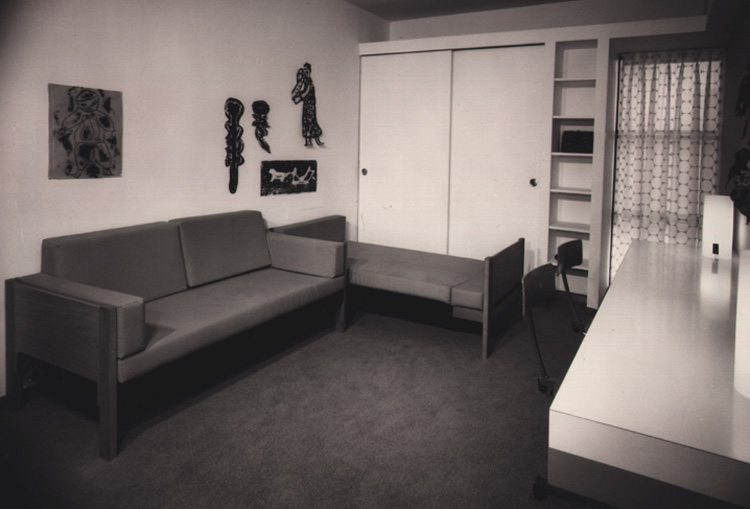
  • Interior shot of smaller unit c. 1967. Image credit McGill University

  • A contemporary two story unit interior. Photo: © James Brittain

  • Terraces

    Habitat 67 terraces.

  • Habitat 67 today.

The idea of beautifully designed, high-density prefabricated compact housing is hardly new. Case in point is Habitat 67. The housing complex, built for the 1967 Expo 67 World’s Fair in Montreal, is a case study in great compact design.

Amazingly, the building was architecture student Moshe Safdie’s Master’s thesis (he did graduate and build many more important buildings). The building shares qualities with the Nakagin Capsule Tower and the Japanese Metabolism architectural movement. Like Nakagin, all of the 354 modules are prefabricated and identical. The 12 stories of modules are arranged and combined in different configurations to make 146 apartments varying in size from 225 to 1,000 sq ft (20 to 90 m). Unlike Nakagin, Habitat 67 has not fallen into disrepair and is an established, resident-owned coop.

While its lego-set look might strike some as contrived, the layout permits each unit to have its own terrace, skylights and direct sunlight (we think it looks pretty cool too). The building also features covered walkways, gardens and other open spaces.

With its prefab construction, high density layout, sunny and livable interiors, the 46 year old Habitat 67 might show that the past holds some best ideas for the future of architecture.

20 Million Songs for $10 (a Month)

In the coming months, we will be highlighting products and services we use in the LifeEdited apartment. Today, we’re looking at the streaming music service Spotify

Do you remember going to the CD store (or for some, the record store)? You’d rifle through the aisles and their indexed rows, peering at the tall, half-empty cardboard boxes, squinting to see which album was in front of you; the more artistic bands wouldn’t say, so perhaps you’d have to unearth the album from a tight stack. Then you’d fork over $15-20 for the disk itself–and this was 10-20 years ago. Then you’d bring the disk home, listen to it, enjoy five of the twelve songs then store it on a CD tower or bulky wallet.

For most of us, the iPod ended the CD era. It enabled us to load tons of albums in something that fit in our pockets. No hard-to-open boxes, esoteric album covers, CD towers or filler songs. Slowly-but-surely, we built our music libraries via converting CDs, purchasing on iTunes (which at $10/album or $.99/song was still a lot cheaper than CDs) or downloading through shadier channels.

But the iPod still locked you into storing your MP3’s on a harddrive. We acquired gigs and gigs of music on our computers, hogging RAM and creating confusion when trying to trying to access music.

In keeping with the “access over ownership” ethos, we chose Spotify as the music purveyor at the LifeEdited apartment. Spotify is a web-based service that allows you to have streaming access to a catalog of 20 million songs. With a membership, you can sort, bookmark and make playlists with any music in the catalog. Should you choose, there’s a social aspect where you can see what your friends are listening to as well as recommendations from tastemakers.

Spotify is available in three versions: Free, unlimited and premium. Free is, well, free, but has ads and a ten hour limit for listening each month (sound quality is not-so-great in our experience). Unlimited is $5/month and allows you to access the full catalog on your laptop or desktop without time restrictions or ads. Premium–the service we use–is $10/month and gives access to any web-enabled device, has improved sound quality and allows offline listening to your playlists–an important feature if you’re trying to replace an iPod.

If this seems like a bit of money to pay for a service, consider most of us were okay buying twelve or more CDs or iTunes albums a year at $10-15 each. After collecting these albums over the course of a few years, we’d still have a collection that was a tiny fraction of what’s available on Spotify. We’d also have to manage the CDs themselves or the storage needs of the MP3s.

The biggest drawback to Spotify is portability. You can’t load it onto a normal iPod (you can use it with the web-enabled iPod touch). This is less and less an issue for most people, who use a normal iPod only for working out and whose phone is their main music device.

Spotify also takes pains to make sure only one person is listening to an account at a time. In other words, you and and your wife can’t listen to your premium account on two separate computers at the same time.

Audiofiles might find the sound quality lacking on Spotify and may choose to stick with CDs, high quality MP3s or even vinyl for that reason. However, for the great majority of music listeners Spotify works great and provides an immense library of new and old music without the hassle of storage.

What is an ADU and Why You Should Care

ADU stands for Accessory Dwelling Unit and they might just be your next edited home. You might know ADUs by their other, quasi-affectionate names such as granny-flats, mother-in-law-apartments and so on. They are dwellings–either attached or detached from a main house–that exist on a lot with another house. Many ADUs are buit above garages such as the one pictured above.

ADUs have myriad benefits such as:

  • Creating a secondary rental income.
  • Increasing the occupancy of a given plot of land.
  • Creating more communal living, while still providing autonomy and privacy for both homes.
  • People who may have once needed a large home–e.g. parents whose children have moved out–can move into the ADU and rent out the main home.

ADUs are not lean-to’s; they are real homes that require building permits and some investment. A great resource is accessorydwellings.org, which goes into the ins-and-outs of ADU construction, financing, zoning for every state and other issues.

blu-homes

For those looking to install an ADU on their property, but who don’t want the headache of designing a custom home, there are many prefabricated options like the model above by Blu Homes.

What’s great about ADUs is that they provide a way of optimizing traditional the American home, whose lot size is often considerably larger than its home. We realize many people who want to live an edited life live in traditional American homes; moreover they neither want to move into a micro apartment in the city or a tiny house in the country. The ADU provides a great way of working with existing resources, while providing extra income, increasing the efficiency of a property and creating a more community-oriented lifestyle.

Do you have experiences living or building an ADU? Tell us about it.

Top picture by Pete Sloutos, courtesy of Peter Brachvogel, BC&J Architects