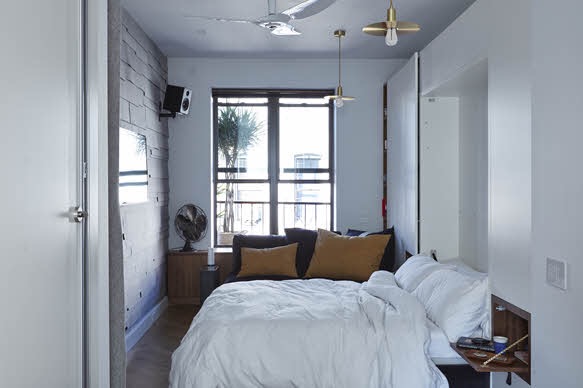
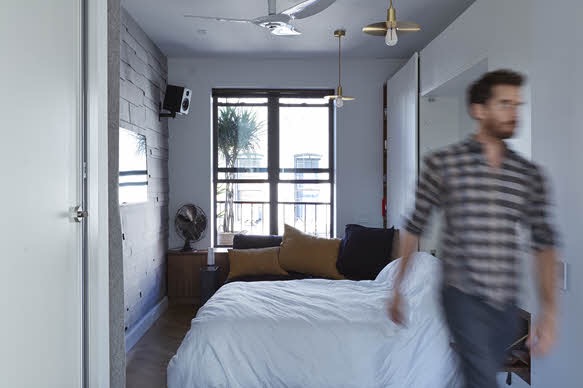
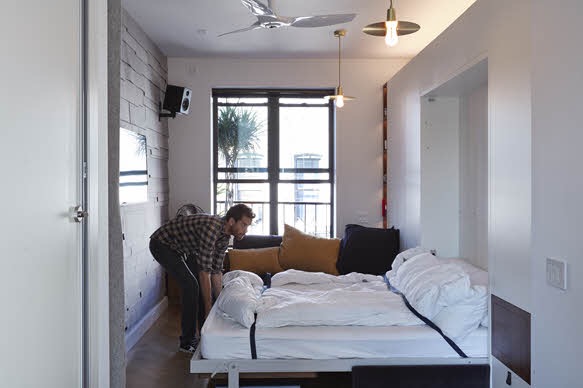
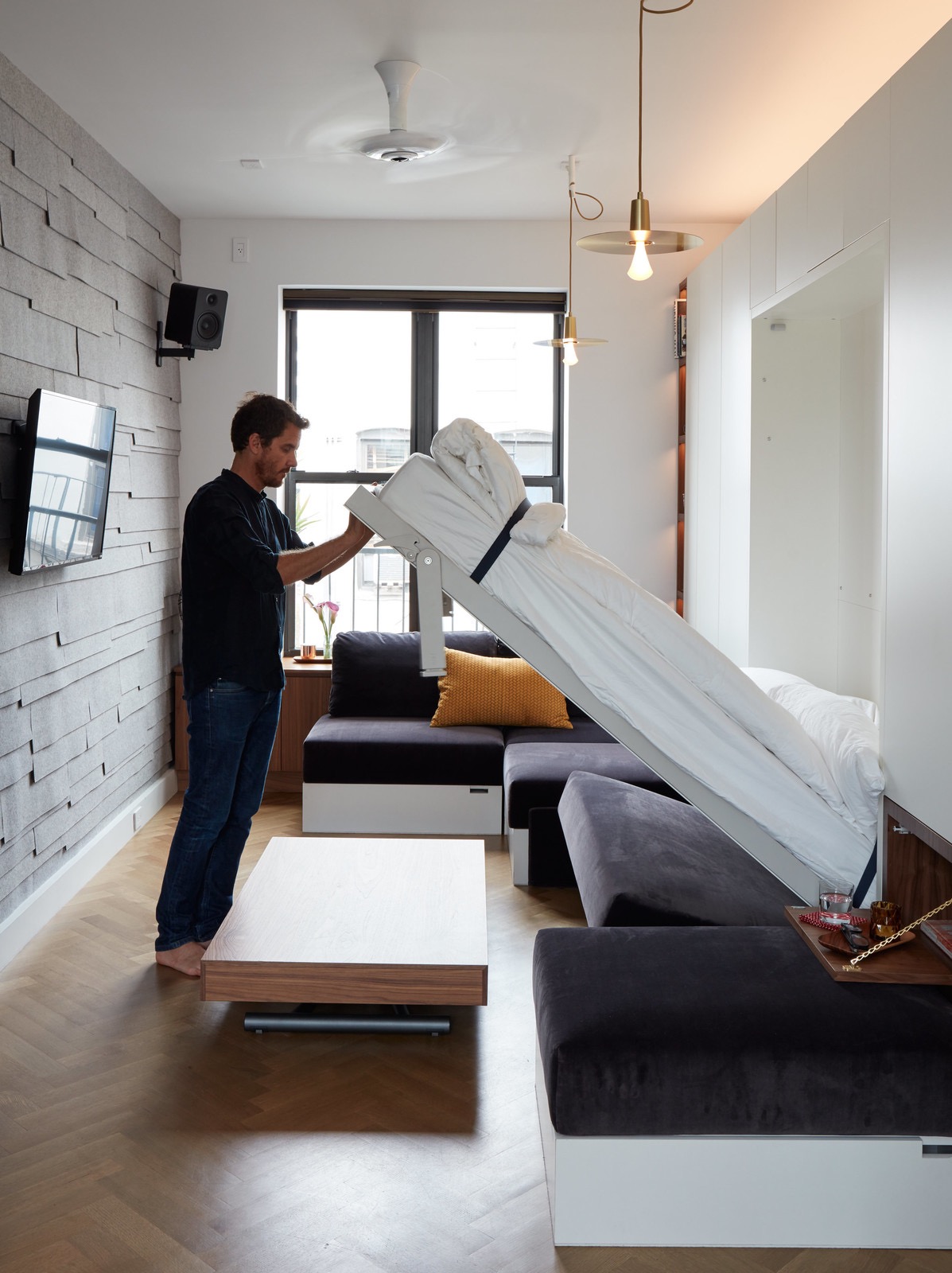
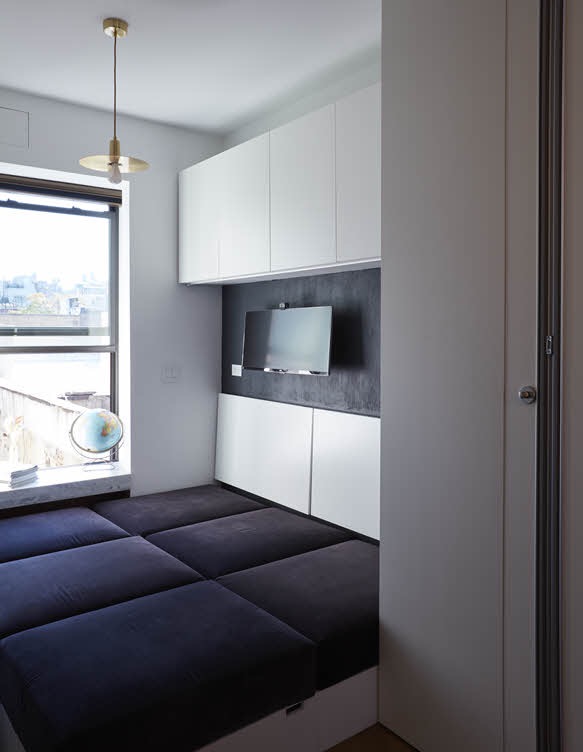
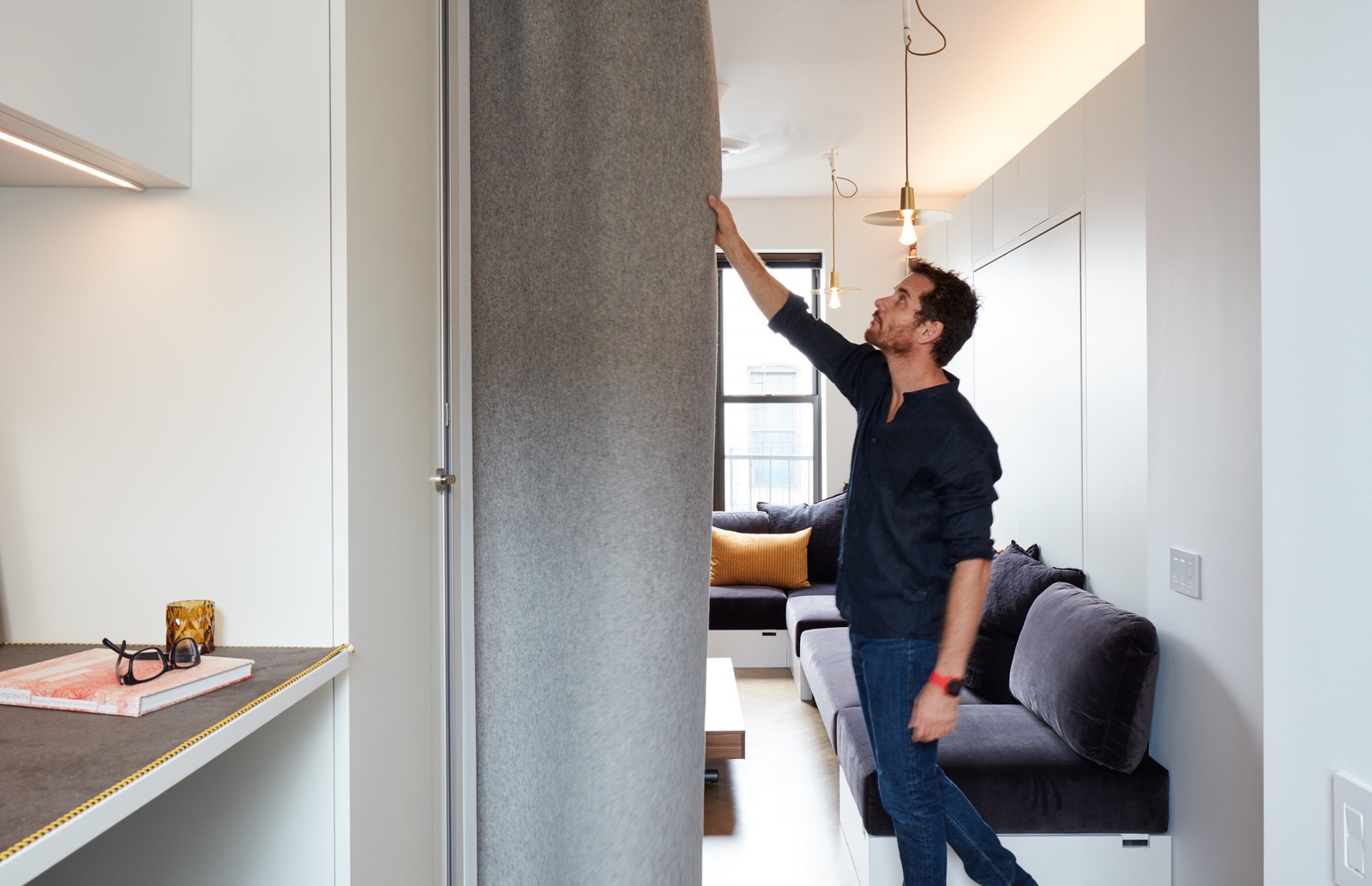
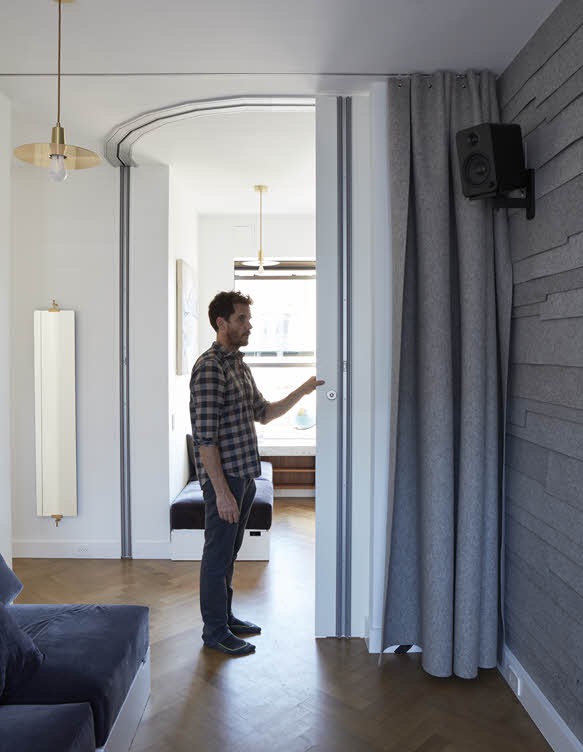
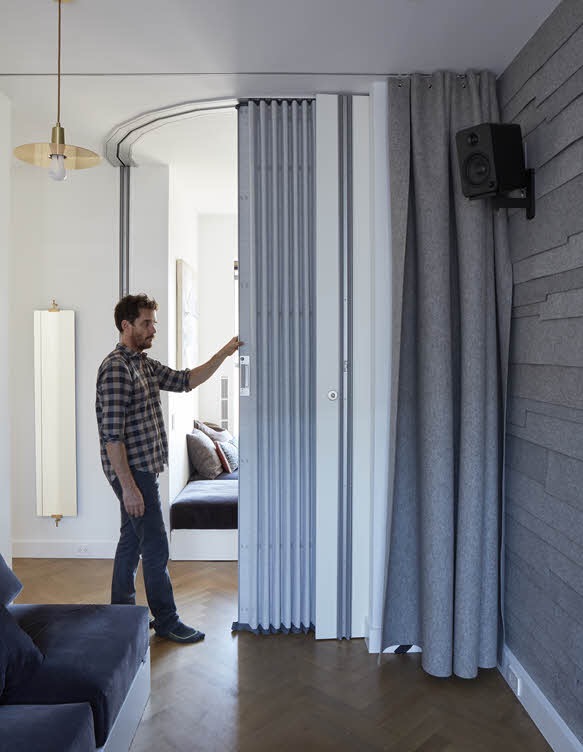
LifeEdited’s Design Service for Homeowners

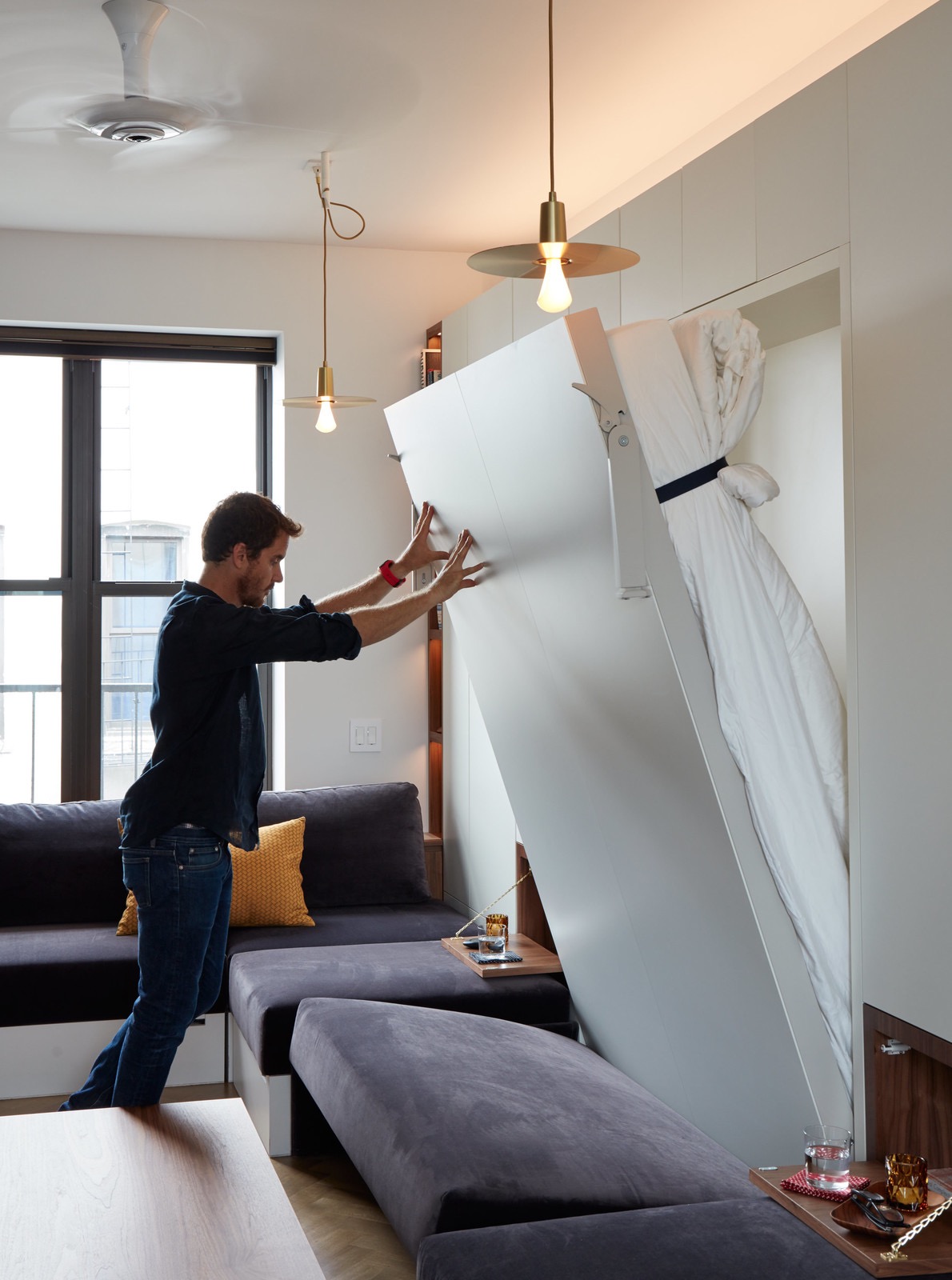
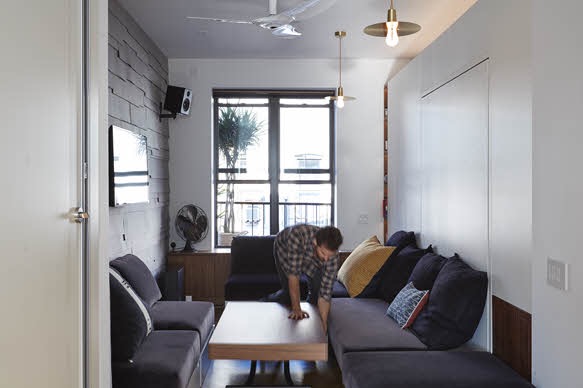
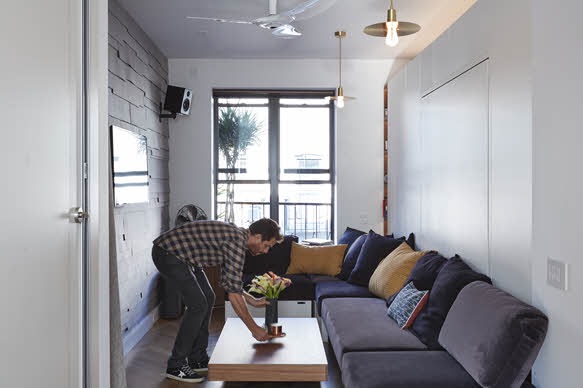
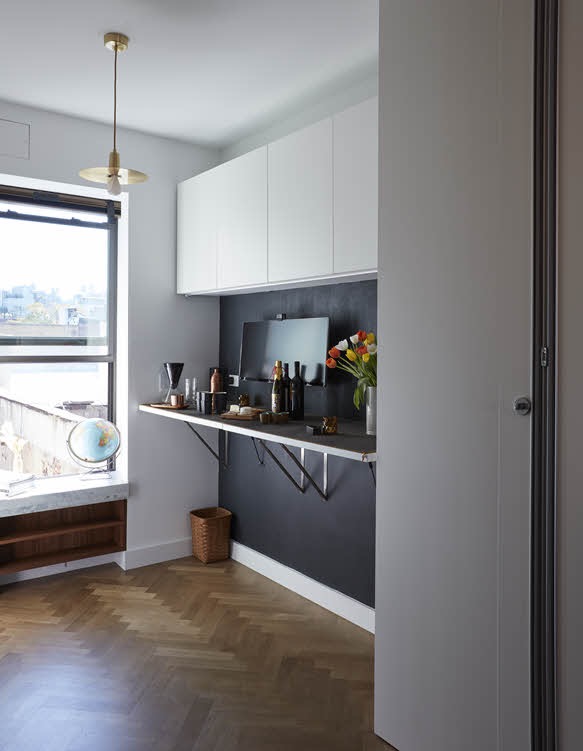
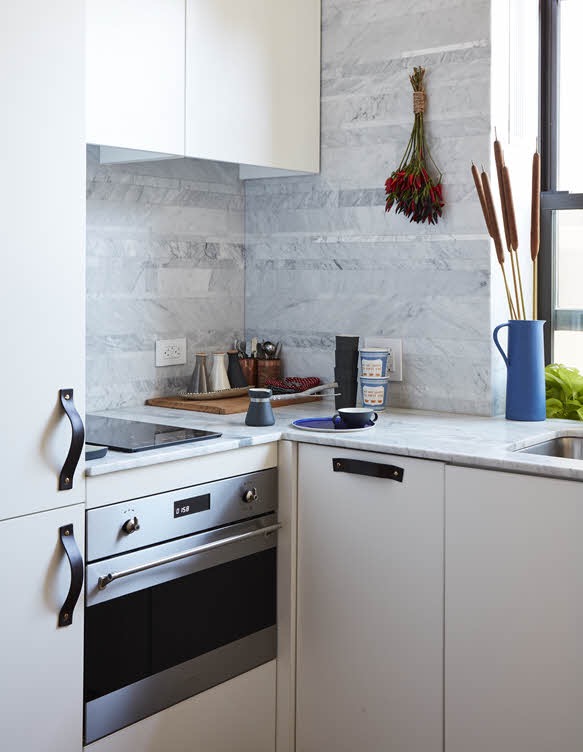
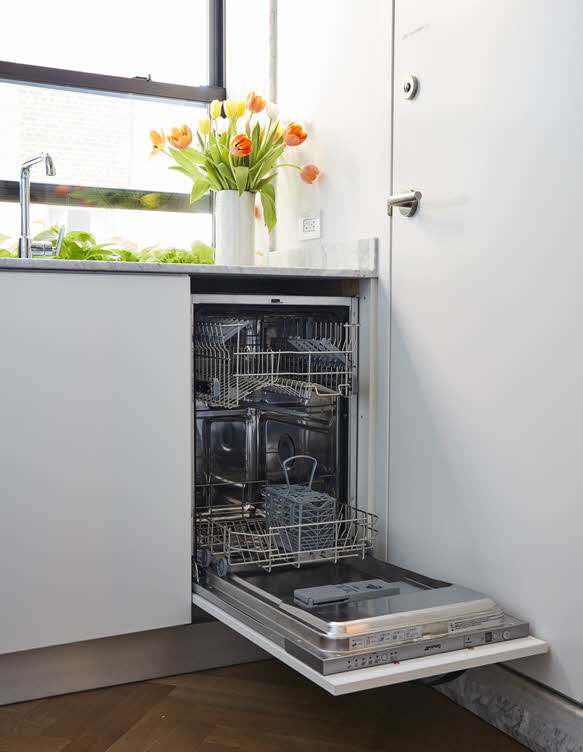
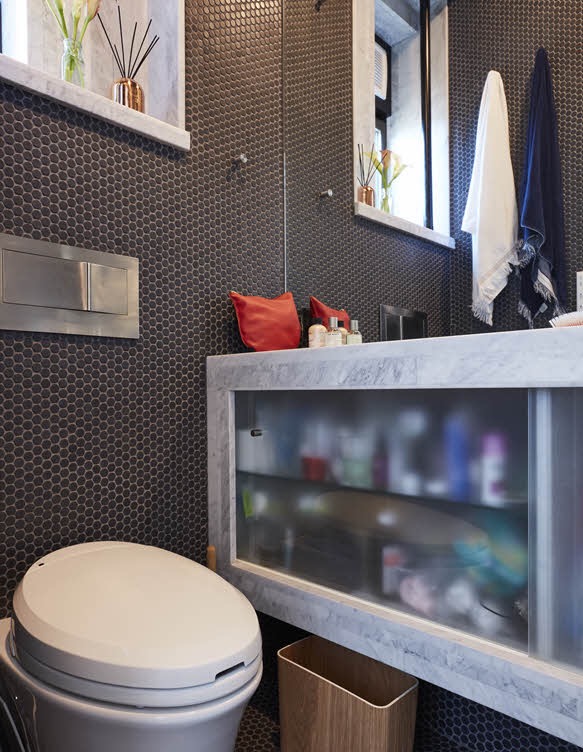
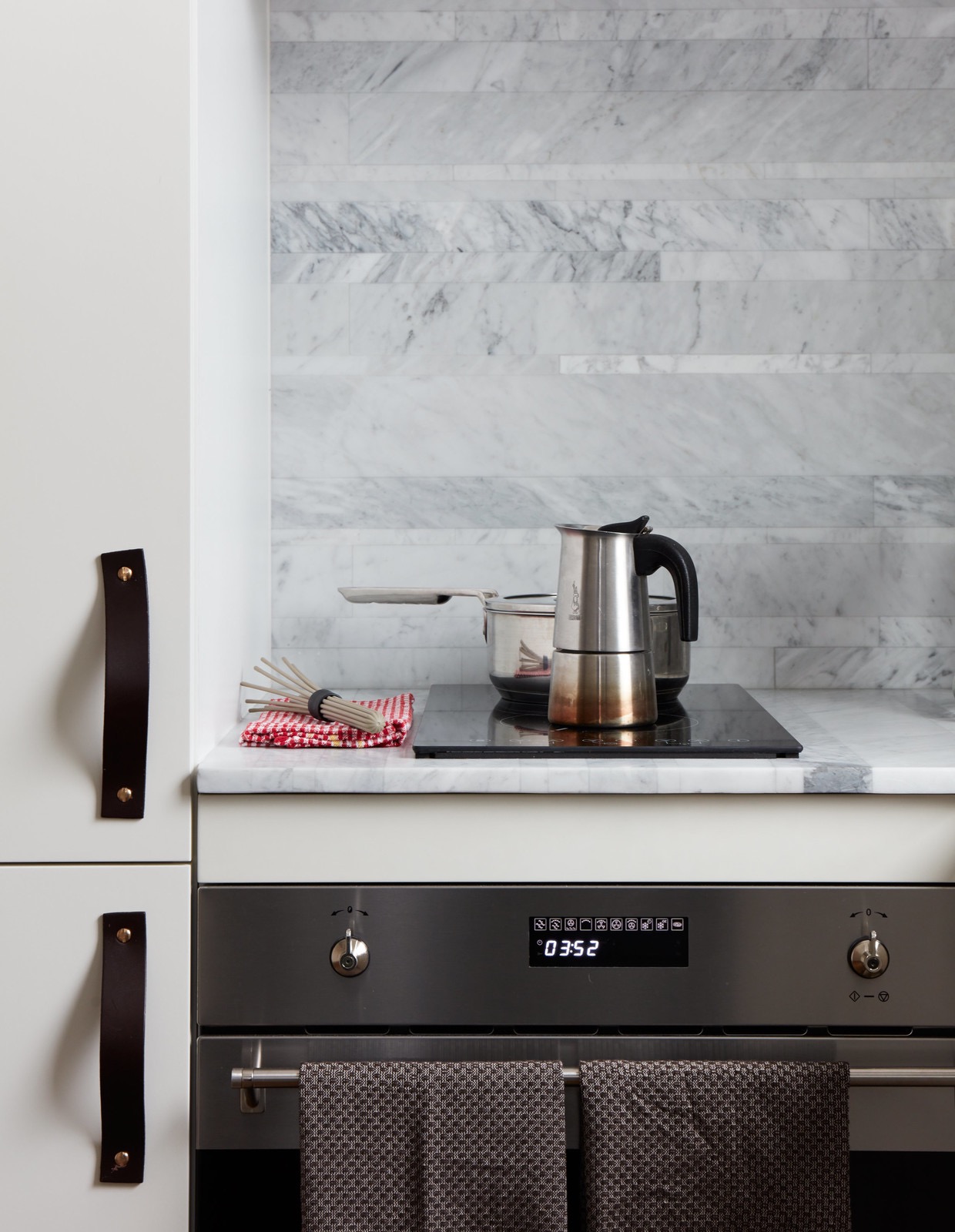
LifeEdited now offers a design consulting service specifically for homeowners that are remodeling or building new!

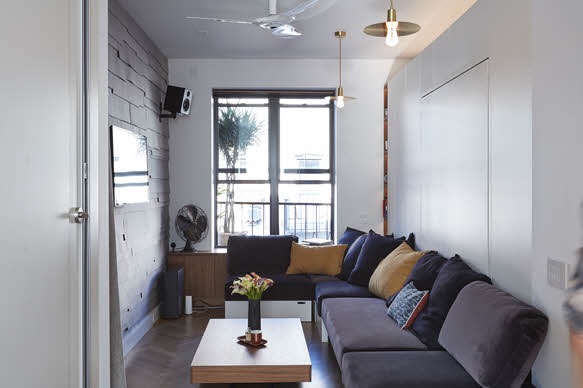
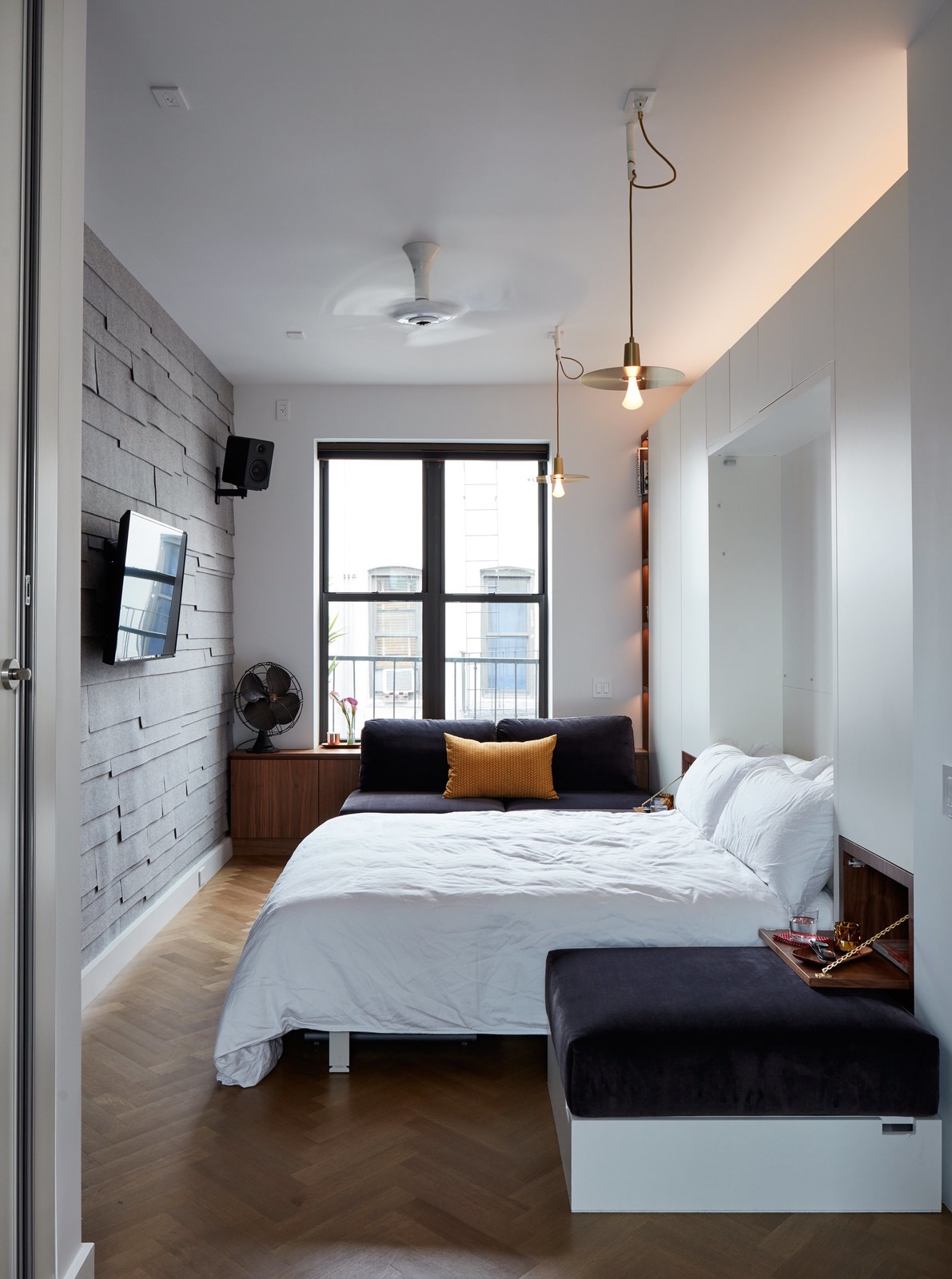
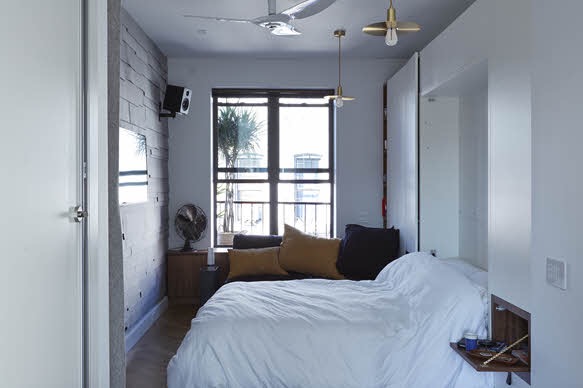
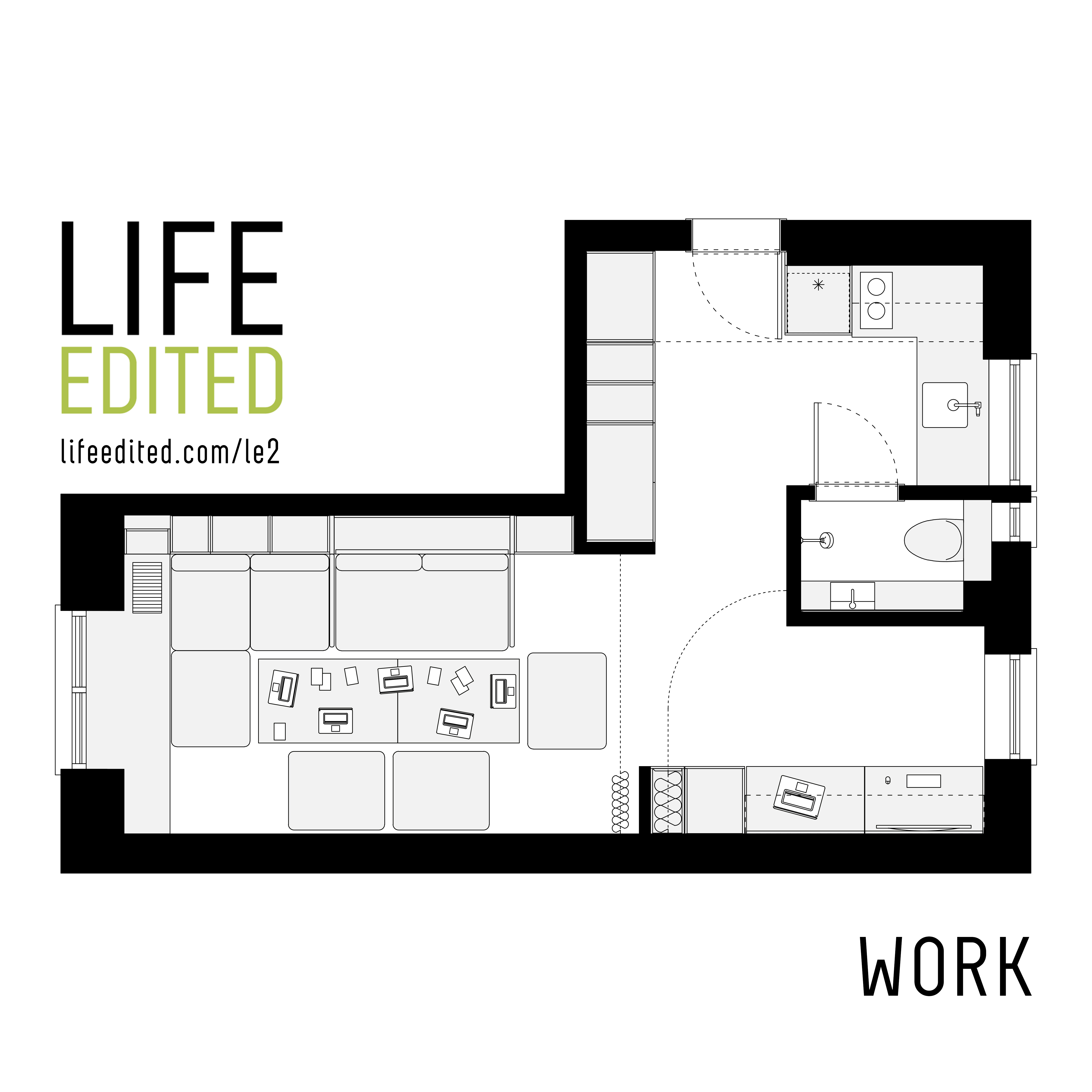
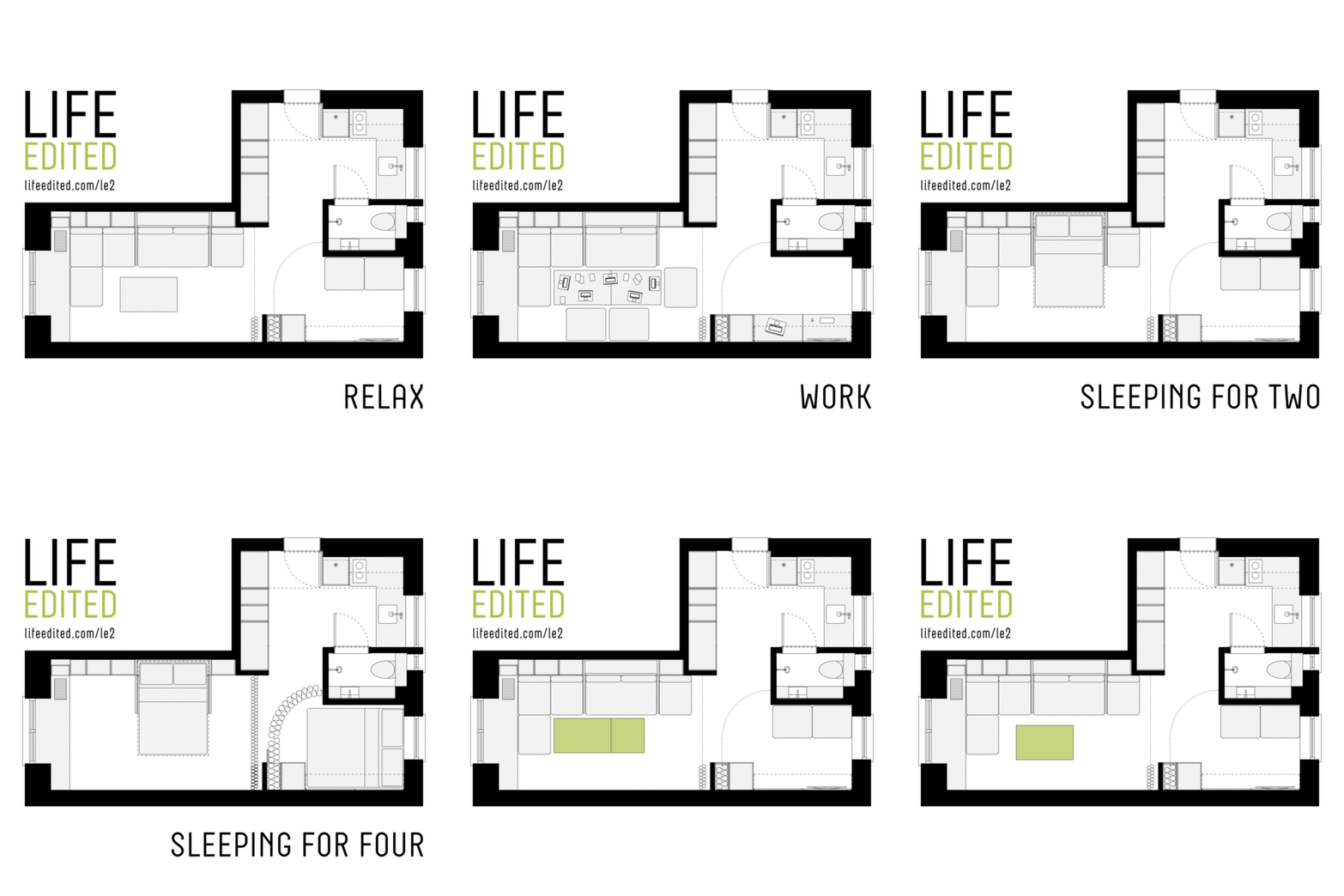
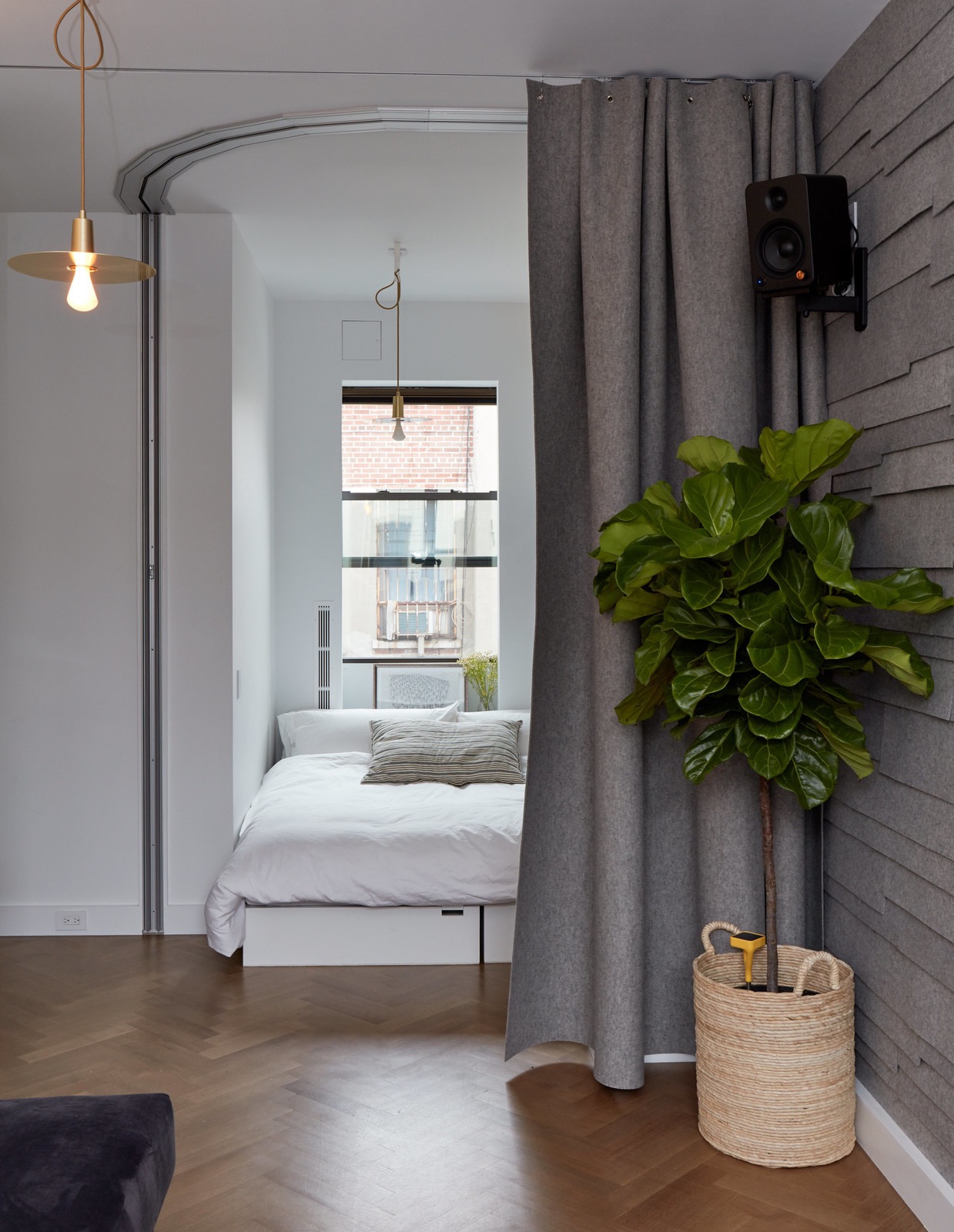
Since inception, our focus has been on space efficient green design. You have probably seen some of our projects over years: a 350sft apartment that sleeps four comfortably, a 420sft apartment that can easily host a dinner party for 12, and a 1,000sft home where a family of six can live in off-grid comfort. Our consulting service rapidly applies that accumulated design knowledge to your project. In industry terms, we are a specialty consultant. That means that we work with you and eventually with your architect. You may have seen some of our work in the New York Times, Dwell, Fast Company, New Yorker, Fair Companies.


To learn more: LifeEdited for Homeowners

Are you a real estate developer or architect? We also have services for you: LifeEdited for Developers and Architects.

Want to know more? Subscribe to our newsletter, follow us on Instagram, Facebook, and Twitter. Interested in renting or owning LifeEdited Maui or the LE2 apartment in NYC? Please contact us.

LifeEdited Maui: A Quick Update

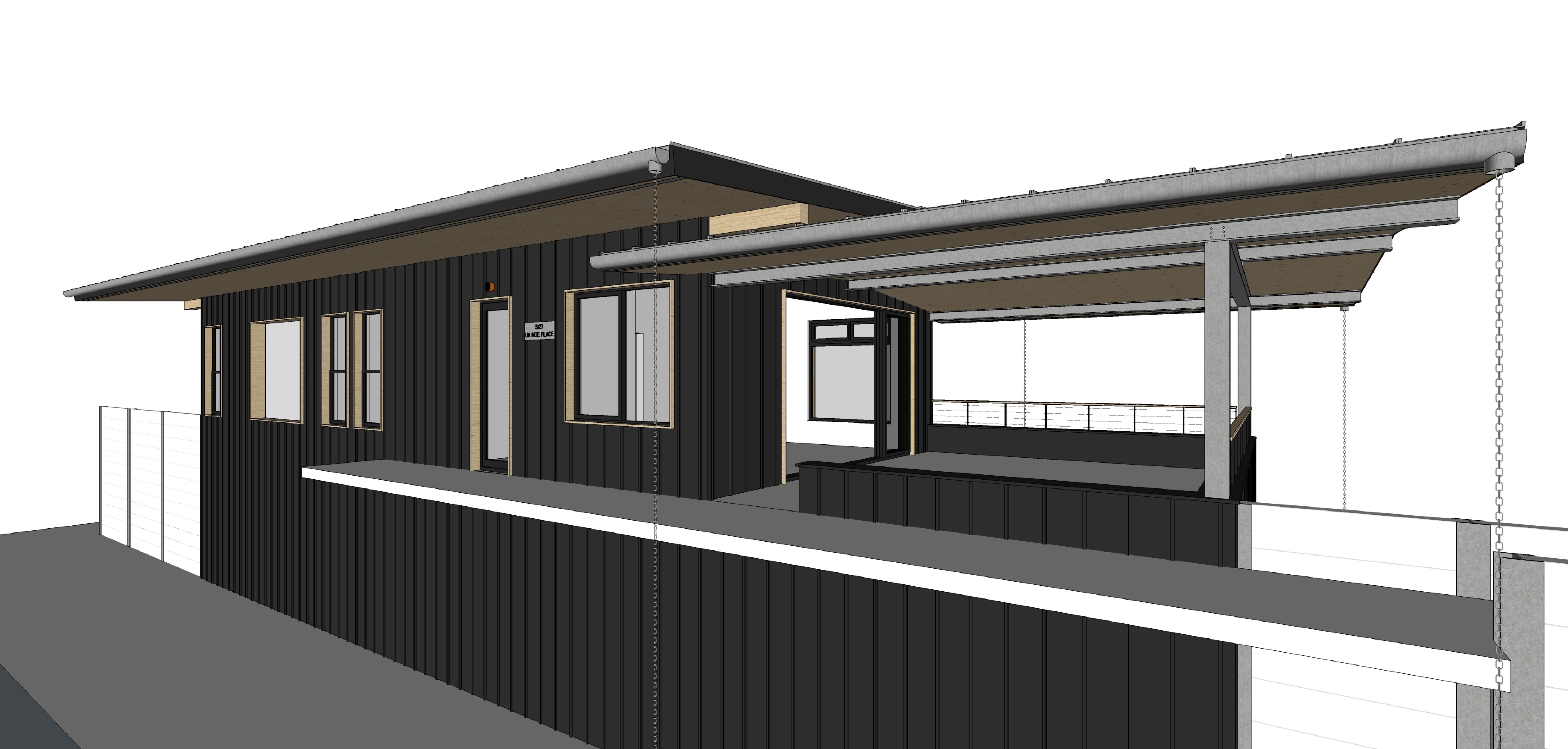
As we near the end of summer we’d like to provide you all with the first glimpses of our newest project, LifeEdited Maui. LifeEdited’s CEO, Graham Hill is currently on location in Hawaii overseeing the build. For the month of September we’ll be showing you the process of how we are designing our eco compound. As October rolls around, our construction updates will be in real time leading up to the big unveiling.

Site preparation

The goal of LifeEdited Maui is to build an off-grid, low impact, luxurious, space-efficient four bedroom house in 1000 sq ft. LifeEdited Maui is about finding the most innovative answers about how the future will live. We are presenting a version of the future that is sustainable, resilient and, frankly, awesome.

We believe in self sufficiency and tasty food, so we have already planted 30 different kinds of edible plants including bananas, mangos, and papayas. Our long term vision includes this fruit orchard, raised garden beds, some purely endemic Hawaii acreage as well as creating nurturing habitat for birds, bees and other local fauna. Walking paths, benches, hammocks and agriculture structures around the property will encourage engagement and connection with nature.

As the building process approaches completion, the applications of transforming design as exemplified from our previous projects will also take shape in LifeEdited Maui. Beds that fold into walls, tables that expand, rooms that do double and triple duty—serving to maximize available area for this live work space.

One of the guiding principles behind LifeEdited Maui is to have as light of a footprint on the environment as possible while still building homes that don’t make compromises in form or function.

Wood frame coming together

Stay tuned to our social media and newsletter for more updates!

Introducing LifeEdited: Maui

It’s been years since we revealed the first LifeEdited Apartment (LE1) in New York City. It was both design laboratory and CEO Graham Hill’s personal apartment. But as some might know, Graham splits his year between NYC and Maui, initially due to a kite surf addiction. A few years ago he bought a 2.2 acre piece of land in Maui with the intention of one day designing and building a home that incorporated many of the same ideas that informed LE1. That one day is today. LifeEdited is building a mini compound, calling it, appropriately enough, LifeEdited: Maui (LEM). The home will showcase the best design and technological ideas for high quality, low impact living. 

Thus far, LifeEdited has mostly been an urban tale. Doing more with less is a necessity in the city. In Maui, we have a 1000 square foot max of what we are allowed to build…so the beauty is that we are making a four bedroom, 2.5 bath with that space where all the bedrooms transform to other uses during the day. We created a program (subject to some change) that reflects how the project can achieve this aim. We want to maximize use and experience while minimizing impact. Here’s what we came up with:   

  • Making the main house under 1000 square feet. We don’t want to encroach on the land any more than we have to.
  • Employ transforming design and exploit outdoor space as much as possible. We want to make the space we have do as much as possible.
  • Make it off-grid and net zero or even net positive. We will use solar power, water catchment systems, composting toilets, etc.
  • Employ smart home tech to improve user experience and reduce energy consumption.
  • Employ electric vehicles such as bikes, trikes, cars that will be charged with power generated by on site solar.
  • Employ agriscaping, taking advantage of the fertile soil to grow food on the property.
  • A water catchment reservoir.
  • Use carbon offsets to mitigate one of the project’s biggest energy sinks: airline travel.

An hour long TV show about the project will air on the DIY Network later this year (and likely on HGTV). And we will be giving regular updates on this site and social media. We will be reaching out to press and various influencers on our mission to spread the less is more gospel!

Tour LifeEdited Designer Catalin Sandu’s New Home

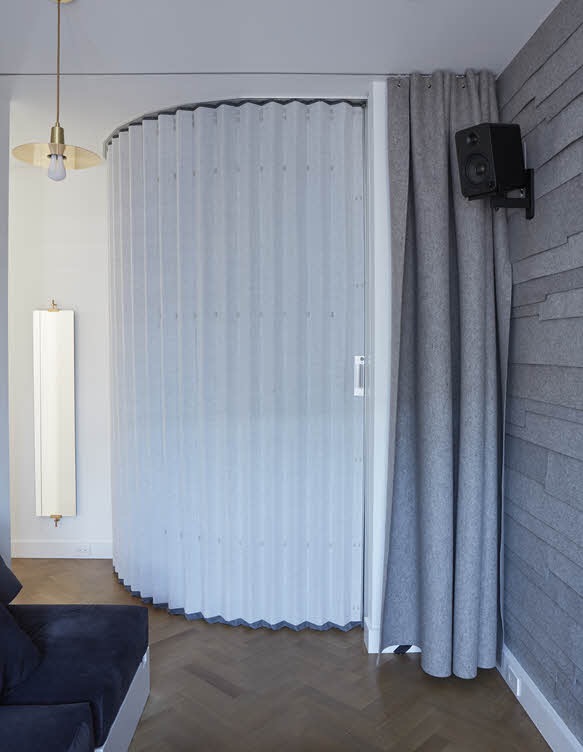
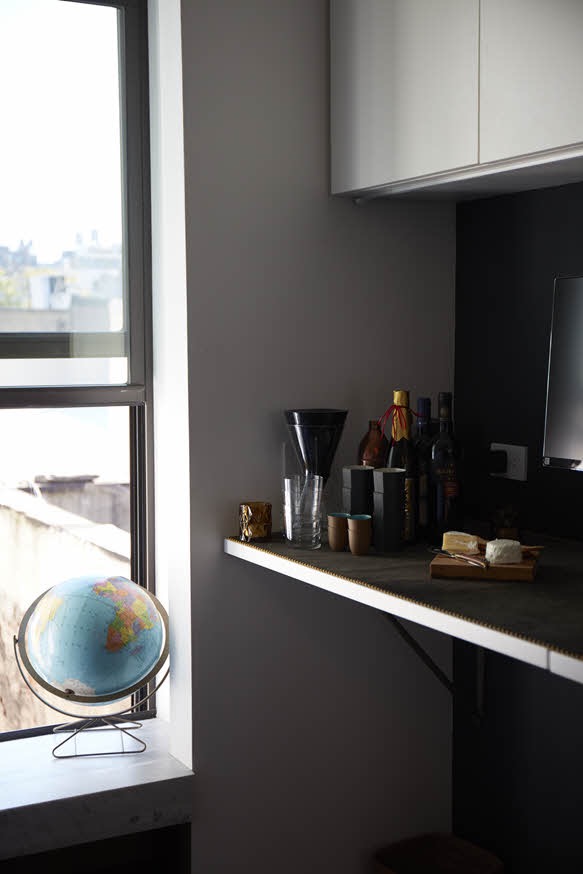
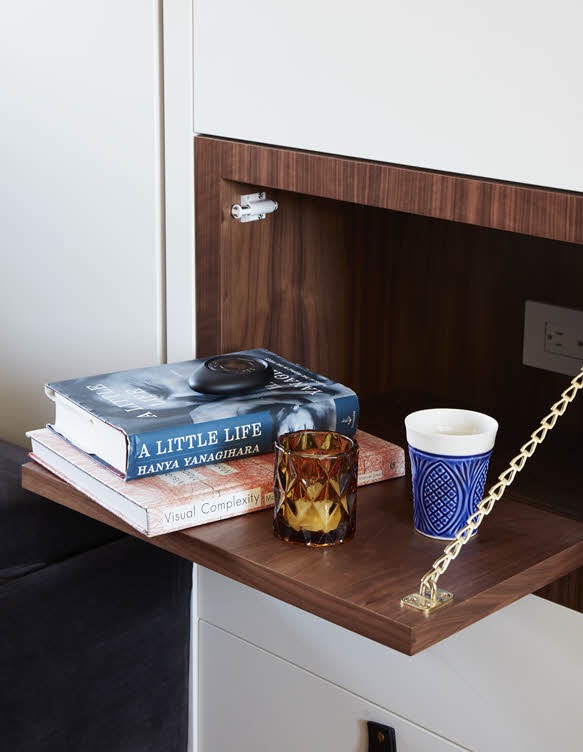
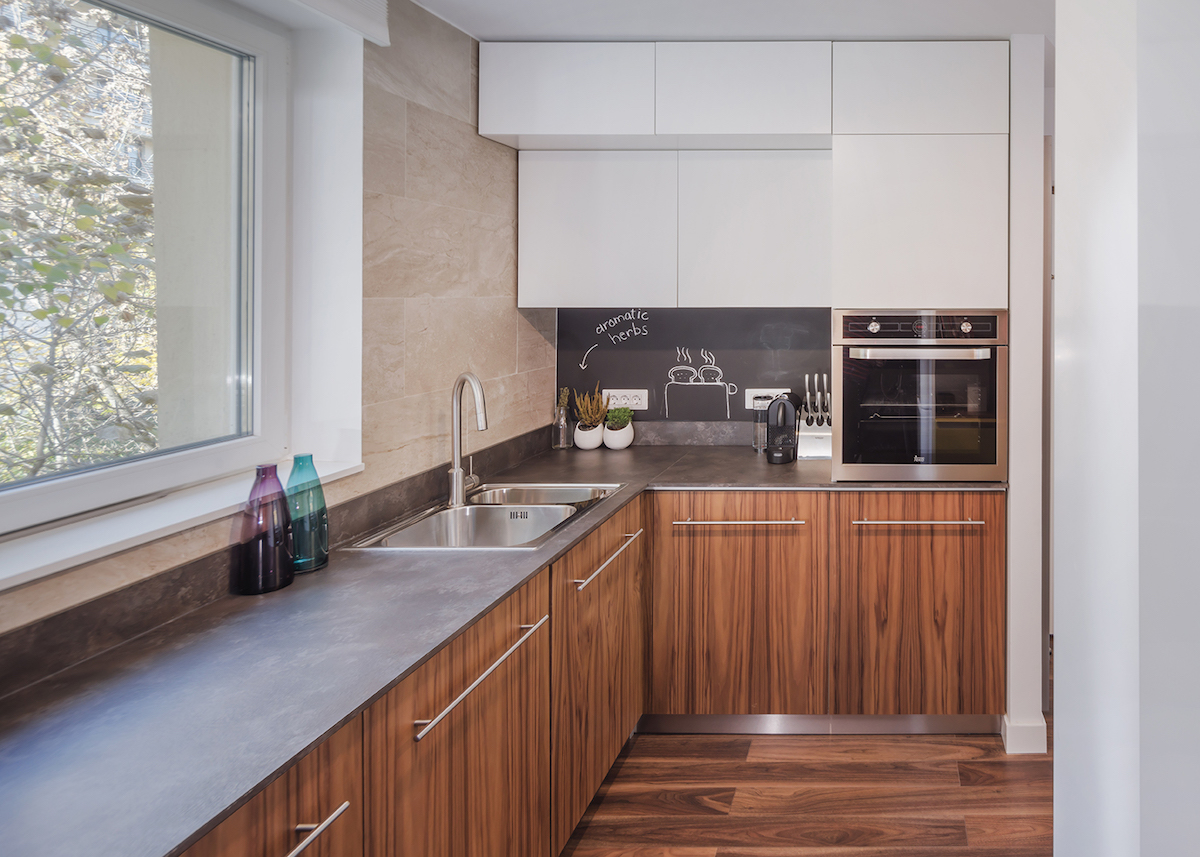
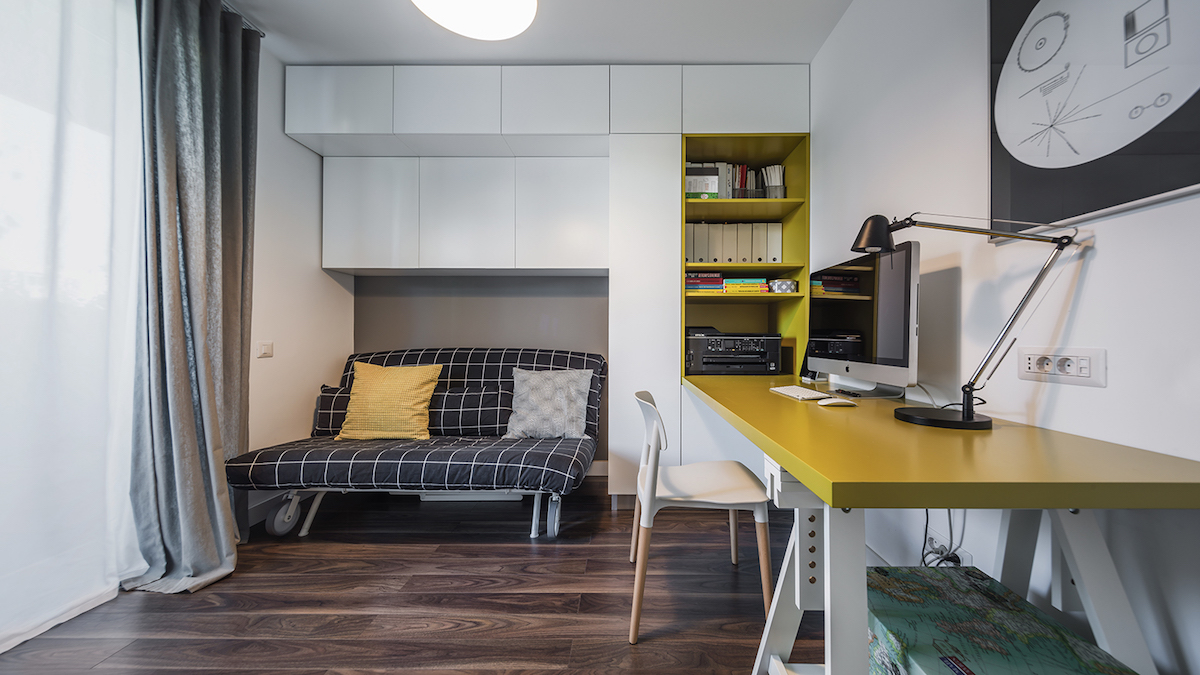
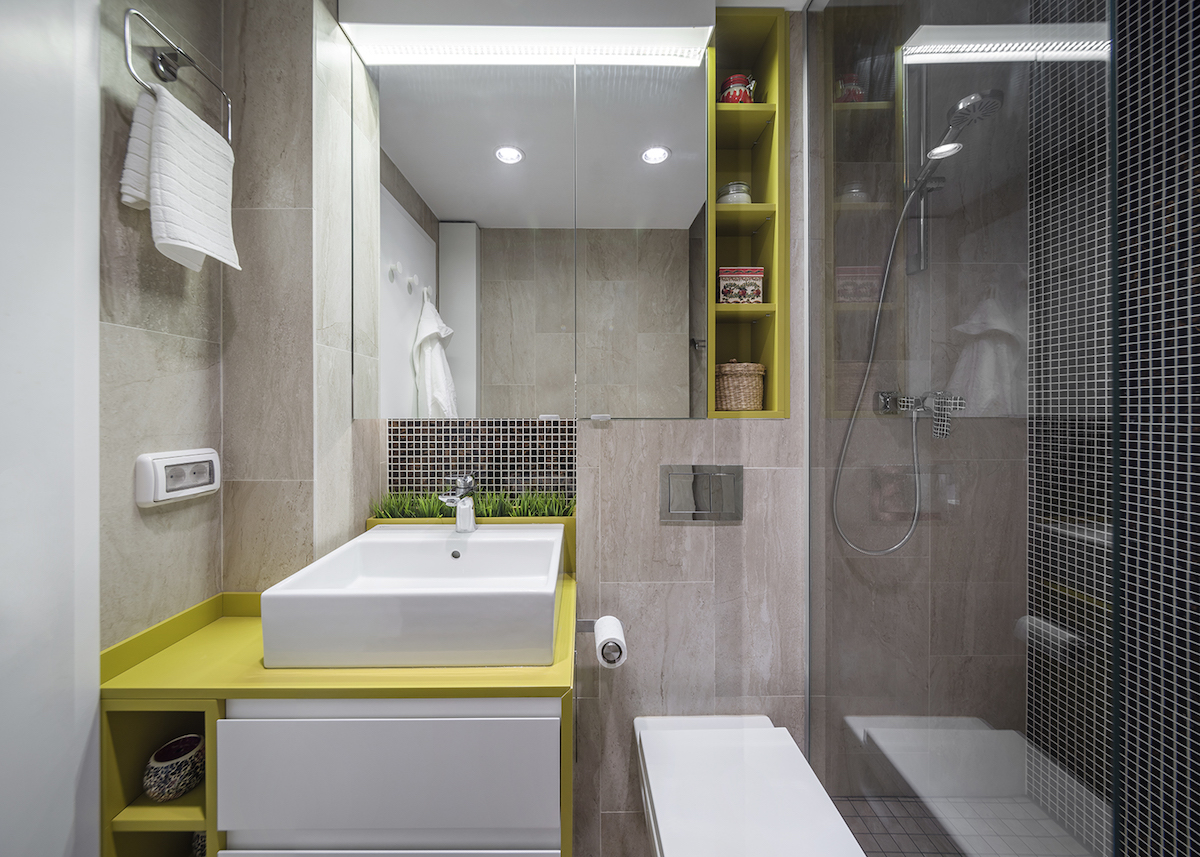
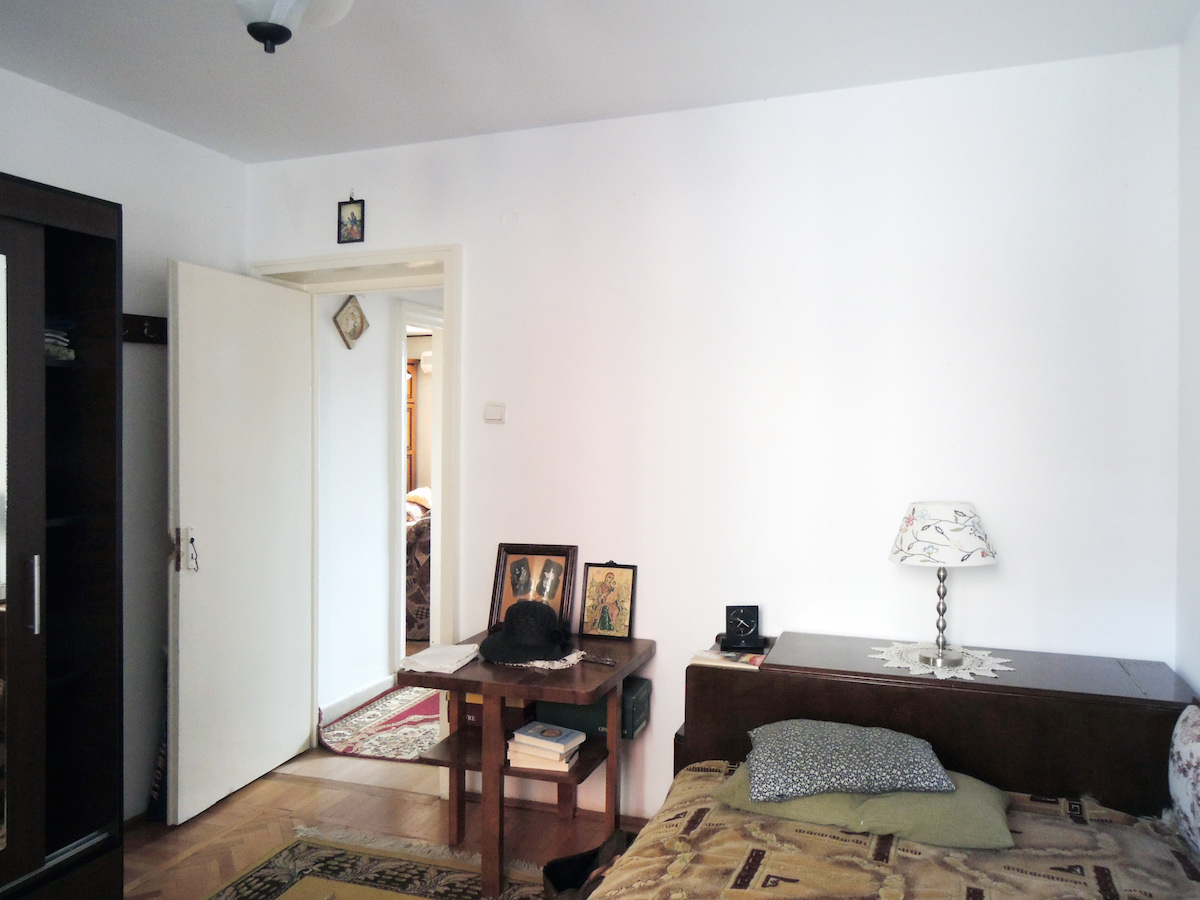
In 2011, LifeEdited founder Graham Hill put out a challenge to design his 420 sq ft New York studio. He established an intimidating design brief: he wanted it to accommodate sit-down dinners for 12, have comfortable lounging for eight, space for two guests with some visual and auditory privacy, a home office and a hideable kitchen. Almost 300 entries from all over the world were submitted. The winning design came from two Romanian architecture students, Catalin Sandu and Adrian Iancu. Their design met all of the brief’s requirements and did so in a sleek, timeless package. Following the competition, Catalin went on to work with LifeEdited, eventually becoming our lead designer. As seems to be the LifeEdited way, Catalin has brought his work home with him. He not only designs great small spaces, but now lives in one. He recently completed a full renovation of the Bucharest home he shares with his girlfriend and dog.

I shot Catalin a few questions about the apartment and how it came together.

David Friedlander: What would you say your overall style is?

Catalin Sandu: I can’t really define it other than saying that I think I’m much more focused on efficiency rather than aesthetics of a design. And even though I always try not to neglect aesthetics, I never design something just for the looks of it.

I was able to get a sense of how to make the space efficient by living in an identical unit across the street for about a year and a half before actually buying and starting the renovation of my current apartment. We love the area and were keen on finding an apartment for sale in those buildings. Living in a similar apartment gave me a lot of time to think about how to actually design it and how to get the most out of the space.

DF: How has your experience working at LifeEdited informed how you designed your home?

CS: Working at LifeEdited had a huge influence on how the layout was designed. Having previously done efficient designs for LifeEdited helped me to get to an un-cluttered layout.

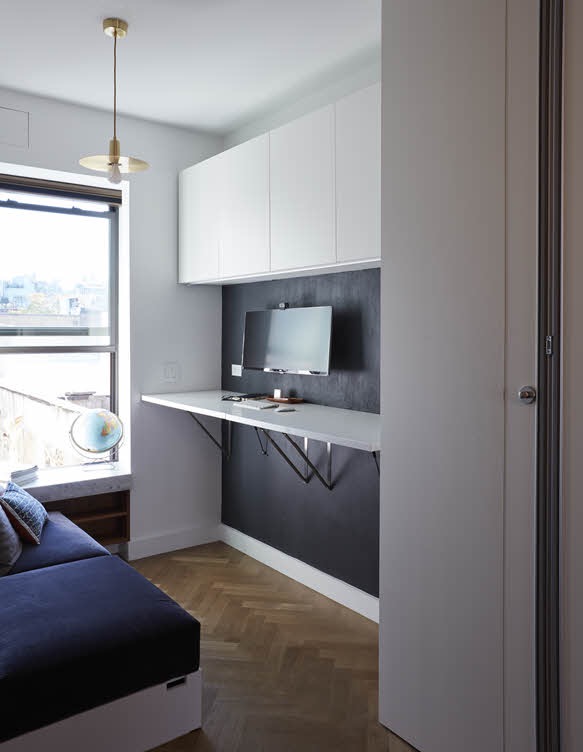
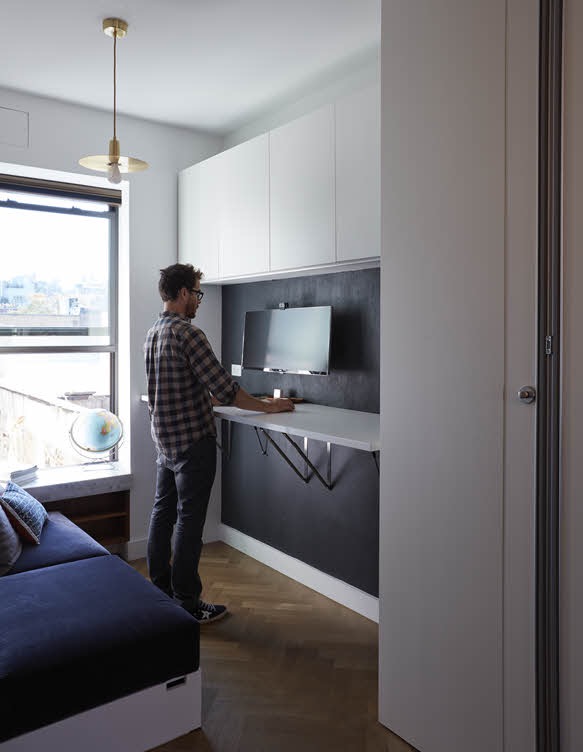
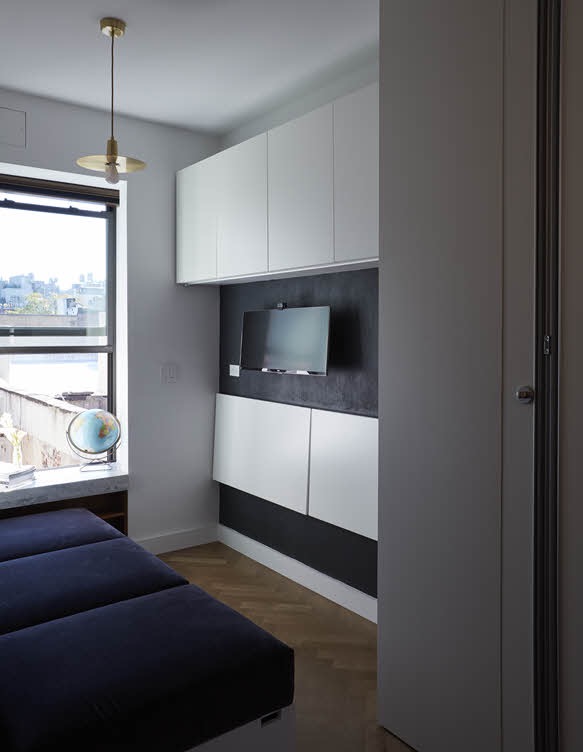
Even though the rooms themselves are not as transforming as in other LifeEdited projects, the home office room, for example, can be adaptable over time: it has more storage than needed for an office so if we ever have a child, the sofa will go away and the space can be used for a crib. After the crib is no longer needed, a folding bunk bed can be placed there by removing the the shallow cabinets right above the sofa.

DF: What’s your favorite part of of the apartment?

CS: I really like the living area, as it is very social. Even though I have a pretty generous desk in the office room, most of the time I actually work at the dining table or on the window seat. I also like the bedroom which is pretty small but feels just right and cozy.

DF: What part of the design are you most proud of?

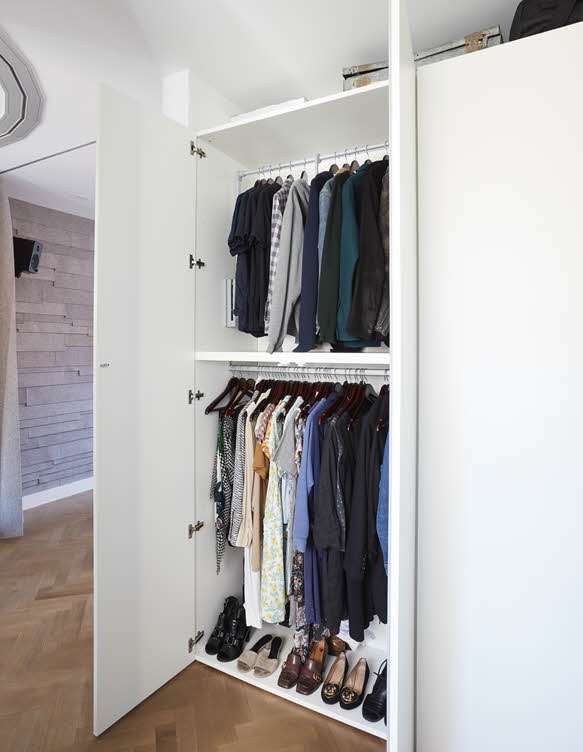
CS: I’m most proud of the fact that we were able to fit so much functionality and storage capacity in such a small space. It’s a 2BR unit and just 590 sq ft (excluding the balcony) and it has a fully equipped kitchen with dishwasher and washer/dryer, a dining table for 12 [when the table is fully extended, not shown in pictures] and guest sleeping for four people.

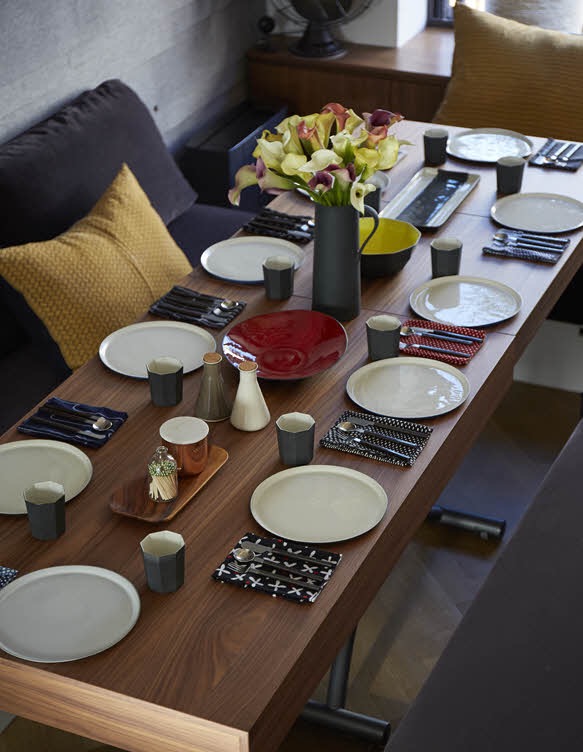
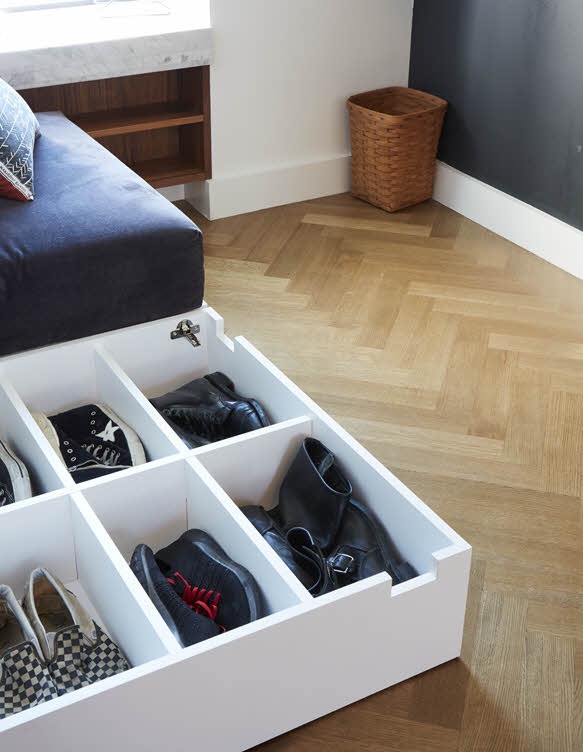
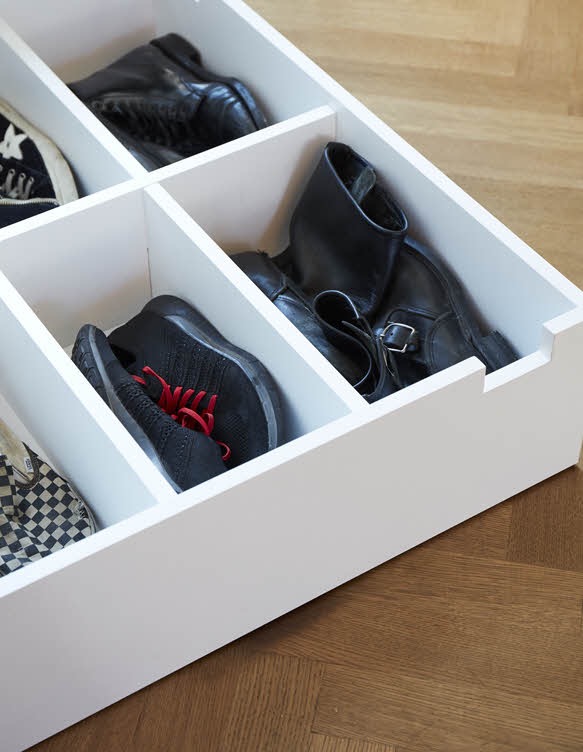
I’m also proud of the window seat. It nicely hides the radiator and AC unit, while providing dining seats for 5-6 people and packing a lot of storage area underneath.

Another part I like is the unusual “cube” bookcase that partially separates the living room from the kitchen. It is not only made for aesthetic reasons but it also hides a rather big stack of pipes that run from the building’s roof to the basement. We wrapped the L-shaped bookcase around two of the stack’s sides.

DF: How long did the buildout take?

CS: The total renovation took about six months. We first saw the apartment in late 2014, bought it in January 2015. Renovation began in March, right after I got most of the permits, and by August the place was about 95% complete with some finishing touches and cabinet doors left to install.

DF: Was it a full gut renovation?

CS: Yes, the place was a mess. At first, the contractor wanted to save some money by keeping the existing plaster on the brick walls as it looked fine. But after they exposed the two walls that were going to be left intentionally exposed, we realized the rest of the plaster could not be kept as it was too sandy and falling off by itself.

Model

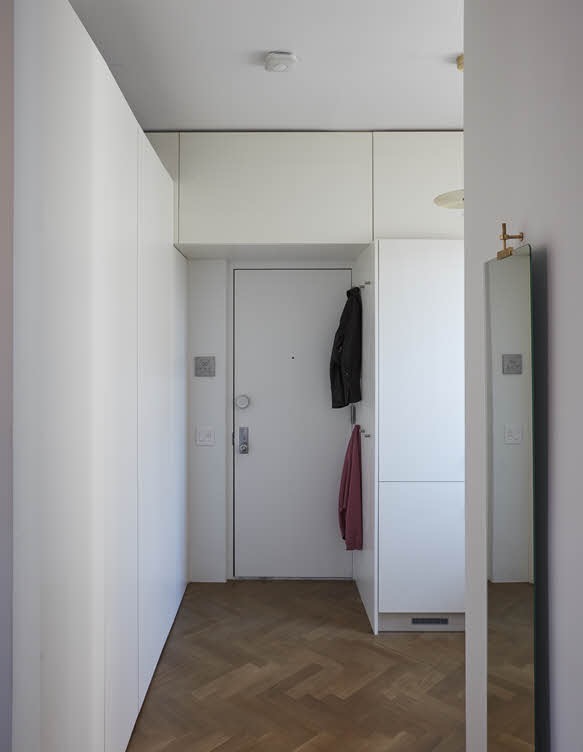
The apartment building was built in 1960, with most of the walls made of load bearing brick. The only partition walls (made also of brick) were separating the kitchen from the initial living room area, creating an entry hall and two walk-in closets. We removed everything that wasn’t structural and got a much larger space living area.

So everything was taken out: floors, subfloors, tiles, electrical, water pipes etc.

DF: How much did it cost?

CS: The whole reno (including custom and off-the-shelf furniture) was about €30K [US$31K] but it is important to mention that I got some pretty good deals on just about everything. The general contractor and the custom furniture teams were part of the same company and I was able to get some deals by doing everything with them.

If it wasn’t for the discounts, I think it would have jumped over €35K.

Photo credit: Cosmin Dragomir

The Hills are Alive with the Sound of Innovation

Started in 2008, Summit Series has established itself as one of the world’s premier events focusing on entrepreneurship, addressing global issues and support artistic achievement. Past speakers include Richard Branson, Bill Clinton and Tony Hsieh. Summit Series is known for its amazing settings; past series have been held in such places as a ship cruising the Bahamas and Squaw Valley.

powdermountain

In 2013, Summit, the company who runs the series, partnered with venture capitalist Greg Mauro to purchase Power Mountain, America’s largest ski area, located in Eden, Utah. The intention was to create a permanent home built around the ethos that their community and organization had come to embody and promote. In an effort to create this home, called Summit Powder Mountain, they are developing a village along with a sustainable residential community–think of a smaller version of Telluride. Mauro, now Chairman of Summit Powder Mountain, commented, “We wanted to stop the ‘McMansionization’ of mountain towns that has reached absurd levels–48,000 sq ft houses in some areas–and focus on smaller homes and cabins that preserve the national park feel that exists here. So we limited the number and size of our largest mountain homes to 500 units with a maximum size of 4500 sq ft above ground respectively, and are complementing these with small cabins from 360 to 1500 sq ft.” Working in conjunction with Summit’s architects, LifeEdited was called upon to conceive some of these cabin residences.

INT04INT02

While the terms “compact” and “ski lodge” tend to be mutually exclusive, that’s exactly what we’ve done with the Overlook 360 design. The unit is a split level studio-style dwelling with a main room containing the kitchen, dining area and lounge. With the help of a hiding wall bed/sofa, the living room turns into the master bedroom at night. Above the main room is a loft area, creating an alternative place to hang out. Overlook 360 uses large windows and simple materials to keep the interior bright and open. Built-in storage, the transforming bed and minimal furniture make the space feel larger than its small footprint might suggest. There is a large deck and green roof to exploit and blend into the area’s amazing natural beauty.  

EXT02

One of Powder Mountain’s design objectives is to make its architecture “subservient to the natural landscape,” and one of the easiest ways of doing that is to make the architecture smaller–less home equals more natural habitat. Additionally, Overlook 360 will neither be connected by roads nor have parking spots connected to the cabins. Parking will be in nearby “parking barns” and everything will be accessed via a network of paths. By doing this, the homes will enhance their natural settings and possess a retreat-like quality to the district they inhabit.

Overlook 360, as well as multiple neighborhoods and districts will be developed in the next couple years. For more information, visit Summit Powder Mountain’s website.

Image © LifeEdited 2015

LifeEdited Family-Style (Part 2 of 2)

[If you didn’t read Part 1, find it here]

Moving into the place required a lot of removal. Prior to the small 500 sq ft Brooklyn place mentioned before, we were in a 1200 sq ft one. When we moved out of the 1200 sq ft space, our stuff was split between the 500 sq ft apartment and a 500 sq ft studio with a big storage loft that my wife kept for work (you follow?). All of this stuff was transferred to our upstate place. Our possessions included two 8′ dining tables, six large dressers (one was about 8′ wide), six Eames fiberglass dining chairs, a daybed, a large sofa, two lounge chairs, a drafting table, two filing cabinets, a 6′ credenza, a couple stools, an 8′ H x 4′ W bookshelf, two taxidermied birds with glass covers, and much, much more. Our upstate place swallowed all of this stuff handily; in fact the place looked pretty spare. But our new place–less than half the size–would be much different.

Based on the original LifeEdited apartment, we knew we wanted most of the furniture to be built-in, because we not only wanted the space to work, but we didn’t want the place to feel overstuffed. Most of our furniture, save for a few pieces, was not appropriate for the space. We used the maxim that we had to “fit our stuff to the space, rather space to stuff.” In other words, if we had waited for a home that housed two dining room tables, we would have never found anything. Long before we found our new place, we had spent several months selling or giving away the majority of our possessions (we knew whatever we were going to find would be smaller than our previous places). Some of this process I documented on this site.

We really thought the home would make a great demonstration of the LifeEdited design ideas, incorporating less, but better stuff and making rooms do double or triple duty. It’d also contain a kid or two; the absence of kids being one of the chief criticisms made against the micro-movement. We tore the place down to the beams and were basically limited only by plumbing and sewage stacks, money and patience (the latter two ran critically thin by the end of the five month process).
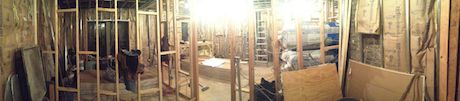
BEAMS

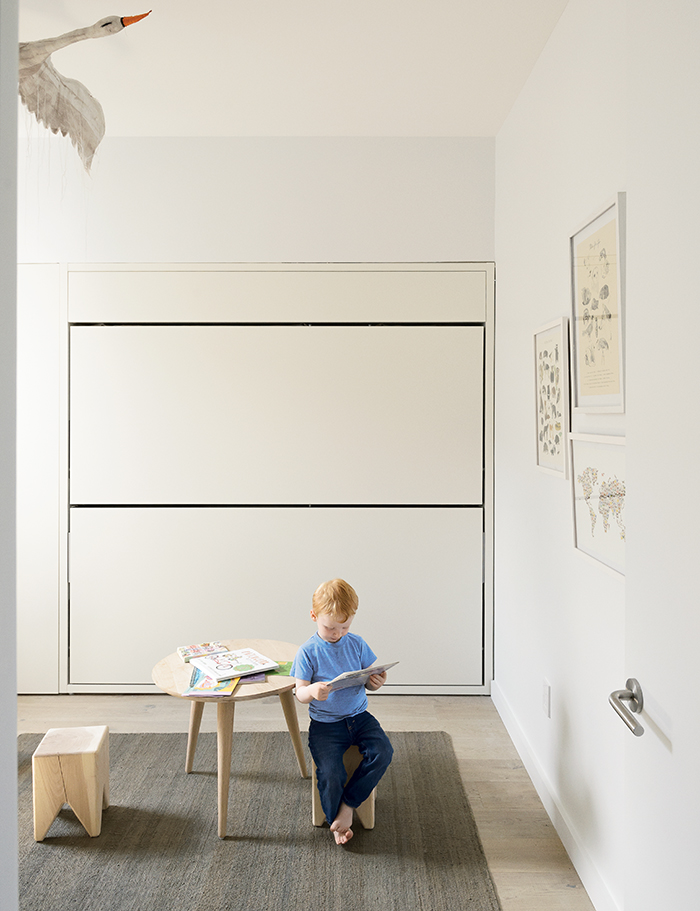
Probably the most essential part of realizing our design goals were the beds. We built our rooms around the Penelope queen wall bed and the Lollipop IN wall bunk beds, both from Resource Furniture. This allowed us to turn the master bedroom into my office during the day and greatly expand the play area in the kids’ 100 sq ft bedroom (we already had one child and were planning a second, who is due in December).

master-bed-before-afterfinn-room-before-after

For storage, we removed an existing closet and a nonfunctioning dumbwaiter in the front hallway (actually, the only hallway) and replaced them with an 8′ wide bank of floor-to-ceiling closets. We also had some matching cabinet units from Resource Furniture that fit on the sides of both beds. Because we had gotten rid of so much stuff prior to moving in, this turned out to be more than sufficient space for everything.
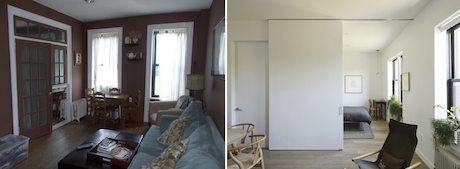
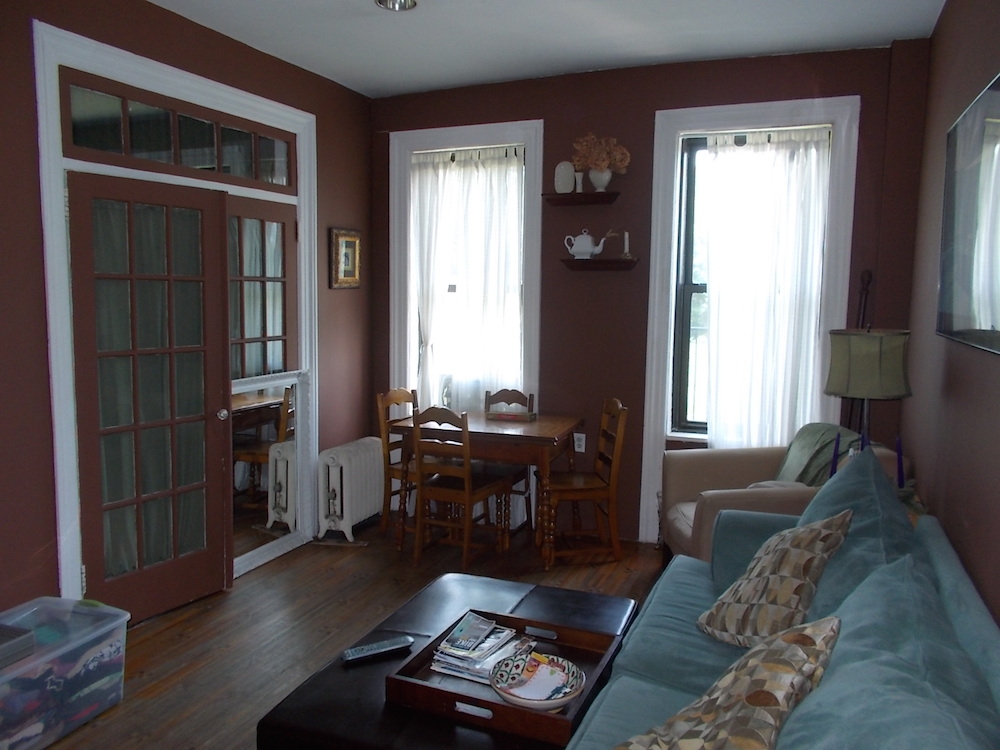
living-room-before-after

Speaking of ceilings, we found the previous owner had put on three–yes, three–layers of sheetrock on the ceiling as an ersatz renovation technique. When the ceiling(s) were removed, we found another 2’4″ of ceiling height. Unfortunately, because we were removing a supporting wall separating the living and bed rooms, much of the height was gobbled up by beams that needed to be sistered to the existing joists to compensate for the supporting wall’s removal. The ceilings still ended up being 9.5′, which gives the place a very open feel.

The structural wall previously had french doors. We took those out and moved the wall back, shrinking the bedroom by 2′ 9″ and expanding the living room by the same amount. We put a large sliding door on the new wall to separate the living room from the bedroom/office. The door itself is sandwiched plywood made by our contractor and attached to a track from Specialty Doors. Because the door is the same 9.5′ of the rest of the space, it creates a continuous ceiling plane, making the bedroom feel like a continuation of the living room, creating one big L-shaped room.

kitchen-before-after

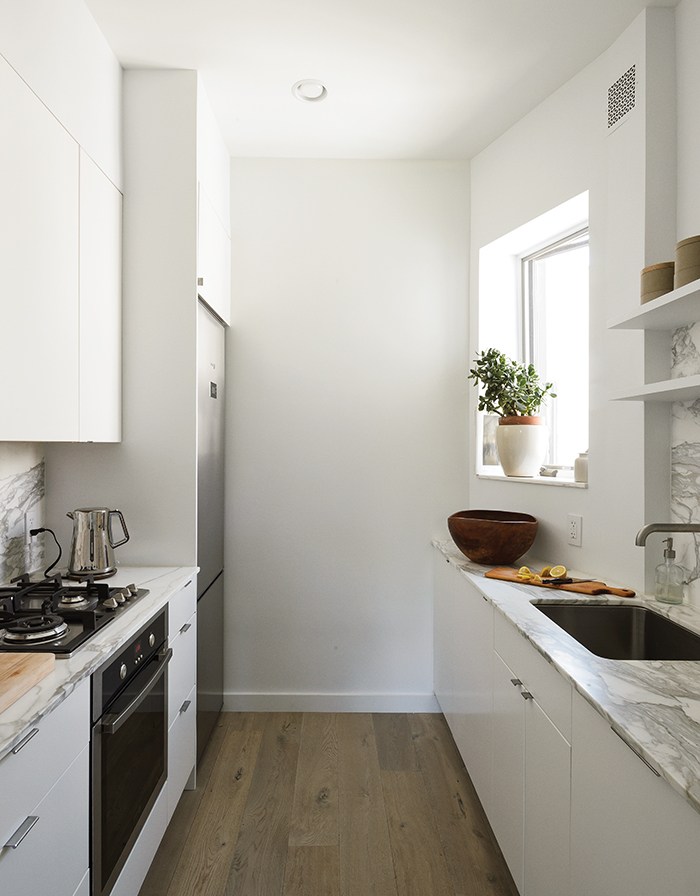
The original kitchen opened into the hallway and had a door to the kids’ bedroom, which we found awkward. We reoriented the kitchen making it a galley facing the living room. This change let light go from the kitchen window into the living room. Other changes included removing the existing tub, which was way too big for the space and moving it against the wall along the window.
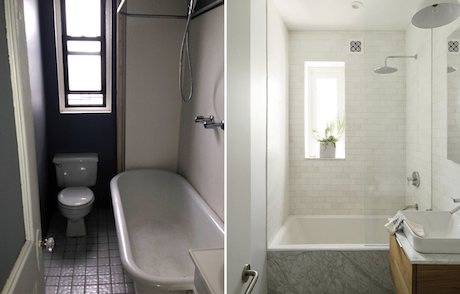
bathroom-before-after

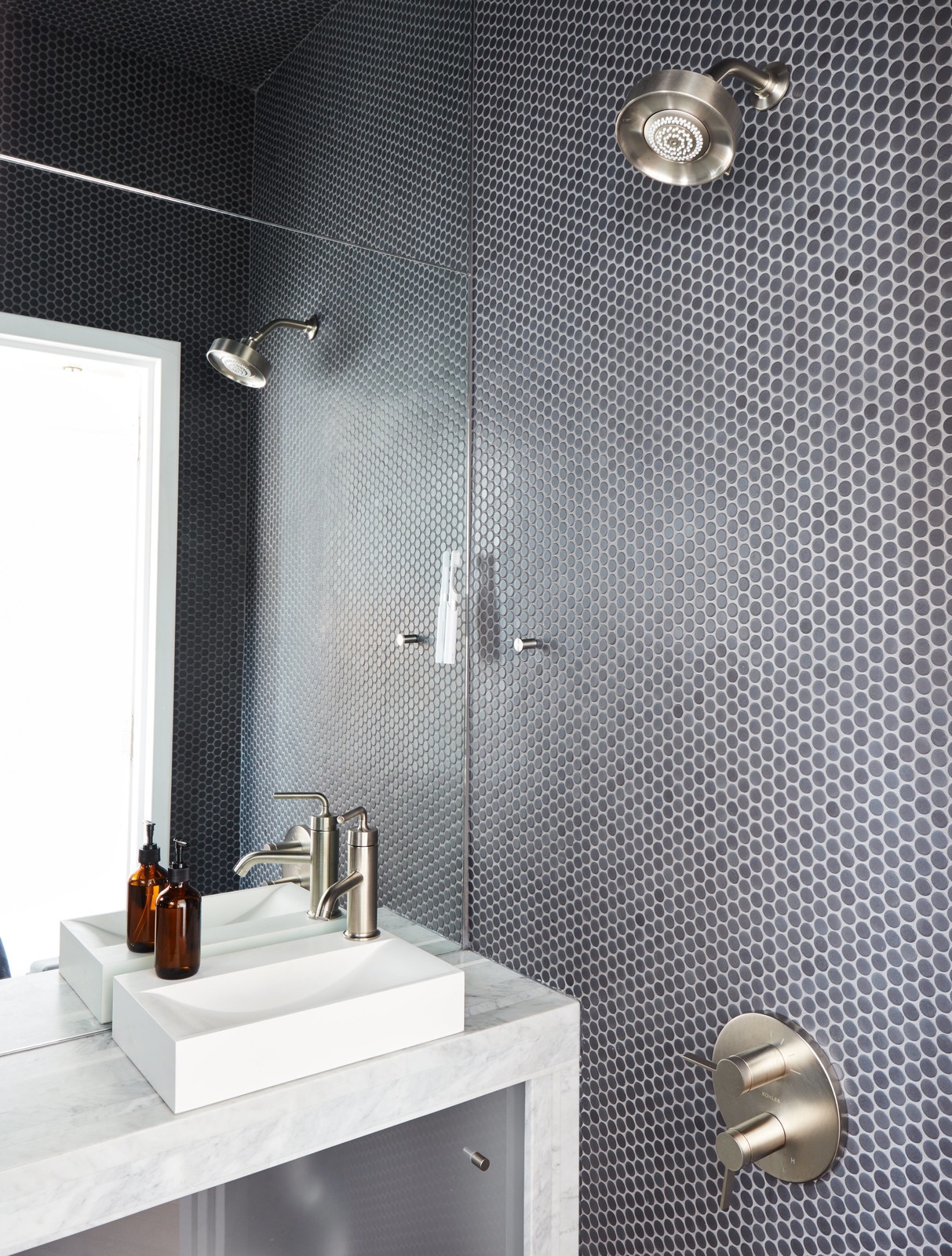
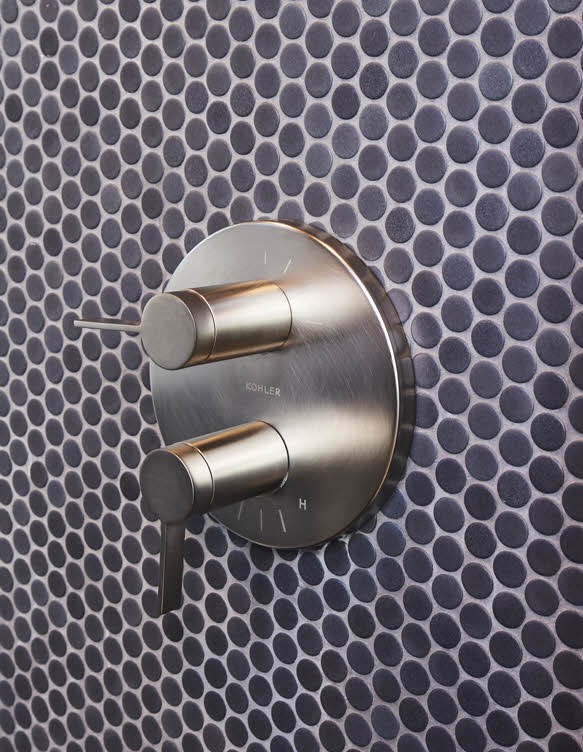
Because of the space’s small size, we were able to upgrade on some of the materials. We used plumbing fixtures by Kohler throughout (mostly the Stillness line) and opted to splurge on marble for the bathroom and kitchen from Ann Sacks. We used sleek, high quality appliances (fridge, range, oven and dishwasher) from Spanish company Fagor. We used IKEA cabinets, because they looked good and, well, they’re inexpensive. Underfloor, were gorgeous Hakwood floors from LV Wood.

Aside from the Resource Furniture pieces, there wasn’t much furniture to buy. We kept our Room and Board sofa and NY folding lounge chair which fit nicely into the space. We found a simple, 39″ round oak table by Canvas Home and a matching 24″ play table for our son (they call it a coffee table). We got some classic Hans Wegner chairs for the dining table and two Kalon Studio wood stumps for our son’s table. In my office we had a small custom desk made and paired it with a Møller chair. Light fixtures in bathroom, living and bed rooms are by Allied Maker. While not furniture per se, we have lush plants from Sprout Home on every window sill, which provides a nice transition to our views of the park. (I’ll detail many of these choices in future posts).

The space came out amazing. Despite its northern exposure in the living and master bed rooms, it’s very bright (helped greatly by a coat of white paint). The minimal amount of stuff makes it manageable and easy to clean. We have more than enough storage. Despite how it might appear on this site, I’m not a small-space zealot. I don’t like waste, and very large homes tend to have a lot of wasted space. What I think is great about our space is that every bit of it is used.

Perhaps the thing I love most about our new home is its location. The park provides a canopy of greenery to look out on and an excellent place to play. We walk down the block to great restaurants. There’s a movie theater a block from our house (that, as newish parents, we have never attended). We run into friends all of the time and there’s a very large community of interesting people (many with kids) in our neighborhood. Our little–though admittedly not ‘tiny’–home made it possible for us to be here.

LifeEdited Family-Style (Part 1 of 2)
Corporate culture can take many forms. If you work at a hedge fund, corporate culture might involve private jets, Ferraris and country clubs. If you work as a farmer, corporate culture might involve pickup trucks, overalls and stock shows (forgive my gross caricaturizations…it’s to make a point). In the case of working at LifeEdited, corporate culture involves downsizing your home and getting rid of a lot of stuff. Having worked for the company three years now, I have adopted this culture as my own, and a recent feature in Dwell Magazine of my new home testifies to this fact.

Truth is, when I started working here, my wife and I already shared a fairly modest 500 sq ft apartment in Brooklyn. But following the birth of our son two years ago, the death of my father at that same time and a frustrating house hunt in the area for something larger, we decided to move to upstate New York and regroup. Our upstate digs, part of an old converted mill, was 1700 sq ft with 16′ high ceilings.

While the upstate experience was nice enough, we quickly found ourselves missing the city, our friends and vibrant culture. This longing was made worse by the fact that I was extolling the virtues of compact living and walkable neighborhoods on this website day-in-day-out. Our new home’s floors took an hour to sweep and mop and most errands required a car.

In the spring of 2013, we started looking in earnest for a home in Brooklyn. I’ll spare you all of the gory details of the hunt, but it sucked big time. The few halfway decent two bedroom apartments in okay neighborhoods–and sometimes not okay ones–would incite bidding wars. Prices seemed to increase as quickly as inventory evaporated. It was a supremely nerve-wrecking experience.

We thought about moving deeper into the borough to find a place. Experiences at a couple open houses made us think again. One is too crappy to recount. The other involved a street closure by the police on the street where the open house was located. There was a fist fight in progress. Our broker said that he was less troubled by the fight than he was the neighborhood’s reaction; they seemed to be cheering the fight on. There was bulletproof glass at the deli’s cash register. These things were super reassuring to new parents. We realized the neighborhood was the most important feature for our home.

After much looking, we happened upon an open house for a 675 sq ft, multiple-decades-as-rental apartment with warped floors, peeling linoleum tiles in the kitchen and many other afterthought renovations. It needed a gut renovation, but it had several things going in its favor: it was in our budget, it had a flexible floorplan, it was in a great building, in a great neighborhood with a good school district and–very important for parents of an active little boy–it overlooked Prospect Park. My wife is an exceedingly talented designer; with her prowess and the LifeEdited design principles guiding us, we made an offer on the place that was later accepted.

CONTINUE ON TO PART 2

Top photo by Matthew Williams

Micro-apartments in Brazil, LifeEdited

We are very excited to announce a micro-apartment project going up in São Paulo, Brazil. Many details are still being worked out, but we can tell you a few things:

  • LifeEdited, Inc would serve as a specialty consultant to Brazilian real estate firm VITACON and their architects, Basiches Arquitetos Associados. Our role is primarily to help them optimize interior spaces for maximum functionality.
  • The building, named VN Quatá, will be located on Rua Quatá, in the Vila Olímpia neighborhood of São Paulo.
  • The 18-story building’s 86-apartments will be 247 sq ft (23 sq meters). The apartments will incorporate transforming furniture and design principles found in LifeEdited’s first project, Graham Hill’s apartment.
  • Completion is projected to be in Q1 2016.
  • Price TBD, though we expect units to be far less expensive than other comparable properties in the area.

There are many reasons for our excitement. São Paulo’s transportation issues have been in the news as of late. While we won’t claim that VN Quatá will solve this complicated issue, it will provide cost-effective housing in a central part of the city, reducing the need for the notoriously long commutes (credit esteban at dh). The units’ diminutive sizes coupled with VITACON’s enthusiasm for micro-apartment living provides a great canvas for innovative design.

Units will go on sale this year. If you are interested in living in VN Quatá, visit VITACON’s website for more information. If you’re interested in LifeEdited consulting on your project, please contact us at info@lifeedited.com.

DISCLAIMER: LifeEdited is not an architecture firm, rather we are a specialty consultant to architects and developers.

LifeEdited is a Specialty Consultant

LifeEdited acts as a speciality consultant to architects. For instance, LifeEdited is a speciality consultant to a registered Nevada architect, for that architect’s potential project in Las Vegas. For clarity, please note that LifeEdited is not an architectural firm.