We Love Our Plumen Drop Hat Pendant Shades with Warm, Dimmable LED Bulbs!

The light bulb market in America is ever-changing and complicated due to shifting regulations. Even though the U.S. Energy Independence and Security Act of 2007 sought to enforce the phase-out of incandescent lightbulbs, setting standards which LED and CFL lightbulbs already met but which incandescent light bulbs did not, it has since been undercut by congress. While it is upsetting that incandescent light bulbs are still on the market in 2016, there have still been positive effects of the 2007 Energy Act on the lightbulb market itself. One such effect is that the cost of buying and owning LEDs has improved.

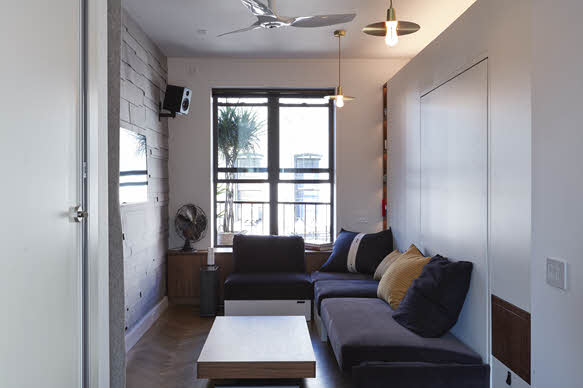
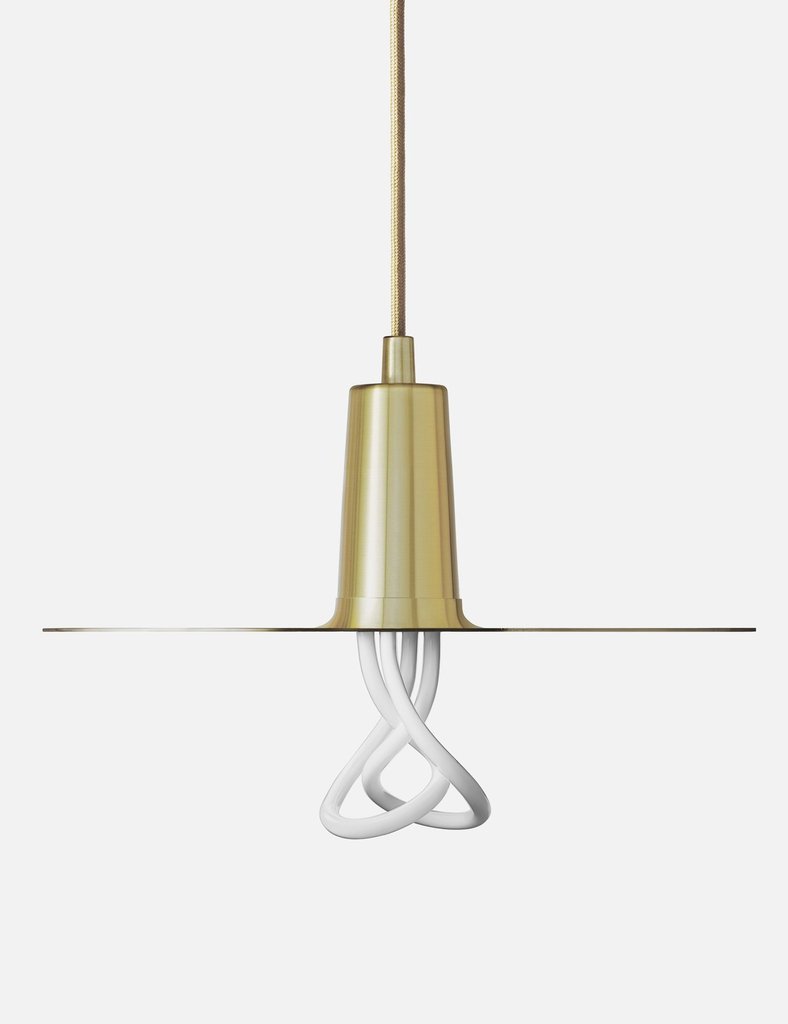
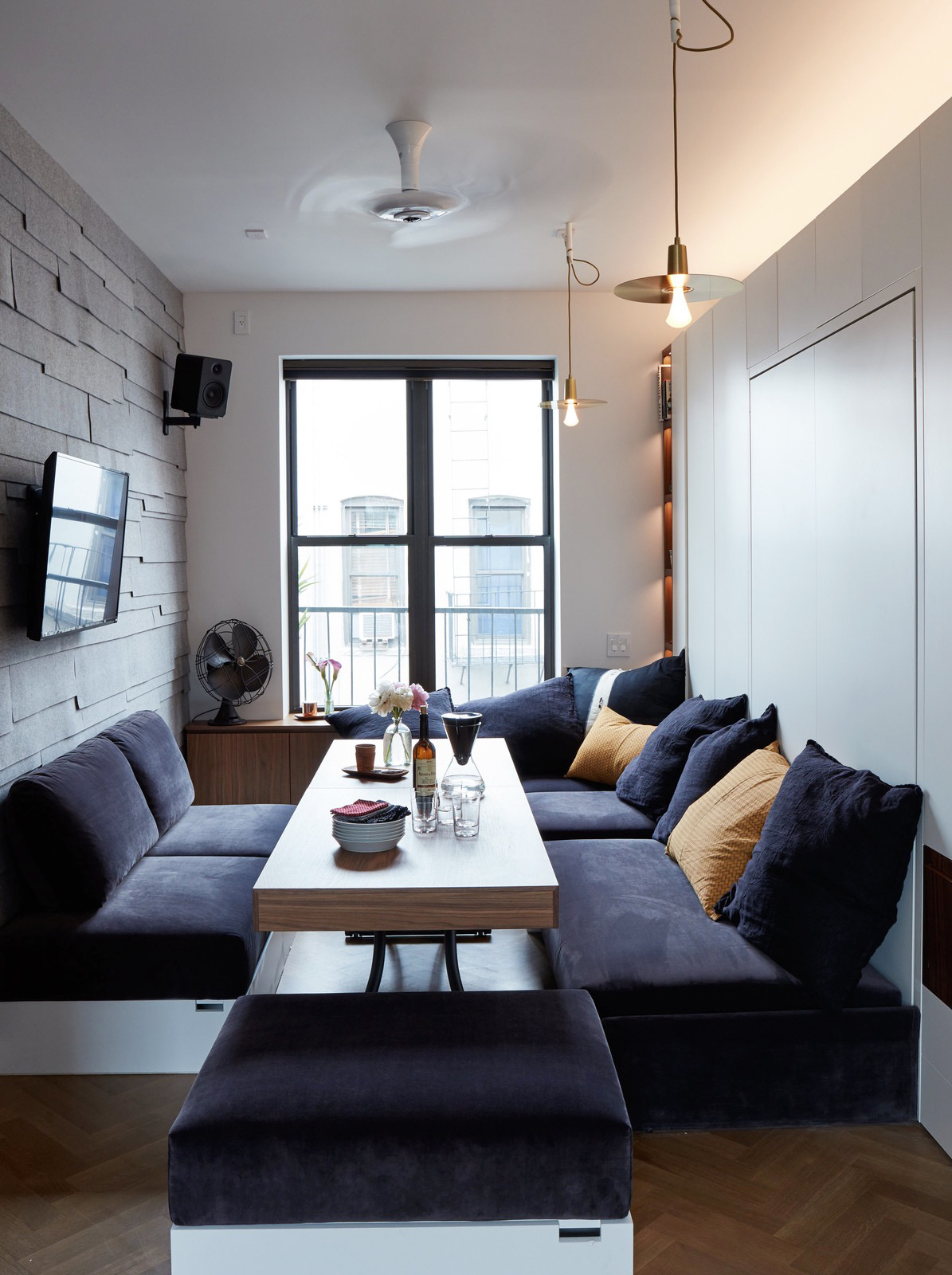
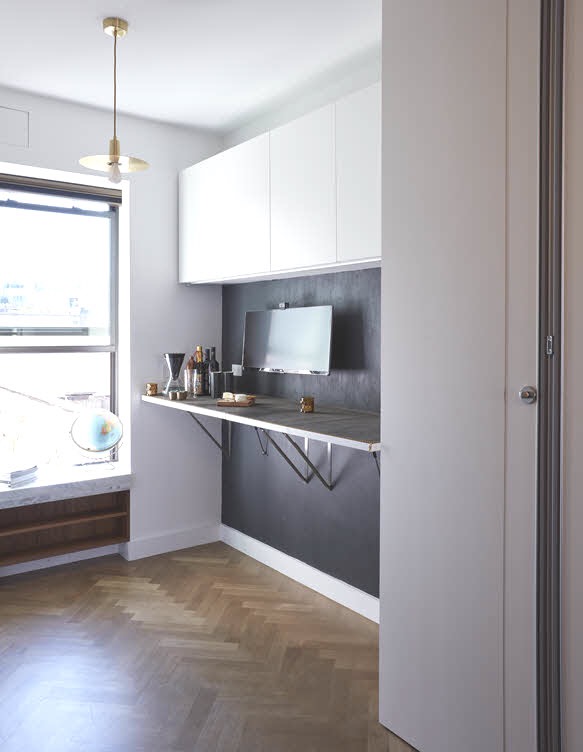
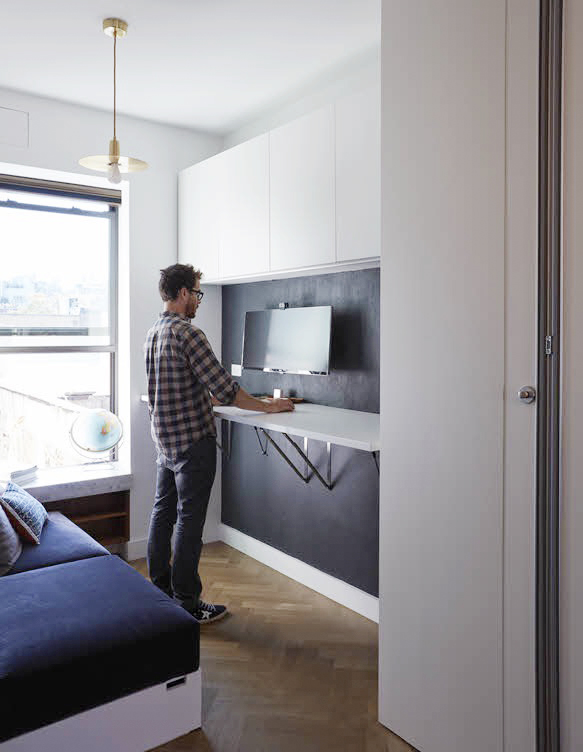
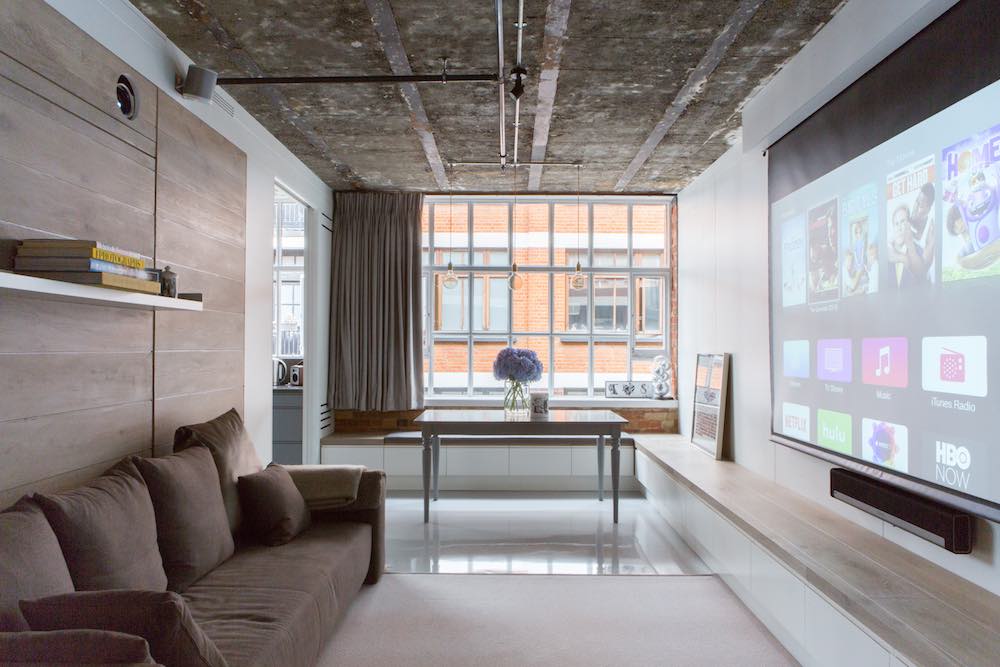
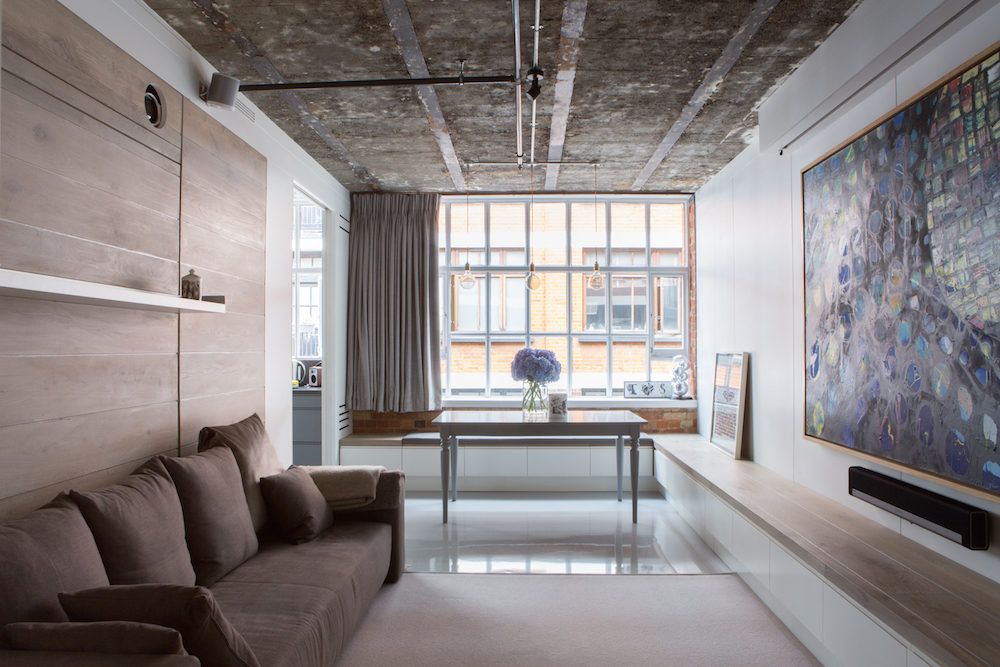
According to energy.gov, LED lightbulbs “typically use about 25%-80% less energy than traditional incandescents, saving you money.” In LifeEdited 2 Graham wanted to create a warm and uplifting aesthetic that was simple but not too “white box,” and with as much energy saving qualities as possible. One of the ways he added color and texture to the space was with the addition of Plumen LED bulbs with elegant brushed brass Drop Hat Pendant Shades.

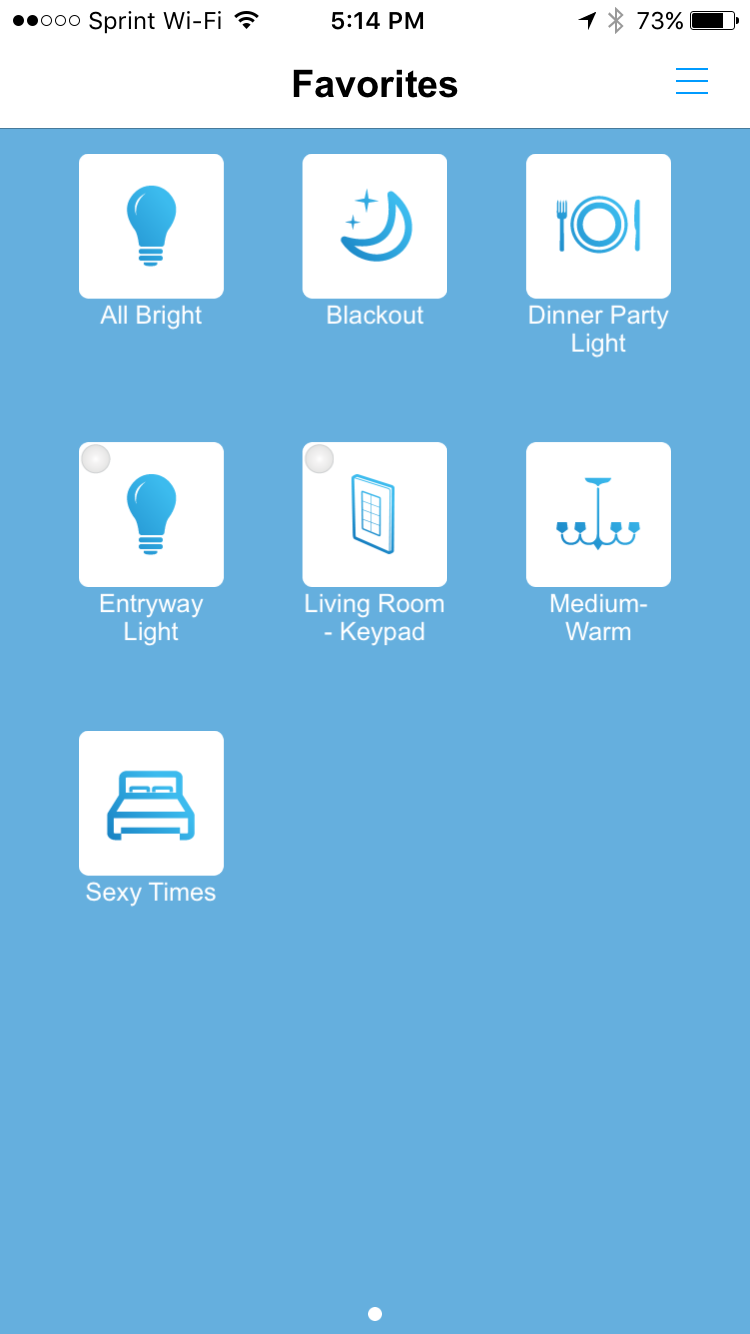
Not only is the light produced by LE2’s Plumen LED bulbs an elegant soft yellow, but all of the fixtures are remote controlled via Insteon’s smartphone app. Insteon creates easy to use energy saving settings and encourages the apartment dweller to use only the lighting “scenes” that are appropriate for their needs. e.g. fully on for cleaning, only a few on dimmers for late at night, etc..

To learn more about how to save energy and cut costs, read this article about when to turn off your lights.

This post is one in a series that describes our LifeEdited 2 showcase apartment. LifeEdited 2 embodies our green, space efficient, and minimalist principles. We view LifeEdited 2 as a lab for experiencing things that are consistent with these principles. The product described in this post was given to us, which we appreciate, but we would not have accepted if we didn’t believe in it.


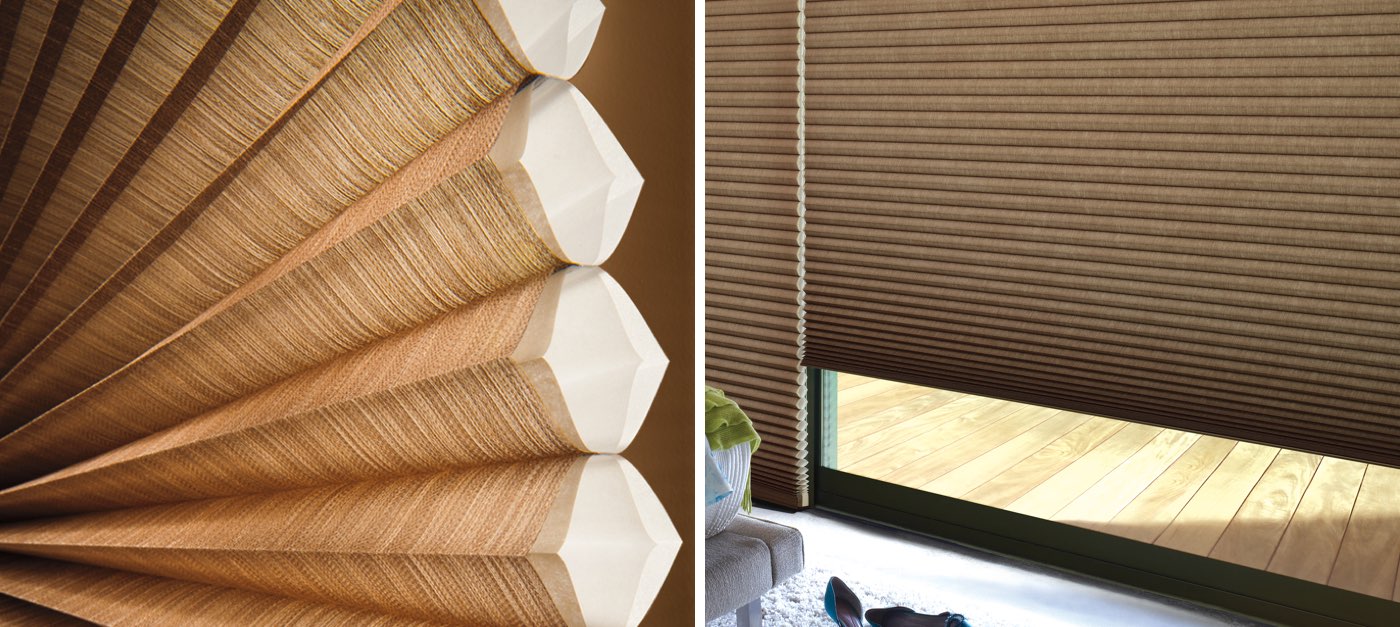
Hunter Douglas App Controlled Honeycomb Shades

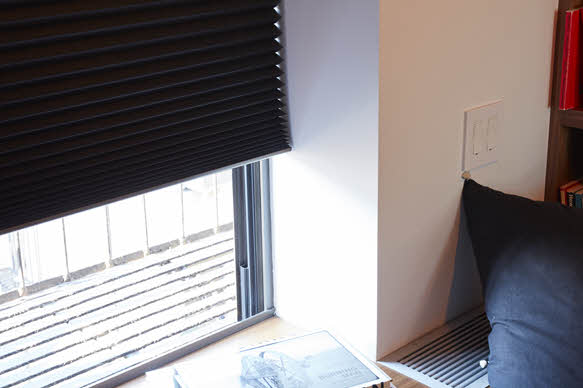
In building LifeEdited 2, we aimed to create a high quality of life within a small space. The cordless Hunter Douglas Honeycomb Shades helped us do this. With big windows on both sides of the apartment, it is important to have blinds that are easy to operate such that the apartment dweller can tune their space to the particular light, noise and temperature of the city. The cellular honeycomb shape of the shades effectively keeps out light and noise pollution while also looking elegant. The Honeycomb Shades are also constructed in such a way as to keep the apartment cool and shaded on hot summer days and warm and insulated on cold winter nights, helping to cut heating and cooling energy needs by a lot. For example, upon leaving one could put the apartment in blackout mode to prevent hot summer sun from baking the apartment while out for the day.

The Honeycomb Shades are intelligent too. They can be controlled with an app on your smartphone or via their attractive “pebble” remote. We love being able to adjust the blinds with the click of a single button. Their PowerView Motorization technology allows us to make settings that are specific to our apartment and our schedules. Late and early in the day the sun beams into the LifeEdited 2 office, so Graham has a partially shaded setting for those times of day in particular. Plus, because the blinds can be used from the bottom up or the top down, they are great for letting light into the apartment while also preserving privacy. Finally, being battery operated they are much easier (and cheaper!) to install than wired blinds.

LifeEdited 2


****THIS APARTMENT IS FOR SALE. PLEASE VISIT THE CORCORAN SITE FOR MORE INFO.****

LifeEdited 2 (LE2) is a prototype for apartments in future LifeEdited buildings. It allows dwellers to live a big, happy, smart, green, and simplified life in a 350 sft apartment that functions like one twice its size. You may have already seen it on the cover of the November issue of Dwell.

LifeEdited began in 2010 when Graham Hill, founder of popular eco website TreeHugger, crowdsourced his 420 sft New York City apartment. It demonstrated the “less but better” lifestyle by creating a beautiful apartment with the functionality of a much larger space. LifeEdited 1 (LE1) seats 12 for dinner, has proper sleeping quarters for 2 guests, a great home office, a home theater, and is extremely energy efficient. With its own TED talk, two NYT features and coverage by most major media outlets, it has become one of the most widely published apartments in the world.

Completed in 2016, LE2 is smaller than LE1 but amazingly manages similar functionality. It graciously seats 10 for dinner, hosts two in a guest room, and has a great home office. Our approach to achieve this:

See set of 25 official LE2 photos here or download a zip of web resolution photos here. Or download the high resolution photos: part1, part2, part3.


****THIS APARTMENT IS FOR SALE. PLEASE VISIT THE CORCORAN SITE FOR MORE INFO.****


Subscribe to our daily or weekly newsletter!

A massive thank you to all that helped make this a reality:

Design: LifeEdited, Architect of Record: Guerin Glass, Build: Composite Fabrication, Expeditor: J. Callahan

Extra special thanks to Andrei Butusina, Catalin Sandu, David Friedlander, Andrew Skey, Karolina Wydra, Scott Glass, Shawn Ruddy, Jorge Faz, Bill Byers, Casey Martin, Leah Solomon, Jayson Halladay and the Resource Furniture crew.

Big thanks to Dwell, Sean Sliger, Joanna Sjostrand, Adam Finkelman, Francesca Michel, Lloyd Alter and the TreeHugger crew, Lawrence Hudson, Wing Deng, Sokol Hoti, 150 Sullivan’s board and Paul Brensilber of Jordan Cooper, and others, without whom the project would not have been possible and whom we’ve somehow forgotten to include! 🙂

The Unbearable Lightness of Tiny Living

Each week we are profiling real people who are editing their lives for more freedom and happiness. This week we hear from Jan, who lives in 98 sq ft tiny house. He shares his experience about the freedom of tiny, lightweight living as well as the difficulties of meshing different attitudes about stuff and space in relationships.

Tell us about yourself

My name is Jan. I am 45 and work as a photographer and videographer. I am separated with a 3-year-old boy.

My parents, both children in Germany during the WWII, instilled a non-consumptive, credit free life-style. They modeled buying quality over quantity and only paying cash for what you can afford.

Later, I backpacked for several years, and all through my twenties and early thirties never paid more than $100 rent per month. I learned to build and built my own shelter, or did work-trade for rent. For years I kept my possessions down to what would fit in the back of a small pick-up truck.

In my late thirties I fell in love with a beautiful woman who lived an unedited life. Stuff gave her a sense of security. Clutter was her art form. For six years and through the birth of our son, we tried to blend our lives, but could not. Accepting neither of us would change, I built a 6×9 foot shack in the backyard and moved out. We get on much better now.

What makes your life an ‘edited’ one?

I’ve always been self-employed, so I’m very aware how much effort it takes to earn each dollar. Not believing in credit, each purchase I make is a conscious decision. How much of my life does it take to afford this thing? I’m also aware how much effort is required to own stuff. Where to store it? How to store it? How to care for it? Unnecessary stuff and clutter simply makes my anxious. But that’s not to say I’m non-materialistic. I would argue that I’m hyper-materialistic. I love the look, feel and function of something well made that fits my life perfectly. A pair of shoes I wear every day. Two sharp kitchen knives. A bicycle. A camera. All these things, carefully chosen gives me great pleasure to buy and use daily.

How long have you been living this way, and do see yourself continuing to live this way?

I have always had a minimalist bent, but lately have been refining it with far more awareness. It merges many divergent interests, from macro and micro-economics, environmentalism, self-sufficiency, spirituality, design, art, parenting, and how we will make it as a species in a shrinking world. Presently, how I live is a personal choice. In the future that choice may be forced upon us.

What are the biggest advantages of living this way?

A profound sense of lightness in the world. Every time I discover a way to live more essentially, I feel a surge of freedom. When I refine an elegant solution to a vexing problem, I gain great pleasure each time I engage with that solution. Something as basic as placing a hook into a wall so I can hang my bag and not trip over it on the floor. Or building a composting toilet for a few dollars and taking personal responsibility for my own waste. Or lying in bed at night in a loft that fits me just so. Watching the moon rise and stars turn because I deliberately placed the windows in these precise locations. Or each month doing my bookkeeping and seeing my savings increase to a point where I could live comfortably without working for a few years. And not because I earn a lot of money, but because I have learned how to spend wisely.

What are the biggest challenges?

Trying to meld a minimalist lifestyle with someone who does not share the same interest. It is an exercise in futility and frustration. I had to learn to accept that I can neither change someone else’s life nor repress my own nature.

For families, how has this lifestyle affected the other members of your family?

Thankfully I have a young son who stops me from getting too anal. He helped build the shack and feels it is his as much as mine. He comes and goes as he pleases with his toys, muddy shoes and dirty fingers. I let him climb up ladders, on counters, light stoves, play with tools and knives, and in doing he learns respect, consequence and body awareness. He teaches me to let go and lighten up. If he breaks something we fix it together. If he gets something dirty, we clean together. After all, it’s just stuff. What’s essential is the respect between us.

In terms of partnerships, I think a minimalist lifestyle only works both partners already live this way. I also strongly believe in a shack of ones own. My home only cost me $5000 and three months of work. I’d rather help build a partner their own home than try to blend two incompatible lifestyles together.

What is the number one suggestion you’d give to someone looking edit their lives?

Read the book “Your Money or Your Life” by Vicki Robins.

What item(s) have made your lifestyle easier?

A good bicycle, good tools, a few comfortable clothes that fit well and can be worn in different settings.

Do you have any design or architectural suggestions derived from your lifestyle?

Consider curved rafters. That simple architectural detail made all the difference in turning my loft from a cramped triangle into a spacious cocoon.

This post was originally published November 28, 2012. 

This is What It’s All About

A reader recently sent us this letter and we think it pretty special:

Thanks LifeEdited! You are helping fuel our resolve to continue on our journey simplicity.

Our story began the summer of 2014.  My husband and I found ourselves empty nesters, in a huge house, with a huge yard, and a huge to-do list of chores and have-to’s. Our bank account non-existent, our paychecks going out the window faster than we could deposit the paychecks.  All the stuff in the world hadn’t made us happy, only miserably in-debt.

So we decided to break out of the box we’d climbed into and regain financial freedom and our joy. We spent five months purging and preparing our home to put on the market to sell.  We must have done a great job because we put our house on the market on December 31st, 2014 and on January 20th, of 2015 we were sitting at the closing table!  Our heads spinning, three-Fourths lighter in possessions, we helped a wealthy friend care take his 14,500 square foot, multi-building, 65 acre estate in Cincinnati, Ohio for eight months, which helped us eliminate almost completely all of our credit card and vehicle debt!  Ashamed to admit it, but when we sold the house we were $37,280.00 deep in debt!

We now rent a very cool 1000 square foot apartment in Historic Covington, KY. While 1000 square feet, probably sounds huge to you over at LifeEdited…for us it’s 1/4th of the space we used to have. Gone are all the dusty collections, over 35,000 books, and 500 pieces of white pottery. Gone are the days of spending nights and weekends tending to the maintenance, repair and upkeep of a huge home. Gone are all the things I felt compelled to hold onto for ridiculously sentimental reasons, just because I felt guilty about letting them go. (Trust me when I say this, Aunt Millie…who’s been dead for three decades, really doesn’t give a shit if I still have her casserole dish!). Gone are the endless headaches attached to caring for all that stuff!  Gone are the dozens of bills flooding the mailbox each day. In exchange, we’re finding freedom, peace of mind, tranquility, time for random timelessness with friends and loved ones.

Our example is helping our sons relearn and reset priorities. It feels great. We’re still working on streamlining our current possessions, because let’s face it, the world keeps screaming “you need this!” all the time, and people around us still haven’t figured out that what we want is to just share our lives with them, not get stuff from them….so we’re working on what to do with those gifts from loved ones, that you just don’t need or love.

The biggest shift for us has been becoming “appreciators” instead of “consumers.” Appreciators see beautiful things and think, “Oh, how beautiful that is and take time to delight in it.”  While Consumers are people who see beautiful things and think….”I must possess that!”

I just wanted to stop and take the time to say thank you for helping inspire me today to stay the course and not take two steps back into that old life that I so do not want to ever repeat!

Less, truly is the key to opening the door to a life filled with more abundance.

LTS & GGS

London Calling, See We Ain’t Got No Stuff

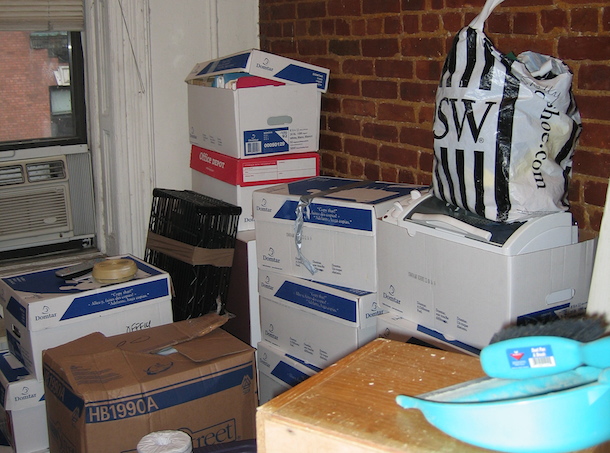
As evidenced by the popularity of his 2011 TED talk, LifeEdited founder and CEO Graham Hill is an able spokesperson for the less is more movement. Following the many talks he’s given since 2011, we have received emails reporting how those talks inspired people to simplify their lives. We received one of those emails the other day from a Londoner named Simon Clarkson. He wrote to us, “We [wife and young daughter] moved from 1400 sq feet of house into 850 sq ft of apartment.” If that wasn’t impressive enough, Clarkson reported that he got rid of a ton (or is it tonne?) of stuff in the process and incorporated many of the LifeEdited design principles into his new, edited home. He even sent us these pictures to prove it.
Simon wrote that he had always taken an edited approach to his life, but that Graham’s talk inspired him to go a bit further. Following the talk and talking to Graham in person, he went home and watched the LifeEdited TED talk with his wife, who was historically a bit less edited than her hubby. But after watching the talk, she started to come around. She confessed that there were 15 suitcases stored between her sister’s house and her parents’ house–the contents of which she had not used in years, nor could she even necessarily identify. She also admitted that she only wore a small portion of favorite garments from her existing wardrobe. She saw how she might benefit from living a life without all this unnecessary, unused stuff. 

But the theorizing about living with less proved less difficult than practicing it. They set about doing a massive edit. “There were more than few Sunday’s where we started early in the morning and chose three options for any item: charity, eBay, recycle,” Clarkson wrote. “We then opened the mystery suitcases and applied the same system. The ethos was if you ‘LOVE’ the item that’s fine and as long as it will be used/worn, etc, but every item had to be used. I will say there was a point where we were both sitting in the loft space of our house and I managed to make my wife cry…it all felt like too much change.” Paradoxically, they dealt with the trauma of removal by shopping, buying T, Clarkson’s wife, a new pair of shoes she’d wear all the time to replace the 20 pairs they had just removed from their coffers.

When they decided to downsize their home, the couple called upon a friend who runs a company in London that renovates commercial spaces and whose father is an architect. They showed the friend the LifeEdited site and the short video with the first LifeEdited apartment. They then went about looking for spaces in which to inject the LifeEdited design concepts. They came across a studio apartment not far from where they already lived. The space was more or less a box, making it ideal for chopping up and inserting built-in furniture.  

“People thought we were nuts buying it but we knew what we wanted to do with it and what could be possible,” Clarkson wrote. “The principle idea was three bedroom functionality out of 800 sq ft of space but a luxury feel that we would not feel cheated in any way with each function…[we wanted a] master bedroom, fully equipped kitchen, dinning table that could take 8 people, guest bedroom with direct access to bathroom, front door and storage for our suitcases (we travel a lot).”

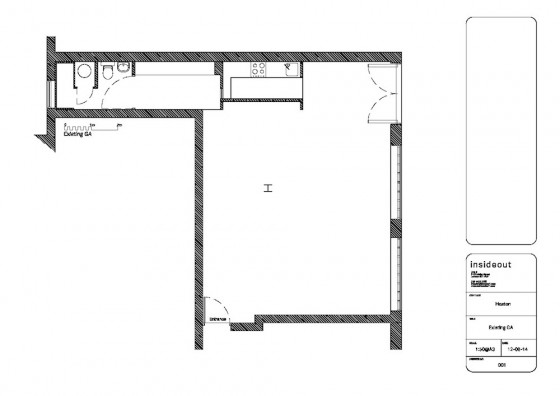
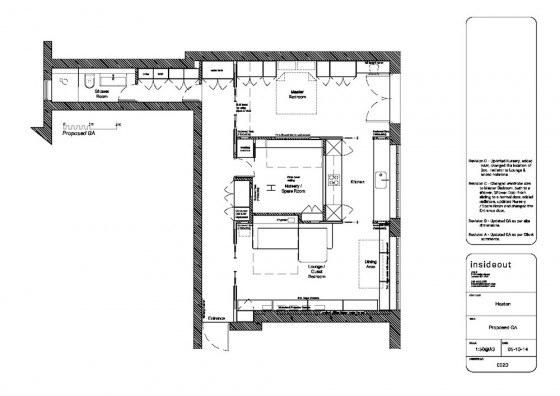
hoxton-floorplan-beforehoxton-floorplan-after They achieved their aims by creating a central bedroom for their daughter that also acted as a division between the living/guest room on one end of the apartment and the master bedroom on the other. A galley kitchen connected the two sides of the apartment. All beds, less the crib, hide away when not in use and all the storage is built in, all serving to maximize every square foot of the space.

They expected the build-out to take 8-9 weeks, which turned into 15, necessitating a few unscheduled moves with their then newborn daughter. But in the end, they ended up with a space they were immensely proud to live in. “It was so obvious the advantages of what we had done. It’s so functional that there are little to no distractions…no list of jobs to take care of on a Saturday! The bills are lower and just completing tasks or getting out the door to do things is so much quicker.” It has also altered the way the couple shops. “Now every purchase no matter how big or small is considered much more carefully.”

Asked what he’d tell people interested in making equally major overhauls to their lifestyle, Clarkson wrote, “Be brave and once you start the process it will snowball.”

Woman Plunges into Deep End of Downsizing

I stood staring at three framed documents: My veterinary school diploma, the certificate that acknowledges the completion of my residency and my board certification in small animal internal medicine. What was I going to do with them? I am nearing the end of a two year process of radical downsizing, starting as a big old house person, and now living in the smallest space of my life.

In the Beginning

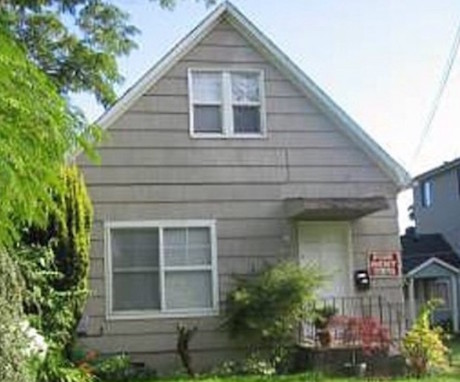
The process really started in 2007 when I moved from upstate New York to Seattle. The two homes I had owned were a 1890’s Queen Anne, and a 1920’s colonial. As a lover of old homes I had collected a large amount of antiques, many of which I had restored myself and those countless hours made them feel like a part of me.

I knew I would never be able to afford the same size and style of homes in Seattle, and the cost of the moving truck had to be considered. It was initially a painful process to part with things that I had put so much sweat equity into, but it started to get easier as the moving date arrived and the need to clear the house was immediate. The majority of the antiques were sold, with only a couple of pieces with strong sentimental value retained.

A New Life and a Different Perspective

Despite liquidating rooms of furniture, I filled a rented two bedroom apartment to the brim, with barely any space to move around. Once I found a condo to buy, I purged even more items to lessen the clutter and I had created some space which felt good. I had gone from 2300 sf to 1200 sf, but was starting to realize it was still fairly large for a single person.

dana-house

Things changed in 2013 when I accepted a job that allowed me to work from home and have more free time. I also now had the freedom to choose to live wherever I wanted, which was closer to the marina. I had learned to sail since coming to Seattle and I was hooked. Moving into the city from the suburbs presented new challenges in affordability, and again a downsize was in order. There were more trips to Goodwill, items gifted to friends, shelves of CDs converted to digital music, and boxes of books donated. Parting with possessions had gotten a little easier, and living without as much clutter felt better. I was down to 1000 square feet.

I never thought that I would be buying my own little sailboat, but within a year of the move, I did.  I had been in a sailing club and chartered, which had been perfect for my needs. I loved overnight and multi-day trips, and now that I was so near the water all the time, the need to have my own was intense. The deal I made with myself was that I needed to make room in the budget for moorage, so that moorage and rent were no more than my current rent.

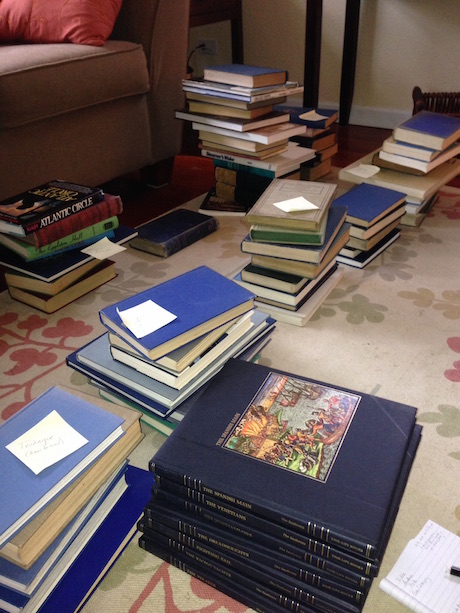
Apparently another downsize was in order and I found a 350 sf studio. I had some tough decisions to make. A family antique radio cabinet and an old barristers bookcase were placed with good friends. Couch, loveseat, patio and dining furniture were given away. Clothing and shoes had become very easy to pare down, but books were always far harder to let go, but I did it.

dana-books

Unplanned and the Biggest Change Yet

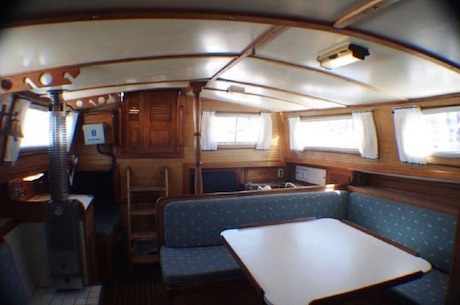
I loved my little studio, and I would have stayed there, but I liked my 32′ boat better. I found myself staying there more and more nights, and working there during the day. I didn’t want to go back to my comfortable studio. I preferred sleeping nestled in my cozy V-berth, even with the inconveniences that come with living on a boat. I was essentially living aboard, but with the safety net of a place on land which contained the last of my “stuff”. It didn’t make sense to pay for an apartment I wasn’t living in–it had to go.

dana-cabin

I am now down to less than 200 square feet with a 4′ x 4.5′ rented storage unit for boat related items, off season clothing, and some textbooks. The loss of my safety net is frightening, a little bit like a free fall, but at the same time it is exhilarating.

If I am very straight with myself, the diplomas and yearbooks serve no real purpose. When you live on a small boat, every item needs to have multiple uses and take up minimal space. Diplomas, yearbooks and old photos can be scanned.

I am more mobile and more free than I have ever been, and that is what I need to focus on. Yes, I’m walking into the unknown, but it is definitely not going to be boring.

Dana Brooks is an adventurer, veterinarian, sailor and cat-lover. You can find out more about her, her adventures, her boat and her cat at tinysails.com

Adventures in Extreme Minimalism

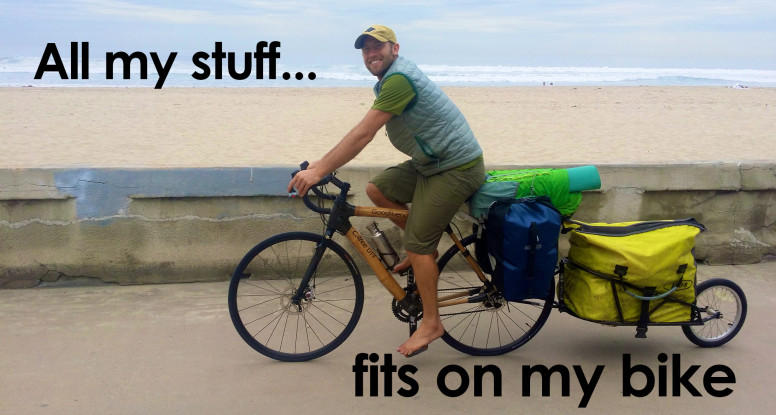
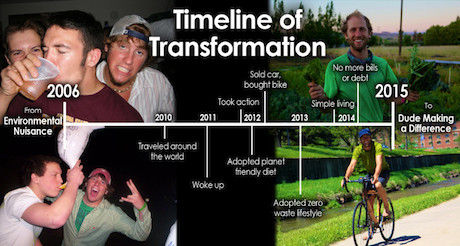
A couple weeks ago, we revisited Peter Lawrence, a man who lives with what would charitably be called a paucity of possessions. In certain ways, Rob Greenfield makes Lawrence look like a hoarder. Greenfield lives in a 50 sq ft “house” and what few possessions he has can stuffed on a bike trailer. On his website, Greenfield says he “is an American adventurer, environmental activist, and entrepreneur on a mission to entertain, educate, inspire, and give back to the world. He is teaching others about the issues associated with food, energy, water, waste, transportation, and health by displaying his style of living to the world. He is leading them towards a greater sense of happiness and freedom.” Sound good to us.

Like many who have fairly extreme-lifestyles, the mostly-nomadic, veggie-eating, non-showering, vasectomied Greenfield is a convert. From childhood to early adulthood, he says he used stuff to boost his sense of self-worth; first it was Beanie Babies then later cars and even a boat. He also writes that his life up until recently prioritized “binge drinking every weekend, looking good, and macking on pretty much every good looking girl I saw.”

Then in 2011, he says he got educated. Though he doesn’t specify what that education was, I suspect it had to do with his environmental impact on the planet. He thereafter “gave up on restrictive social norms and stigmas and embarked down a path of living for the benefit of the earth, my community, and myself.”

Rob-Greenfield-Timeline-776x415

There’s too much on Greenfield’s site do justice to his iconoclastic lifestyle. He’s at once a free-spirited hippy, biking across country in bare feet, dumpster-diving and doing good deeds; he is also a hyper-organized type A personality, publishing a detailed list of life-goals with status reports, writing a blog, producing Youtube videos and running his own online marketing firm, of which he gives 90% of the profits to environmental causes.

His last couple life events include getting rid of his cell phone (his last bill) and buying an off-grid tiny house in San Diego (more of a sleeping shed), where he plans to grow his own food and take the home completely off-grid.

On this site we often feature experimental architecture and products. Often, their main function is to show what’s possible, not present an exact model for places we will live in or products we will use. Greenfield, in many ways, presents an experimental life. Very few are setup to come and go as he does (though he’d probably argue that that’s a choice), but he shows what’s possible–how we can all simplify our lives, live with less stuff, reduce our environmental impact and (most important) be happier and more useful in the process.

Hat tip to Adolfo Mercado Solano

4 Things to Think About as You Edit in the New Year

For much of the western world, today marks the return to the “real world.” It’s the Monday after the week or two surrounding Christmas and New Years. Many of us are returning to work, some recharged and ready to take on the new year, others experiencing considerably less enthusiasm.

This year, my holiday was colored less by standard fare like time off and trips to places warm and more by a singular event: the birth of my second child, a boy.

Children are questionably “edited” (“aren’t there enough people?” one might ask), yet few things have the capacity to burn away existential dross like the charge of taking care of another human being. And while I came out of this period without resolutions (I was just trying to sleep at 12am, Jan 1), I did realize a thing or two that could help the childed and childless alike as they endeavor into 2015.

  • Health is supreme. Giving birth is a serious act–one that in days of yore claimed many lives. Thanks to the miracle of modern medicine and favorable biological circumstances, both my son and wife came out of the situation alive and well. But before that outcome was known, nothing loomed nearly as important: not money, acclaim or tricked out tiny houses. With health, everything can be worked out. Without it, we’re screwed.
  • Family and friends are a close second. In certain ways, couples can bootstrap a single child–taking on the myriad duties of raising a child alone. Not so with a second child. They obliterate the pretense of–and desire for–self-sufficiency. You realize how much you need and want other people in your life. Every minute a grandma holds and calms the baby, every meal a friend brings over, every act of kindness big and small makes life both more manageable and richer.
  • Too much stuff makes lives crazy. Yes, babies bring with them stuff, but our first child taught us that the amount of stuff is not a given. Helped greatly by a not-so-large home, my wife and I have managed to keep a modicum of order in our house by forgoing many “necessities” like wipe warmers. We figure that children–particularly small ones–bring with them a certain amount of chaos. Why add to it with a bunch of stuff we don’t need?
  • Technology is overrated. I have no beef with tech. It’s an indispensable part of my vocation. I frequently retreat into it in my infrequent moments of respite. But if there’s a choice of spending time with my children or checking out what’s “happening” on my Facebook newsfeed, there is no competition. Virtual reality doesn’t hold a candle to real reality.

With these thoughts, on behalf of LifeEdited, we wish you a happy new year, one in which the way you live your life and the things that matter to you are one and the same. One free of the unnecessary and unimportant and filled with love and meaning.

Tossing X Is Easy If You Know Why

It’s hard to imagine 90 square feet reaching across the globe, but that’s what happened after I moved into that now infamous tiny Manhattan apartment. Prior to deciding whether to move into what some have called “one of the smallest apartments in the world,” I went through my list of living priorities:

  • Is the apartment located in the Upper West Side?
  • Is the rent reasonable?
  • Is it near places I frequent?
  • Will living there allow me to quit my demanding job and finish writing a book?
  • Will it satisfy my itch of wanting to experience living in NYC?

When the answers to all of the above came back a resounding “Yes!” the decision to move into that place was a no brainer. But then came the hard part: culling my possessions. These were items I’d lugged around for years never able to part with. However, now that I had found my “why”–to experience life more, write a book and not work my tail off to pay rent –I could get rid of “X” without a second glance. This included clothes, books and all my kitchen supplies except for a hot pot and toaster oven since the studio was kitchen-free.

I set my sights on living in New York City for just a year. After that I planned to move into a normal-sized apartment in the burbs.

Yet something happened inside those 90 square feet. My life got better. And bigger. And fuller. Did I really want to give that up for more closet space? With my overhead lower (no pun intended), I now had more time to write, ride my bicycle, read books, see theater, visit friends and travel. I was still working hard, but on my own schedule, and the stress was less. I also finished my book, something that had been on my To Do list for over a decade. I might have been living with less, but I had gained so much more. All because I had figured out my “why.”

After the video went viral and the landlord discovered I was subletting illegally, I was handed my walking papers. At first I was frightened. Apartments in my neighborhood, while larger, were more expensive. Would I have to get another 9-5 or move out of Manhattan? Granted it wasn’t the end of the world, but I had created a lifestyle I wasn’t so ready to give up.

felice-cohen-kitchen

My grandfather suggested I buy an apartment. Having been saving for years, I looked around. And I found. The one-bedroom was just two avenues away from the tiny residence, was in my price range, and happened to be five times larger (my kitchen pictured above). Not that I was looking for more space. People joke and ask what I do with all the extra space and the answer is simple. I fill it with family and friends.

It’s been almost three years since I moved out of that apartment, but I often think back on those years and smile. For such a minuscule space, it left an enormous impression.

Today’s post was written by Felice Cohen, a professional organizer, author, public speaker and blogger who currently lives in more than 90 square feet in New York City. Follow on Facebook and @FeliceCohen