The Neighborhood within the Neighborhood

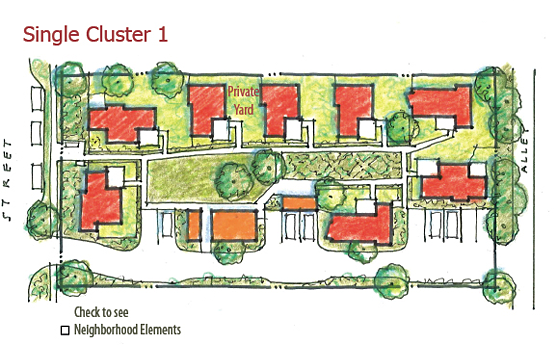
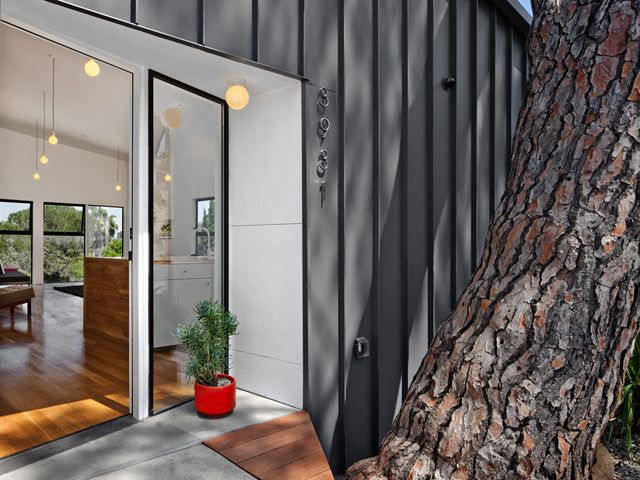
Pocket neighborhoods prove that an edited home can take on many shapes and sizes and be located most anywhere. The term, coined by architect Ross Chapin, refers to clusters of houses that share common, car-free outdoor areas like gardens, joined backyards and even alleyways. The idea is to design the conditions that promote tight-knit communities–where neighbors look out for one another, where children can play safely, where it’s not a big deal to ask someone to walk your dog or borrow a cup of sugar.
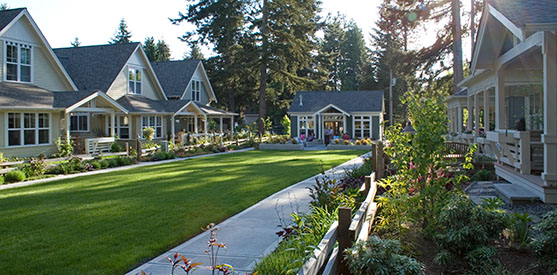
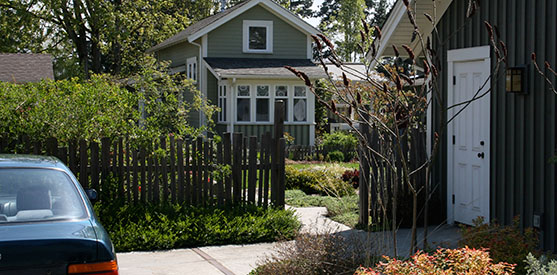
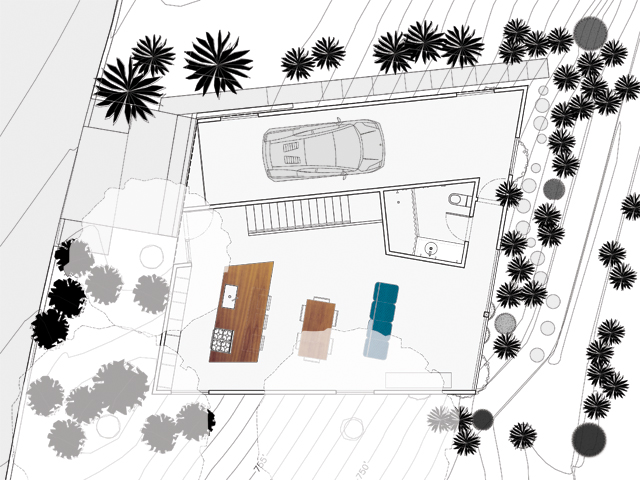
In a smart move, pocket neighborhoods are designed to promote community but also have enough autonomy and privacy for members to do their own thing. One particular design flourish that supports this is the orientation of the houses. By nesting the houses–i.e. the ‘open’ part of one house like its entrance faces the ‘closed’ part of another like its side or back–separation is created without a big yard. Strategic use of low fences and perennials create further barriers for the tightly spaced houses.

Pocket neighborhood houses need not be new and they can be any style, as indicated on PN’s website:

Residences in a pocket neighborhood can be any style — Craftsman Cottage, Contemporary, Spanish Mission, Screaming Solar or Modern Modular. They can be detached single-family houses, attached townhouses, or clusters of urban apartments. The key idea is that a limited number of nearby neighbors gather around a shared commons that they all care for. There are a number of design principles that make pocket neighborhoods successful, but style is not one of them.

Those design principles include a cap on the number of houses in the neighborhood (12 max, but multiple clusters can be joined by walkways), no cars or traffic in the commons, no parking in front of the houses and the active rooms like porches should face the common spaces.

While there are a number of pocket neighborhoods with larger houses, Ross Chapin Architects (RCA) seems to promote “cottage style houses” as the optimal house-style for the neighborhoods. The PN site explains why:

If houses are too large, residents tend to spend all their time indoors. With slightly snug houses, the porch, gardens and shared common buildings get used more, which fosters connection among neighbors. As well, a house that is ‘not so big’ is more likely to be fully lived in and cared for.

These cottages are less than 1000 sq ft and include design elements like large windows and built-in cabinetry that make the space feel larger and use every square inch of space to its fullest capacity. This layout of multiple small homes clustered together reminds us of the upcoming Napoleon Complex by Four Lights.

So far RCA has helped build 14 pocket neighborhoods in the northwest. They take pains to say they are an architecture firm, not a developer, and that there are numerous zoning issues that make establishing a pocket neighborhood difficult in certain areas. They have resources for developers and a book if you’re interested in establishing a pocket community of your own.

We see the pocket neighborhood as a great option for establishing a strong community while using minimal resources and being adaptable to environments ranging from urban to rural.

Do you have firsthand experience with pocket neighborhoods or similar communities? If so, let us know your thoughts in our comments section.

images via Pocket neighborhoods

This post was originally published May 20, 2013 and has been updated slightly. 
Your Guide to Doing More with Less in the Big Apple

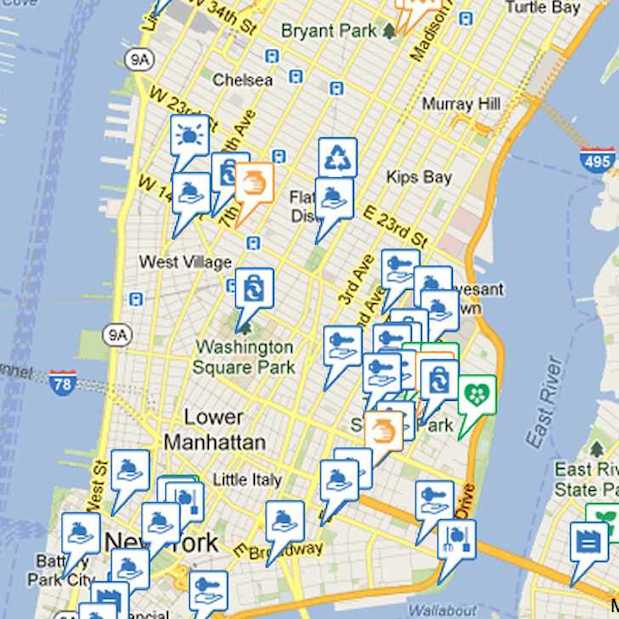
A new project called the “Less = More NYC” Green Map is a great guide for finding your way around America’s largest city using minimal resources. The map, available in print or online, shows a variety of locations–ranging from tool-shares to composting drop-off sites to fixer collectives–that help you reuse, share and upcycle your way around town. The map also has many other searchable sites such as cultural centers, nature sites and even toxic areas (the latter presumably to avoid).

According to a press release for the map, NYC spends $300M carting 600M tons of trash, often to places as far away as Virginia and Ohio. The sites on the map were selected as spots to help reduce both the expenditure of money and resources. “Beyond just shopping at thrift stores and recycling your discards, we New Yorkers have great opportunities to reduce our impact on the earth by taking what would otherwise be going to a landfill and finding a way to give it new life and a new worth,” said Aaron Reiss, the map’s designer.

The map is great because it illuminates the resources that are all around us that might help us live simpler, lower impact lives, but might otherwise go unnoticed.

For non-New Yorkers, the Open Green Map has almost 31K green sites around the world and is available online or as an iPhone app. Both the Less = More NYC map specifically and the Green Map in general demonstrate the power to technology to help save resources.

One question we have is why the “Less = More” Map is available as a print copy at all? The paper version has a mere 13 sites versus the online version’s 150 and counting. Considering the ubiquity of smartphones, one of the first ways of cutting waste might have been to not make a paper map (it is made of 100% recycled paper). Big, foldout maps seem to be going the way of the phonebook…but we digress.

Find pick up locations for the print version at www.facebook.com/Less.is.More.NYC. Or send a SASE to Less = More Green Map, 220A East 4th St., NYC 10009 for a print version.

Former Bordeaux Garage Makes Chic Micro Maison

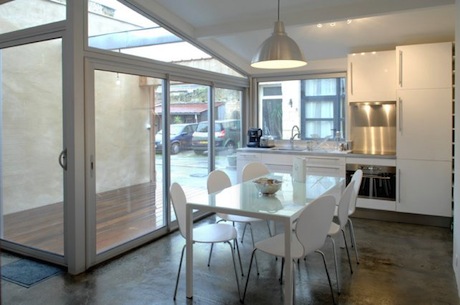
Photographer Jérémie Buchholtz wanted to buy a home in Bordeaux, but there was a dearth of desirable properties in his modest price range. When he found an unused, corrugated-steel-sided 485 sq ft back-alley garage for €80K, he decided to call on friend and architect Matthieu de Marien to see what they could do. Together, they converted the sorry garage into a gorgeous retreat with tons of light and function and even its own 129 sq ft private patio.

passage-buhan-kitchen

passage-buhan-interior

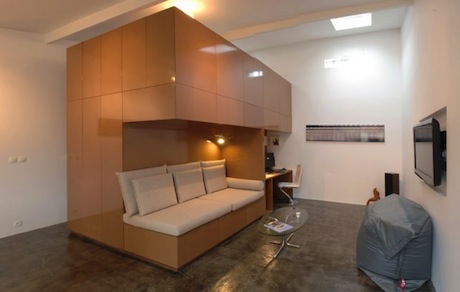
Like the East Village loft by Jordan Parnass or the Spiritual Mode living thingy, the Bordeaux space relies on a freestanding structure that houses the bathroom, sleeping loft and storage rather than containing these things in walled-off rooms and closets. These structures are ideal for raw, open spaces, and like they mention in the video, they keep all the functional parts of the house compact, creating an open feel in the rest of the small space. They also make good use vertical space–important here because they could not build higher than one story due to building code preserving the historic integrity of the neighborhood.

Creative adaptation of existing structures is a vitally important topic in looking at the future of architecture. While it’s cool to build amazing new houses, most of the homes of the future are already here; some, like this one, have been around for hundreds of years.

Via Fair Companies

images via Matthieu de Marien

Put Your Bike on Diet with ThinBike

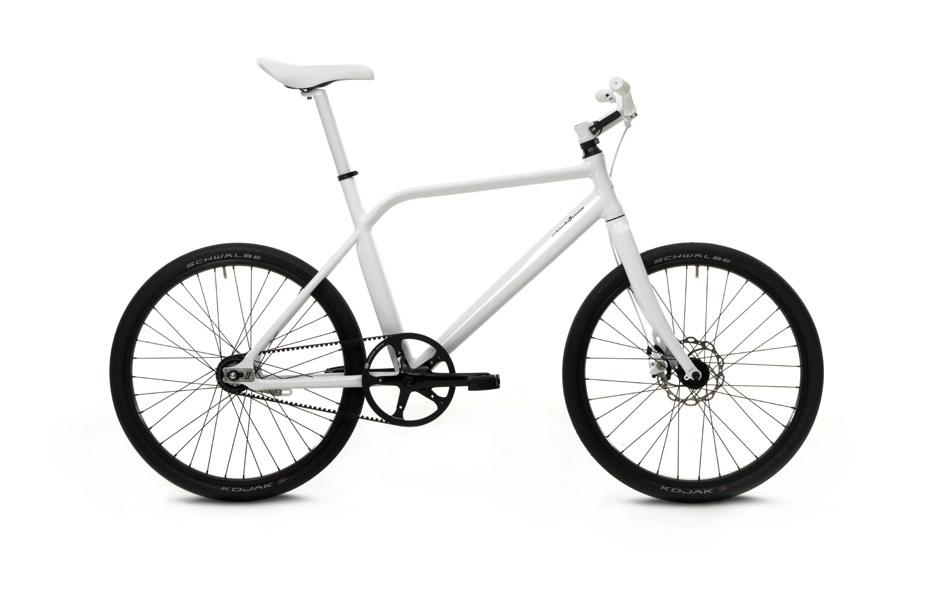
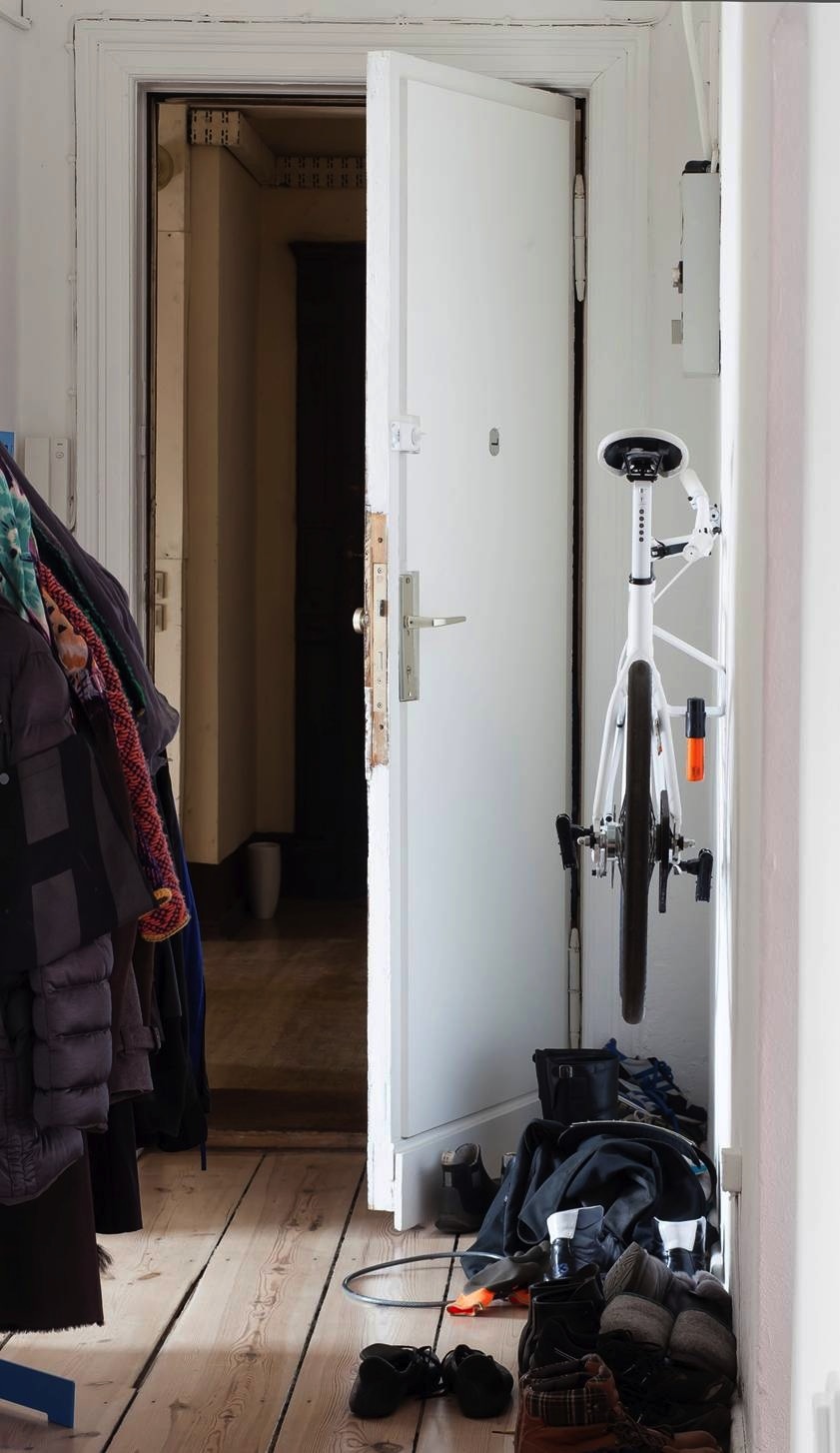
Way back in LifeEdited history (like a year ago), we told you about the super-rad ThinBike that LifeEdited founder Graham Hill helped design with German bike manufacturer Schindelhauer. The one-speed wonder went from a reasonable 21″ width with handlebars in normal position to a mere six with the help of special hardware. The ThinBike addresses one of the biggest bike storage issues, where width can be as problematic as length.

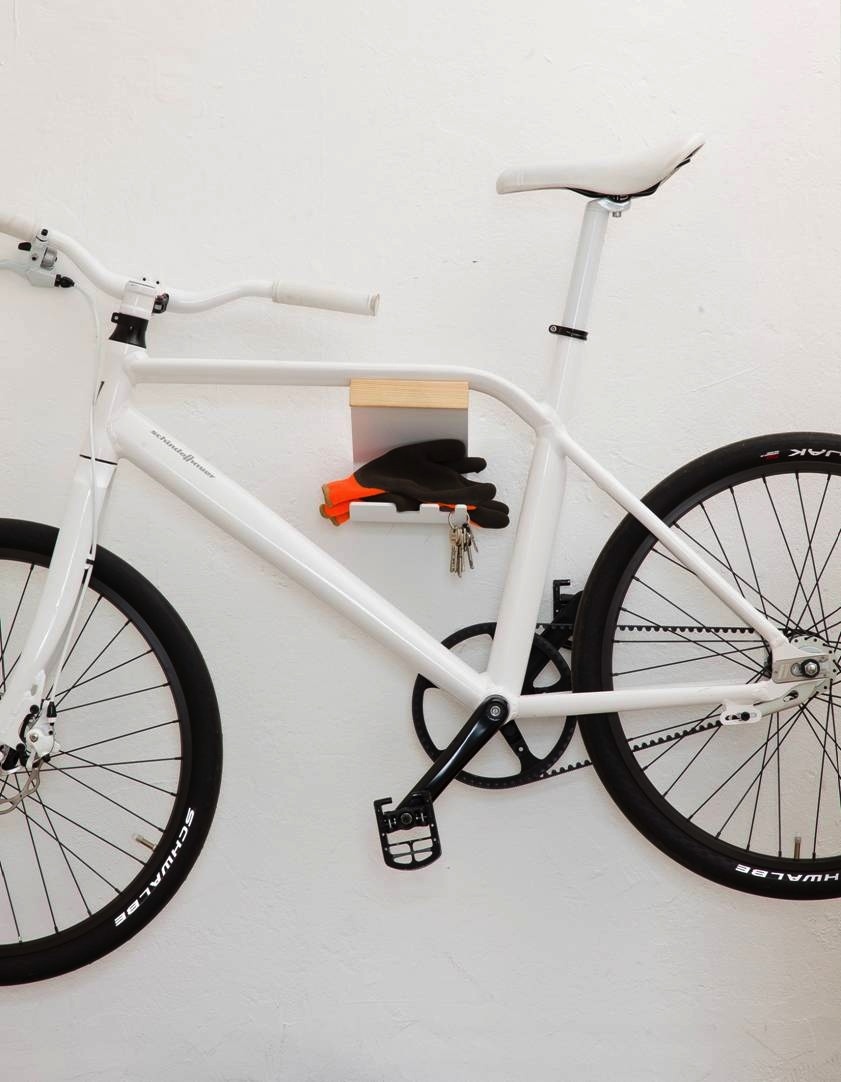
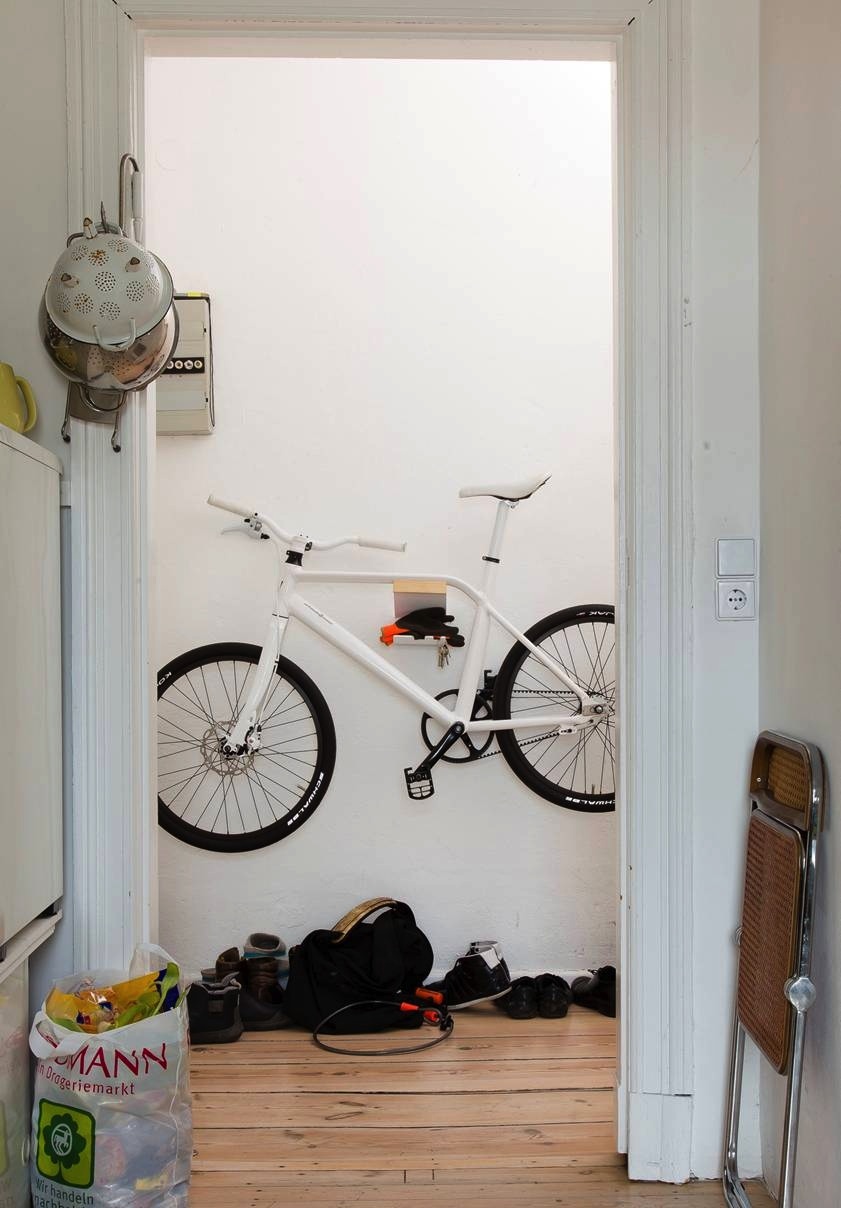
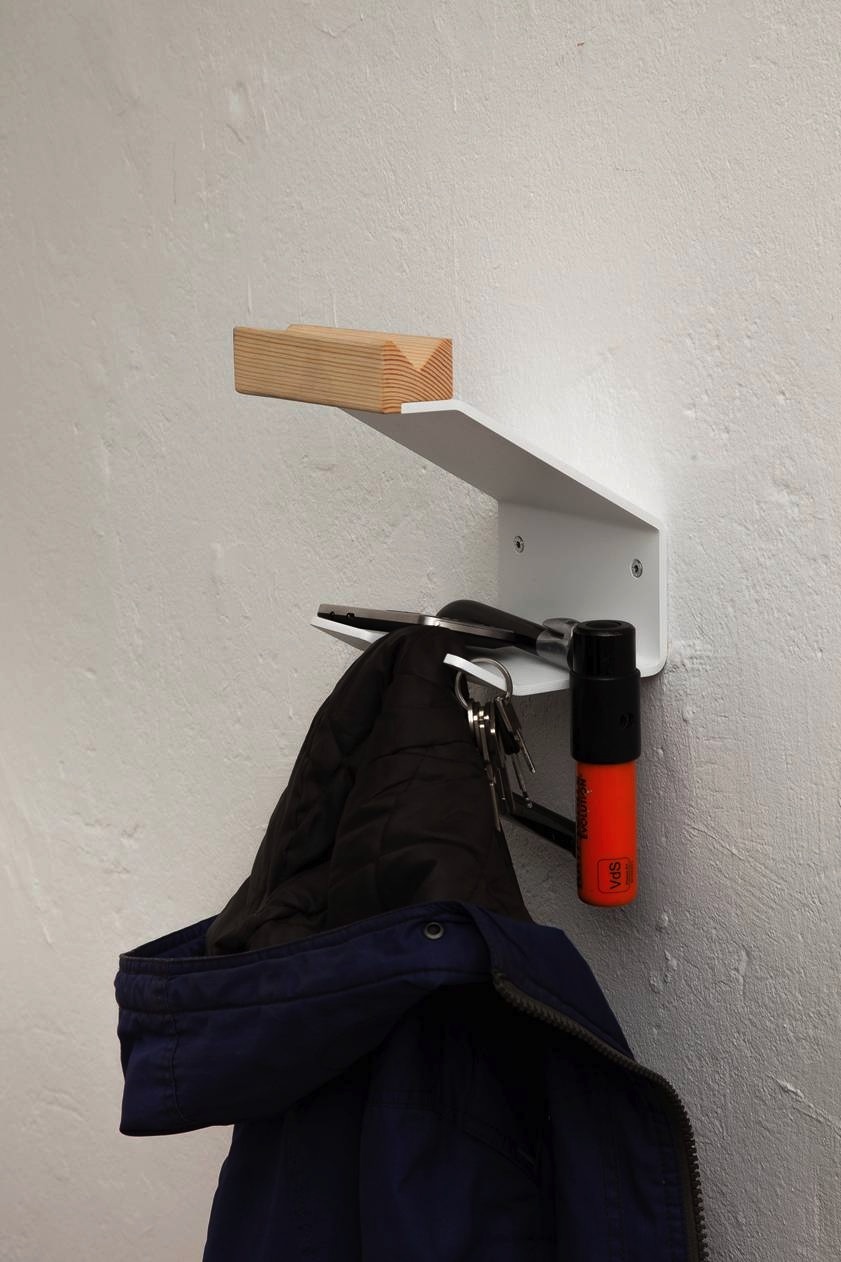
Now Schindelhauer has released a production version of the ThinBike. The bike has evolved quite a bit from Graham’s steed. There is now a front disk brake for superior stopping. It has 24″ inch wheels like those on a cruiser BMX that are stronger and quicker than the previous model’s 700c wheels. It has a two-speed SRAM Automatix shifting system in the event you encounter a hill or bridge. There is a LightSKIN seatpost with integrated LED lights. And it comes with its own proprietary bike rack. Carried over from the previous version are a lightweight aluminum frame (though in different geometry) and a Gates Carbon Drive drivetrain. With its smaller wheels, improved braking, greaseless drivetrain and ease of storage, the new ThinBike will undoubtably make an awesome urban bomber.

And more good news: You can get the bike in the US through Belt Drive Bikes for $1488.00. We look forward to riding ours in the near future. We’ll let you know how it goes.

Lose Your Keys Forever

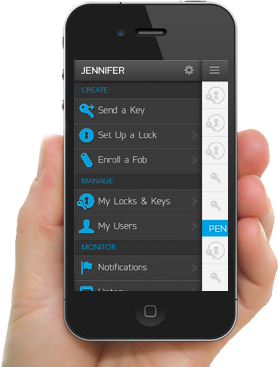
A system called Kevo by Kwikset might have the power to free the world from the scourge of sharp-toothed keys forever. The system is similar to proximal automotive systems that open doors and allow you to start a car with a remote fob. Instead of a fob, Kevo uses your iPhone to open the door; just stand near the door (you don’t even need to take the phone out of your pocket), touch the lock with your finger and enter.

kevo-smartphone

One of the most useful features is that Kevo lets you lend your keys remotely. You can send your virtual keys to a houseguest, neighbors or contractor via your phone instantly. Other features include:
  • Military grade PKI encryption to prevent hacking into phone (we’re assuming that’s a good level of encryption).
  • Automatic deactivation once you’re in the house, so someone can’t open the door while you’re at home.
  • If you lose your phone, you can log into the Kevo app via someone else’s phone to open your door. You can also log into their web portal to disable key on your lost phone.
  • Multiple low battery warnings. Its four AA batteries are said to last about a year.
  • Standard slot for normal key.
For it’s first release, Kevo is only supported on the iPhone 4S and 5, though we imagine that will change. For non-iPhoners, there is either the standard key or a fob (one is included with purchase) that acts the same thing as the phone.
We do wonder whether Kevo will be like radio/showerhead, where in a few years, when new phones are totally incompatible with the lock, you have this weird lock surrounded by a bunch of LEDs. Then again, having a key-free existence is mighty tempting, as is being able to lend keys to people from anywhere in the world that has wifi. Also, since Kevo works off of Bluetooth, there’s a good chance that the system will be technologically relevant for a good while.

According to Mashable, Kevo will be taking pre-orders in June and shipping later in summer. The price will be around $249.

Update: Kevo is now available for $219 at several retailers

Quirky.com Helps You Get More Flat in Your Diet

If you haven’t heard of it, Quirky.com is a crowdsourcing product design site. Through Quirky, people can propose, collaborate on, produce, market and sell their designs. Probably their most notable product is the Pivot Power-strip, which solves the problem of bulky plug overcrowding.

pivot-power

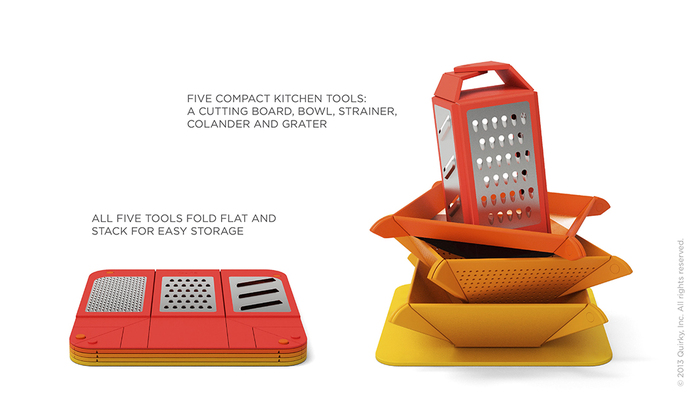
We came across an upcoming product called Snapware, a five-in-one kitchen tool set. There’s a cutting board, multi-purpose bowl, colander, strainer, and three-sided grater–all of which folds to a one inch flat square, ideal for a tiny kitchen like a Kitchoo, where even something as space-efficient as the Joseph Joseph Nest 9 Plus is too bulky. They also say it’s a great for camping.

snapware-2

snapware-3

The unit is dishwasher safe. The projected price is a mere $14 presently, though the public is weighing in on an appropriate price.

Check out more products at Quirky.com

Take A Historical Tour of Space-Saving Design

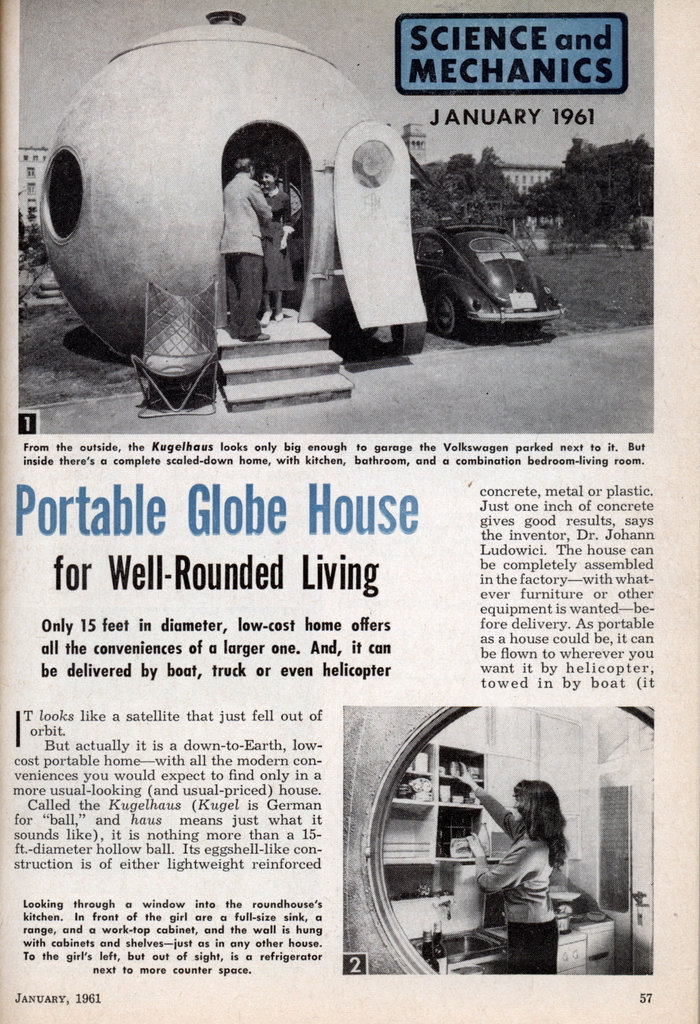
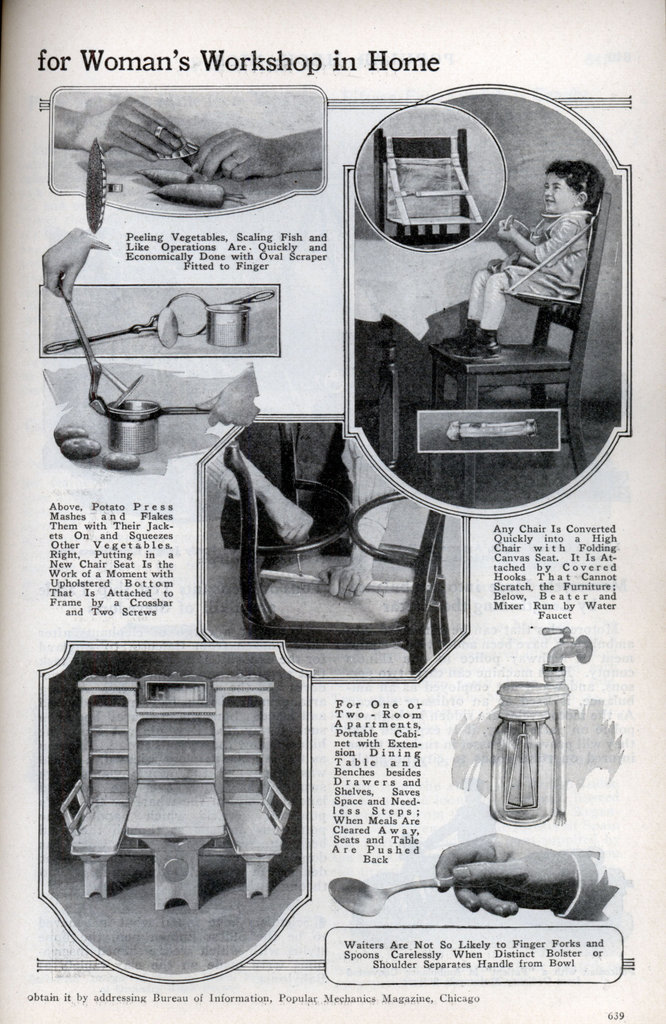
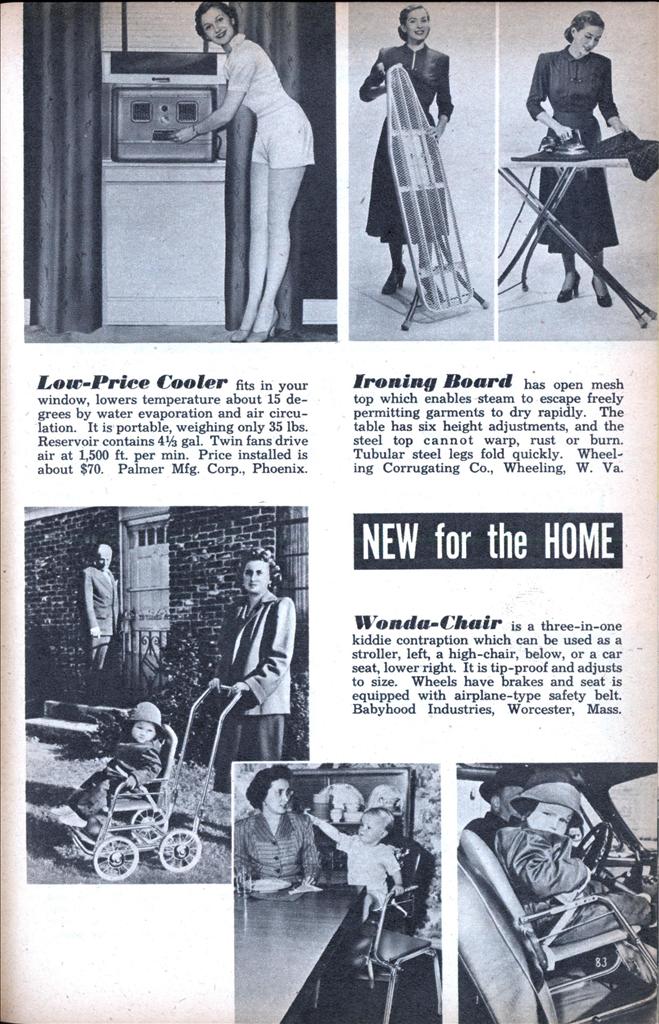
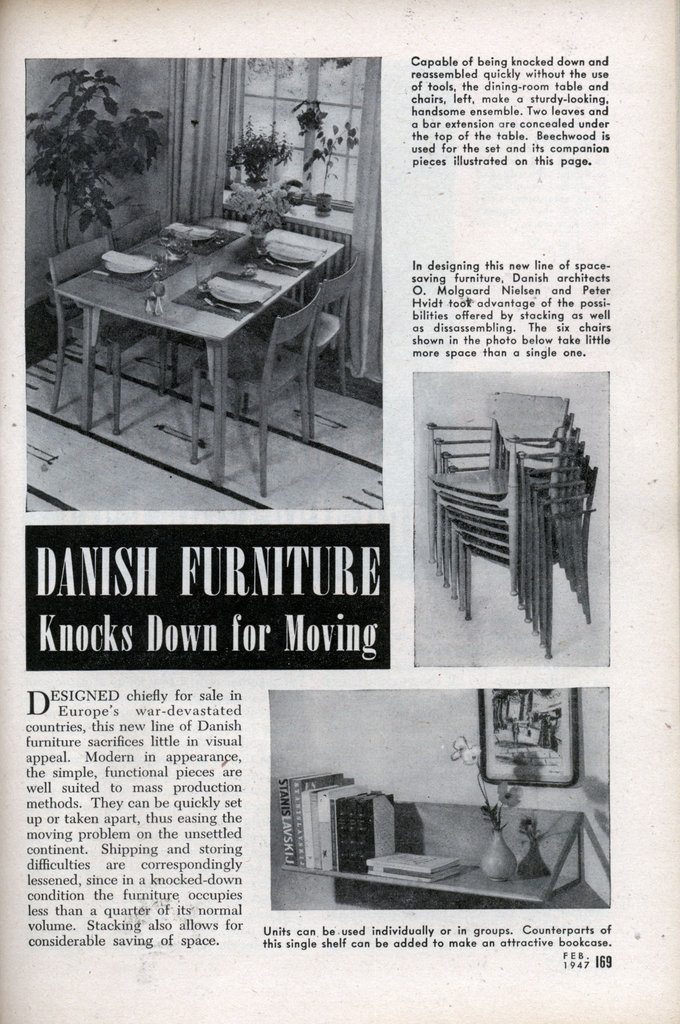
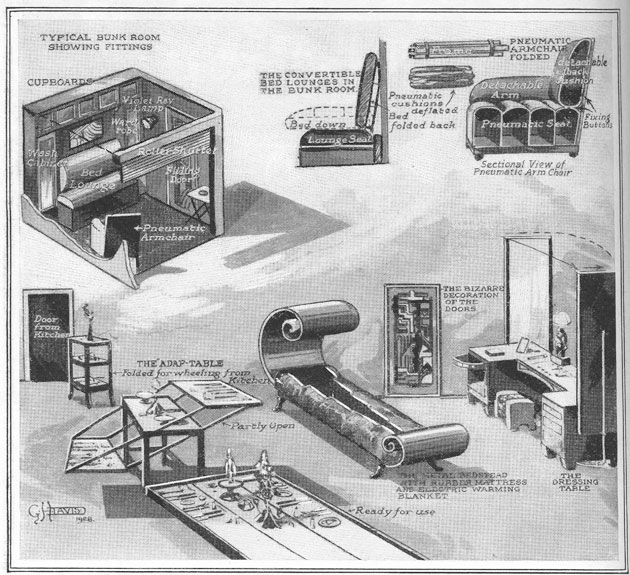
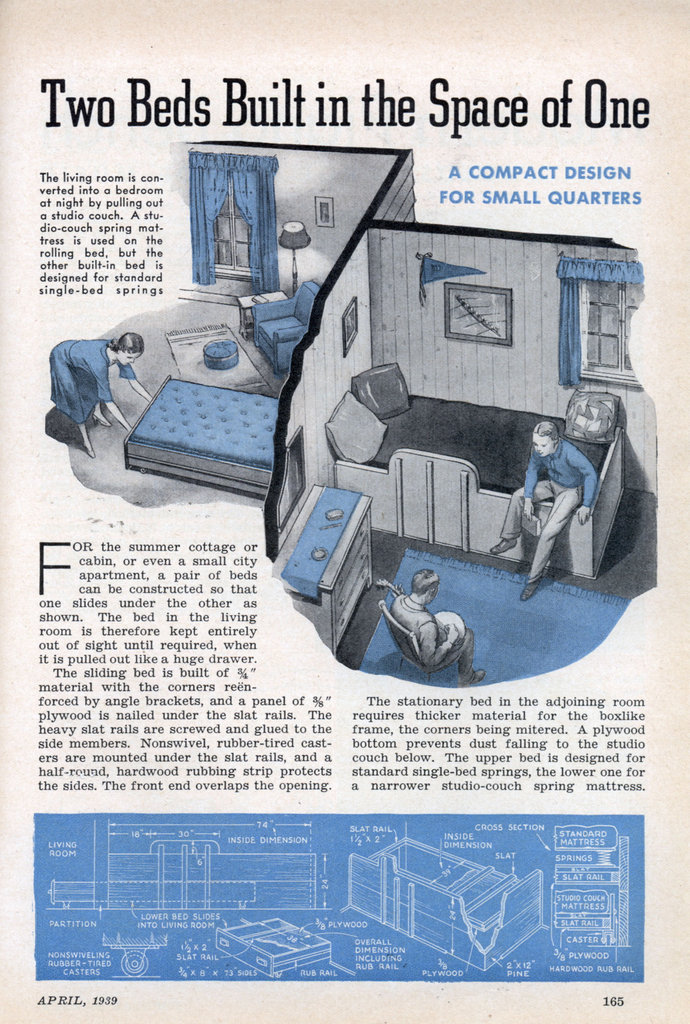
If you think space saving furniture, multifunctional design and tiny transforming spaces are a new idea, think again. As long as humans have tread the planet, they’ve been looking for ways to make their homes more space efficient and products more versatile. We went through the awesome website to Modern Mechanix and found several ingenious–and questionable–space saving designs dating all the way back to 1915.

click on images to expand

Via Modern Mechanix

AA: Helping Los Angeles with Its Big House Addiction

Los Angeles has a new ally in combatting sprawl. Anonymous Architecture is churning out spaces that are small, useful, affordable and might help reign in the rate of ceaseless residential land expansion.

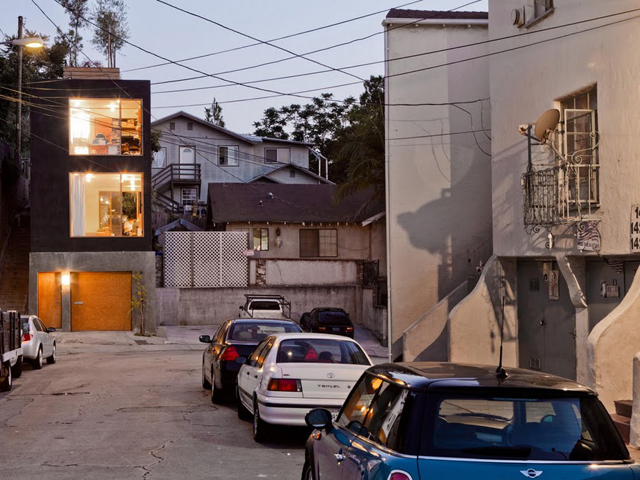
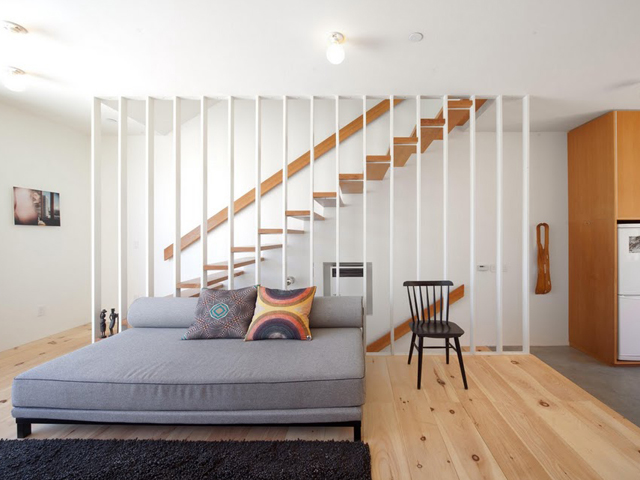
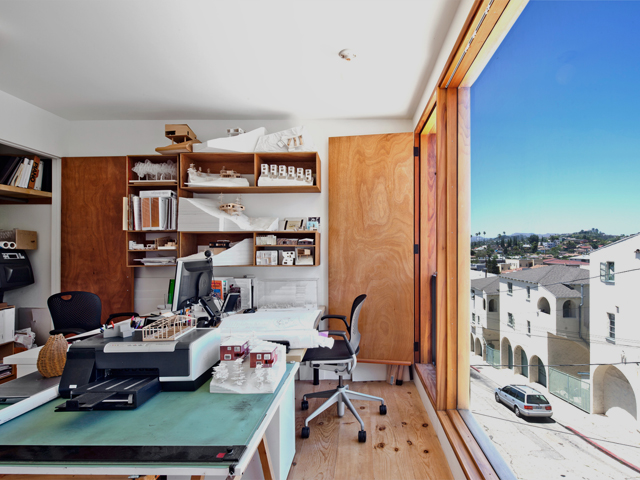
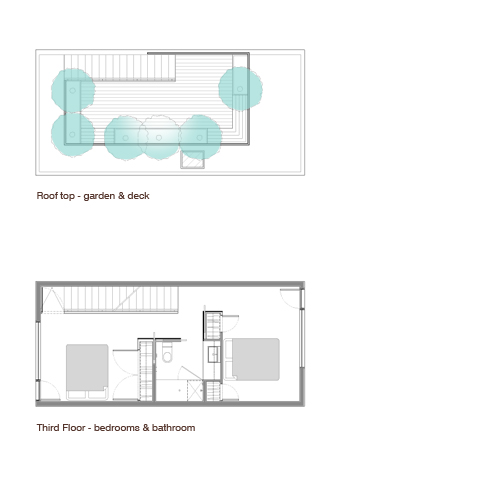
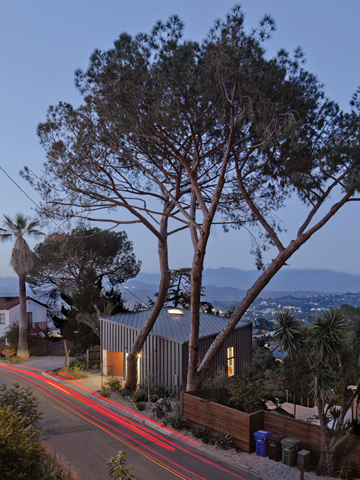
We came across AA’s “Eel’s Nest” home via Fair Companies; it is AA lead architect Simon Storey’s personal home. He said he was drawn to the land and its home because they were half to a third the price of anything else in the area. The tiny lot–780 sq ft–originally held an even tinier 350 sq ft home.

Storey tore down the old structure and replaced it with a box-shaped 960 sq ft home with two stories, two bedrooms, a garage and roofdeck. The whole project, according to Storey, had a modest budget of $120K. Even though he probably saved a little money on architect fees, this is an impressive sum for building a very attractive and livable house.

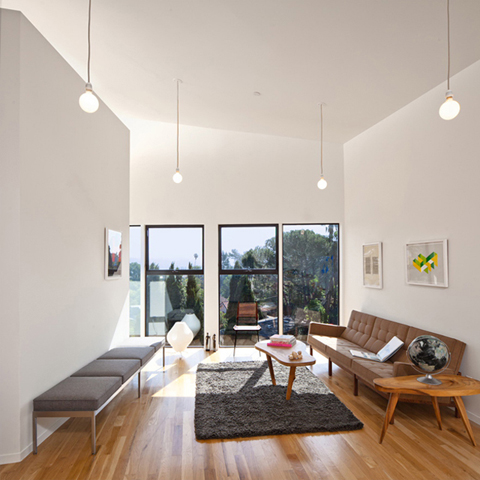
AA designed another interesting small space called the BIG and small House on LA’s Mt Washington. The home has a 2500 sq ft lot size, a 900 sq ft house footprint and 1200 sq ft of useable floor space. The idea behind the house was to maximize the feeling of spaciousness by incorporating high ceilings, lots of natural light and maintaining an open floor plan. The very luxe feeling space had a $200K budget. Not cheap–especially for what is essentially a one bedroom house–but far from outrageous considering the innovative design.

If you think these homes aren’t compact, consider these facts from the US Census:

The average new single-family home sold was built on a lot of 16,663 square feet. The average lot size for new homes sold inside metropolitan areas was 15,616 square feet. Outside metropolitan areas, it was 28,768 square feet.

We appreciate that AA’s designs provide interesting and cost-effective architectural solutions to combat urban sprawl, which is typically dominated by huge homes.

Image via Anonymous Architecture

The Funk-and-Wrinkle Free Dress Shirt

A fashion startup called Wool and Prince is offering the ideal dress shirt to include in your personal uniform. Their shirt, being launched on Kickstarter, is made of 100% wool that they say will not wrinkle or get all funked up after 100 wears–a claim the founder Mac personally verified through personal wear, sans undershirt. In fact, they gave the shirts to 15 dudes around the world who “did everything from backpacking in the Andes to dancing in ‘Tropical’ NYC clubs.” You can see some of their hijinks on the Wool and Prince’s website.

wool-and-prince

Other salient features include soft-to-skin fibers (they call the particular type of wool “Cotton Soft”), breathability and the availability of several colors and patterns.

The company’s beer-pong chic brand identity might be a bit off-putting to some (their tagline is the “Well Endowed Fiber”), but the shirt, like the Ministry of Supply shirt we looked at a while back, apparently has great appeal. At last check, they raised $299,354 of their $30K goal for the first run of shirts due in November. Before they sold out of their shirts, a $98 pledge would have got you one of their shirts, which isn’t a half-bad price  for a shirt that does double or triple duty (no indication how much they’ll be when they come to market).

What’s so smart about Wool and Prince is that they are thinking about how to make our everyday items better. Men have come to assume that button down shirts need to be washed and pressed after every wear, but maybe not. Maybe you can wear one shirt throughout the week and it’s still fresh enough for the Chris Farley movie retrospective on Friday night.

image via Wool and Prince

Elastic Living Space Perfect Solution for Bloated Home

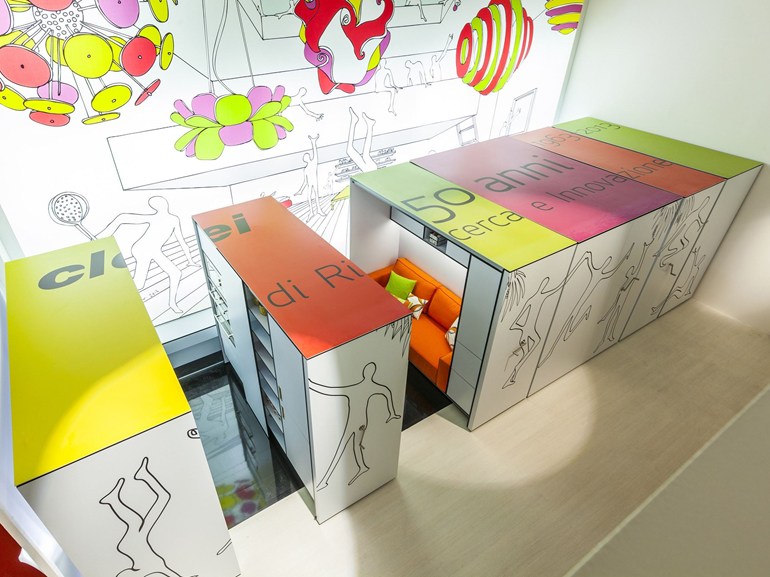
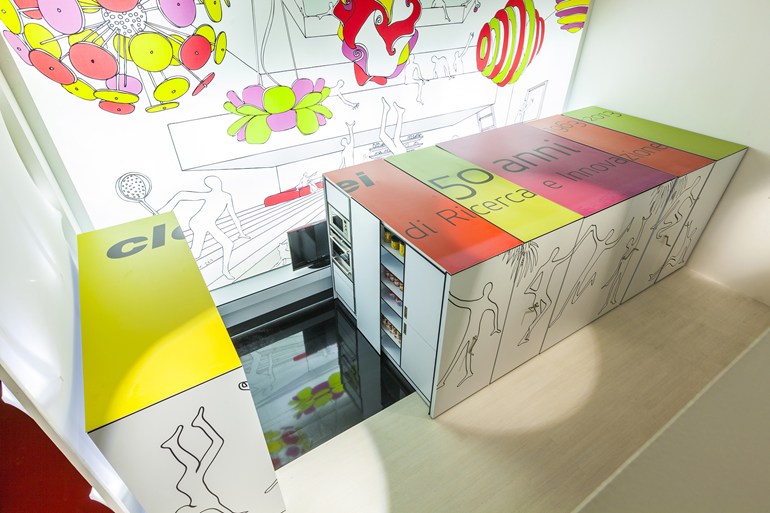
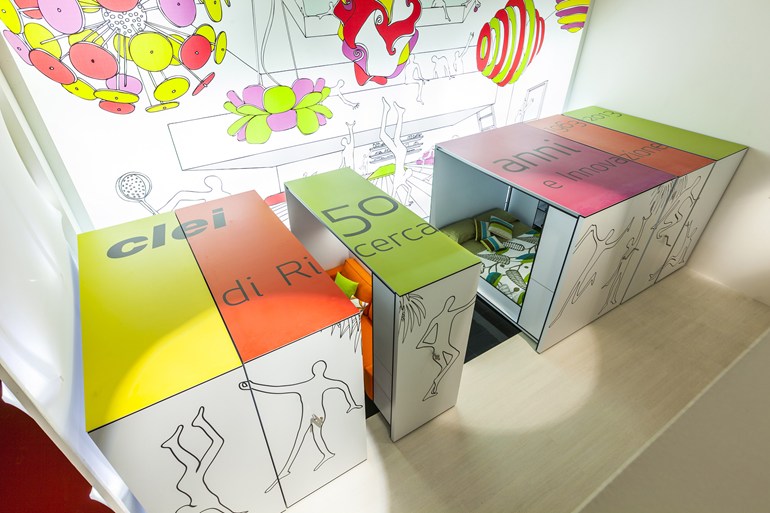
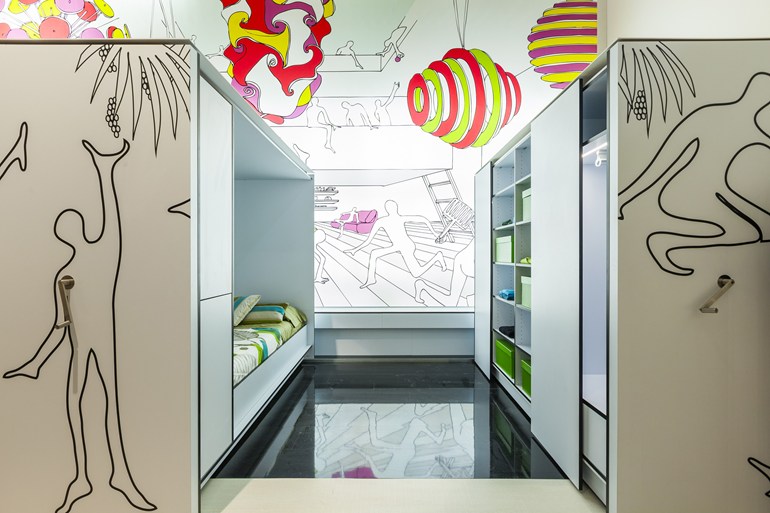
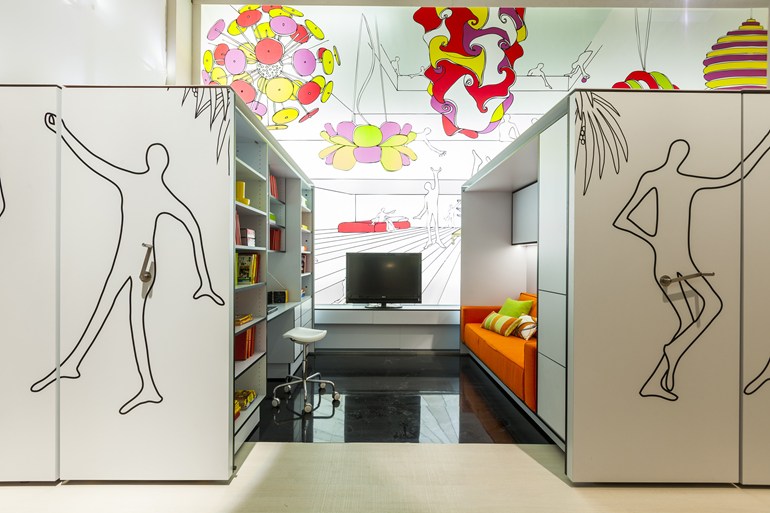
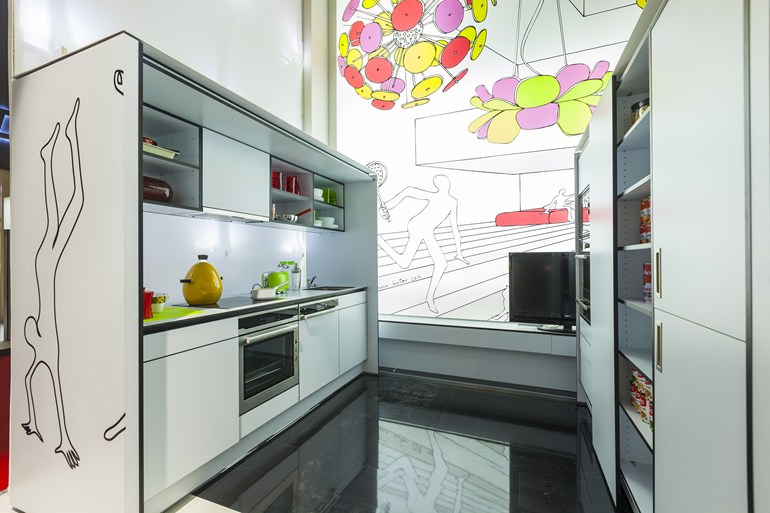
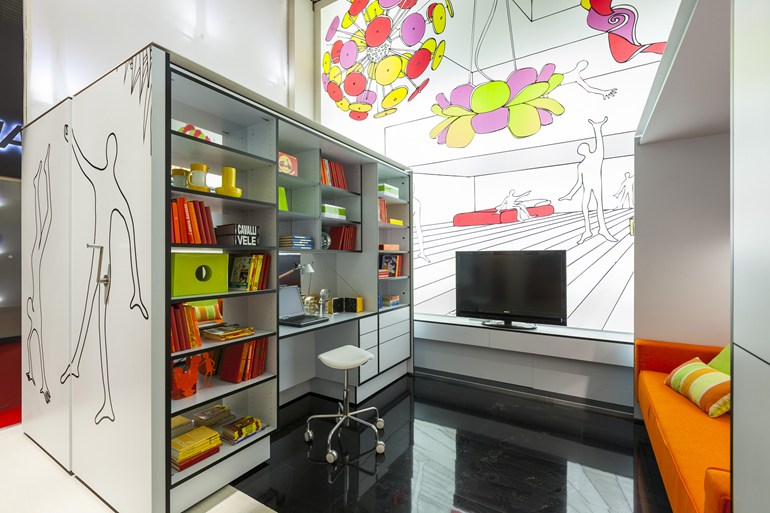
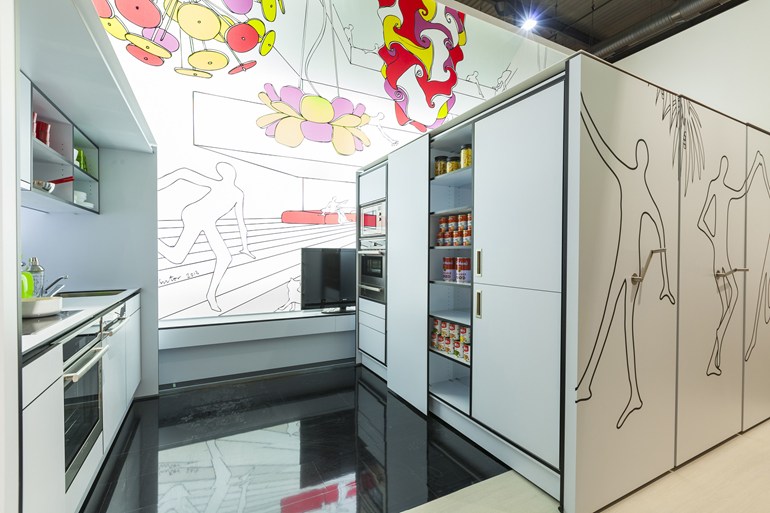
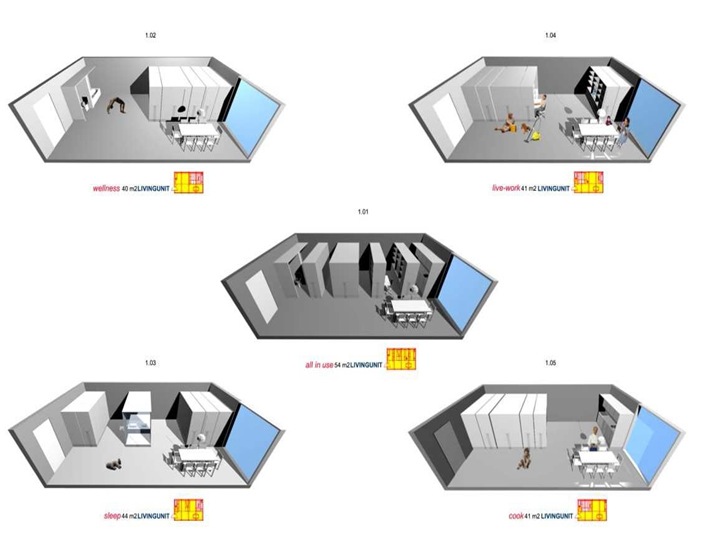
Clei, Italian master of all things space-saving, presented this concept home entitled Elastic Living at the Milan Design Week in celebration of the company’s 50th anniversary. Similar to the Environmental Grantmakers Association office and MIT CityHome concept, Elastic Living slides on a library wall-style track. Each of the seven wall units contain a different “room,” and depending how the walls are opened, you can create several different room configurations.

In terms of “what would I do with this?”–if that’s even a relevant question–Clei seems to indicate the unit would be best placed in a large room similar to the EGA office, and depending on which module is open, you can have a large, open kitchen, dining room, etc (bathroom?). This design makes a lot of sense for an office, where privacy is important, but less so for living spaces where continuity is key. We might suggest a smaller version, containing only rooms like bedrooms, which are used once a day; when you wake up, you file them away until the evening. Then again, it’s a concept.

image via Archiproducts