In the coming months, we will be highlighting products and services we use in the LifeEdited apartment. Today, we’re looking at the Swing Sofa/Bed from Resource Furniture.
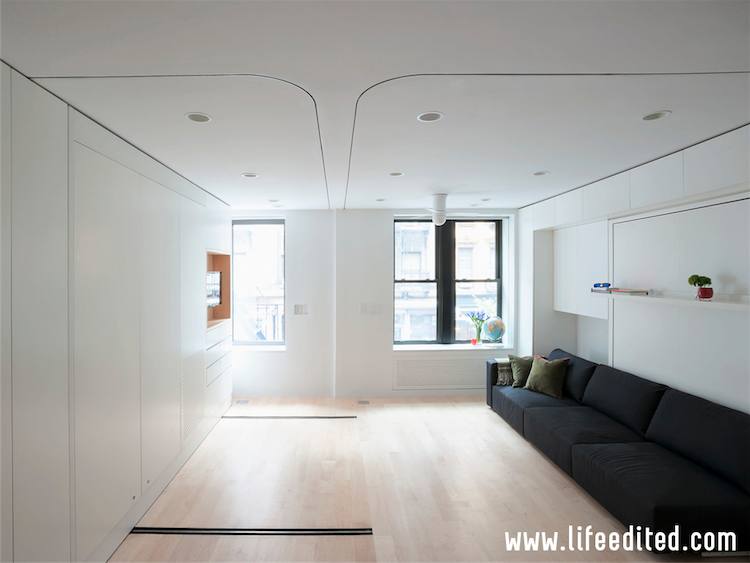
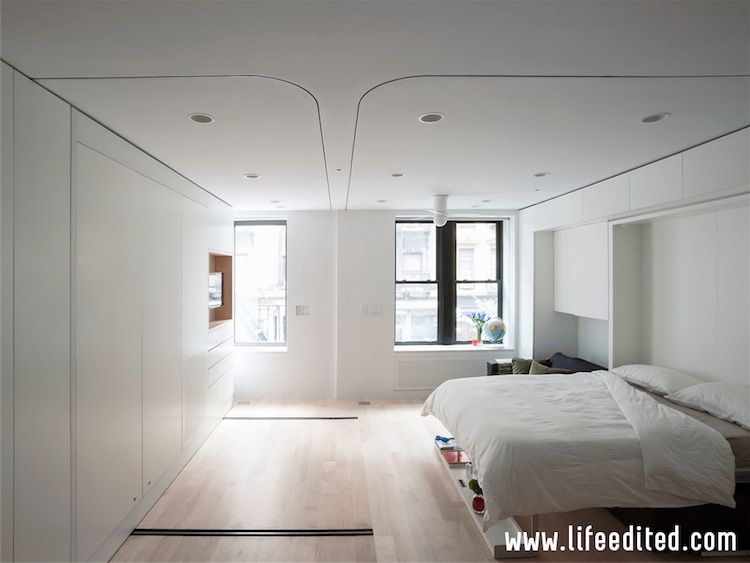
The Swing sofa/bed from Resource Furniture is probably the most important piece of furniture in the LifeEdited Apartment as the master bed and couch are arguably the two most important pieces of furniture in any home. It serves the vital function of easily converting our comfortable living room into a comfortable bedroom.
Standard Murphy beds require their front-sides to be clear before lowering their beds. The Swing utilizes this valuable frontal real estate because its bed, when lowered, is higher than the full-sized couch that sits flush with the frontside of the unit. This exploitation of all available space is crucial for small homes, where every unfilled gap cuts into valuable square footage.
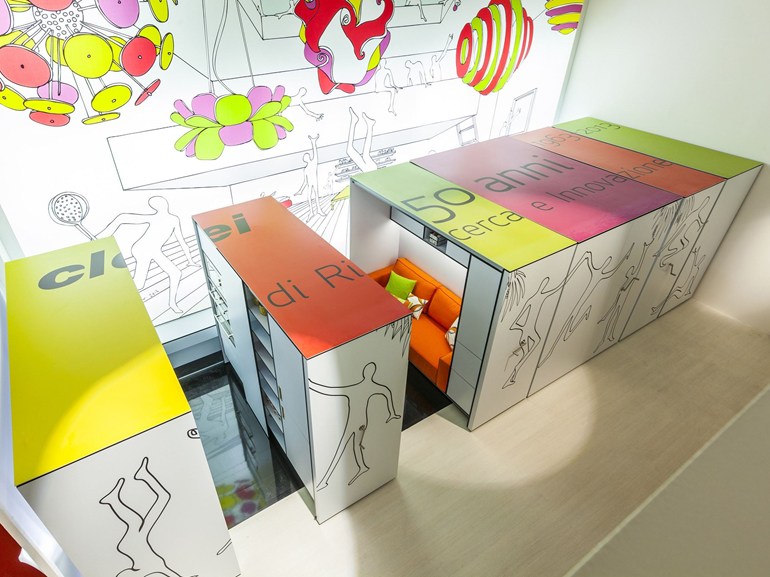
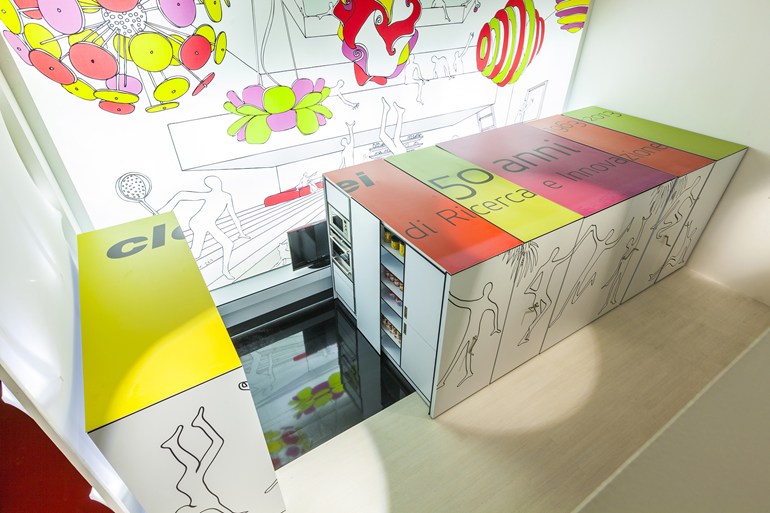
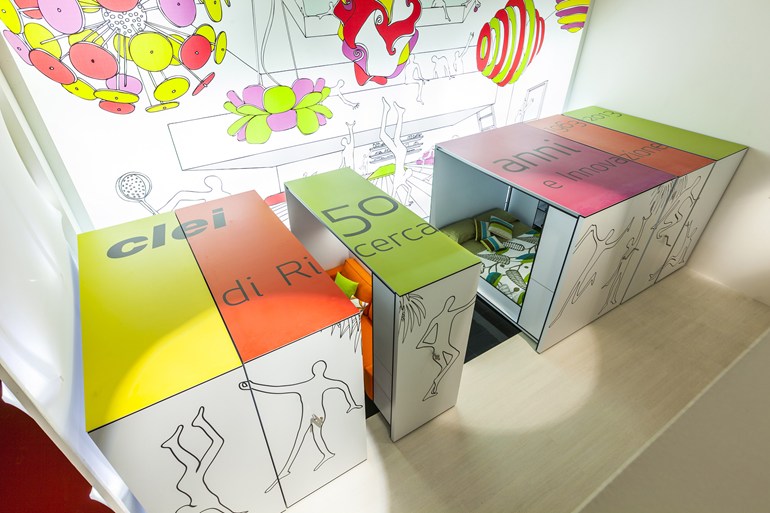
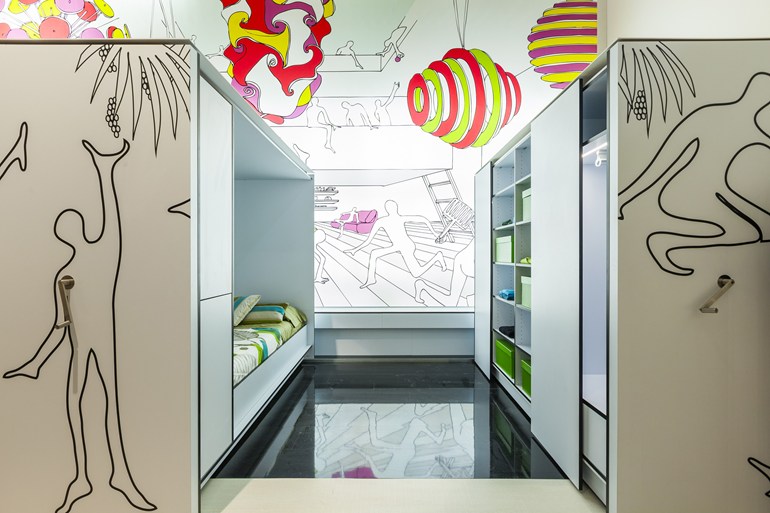
The Swing is designed and manufactured by Clei in Italy. Here are some of its key features:
- Easy, one-handed lowering of the bed.
- An available chaise lounge, which can be attached to either side of the sofa. With the chaise, the sofa is 9′ 2″ wide.
- The chaise version has an upper shelf that provides and additional 6′ of storage (note: The LifeEdited version does not include this feature).
- An aluminum bedframe with steam-bent beech wood slat supports.
- A bookshelf that holds up to 25 lbs and stays level when the bed is pulled down.
- Storage under the sofa seat for bedding or other items.
- A self-standing/self-supporting structure that requires no attachment to the walls or floor. It is a ‘wall-bed’ that makes its own wall and can be used as a room divider.
- Available in more than 40 finishes, melamine, lacquer and wood veneers. Available in 30 CARB 2 compliant (California Air Resources Board) finishes.
- Available headboard cushions that provide cushioning and eliminate the gap between mattress and backboard, ideal for reading or watching TV in bed.
- Available in 100 different fabrics options.
- Available LED interior lighting.
Amazingly, the entire depth of the system when open for sleeping is only 6.5” longer than a standard mattress.
Prices for the non-chaise version start at $9100 and $12,850 with chaise. Bank on an extra $800 or so for a mattress. No this is not cheap, but this is a quality piece of furniture you will have for years. Furthermore, consider the Swing could eliminate the need for a dedicated bedroom. How much does an extra bedroom cost? In a city like New York City, real estate can easily fetch between $500-$1000/sq ft. Let’s say a very small bedroom is 70 sq ft–in other words, 35K-70K!
The difference between a studio rental and a one bedroom, or between a one bedroom and two bedroom can easily be $1K/month difference. The Swing could pay for itself in a year and you’d have a great piece of furniture to take with you to your next place.
Looked at in either of these lights, the math becomes quite different.
For more information, visit www.resourcefurniture.com or stop by their New York City showroom.