We Love Our Plumen Drop Hat Pendant Shades with Warm, Dimmable LED Bulbs!

The light bulb market in America is ever-changing and complicated due to shifting regulations. Even though the U.S. Energy Independence and Security Act of 2007 sought to enforce the phase-out of incandescent lightbulbs, setting standards which LED and CFL lightbulbs already met but which incandescent light bulbs did not, it has since been undercut by congress. While it is upsetting that incandescent light bulbs are still on the market in 2016, there have still been positive effects of the 2007 Energy Act on the lightbulb market itself. One such effect is that the cost of buying and owning LEDs has improved.

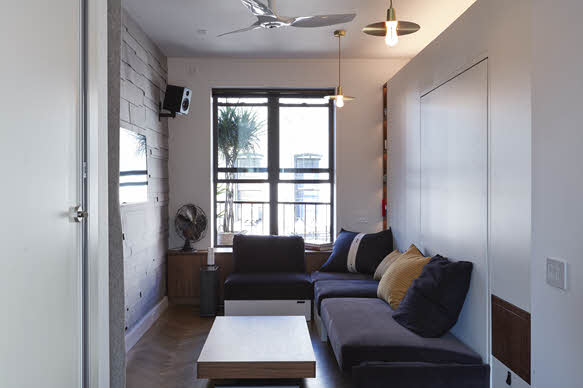
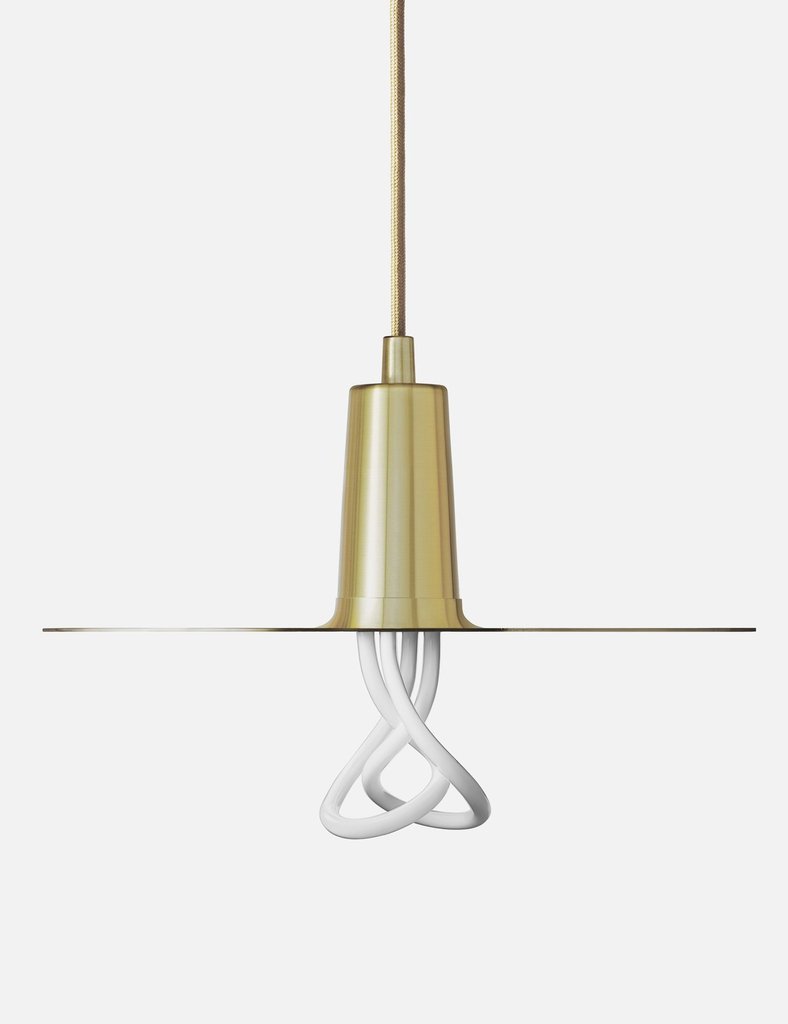
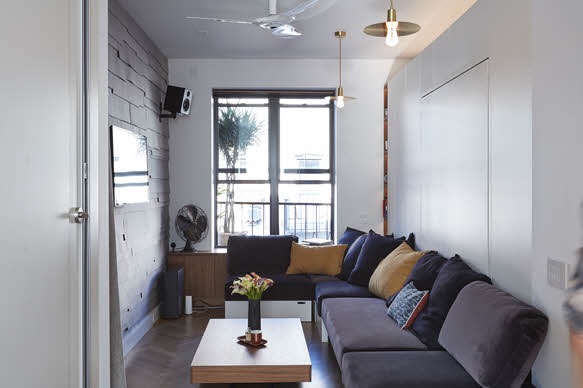
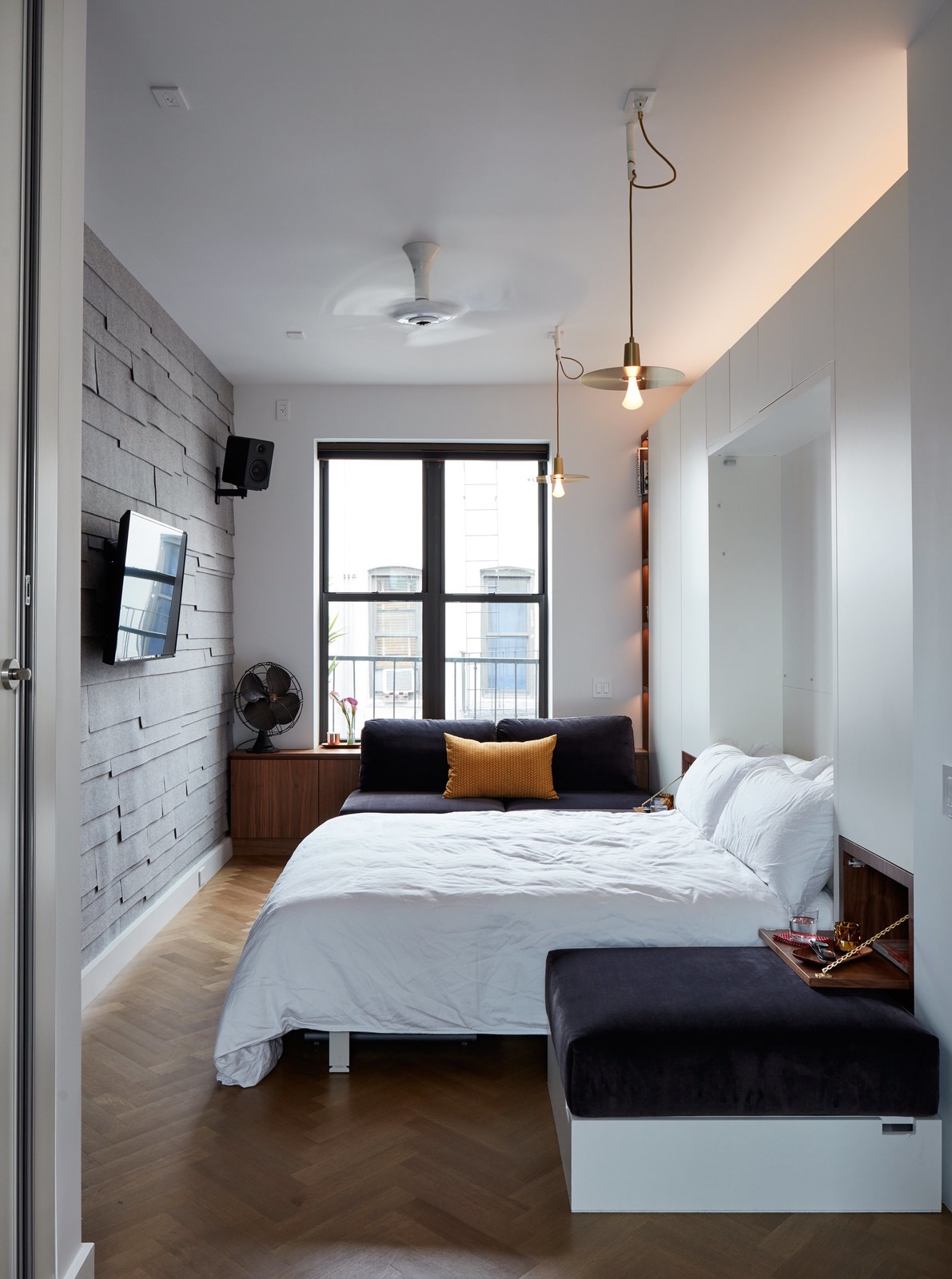
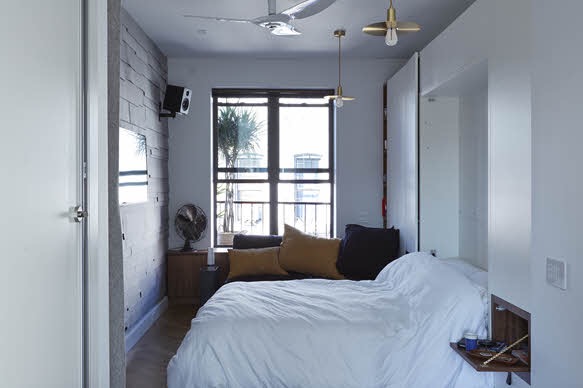
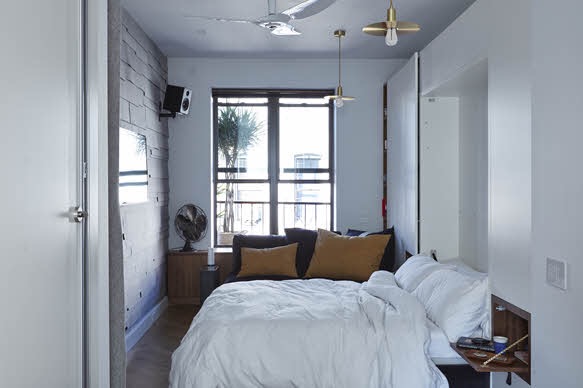
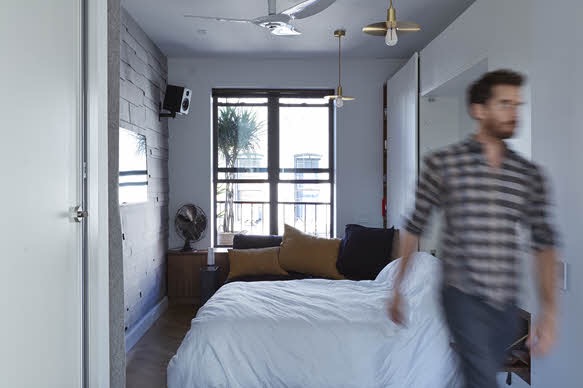
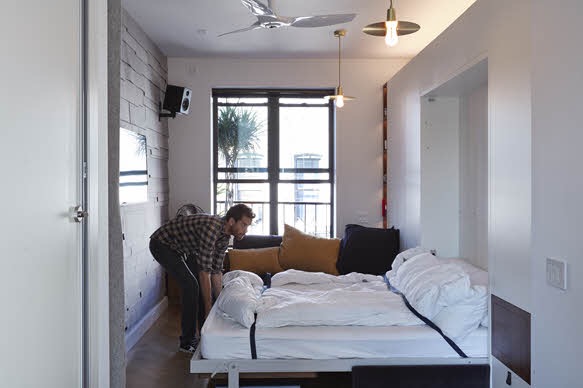
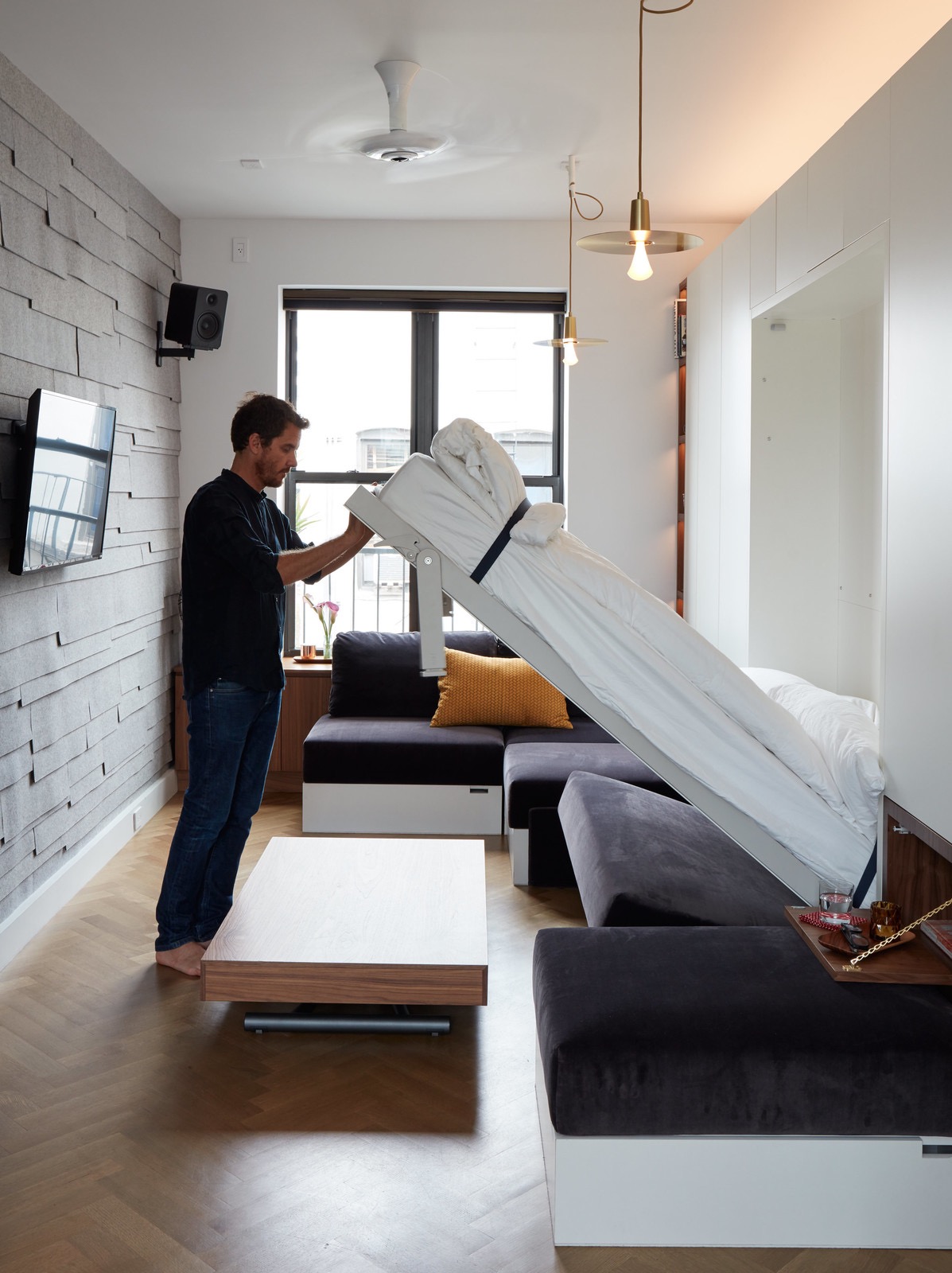
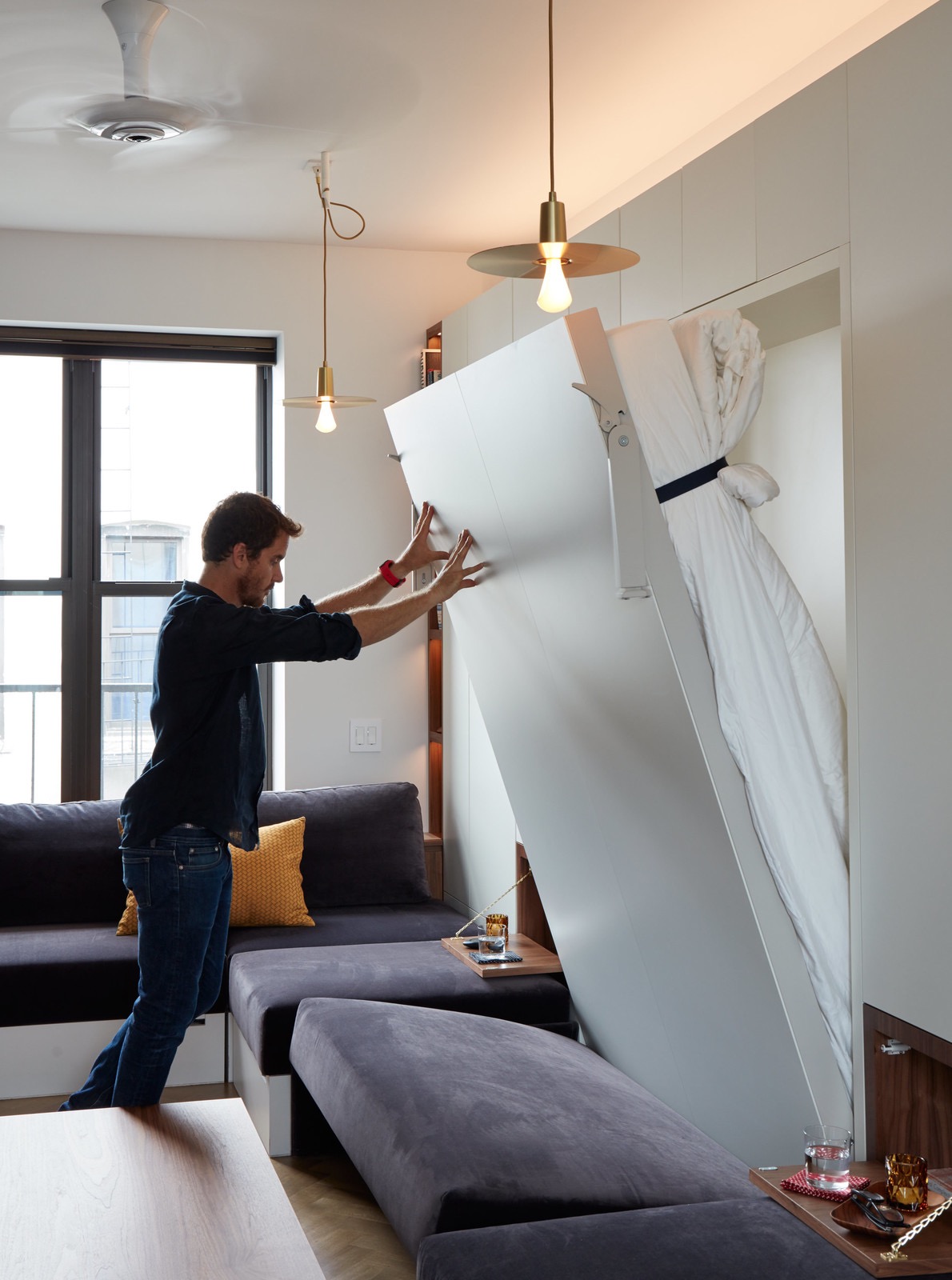
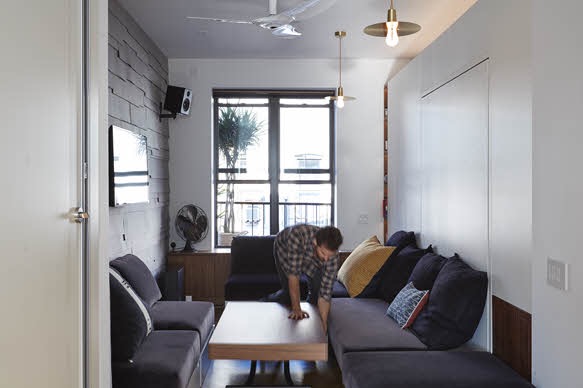
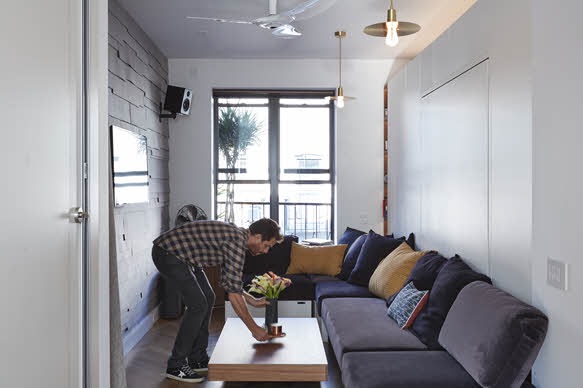
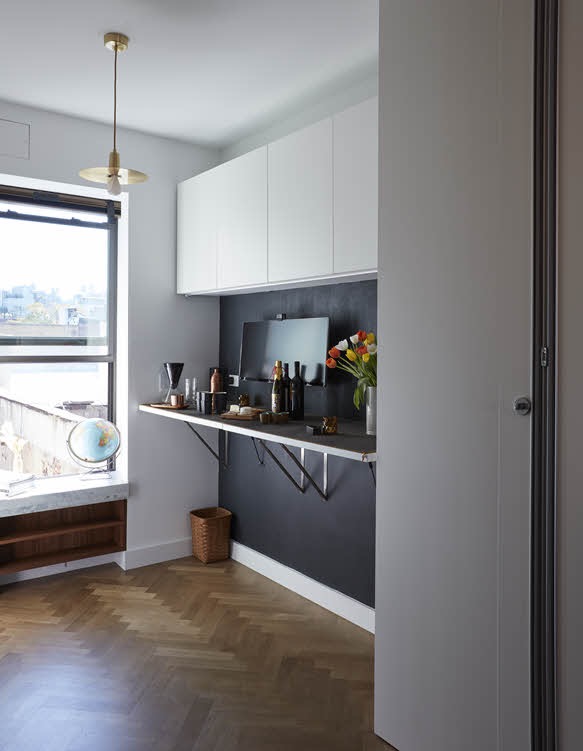
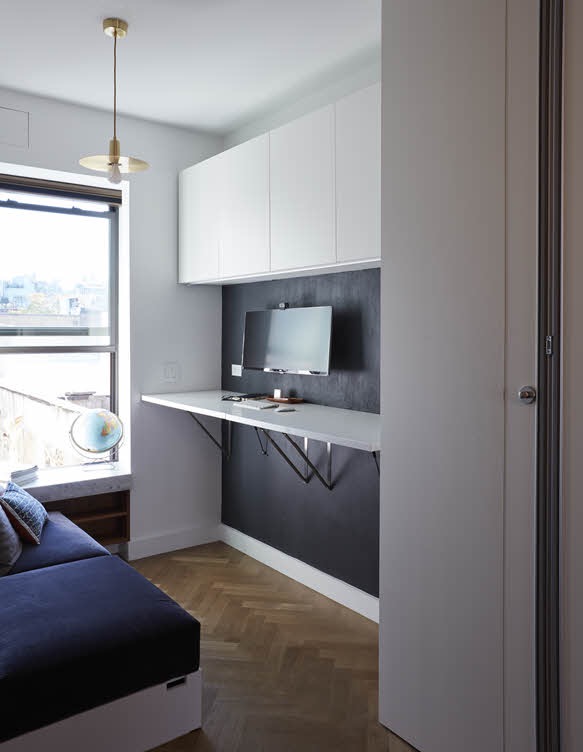
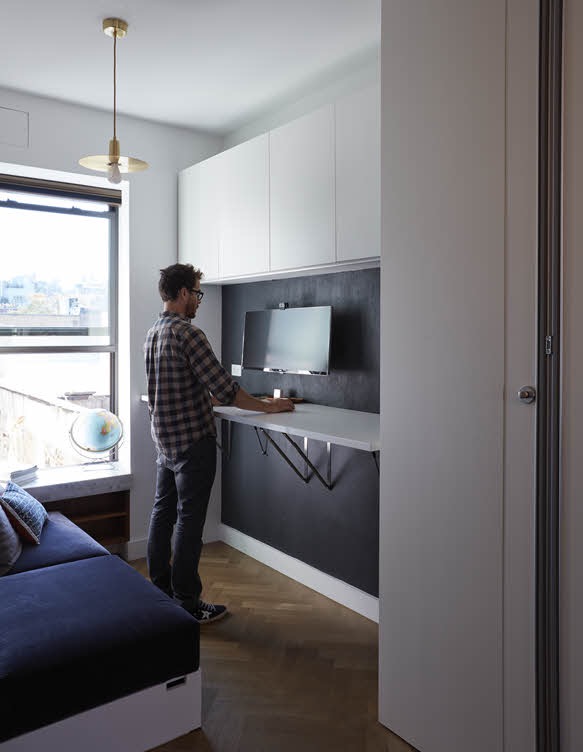
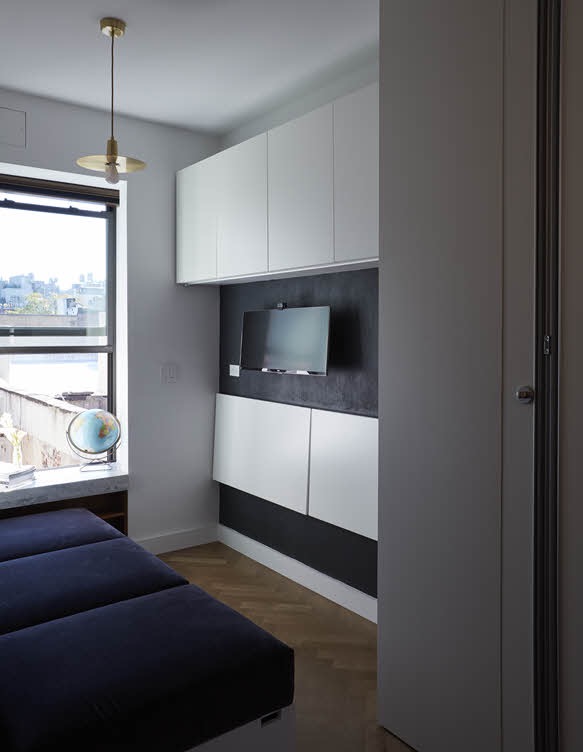
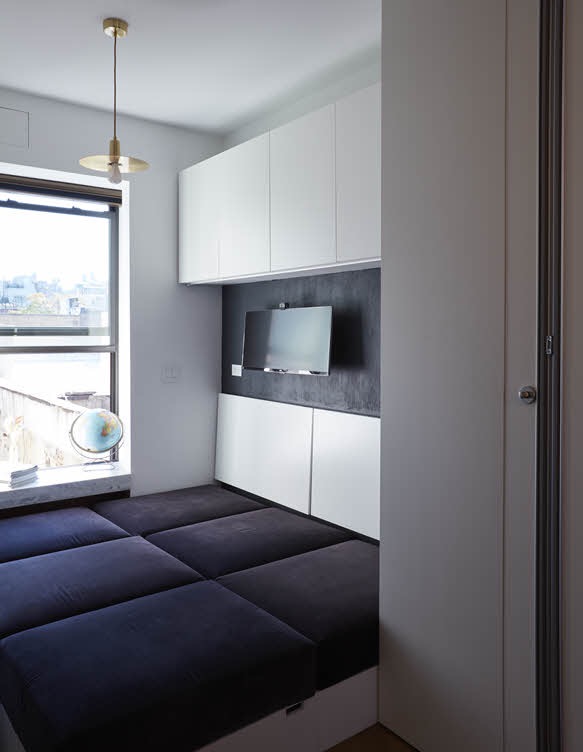
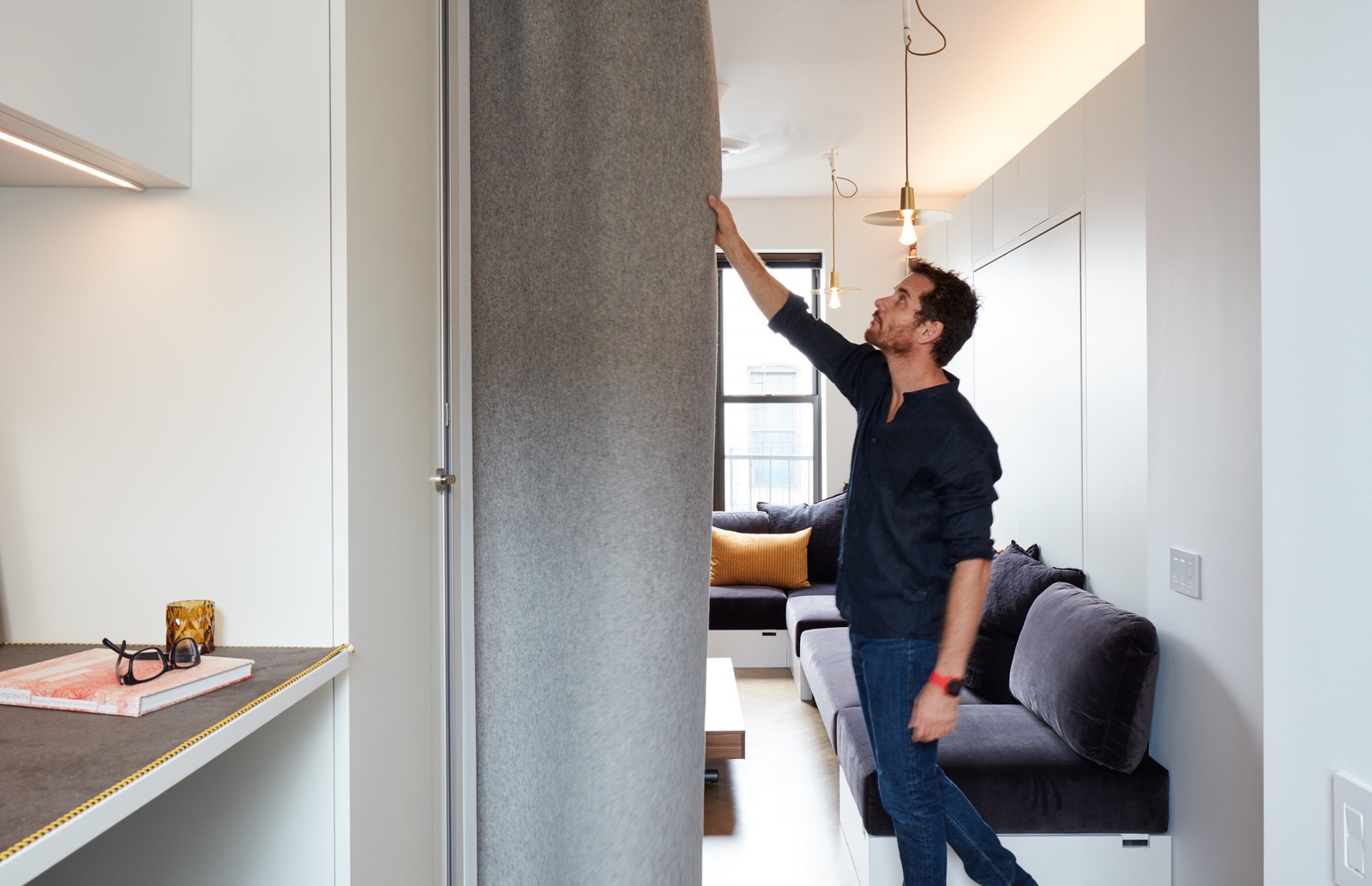
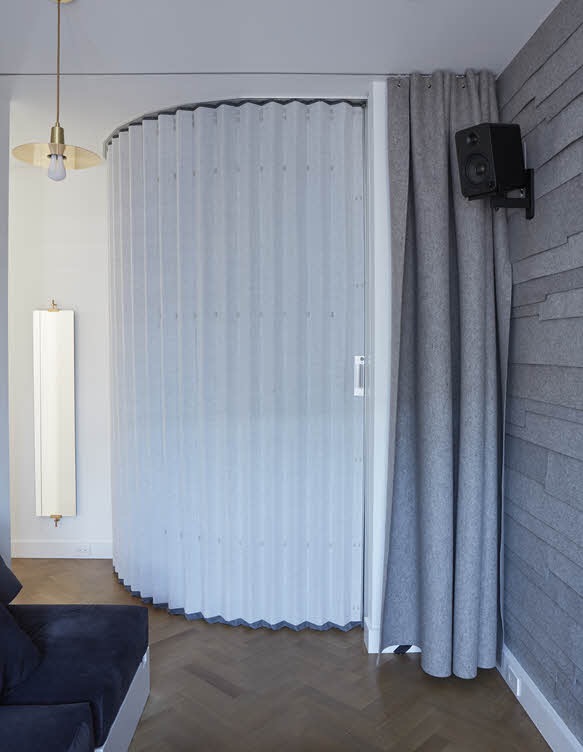
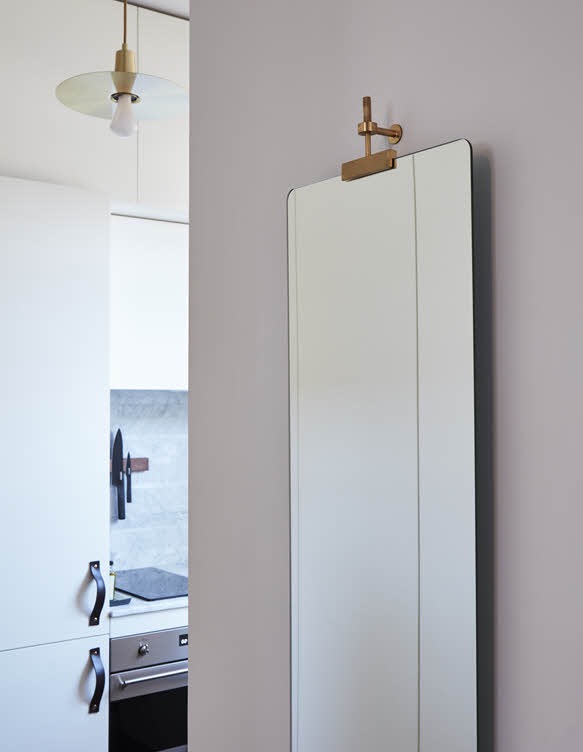
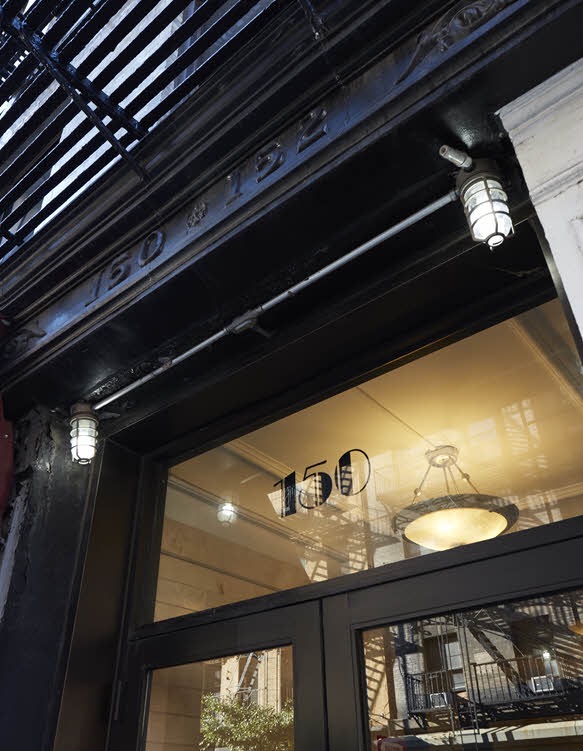
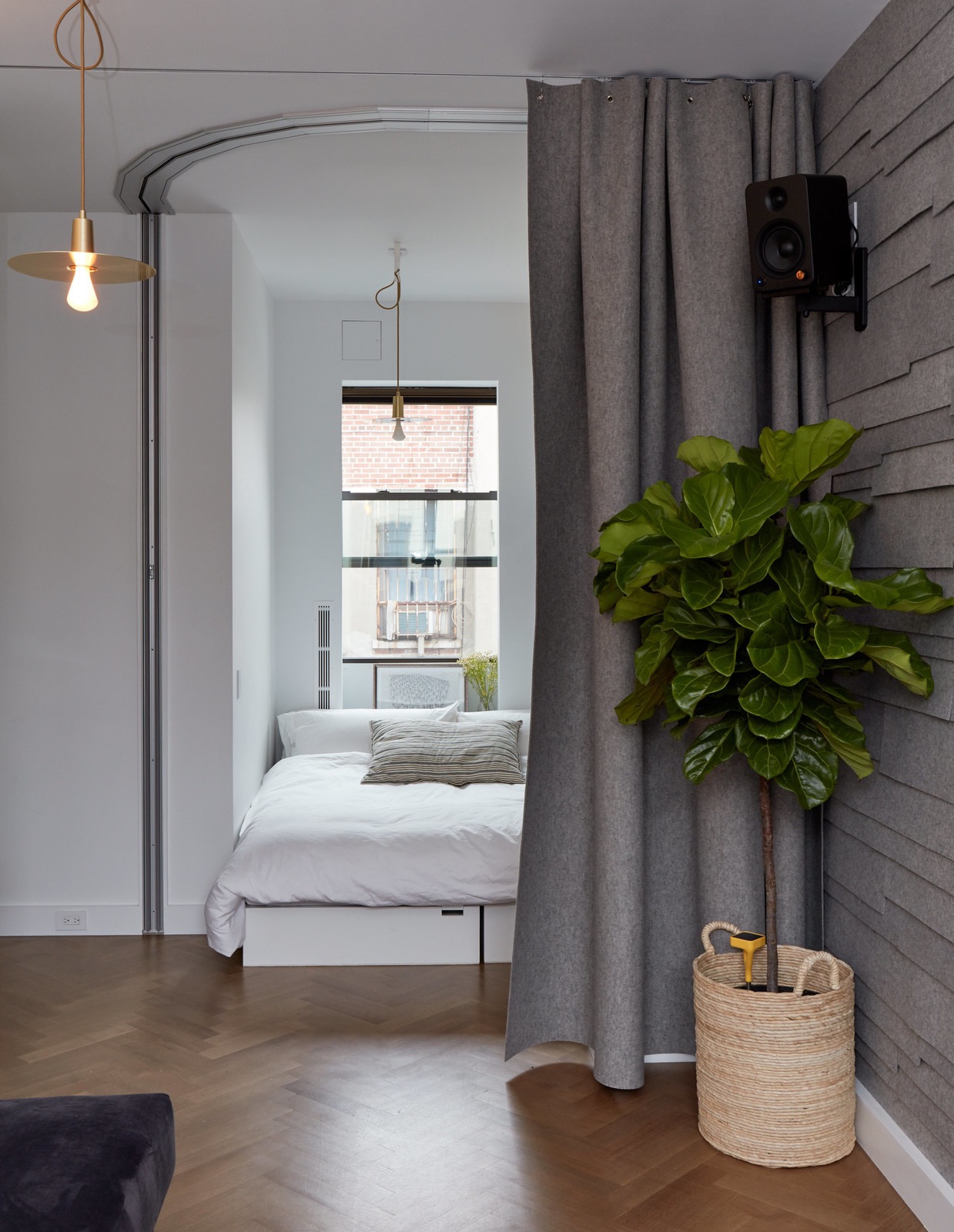
According to energy.gov, LED lightbulbs “typically use about 25%-80% less energy than traditional incandescents, saving you money.” In LifeEdited 2 Graham wanted to create a warm and uplifting aesthetic that was simple but not too “white box,” and with as much energy saving qualities as possible. One of the ways he added color and texture to the space was with the addition of Plumen LED bulbs with elegant brushed brass Drop Hat Pendant Shades.

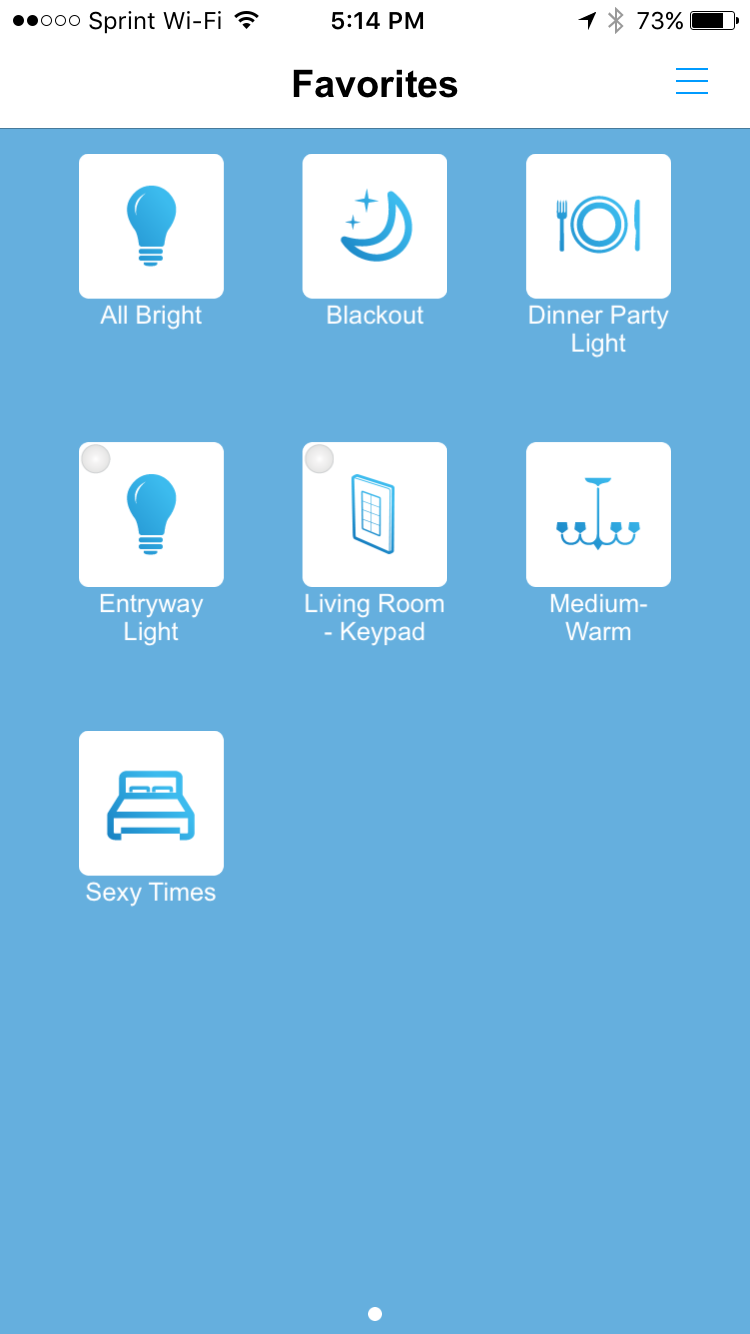
Not only is the light produced by LE2’s Plumen LED bulbs an elegant soft yellow, but all of the fixtures are remote controlled via Insteon’s smartphone app. Insteon creates easy to use energy saving settings and encourages the apartment dweller to use only the lighting “scenes” that are appropriate for their needs. e.g. fully on for cleaning, only a few on dimmers for late at night, etc..

To learn more about how to save energy and cut costs, read this article about when to turn off your lights.

This post is one in a series that describes our LifeEdited 2 showcase apartment. LifeEdited 2 embodies our green, space efficient, and minimalist principles. We view LifeEdited 2 as a lab for experiencing things that are consistent with these principles. The product described in this post was given to us, which we appreciate, but we would not have accepted if we didn’t believe in it.


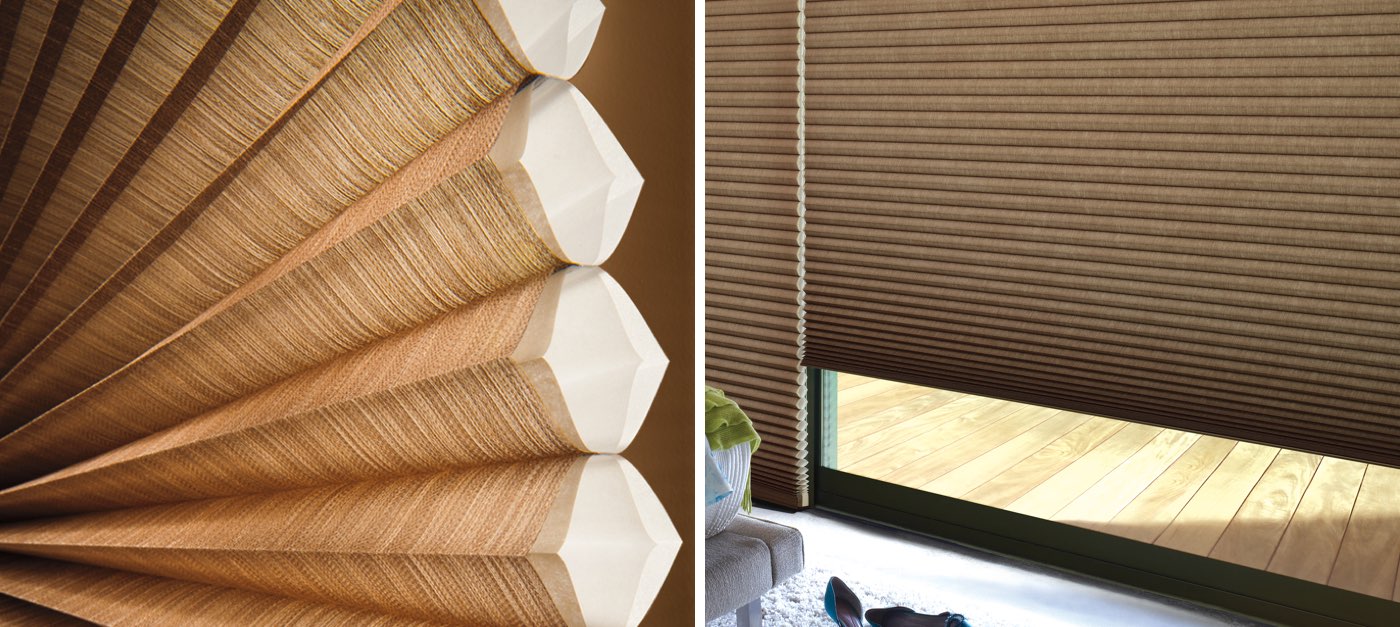
Hunter Douglas App Controlled Honeycomb Shades

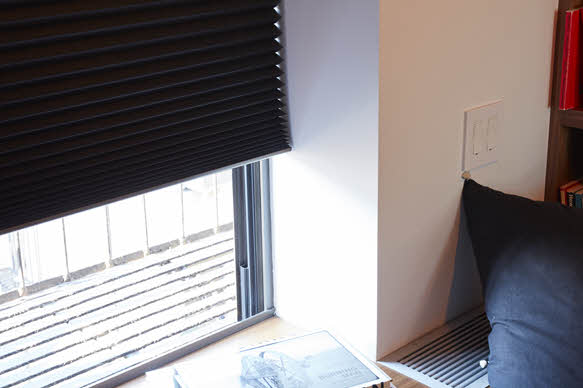
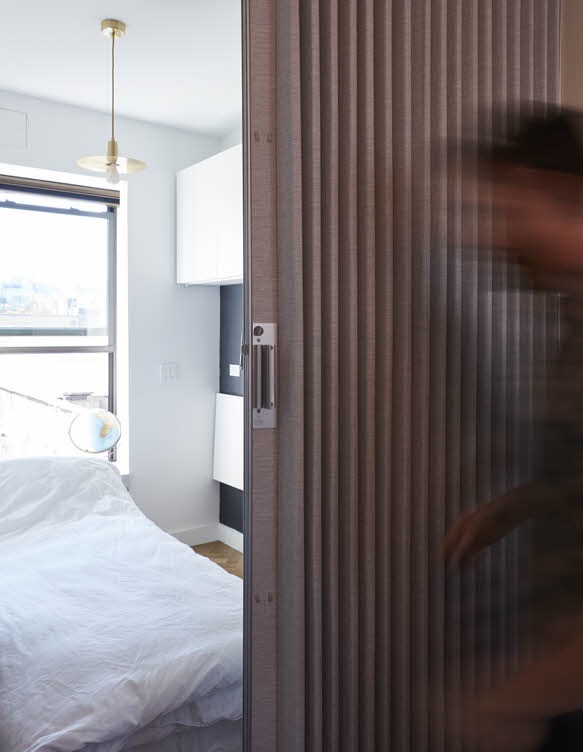
In building LifeEdited 2, we aimed to create a high quality of life within a small space. The cordless Hunter Douglas Honeycomb Shades helped us do this. With big windows on both sides of the apartment, it is important to have blinds that are easy to operate such that the apartment dweller can tune their space to the particular light, noise and temperature of the city. The cellular honeycomb shape of the shades effectively keeps out light and noise pollution while also looking elegant. The Honeycomb Shades are also constructed in such a way as to keep the apartment cool and shaded on hot summer days and warm and insulated on cold winter nights, helping to cut heating and cooling energy needs by a lot. For example, upon leaving one could put the apartment in blackout mode to prevent hot summer sun from baking the apartment while out for the day.

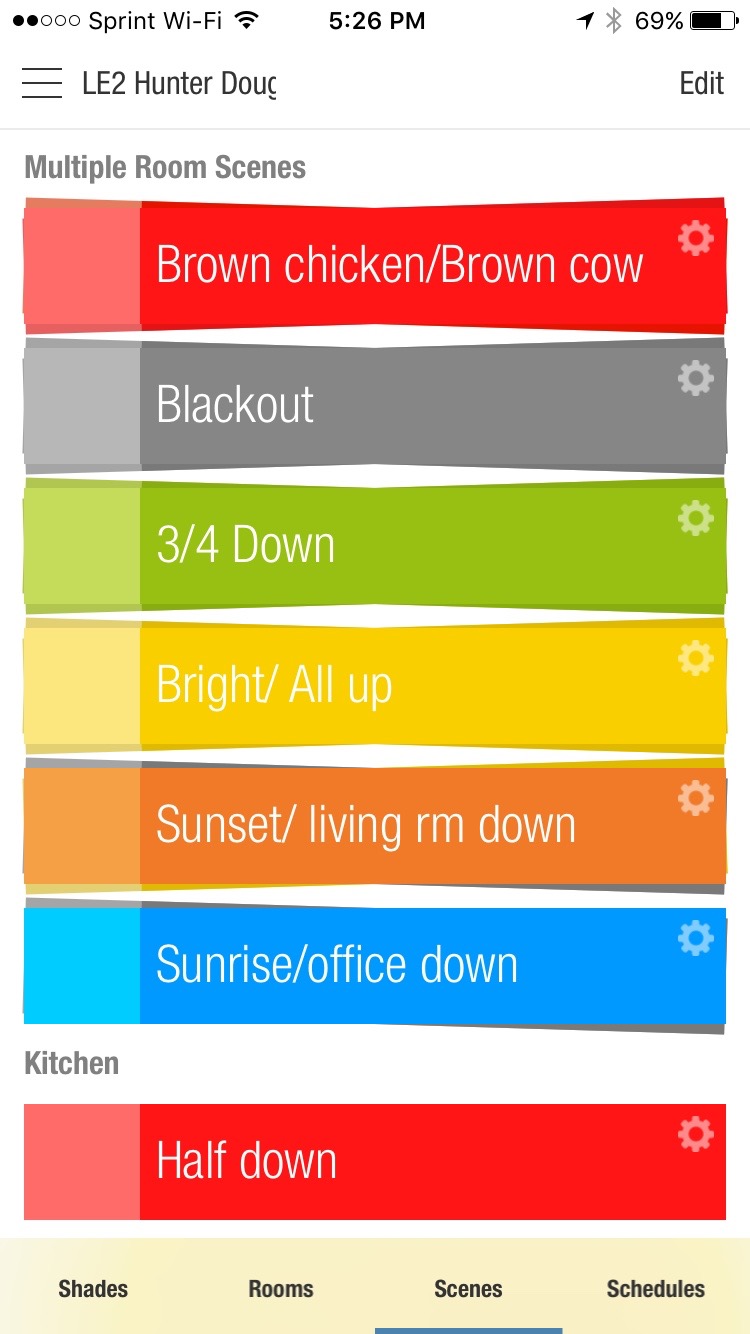
The Honeycomb Shades are intelligent too. They can be controlled with an app on your smartphone or via their attractive “pebble” remote. We love being able to adjust the blinds with the click of a single button. Their PowerView Motorization technology allows us to make settings that are specific to our apartment and our schedules. Late and early in the day the sun beams into the LifeEdited 2 office, so Graham has a partially shaded setting for those times of day in particular. Plus, because the blinds can be used from the bottom up or the top down, they are great for letting light into the apartment while also preserving privacy. Finally, being battery operated they are much easier (and cheaper!) to install than wired blinds.

The Problem(s) with Tiny Houses

At LifeEdited, we love tiny houses! They are like architectural and existential reduction sauce. Every space and object that isn’t utterly essential, that isn’t something you absolutely need, is boiled away. They are great examples of how humans can live simpler, lower impact lives. Yet tiny houses have some big problems, ones that are often overlooked amidst the hype, and it’s not just their lack of legality.

The biggest problem with tiny houses stems from density, or lack thereof. At their core, tiny houses are small single family homes. As Kriston Capps wrote in CityLab a couple years ago, tiny house enthusiasts “are confirming the status quo, if shrinking it a little.” All single family homes, huge or tiny, require their own lot and almost invariably take up more space than multistory, multifamily housing. Individual lots lead to reduced density which leads to greater land use and increased transportation needs (aka sprawl). To build density, the best strategy is often to build up rather than out.

Here’s an absurd example to demonstrate this point. One57 is a building in Manhattan often called “The Billionaires Building.” It is the epitome of excess. One of its penthouses fetched over $100M and the average per square foot purchase cost is about $6K. But the building’s 94 units and 75 stories (some of those units are as big as 11K sq ft) sit on a 23,808 sq ft lot. This means that each unit takes up 253 sq ft of ground space…oh, and there’s a 210 room hotel on its lower floors.

Now compare that to a normal tiny house on wheels. An average tiny house is about 200 square feet. Add a very modest 10 ft of setback on each side and you’ll need a 1K sq ft lot. Just to be generous, we’ll say that a car can fit within that lot, but realistically you’ll need additional room for parking. 1K ft is still considerably smaller than the average single family house lot which is 15,456 sq ft, but quite a bit more than the humble One57.

Speaking of cars, whenever you see a tiny house out in the country, you have to wonder: how do residents get to and from their houses? How do they get their food? In most instances, they drive there. And as we know, transportation is one of the (if not the) biggest factor in increasing a home’s carbon footprint. Meanwhile, the residents of One57 can walk to get everything they need and are spitting distance from several major subway lines (One57 residents are more likely to spit on the subway riders than ride the subway, but that’s a separate point).

Then there are access issues. We ran across an article singing the praises of tiny houses as retirement homes. While a nice idea, most tiny house designs are a poor fit for seniors. Sleeping lofts are difficult and hazardous to access. And try fitting a walker into a tiny house bathroom. And single family housing tends to be more isolated, which is not ideal for seniors. Meanwhile, One57 has commodious bed and bathrooms and lounges and spas where you can discuss with the hassles related to the Panama Papers with your peers.   

Of course there are many asterisks to the above arguments.

  • One57 is only dense because it bought the air rights of surrounding buildings, thereby reducing the housing density of nearby buildings. And to suggest that someone living in One57 has a smaller carbon footprint than someone living in a tiny house (no matter the location) is patently absurd. A better comparison would be someone living in a normal-sized 5-10 story multifamily building in a walkable location.
  • If you live fully or partially off grid and grow much of your own food and don’t drive much or at all–a not too uncommon scenario for tiny house dwellers–you can significantly reduce your environmental impact. The non-consumer-fueled lifestyles of most tiny house dwellers should also be factored in (though you could live this way in an apartment as well). 
  • There are many tiny houses that are being clustered as communities or being used as ADUs in low density areas, making those areas more efficient.
  • And while tiny houses might not be great for most seniors, they’re fine and dandy for millions of other people.

The main point is that a home’s impact cannot be assessed without considering its context, and in general the context that’s going to make a home lower impact is locating it in a central location. And the way to build more units centrally is building modest (they need not be tiny) multistory, multifamily housing. Condos and apartments might not be as photogenic as tiny houses, but they get the job done. 

The last point, lest you think we’re hating too much on tiny houses, is that it’s not an either/or situation. As Shaunacy Ferro eloquently put it in FastCo.Design:

Just because micro-units are badly needed in urban areas doesn’t mean small-scale dwellings should be restricted to tiny apartments in big cities. New zoning laws in Portland, Oregon, encouraging the construction of granny flats is still adding density and creating more affordable housing options, albeit not to the same extent as San Francisco’s 300-square-foot units. Nor are micro-houses on large plots of land without benefit. Precious though a beautifully designed tiny house in the midst of the wilderness may look, it’s a better environmental choice than building a McMansion. Shrinking the status quo isn’t that bad of an idea.

The Unbearable Lightness of Tiny Living

Each week we are profiling real people who are editing their lives for more freedom and happiness. This week we hear from Jan, who lives in 98 sq ft tiny house. He shares his experience about the freedom of tiny, lightweight living as well as the difficulties of meshing different attitudes about stuff and space in relationships.

Tell us about yourself

My name is Jan. I am 45 and work as a photographer and videographer. I am separated with a 3-year-old boy.

My parents, both children in Germany during the WWII, instilled a non-consumptive, credit free life-style. They modeled buying quality over quantity and only paying cash for what you can afford.

Later, I backpacked for several years, and all through my twenties and early thirties never paid more than $100 rent per month. I learned to build and built my own shelter, or did work-trade for rent. For years I kept my possessions down to what would fit in the back of a small pick-up truck.

In my late thirties I fell in love with a beautiful woman who lived an unedited life. Stuff gave her a sense of security. Clutter was her art form. For six years and through the birth of our son, we tried to blend our lives, but could not. Accepting neither of us would change, I built a 6×9 foot shack in the backyard and moved out. We get on much better now.

What makes your life an ‘edited’ one?

I’ve always been self-employed, so I’m very aware how much effort it takes to earn each dollar. Not believing in credit, each purchase I make is a conscious decision. How much of my life does it take to afford this thing? I’m also aware how much effort is required to own stuff. Where to store it? How to store it? How to care for it? Unnecessary stuff and clutter simply makes my anxious. But that’s not to say I’m non-materialistic. I would argue that I’m hyper-materialistic. I love the look, feel and function of something well made that fits my life perfectly. A pair of shoes I wear every day. Two sharp kitchen knives. A bicycle. A camera. All these things, carefully chosen gives me great pleasure to buy and use daily.

How long have you been living this way, and do see yourself continuing to live this way?

I have always had a minimalist bent, but lately have been refining it with far more awareness. It merges many divergent interests, from macro and micro-economics, environmentalism, self-sufficiency, spirituality, design, art, parenting, and how we will make it as a species in a shrinking world. Presently, how I live is a personal choice. In the future that choice may be forced upon us.

What are the biggest advantages of living this way?

A profound sense of lightness in the world. Every time I discover a way to live more essentially, I feel a surge of freedom. When I refine an elegant solution to a vexing problem, I gain great pleasure each time I engage with that solution. Something as basic as placing a hook into a wall so I can hang my bag and not trip over it on the floor. Or building a composting toilet for a few dollars and taking personal responsibility for my own waste. Or lying in bed at night in a loft that fits me just so. Watching the moon rise and stars turn because I deliberately placed the windows in these precise locations. Or each month doing my bookkeeping and seeing my savings increase to a point where I could live comfortably without working for a few years. And not because I earn a lot of money, but because I have learned how to spend wisely.

What are the biggest challenges?

Trying to meld a minimalist lifestyle with someone who does not share the same interest. It is an exercise in futility and frustration. I had to learn to accept that I can neither change someone else’s life nor repress my own nature.

For families, how has this lifestyle affected the other members of your family?

Thankfully I have a young son who stops me from getting too anal. He helped build the shack and feels it is his as much as mine. He comes and goes as he pleases with his toys, muddy shoes and dirty fingers. I let him climb up ladders, on counters, light stoves, play with tools and knives, and in doing he learns respect, consequence and body awareness. He teaches me to let go and lighten up. If he breaks something we fix it together. If he gets something dirty, we clean together. After all, it’s just stuff. What’s essential is the respect between us.

In terms of partnerships, I think a minimalist lifestyle only works both partners already live this way. I also strongly believe in a shack of ones own. My home only cost me $5000 and three months of work. I’d rather help build a partner their own home than try to blend two incompatible lifestyles together.

What is the number one suggestion you’d give to someone looking edit their lives?

Read the book “Your Money or Your Life” by Vicki Robins.

What item(s) have made your lifestyle easier?

A good bicycle, good tools, a few comfortable clothes that fit well and can be worn in different settings.

Do you have any design or architectural suggestions derived from your lifestyle?

Consider curved rafters. That simple architectural detail made all the difference in turning my loft from a cramped triangle into a spacious cocoon.

This post was originally published November 28, 2012. 

Test Drive Tiny Living at this Tiny House Hotel

For all the hype around tiny houses, far more people talk and read about them than live in them. We suspect if people were given the opportunity to live in one for a while, they might take the tiny plunge…or put a down payment on a McMansion. WeeCasa is a hotel that gives you that opportunity, offering up one of 10 tiny house “hotel rooms” that let you experience tiny house living firsthand.

Weecasa is located in Lyons, Colorado, a small town an hour north of Denver in the foothills of the Front Range. Unlike Caravan Tiny House Hotel in downtown Portland, which has been around for a few years, Weecasa has a more pastoral vibe. The tiny houses are nestled into the trees and sit next to the St Vrain River. Lyons has a ton of things to do such as festivals, outdoor activities and is a quick, albeit uphill, drive to Rocky Mountain National Park.

weecasa-interior

The houses are built by a number of different tiny house manufacturers, and only one exceeds 200 sq ft. They are quite handsome and outfitted like tiny houses you could live in, replete with kitchenettes and bathrooms. In fact, WeeCasa is as much showroom as hotel. If you like the one you stay in–or perhaps a neighbor’s model–WeeCasa will help you buy one, or one just like it. 

Rooms run start at $139/night. Visit their website for more information. 

Via 5280 Magazine

Game of Thrones Meets Tiny House Nation

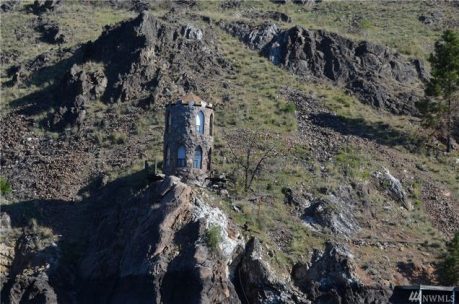
Have you ever been interested in living in a tiny house, but found most of them too cute? Perhaps you wanted something more imposing, more medieval–but still tiny. Look no further, because this 288 sq ft tiny castle in Manson, WA can now be yours for a mere $89,000.

tiny-castle-detail

The house is a perfect getaway from the stresses of the city or the stresses of bands of marauders. It is topped with a turret, perfect for looking out on Lake Chelan or for crossbow defense positioning. And though there is no moat, the castle is located on steep hillside, making approaches very hard–unless attackers were coming from the lake, in which case it’d be super easy to attack.

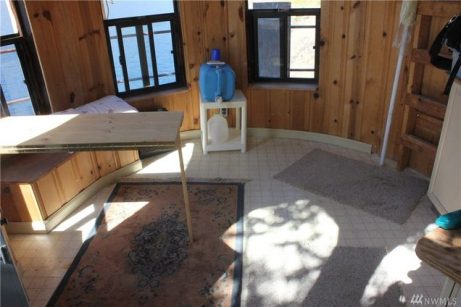
The castle’s interior is a little less than kingly, though the views seem nice.

tiny-castle-interiorview

And the castle is perfect for living car-free because it’s only accessible by boat. A dock is included. Manson, in case you were wondering, is a 3.5 hour drive from Seattle.

Taxes are a mere $421, but who would have the gall to collect from someone living in this place? Utilities are completely free, because there are none. It should be noted that the seller reports some fire damage (probably from hostiles).

Via Domain

SHTF Ready Housing Collective Pretty Sweet

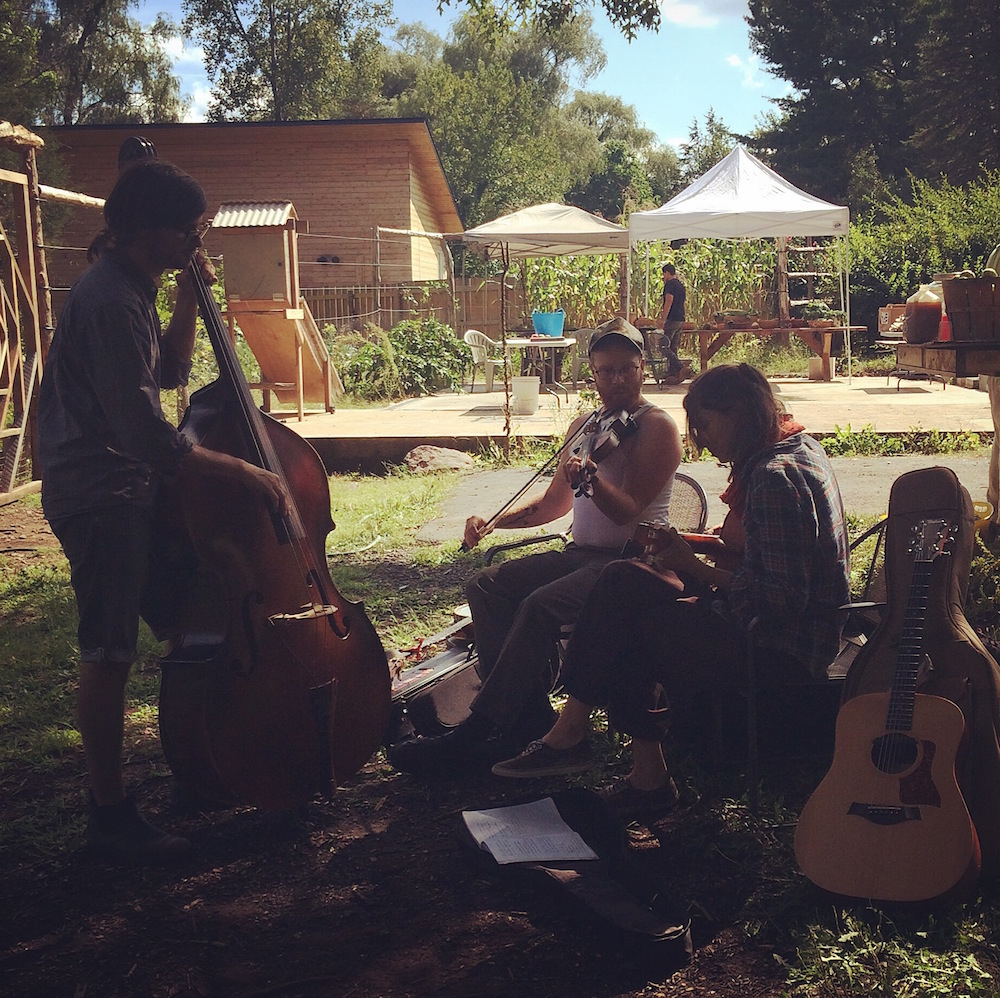
Techno-urban utopianists predict a future where people will live in plant-covered high rises that spring up like natural organisms. All transportation will be on demand. Everything will be powered by completely clean fusion power. Goods will be shared and instantaneously accessed through sophisticated technology. All of these systems will cut down our workload, leading to a happier, healthier civilization. This is definitely a direction our planet could be heading in. Then there’s the other direction. In this future our infrastructures, financial systems and climatic balances will collapse, leading to massive energy and food shortages, mass migrations and so on. Should this latter scenario come to pass, we imagine there will be a long line to join The Long Spoon Collective. Located in Saugerties, NY, LSC is a small collective that grows its own food, constructs tiny houses for free for people who want them and is trying to start an economy based on giving instead of money.

The collective’s membership stands at six at the moment. The Saugerties Times explains how the sextet came together:

The collective got its start when founder and native Saugertiesian Chase Randell, a Skidmore graduate with a master’s degree in humanistic multicultural education, became involved with the Sustainable Saugerties Transition Town group last summer. He, along with Karuna Foudriat, a former Waldorf school teacher and current divinity school Ph.D. candidate, and a group of supporters, began to grow food on a local farm….Randell and Foudriat were joined by Frank O’Leary, who knew Randell from Skidmore, and recent émigrés from New York City Jared Williams and Lala Montoya, permaculture experts who recently returned from a year in Kenya. Collective members are committed to growing their own food and living as much as possible without using money.

More than mere backup plan for the collapse of the status quo, LSC has a larger goal of addressing “issues of poverty and environmental degradation by meeting the basic need for food and shelter directly.” As such, the food they grow–much of which is grown on once-derelict farms and private gardens–is given away.

LSChouse

Their off grid tiny houses, which some members live in, are made of salvaged materials. They even offer to tear down unused structures on properties in exchange for use of the scrapped materials.

The members do have money coming in from the conventional economy, but their participation is a bit like Peak Oil, i.e. taking the resources of the old way while they’re still available in order to lay the groundwork for the new way. Money is directed toward things like hosting free workshops, fueling trucks to support their projects and so forth. Their ultimate goal is to transition themselves from the normal economy to the giving economy.

Saugerties is a two hour drive from NYC, which the collective sees as a big plus. The proximity gives them access to tons of people who might join the movement. Speaking of, they’re looking for more members. Head on over to their website for more info.

A Compact and Communal Approach to Housing the Homeless

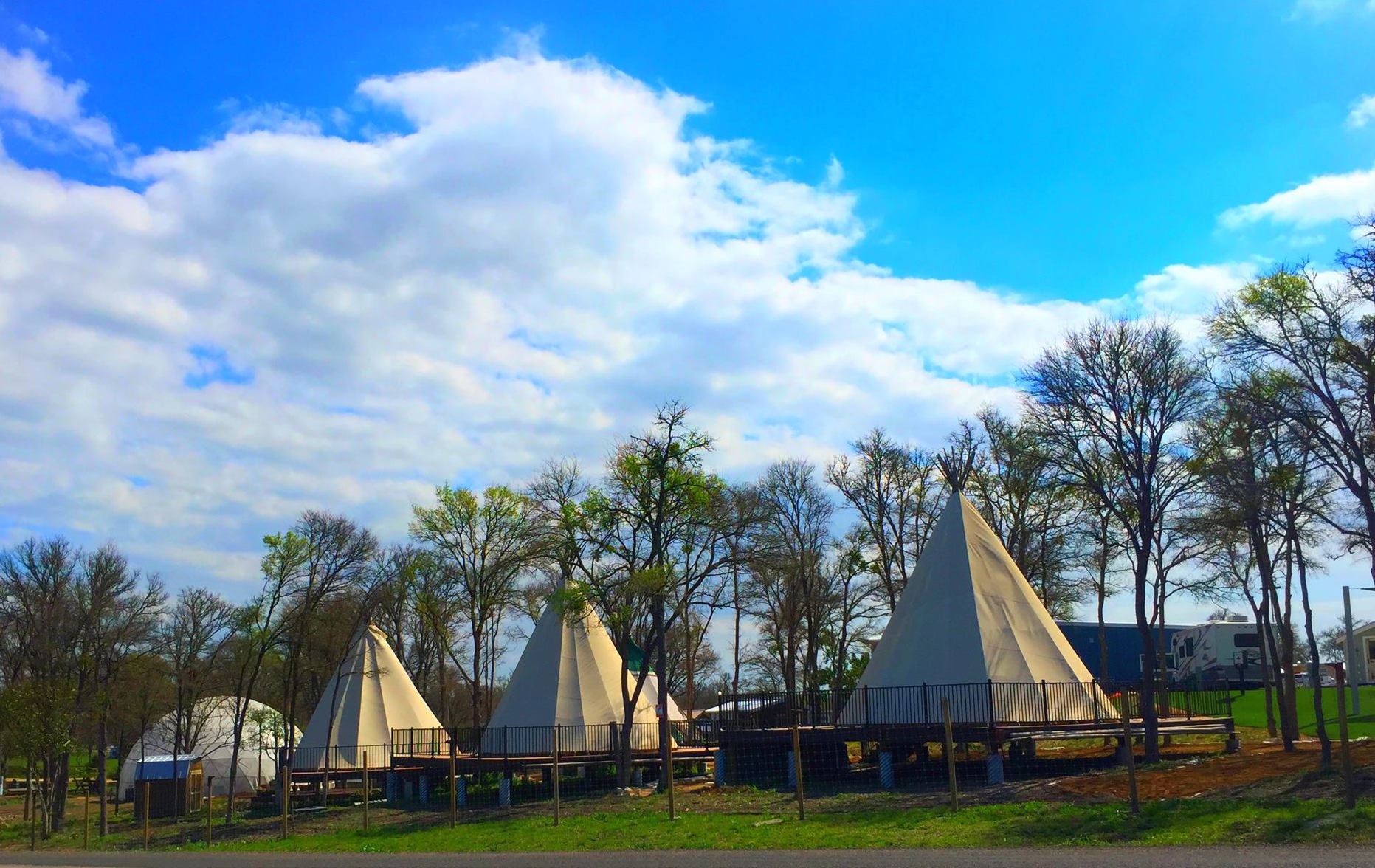
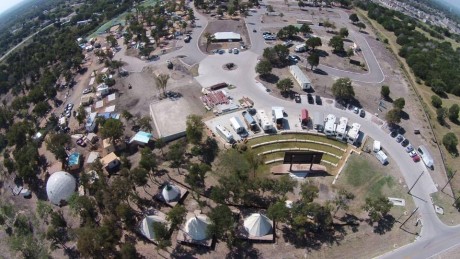
As we’ve seen here before, some of the most interesting and innovative projects involving small housing revolves around addressing the needs of the homeless. We can add Austin Texas’ based Mobile Loaves and Fishes and their “Community First! Village” to those innovative projects. When it is fully built out next year, the village will house “200 residents living in a retrofitted RV, microhome or canvas-sided cottage” according to CNN Money.

mlf-over

The community was initially conceived by its CEO Alan Graham who called the community a “RV park on steroids.” Everything on the 27 acre property is designed to foster a sense of community. From CNN:

It’s a village not only in name, but in function. The homes are essentially just bedrooms. The residents share everything else, from state of the art communal kitchens to laundry and bathroom facilities. There’s a dog park, volunteer nurses, a market, gardens, chickens and goats, a fish farm and an art gallery. The property even has an outdoor movie theater and a bed and breakfast.

Unlike some homeless communities, CFV does not require sobriety to live there. The only three community rules are that “residents must pay rent, obey the law and follow community rules.” As you may have deduced from their name, MLF is a Christian organization, though no religious affiliation is needed to live in the community.

Rents will range from $220 to $380 a month. Community members will have the opportunity to make some money from onsite “microbusinesses” such as the movie theater and the bed and breakfast, which will be open to the public. Internal sources of income are a good idea since the property is on the outskirts of Austin.

The Porch With A Home #tinyhome. Isn’t it just adorable?! And you should see the inside… ??

A photo posted by Mobile Loaves & Fishes (@mobileloaves) on
From what we can see, many of the existing housing structures are pretty interesting architecturally.

The “Housing First” model of combatting homelessness has gained a great deal of traction in the last several years. The belief–borne out in a number of places–is that when people have housing, they can better deal with the issues that might have lead to their situations. This is contrary to the model of expelling those issues before providing housing. CFV goes a bit further. As Graham put it, “Housing will never solve homelessness but community will.

If Elected, Sanders Promises Tiny House Colony, Co-Housing for White House

In a bold campaign promise, Presidential hopeful Bernie Sanders declared that he will transform the White House from a single family house into an extensive, high density community capable of housing the entire federal legislative body.

“Here’s how I see it,” Sanders told the Washington Post. “The White House includes 18 acres of virtually unused, totally prime real estate within walking distance of the Capitol. We need to cut government fat, and one of the easiest ways of doing that is using what we got.” Sanders’ advisors believe that they can fit a tiny house on a mere .01 acre, which includes minimal setbacks. Even with the addition of thoroughfares, community clubhouses and a biodynamic farm (all part of Sanders’ plan), the lawn will easily accommodate the 435 members of Congress and their families.

But his plan extends beyond Congress. He plans to make the White House itself into one big co-housing community. “The White House has 132 rooms and 55,000 square feet of living space! What one family needs that much space? It’s ridiculous. With smart design–you know, Murphy beds, room dividers, that kind of thing–we can fit the whole Senate in there easily.”

To bring in additional revenue and shrink the American trade deficit, Sanders will Airbnb the tiny houses and rooms when Congress and Senate are adjourned.

“I am not a believer in the axiom that familiarity breeds contempt,” Sanders said. “Contempt is borne of distance–when we distance ourselves from people, we lose understanding and kill compassion. By bringing people together, both physically and spiritually, we can mend the bipartisan rifts that have too long divided our legislative bodies.”