Toys and Games for the Minimalist Tot

It’s raining out. My, I mean your, kid is bored. You try to think of ideas to entertain him. Perhaps it’s time to go to the toy store. There you’ll spend money on junky plastic toys or games that he’ll use for a few hours before growing bored with them. Those toys and games will likely clutter up your house for months, perhaps years, before you give them away or toss them. Boredom problem solved.

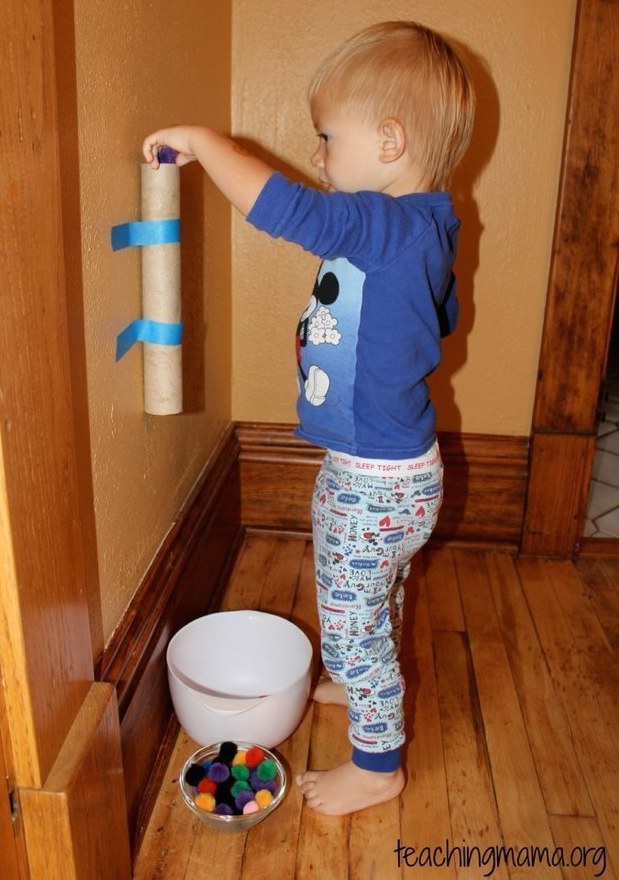
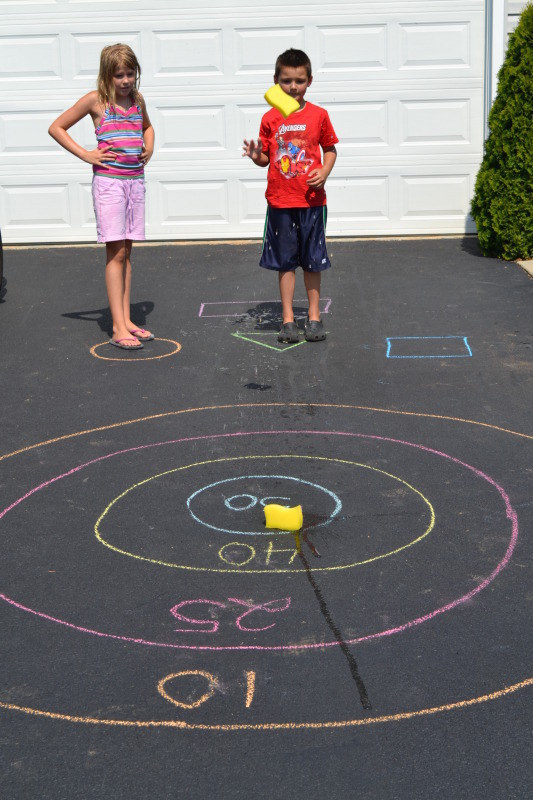
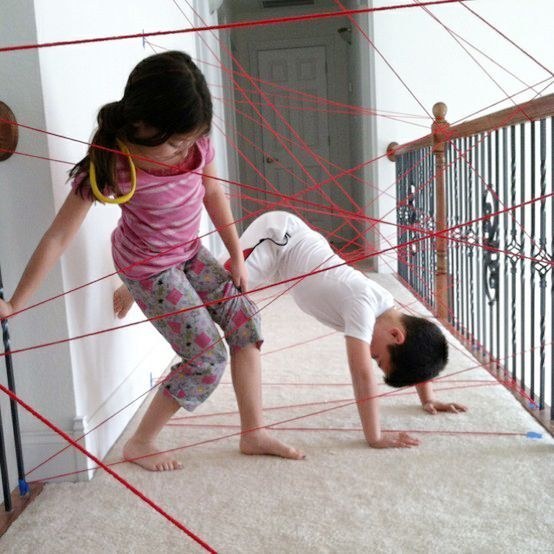
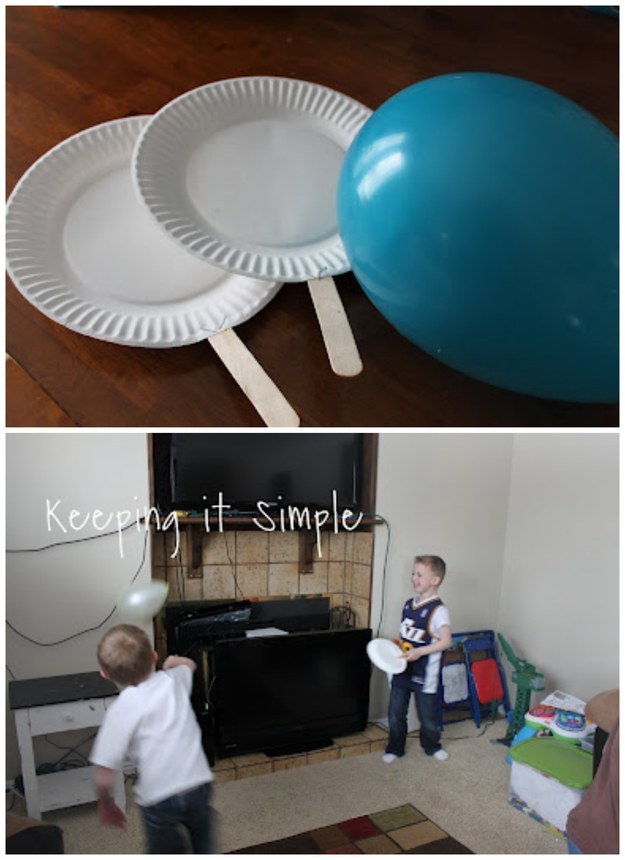
Despite what Toy R Us might have us believe, young children are generally easy to please, and though they often appreciate cool, new toys, they also appreciate ones that are hacked from common household items–ones that typically cost little or nothing, ones that store easily, ones that won’t clutter up your place.

With my 22 month old son, we are having a great deal of success with balloons, bubbles and old tennis balls. None of the three require any appreciable storage space or outlaying of money. The balloons and bubbles have the added benefit of being quite safe for child and house alike.

The other day, Buzzfeed came up with “33 Activities Under $10 That Will Keep Your Kids Busy All Summer.” It’s a great list and most of the activities are appropriate for any season. All of this goes to show that a tiny bit of creativity and a few pipe cleaners go a long way toward satisfying your child’s novelty fix.

Do you have any recommendations for “edited” toys? Let us know in our comments section.

Are We Ready to Share Our Legos?

A new site called Pley is hoping to change the way children consume and use their toys…well, one type of toy at least. They are offering monthly subscriptions for Legos. Pley’s subscriptions cost $15, $25 or $39 per month, for small, medium and large sets respectively.

The subscriptions work much the way Netflix rents DVDs: fill up your queue with various lego sets from their online library; after the sets arrive in a box, you keep them for as long as you want; when you’re ready for a new set, return the old one in the box with a pre-paid label; wait a couple days and get some more. All the legos are sterilized before delivery in an eco-solution. You are allowed to lose up to 15 pieces per rental. Pley offers you the chance to buy the set at a discounted rate if your child isn’t so keen on returning them.

Pley’s has big ambitions for renting the small blocks. From their site:

Pley is a socially-responsible company that aims to change the way families consume products and spend time together. Leveraging collaborative consumption, we aim to raise a more creative and skillful generation that follows the principles of open-ended play while emphasizing the benefits of sharing, reducing waste and giving back to the community. Every set that Pley rents saves a tree over the lifetime of its rental. Todate, Pley had reduced waste by eliminating the wasteful production of 90,200 pounds of ABS plastic which resulted in a reduction of 3.9 million pounds of C02 emission.

[divider]

The sharing economy has had the most traction with big ticket items like cars and hotel rooms where savings are hundreds or even thousands of dollars compared to the alternative, i.e. keeping a car on standby or standard hotel rates.

But the sharing economy has faltered for the smaller stuff where private ownership is cost-competitive with shared ownership. We looked at toy-sharing sites a couple years ago; one of those sites definitely closed shop and the other’s last sign of life was a Facebook update in October 2012. A follow up look at some other sharing sites for small stuff reveals a similar situation: dead websites and unsubstantiated announcements to re-launch the businesses. Getting people to pay to share–unless there is a big and clear savings to be had–still appears to be a tricky proposition.

Pley might make it because they offer something beyond conservation and high ideals. They offer a level of novelty that would cost hundreds of dollars to achieve if you were to buy the sets for private consumption.

So far so good. According to Fast Company, who spoke with Pley’s CEO Elina Furman, the business has grown their staff from two to 23, and “has shipped over 75,000 sets to over 15,000 subscribers from its San Jose warehouse.” We hope their success continues.

Via Fast Company

Photo credit: Stefano Tinti / Shutterstock.com

Child’s Play

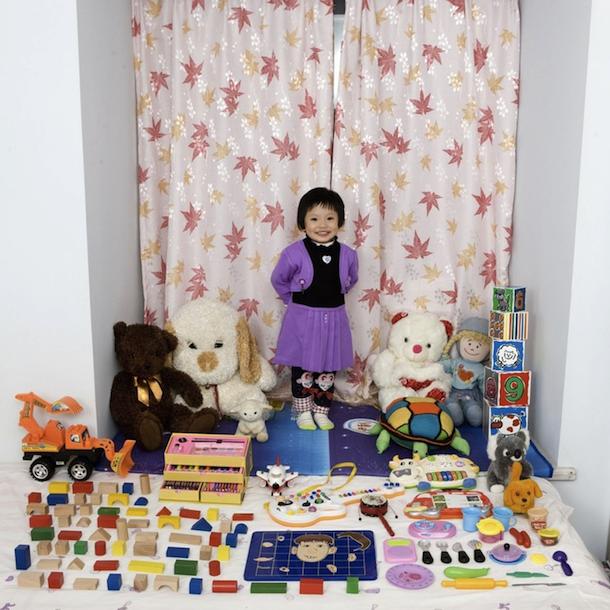
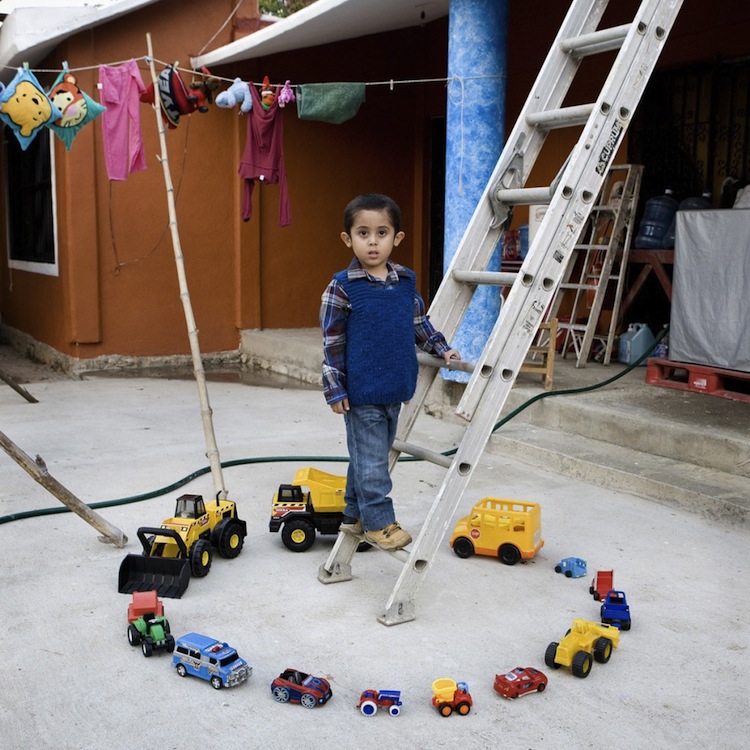
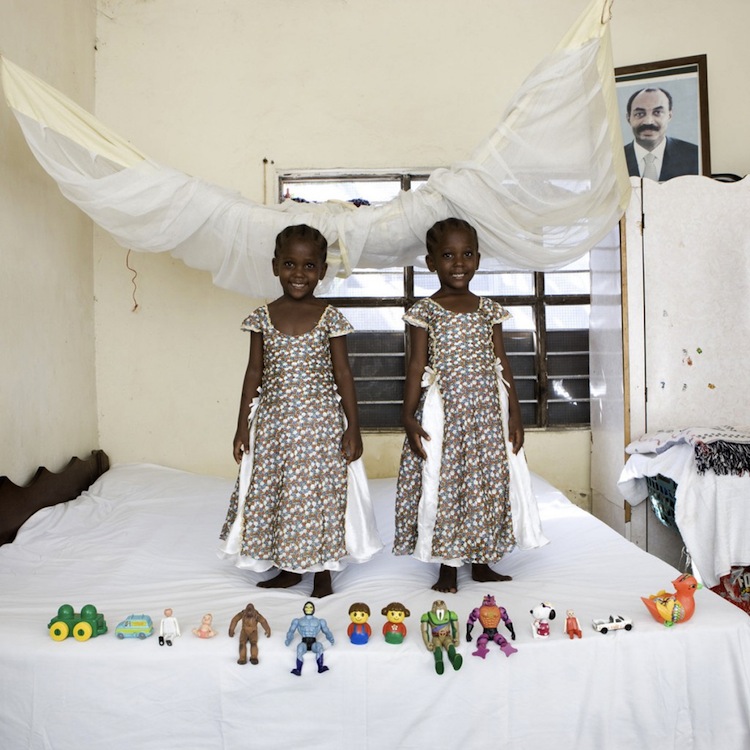
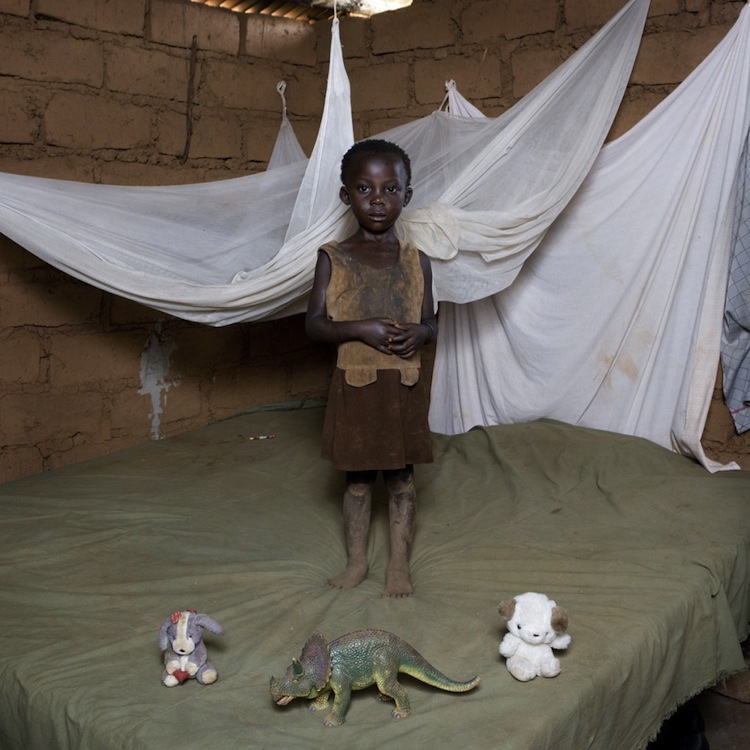
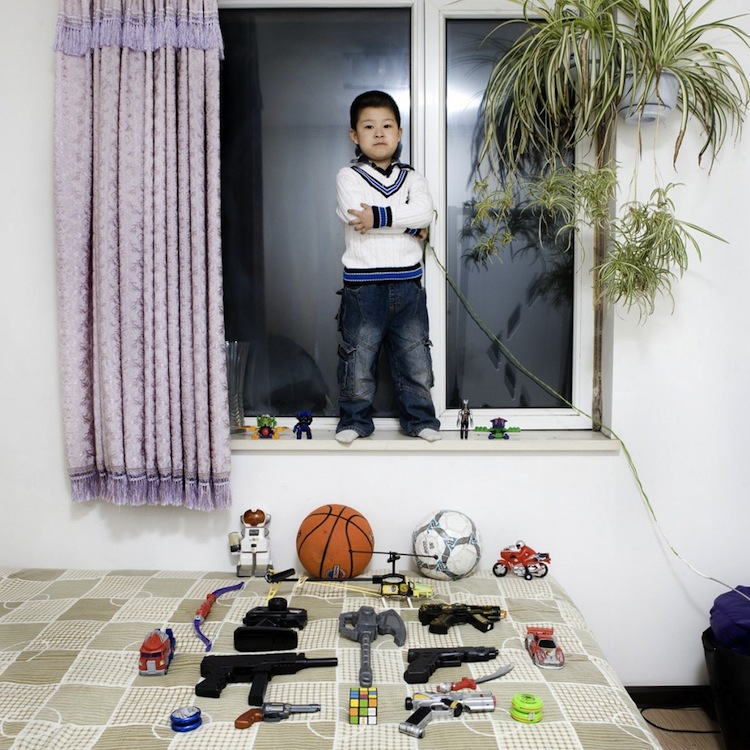
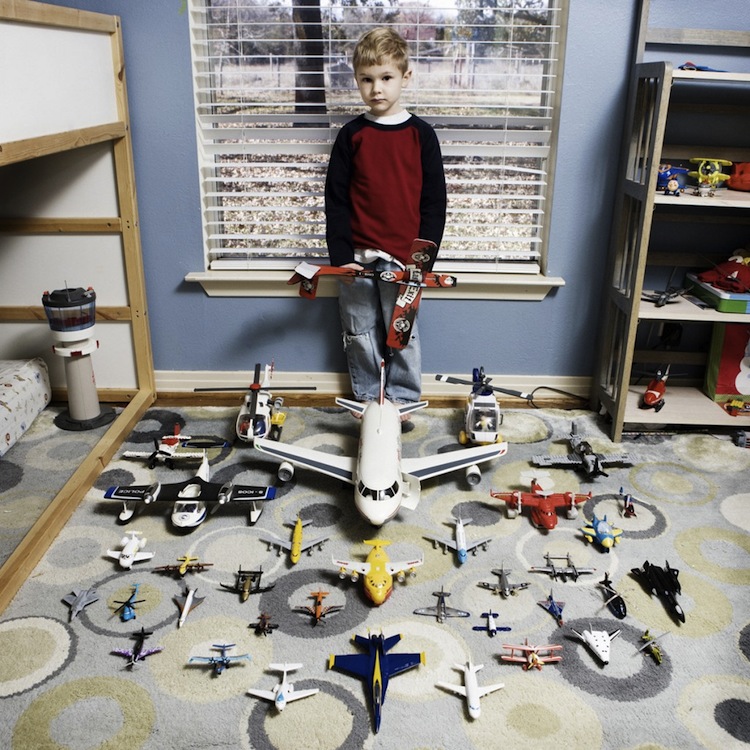
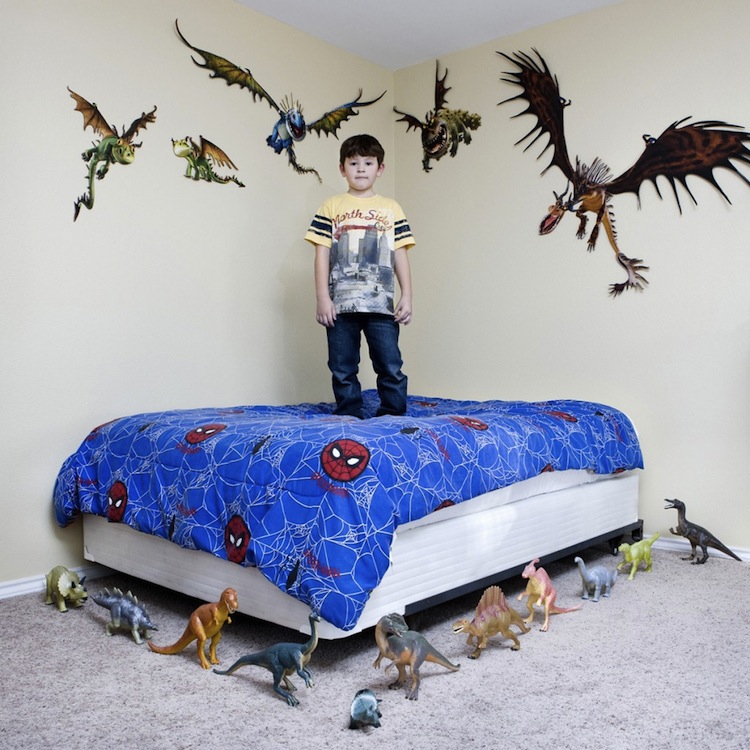
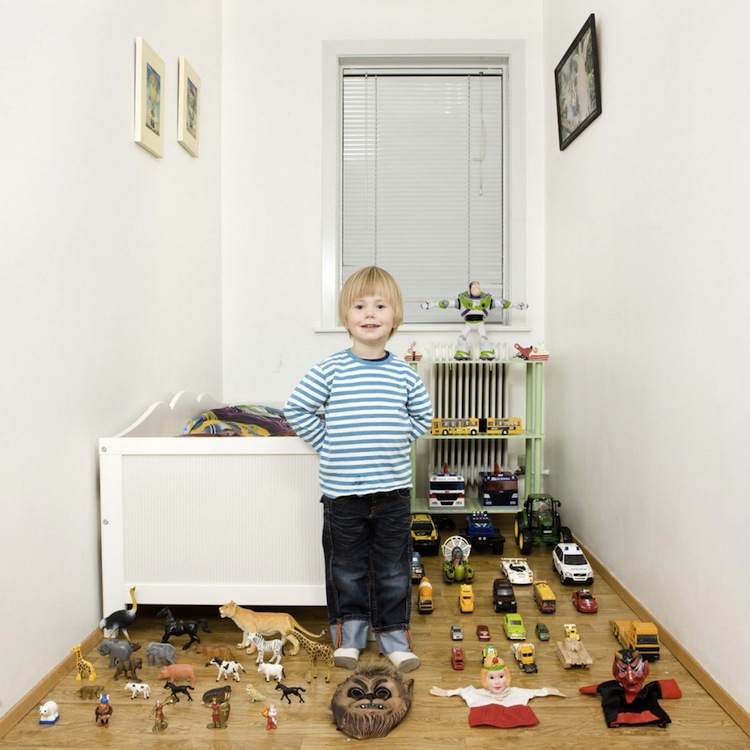
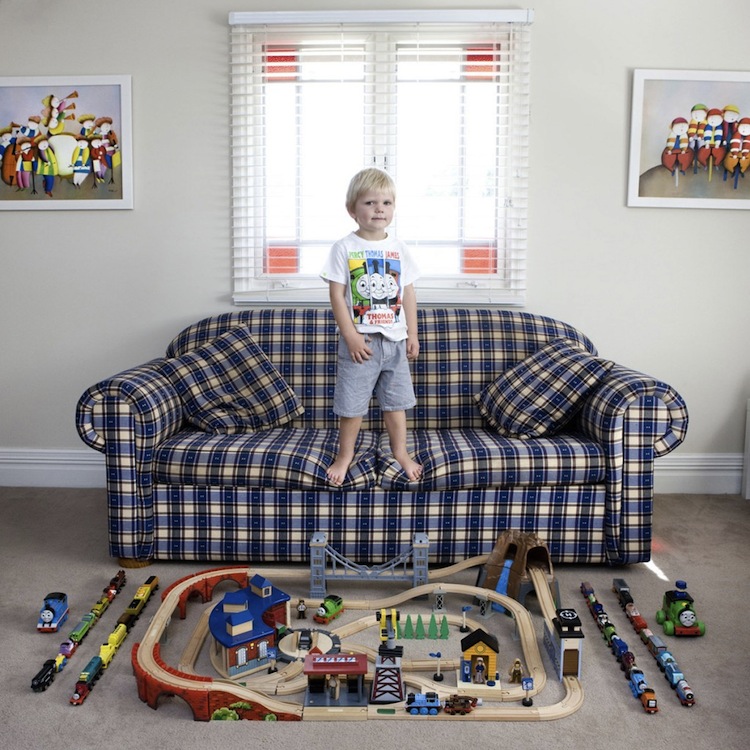
Over the course of 18 months, photographer Gabriele Galimberti traveled the world taking shots of children and their most valued toys, producing a series she calls “Toy Stories.”

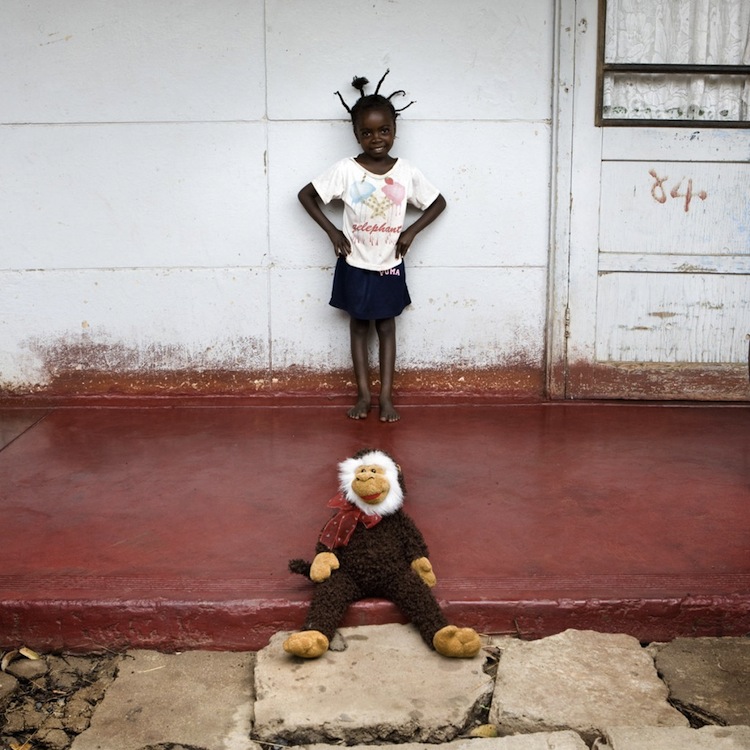
What is visible in the series is very interesting. As most might surmise, the children from poorer countries are not only displaying their favorite toys, but their only toys, some of which, like Maudy from Zambia, aren’t even toys. On the other hand, children from richer nations often display acres of toys.

What’s not visible is equally–if not more–interesting. Galimberti said this about how the kids treated their toys:

The richest children were more possessive. At the beginning, they wouldn’t want me to touch their toys [she played with the children before shooting], and I would need more time before they would let me play with them. In poor countries, it was much easier. Even if they only had two or three toys, they didn’t really care. In Africa, the kids would mostly play with their friends outside.

A perfect example of this is Botlhe from Botswana, who displays her lone stuffed monkey–a display that seemed more obligatory than a sign of affection. Galimberti writes:

[She] has a lot of friends, and all of them live really close by to the small house where she lives with her family in a residential complex. In the complex, there is one toilet for every four families. Botlhe has only one toy, the monkey, but she almost never plays with it because she prefers to go out with friends and play with them.

Toy Stories reminds us of a study that reported who the most positive people on earth are (hint: it wasn’t the richest people with the most stuff). None of this should be construed as idealizing poverty, but these children might make us further question the relationship between the accumulation of stuff and happiness. Like Galimberti said of the children: “They just want to play”–and toys, we might guess, were not essential to achieve that end. We suspect adults aren’t much different.