Redefining the Dorm Room

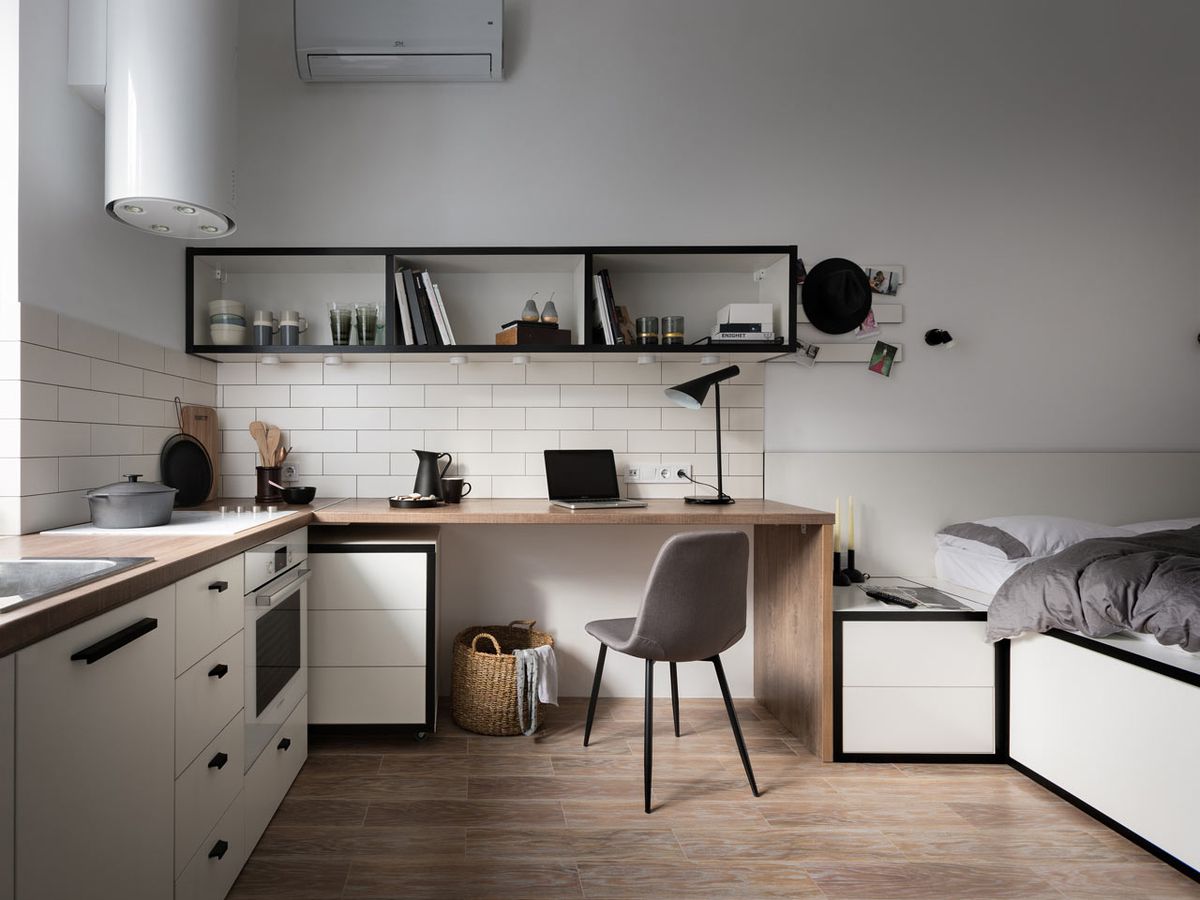
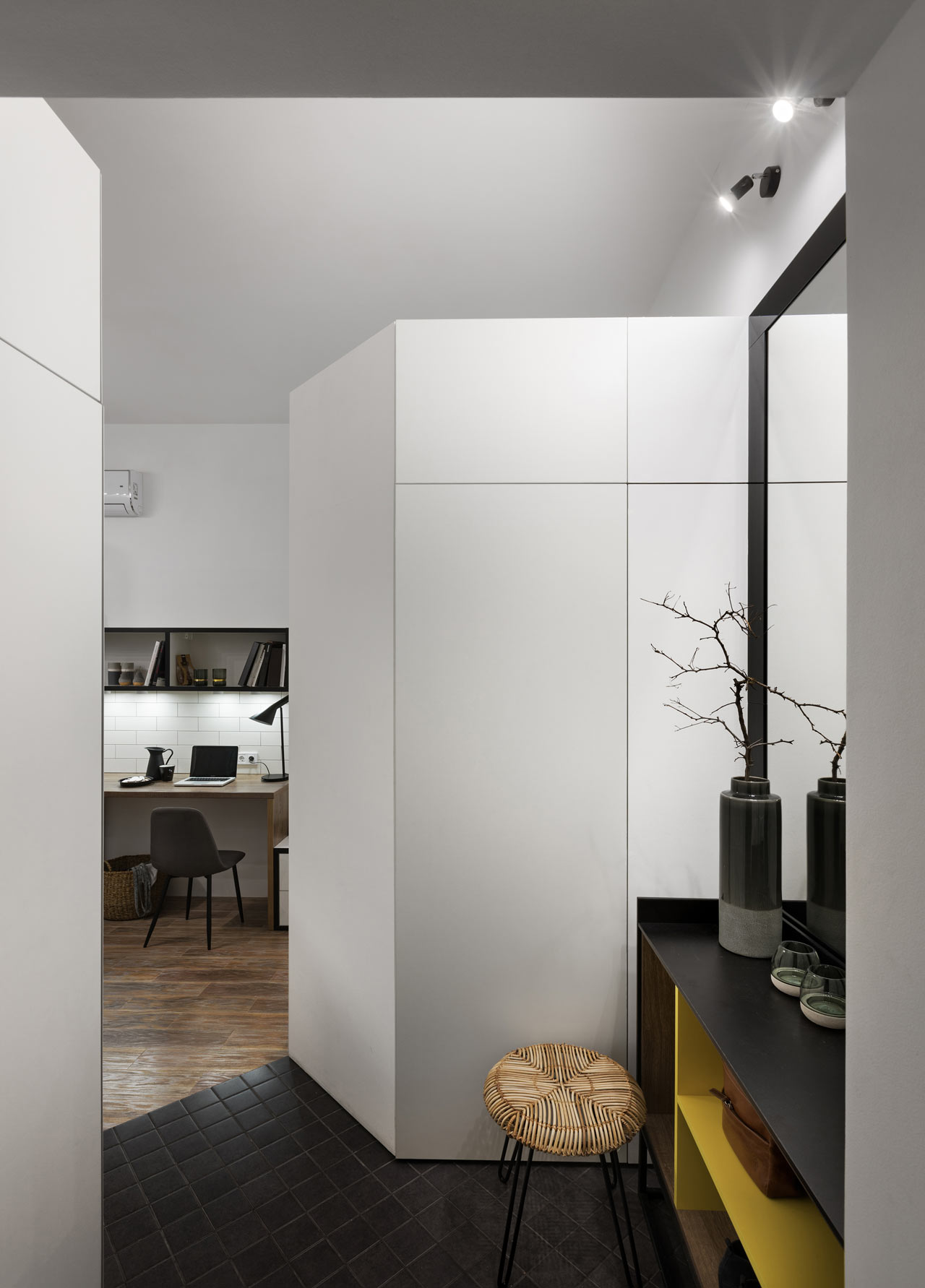
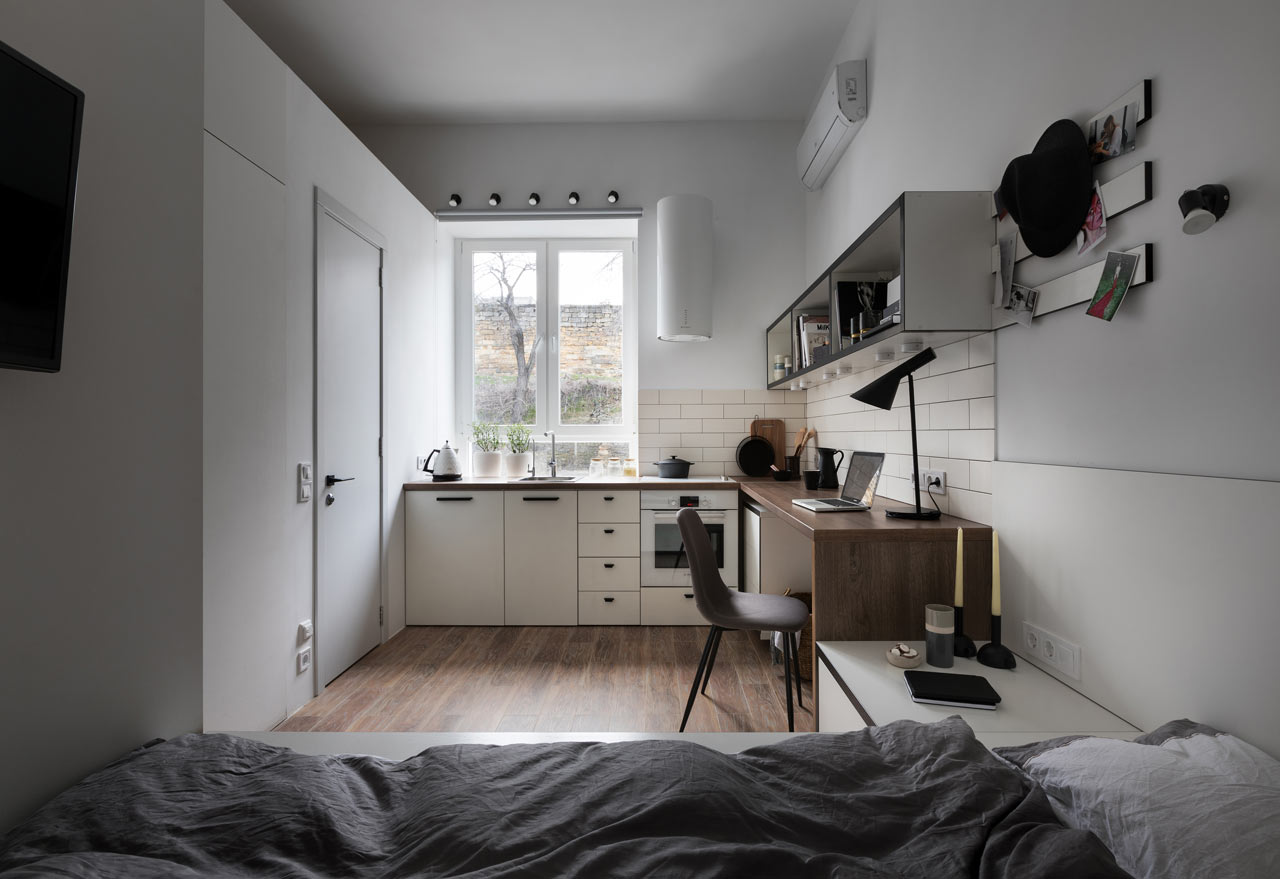
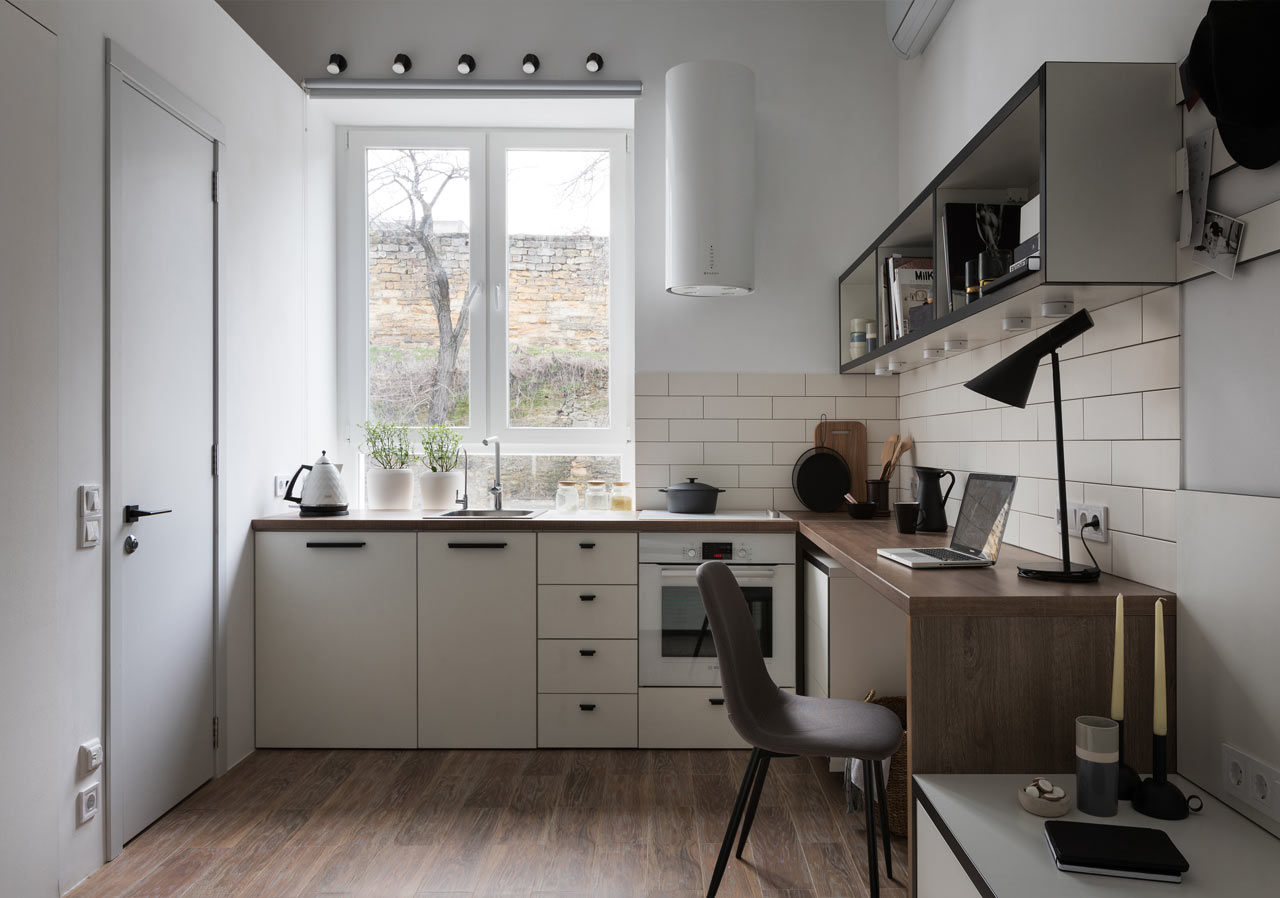
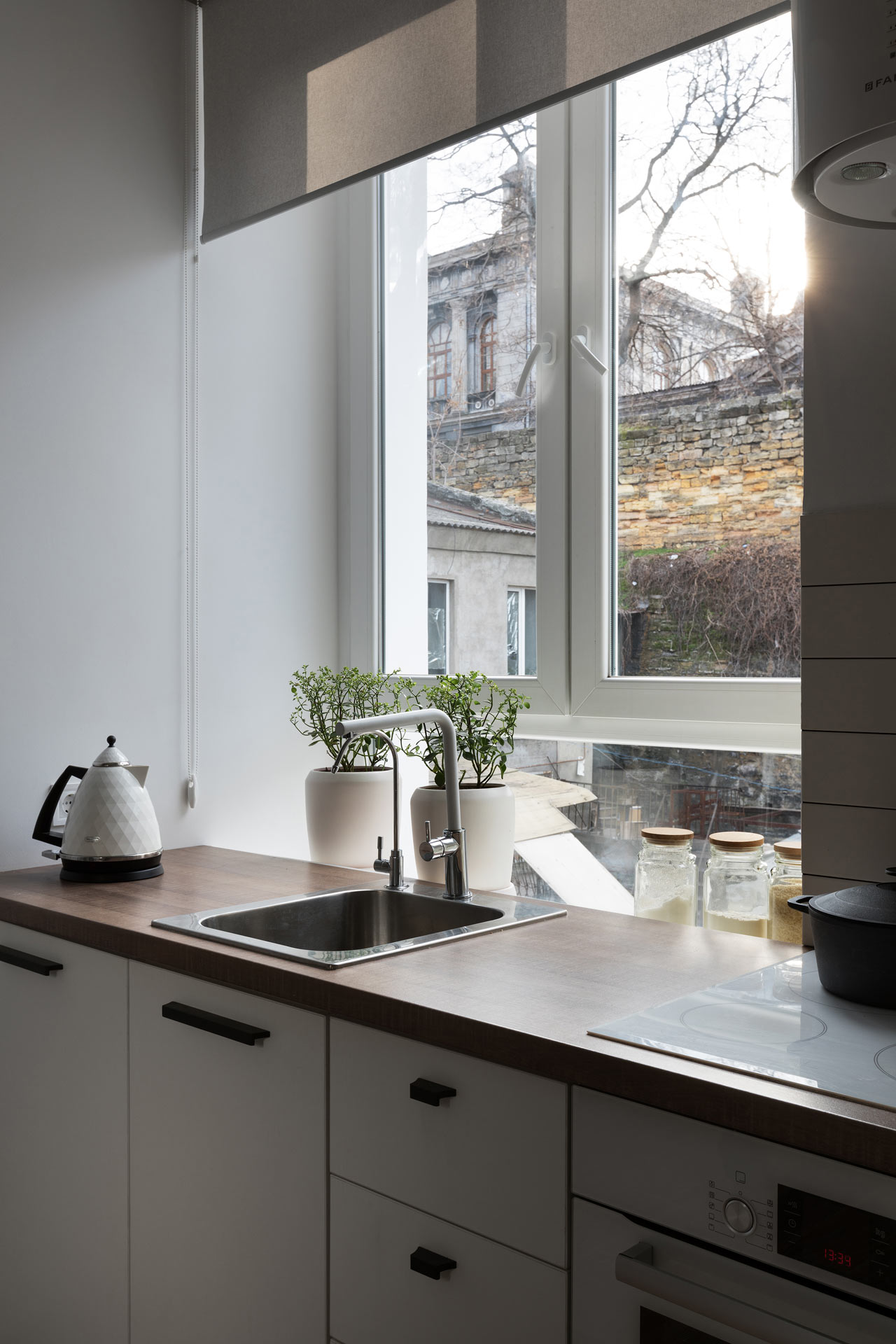
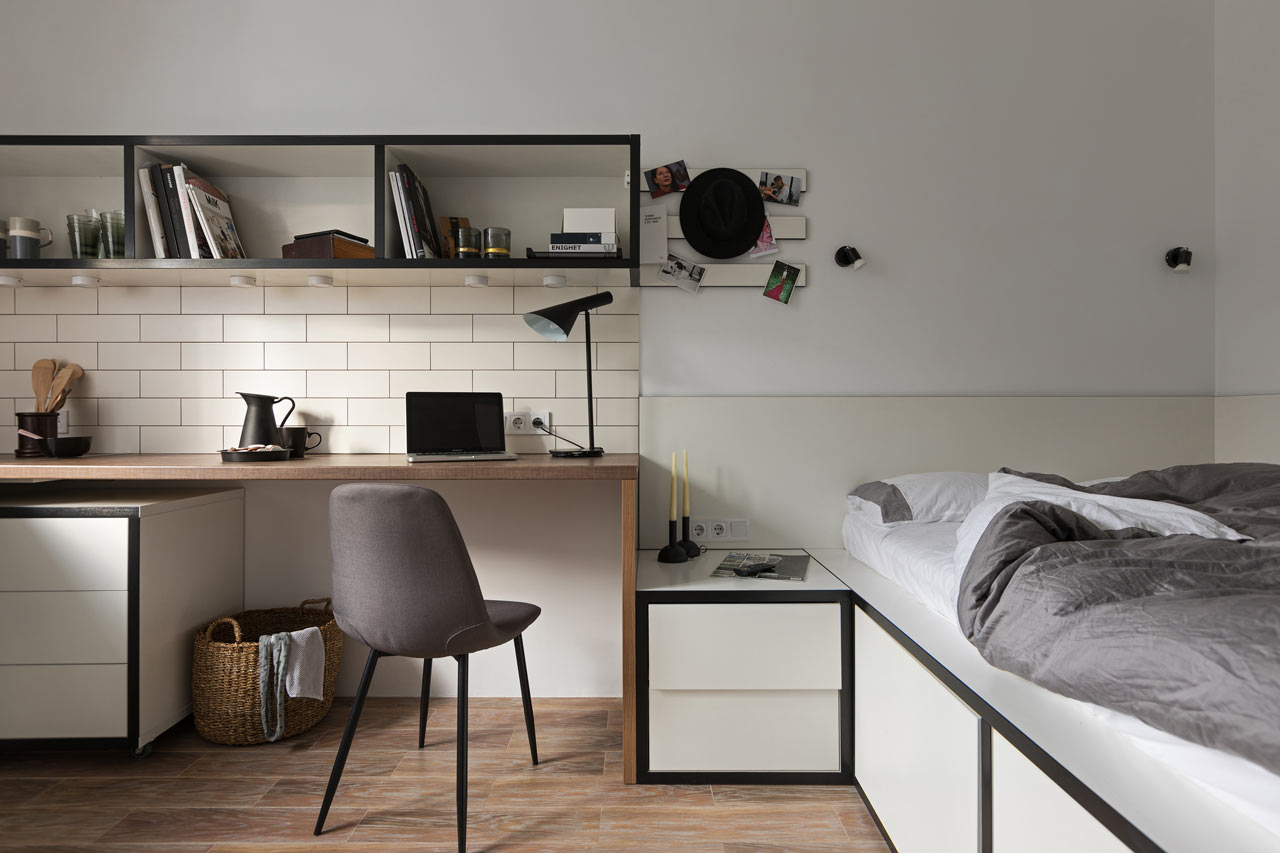
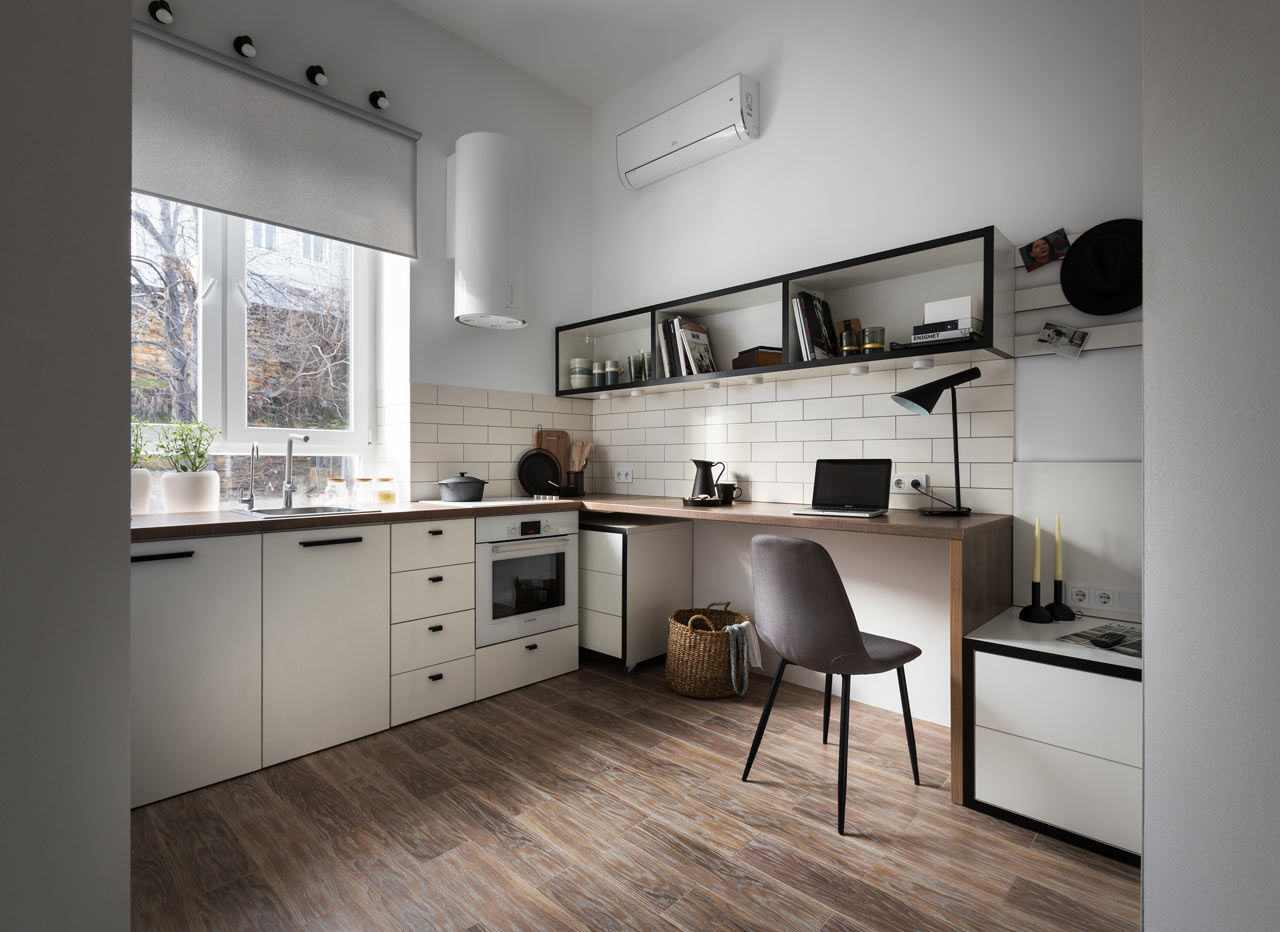
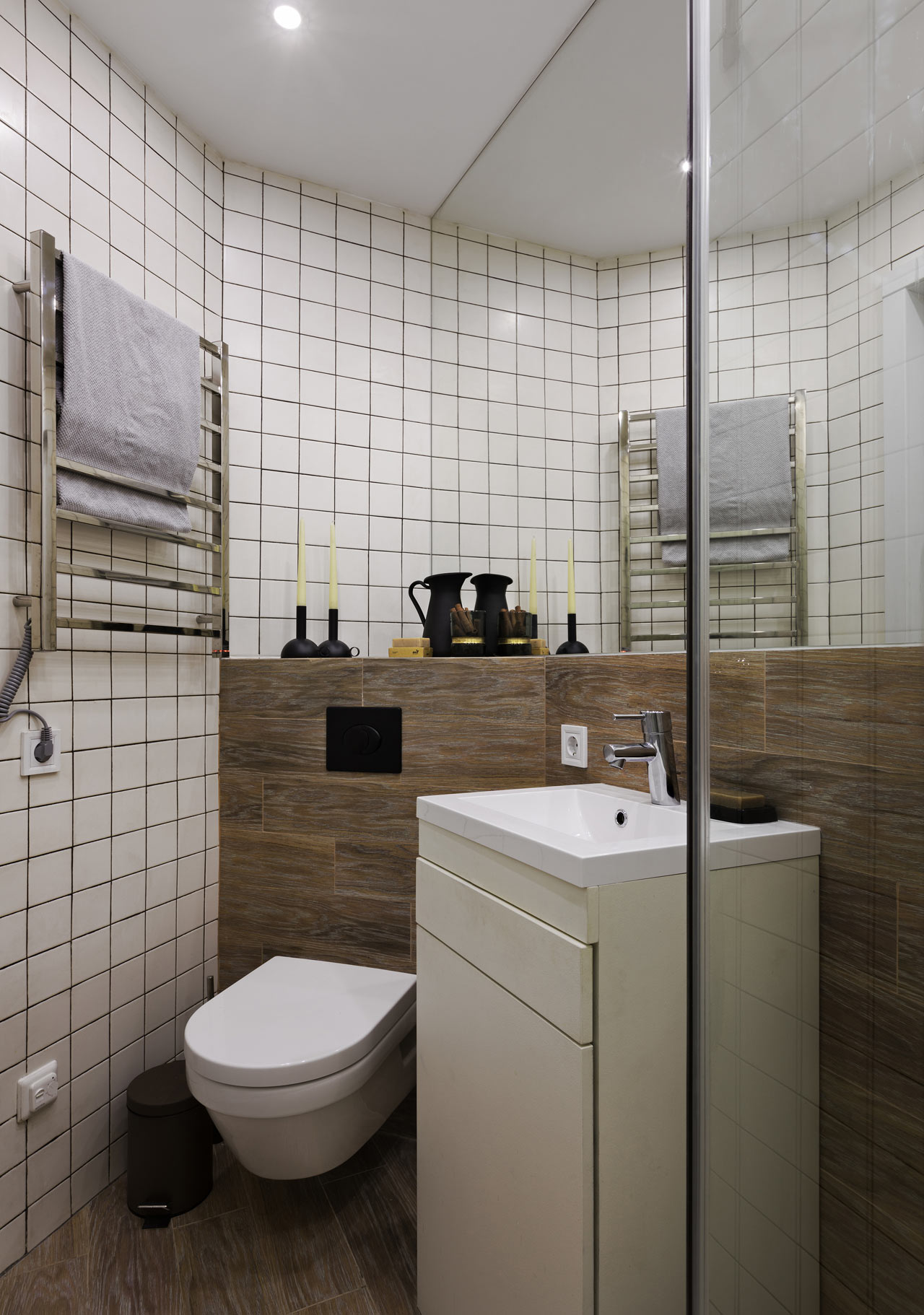
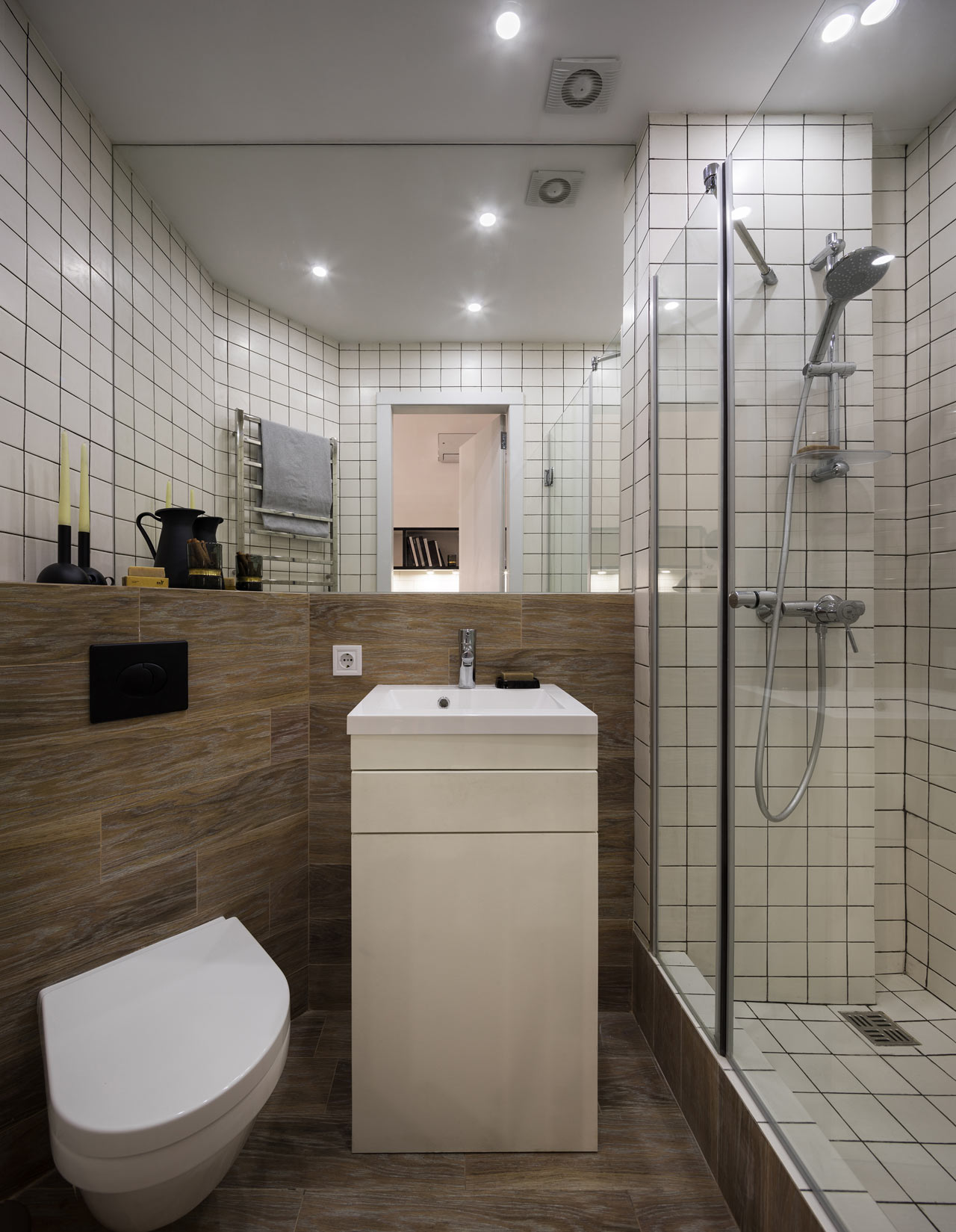
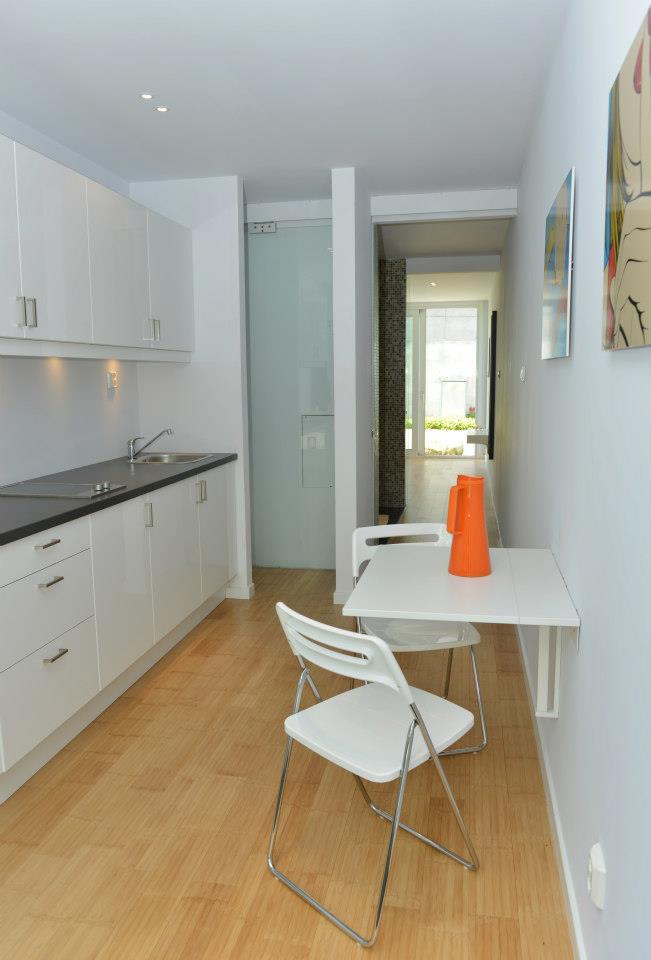
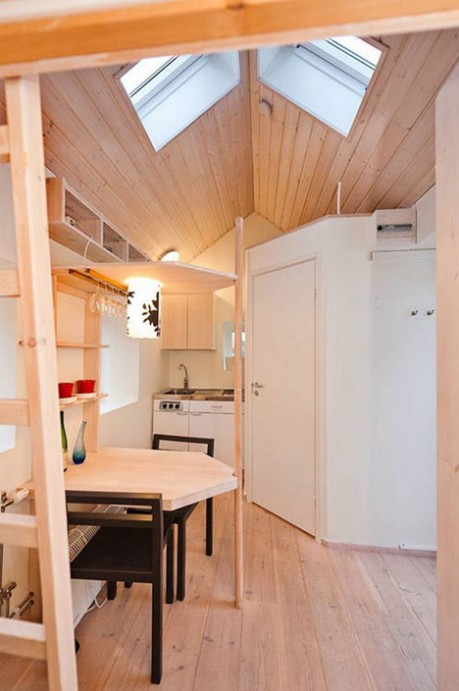
When you think of dorm rooms, luxury isn’t the first thing that comes to mind. Living like a student doesn’t always mean top ramen and uncomfortable bunk beds, especially when a firm like Fateeva Design is designing it. They’ve constructed a 186 square foot flat fit for a young professional in Odessa, Ukraine. When they inherited it, the owners were confused on what do with such a small space until Fateeva suggested turning it into a student rental. The studio uses built-in furniture that lines the perimeter that contains a raised bed with storage, desk, kitchen, and a bathroom. There is even a small entryway with a built-in closet for hanging clothes. Click the pics for more views of the student residence. 

photos by Andrey Avdeenko via curbed


Smart, Small Studios Hit Canadian Campus

More than most North American cities, Vancouver has experienced a surge in housing costs. Apartments are up nearly 20% from a year ago, with the average price around C$450K (a modest uptick compared to single family houses, which jumped 28%, landing at C$1.83M). Needless to say, these kind of economic conditions are hostile to folks like students who might lack flush offshore bank accounts. As such, the University of British Columbia Vancouver is having an affordable housing crisis. The average monthly rent for student housing is C$1,000, but that’s if you can get it. UBC has a 6,000 deep waiting list. To alleviate some of this housing shortage, the school is now rolling out their Nano pilot housing program, which entails 140 sq ft, fully self contained units that will add a much needed bump in volume of campus housing and rent for a reasonable C$700.

nano_01

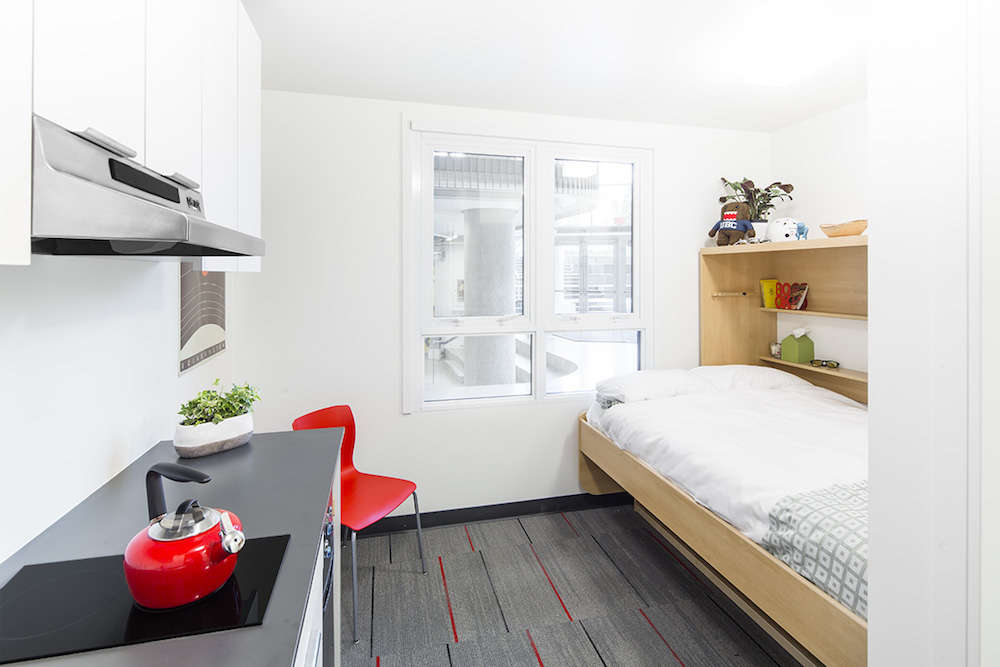
UBC is rolling out 70 Nano units in their Gage South Student Residence, which is slated to open in 2019. A demo unit is being displayed at the school’s student center through next month.

nano_05nano_06

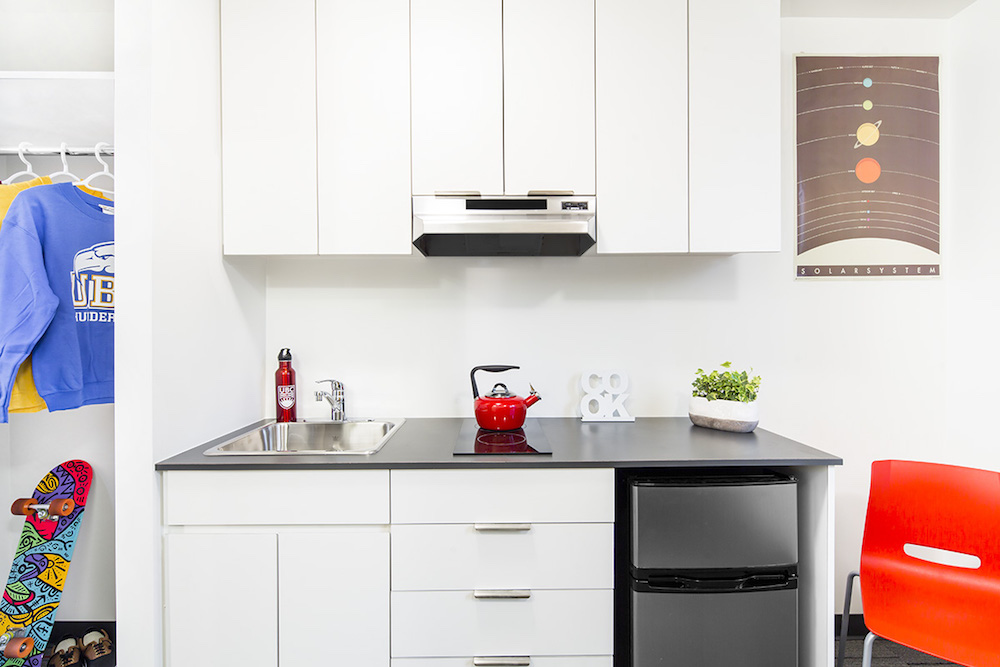
There’s nothing revolutionary about its design per se. It has a double bed that folds up to become a desk when not in use, a small kitchenette with cooktop, fridge and sink and a fairly commodious bathroom. There’s lots of white and light colors and windows that make the place seem pretty spacious relative to its actual dimensions.

While student housing isn’t a particularly guilty offender when it comes to making housing too large, the Nano studio addresses a need for a particular demographic, i.e. students who might be too mature for dorms with shared bedrooms, yet lack the need and expense of a larger, conventional off campus apartment. More than anything, the Nano brings us a little bit closer to destigmatizing tiny apartments, showing that they can be very livable and serve many populations who would otherwise be forced into unaffordable and/or substandard housing.

Via Inhabitat  

Dorm Living for Grown Ups

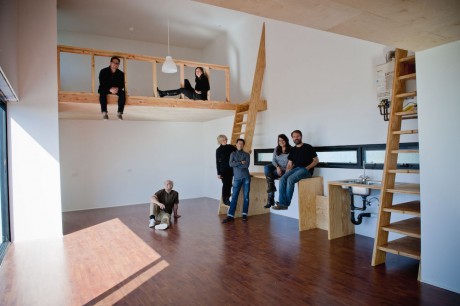
In the mid-aughts, Professor and architect Hector Perez of Woodbury University pooled together several faculty members to purchase lots of land in the Barrio Logan neighborhood in San Diego. Their hope was to create an extension to the school’s campus. But a variety of circumstances–crashing economies, the school’s decision to move to another part of town–derailed the plan. Rather than selling the land, the group decided to create something they thought would support the community. The result is a building with compact units that mix the privacy of a conventional apartment with the socially porous infrastructure of campus living.
7048hector_barriologan7022hector_barriologan

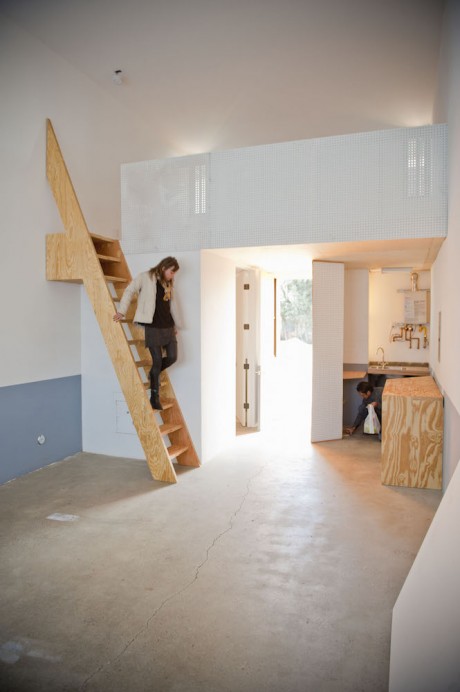
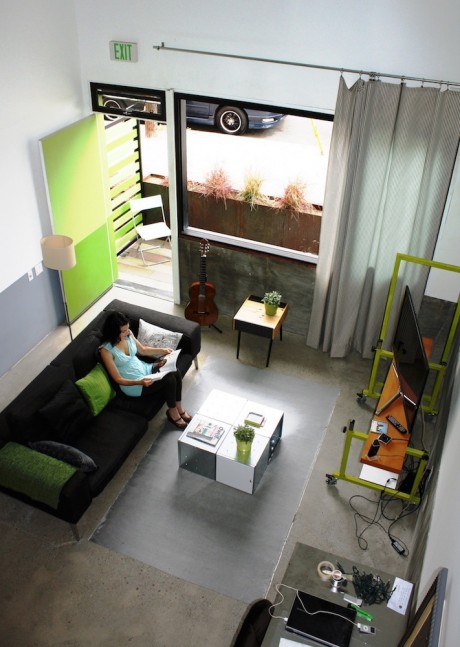
The building, dubbed La Esquina, has a total of eight live/work units making up only 4K sq ft of floorspace across two levels. The units, which are basically artist lofts with very high ceilings, range from 450 to 595 sq ft. They have a large main room that adjoins the kitchen and bathroom, above which is a sleeping/work loft. Some units feature a second loft. First floor units have street-level patios accessed by large sliding glass doors, making good use of San Diego’s weather. The upper level units have both shared terraces and their own private patio spaces.
La Esquina unit5a

The building was built for $130 a square foot, which is about $50 less than San Diego’s average cost for building multi-family homes. Perez and co achieved this by using simple, inexpensive materials such as board-formed concrete walls and plywood paneling. The interiors have a cool industrial chic look that is brightened up well by the ample windows.

IMG_0256

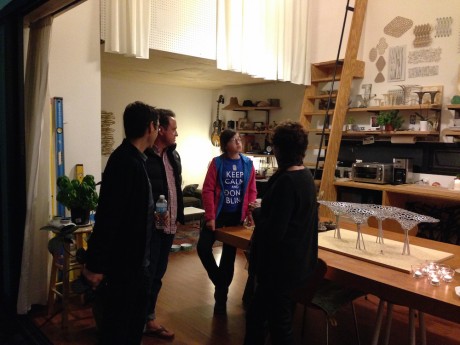
The tenants of the La Esquina are all current students, graduates, and instructors from Woodbury. According to a Dwell Magazine article about the building, tenants “meander into one another’s spaces to share meals, to collaborate, or to spontaneously gather in the afternoon,” making it ripe for creative collaborations.
IMG_9860

Many people speak of their days living in college dorms as some of their happiest. What dorms gave up in space and privacy was made up by built in social programming and conviviality. But as years progress, personalities and habits are forged, and people develop preferences as to how they want to live. The charms of shared living are supplanted by the desire for more control of their living environments. What’s great about La Esquina, from what I can see, is it retains many of the charms and infrastructural characteristics of dorm life, while providing the space and autonomy adults crave, all in a compact, efficient format. 

Portable, Modular, Academic

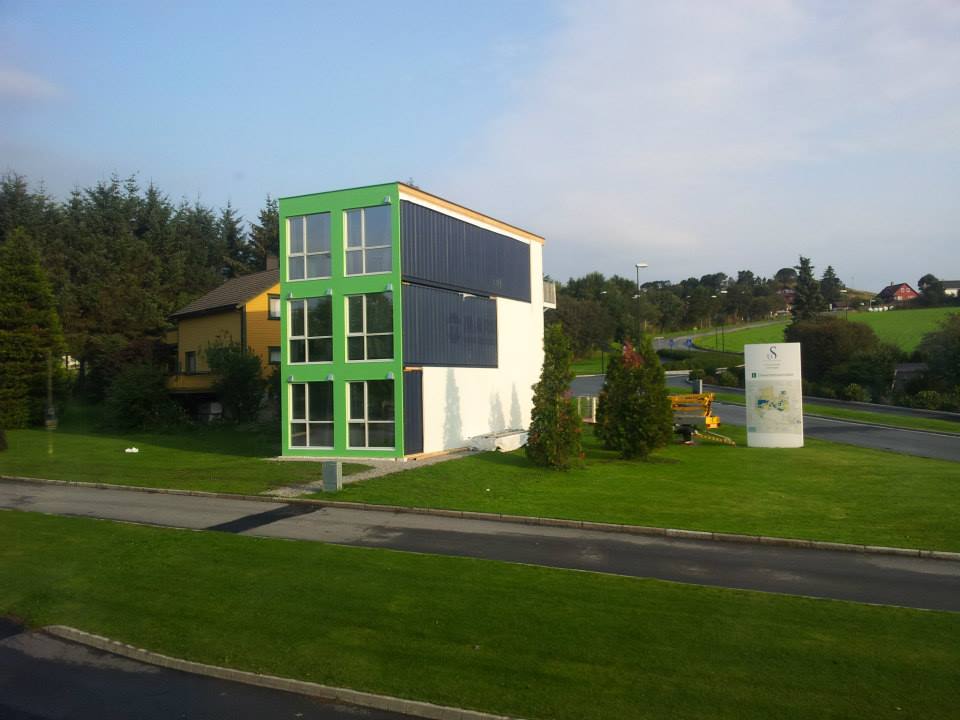
A couple weeks ago, we looked at Lund University’s scheme for low cost student housing, using innovative micro-houses instead of traditional dorms. Another Scandinavian project is trying to achieve the same end, albeit with different means. At the University of Stavanger in Norway, a new firm called MyBox is attempting to make low-cost, modular student housing out of shipping containers.

The two students cum entrepreneurs who conceived the project, Kristoffer Sørstrønen and Magnus Meisal, claim that the units feature “super insulation, new construction methods and assembly line production and come up with a well thought through solution.” The 269 sq ft (25 sq m) dorms feature sleek interiors using IKEA furniture, a partner in the project. Because of our limited (i.e. nonexistent) Norwegian, we can’t tell you many more details.

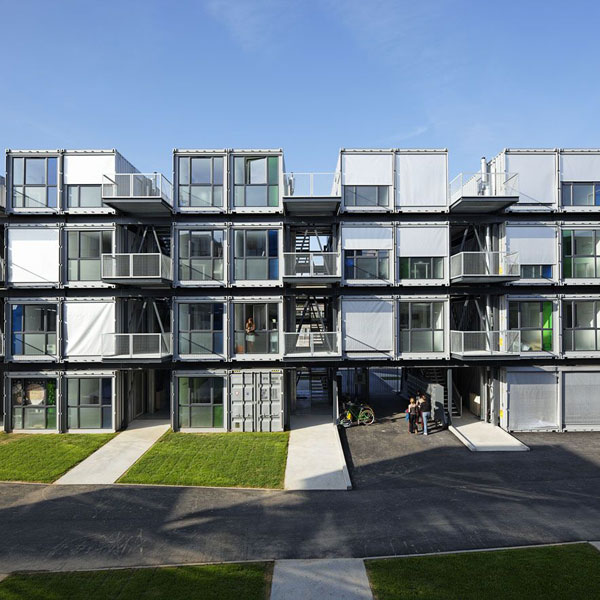
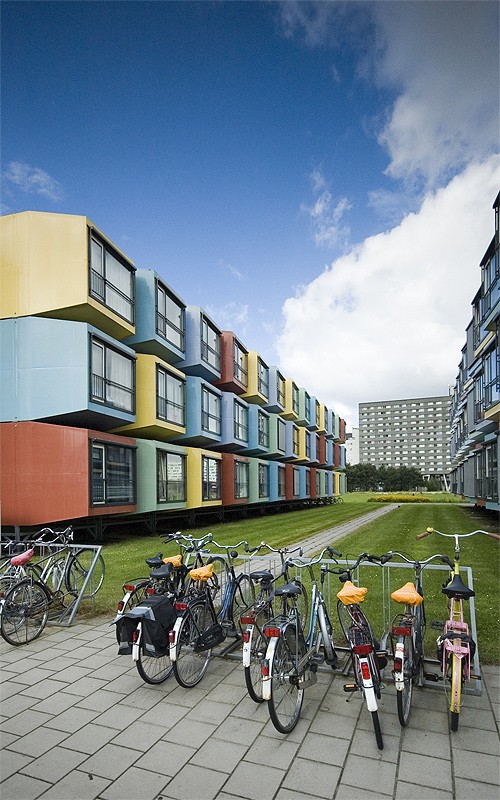
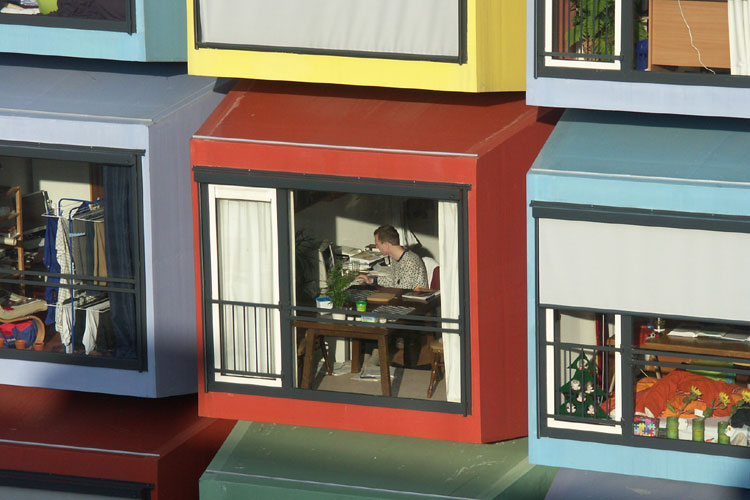
MyBox is far from the first student housing project using shipping containers. A couple notable examples include the Cité A Docks in Le Havre, France and the overflow dorms at the University of Utrecht in Holland (both cities, not coincidentally, are major shipping hubs). The former is an alternating array of 100 units and four floors designed by Cattani Architects. The latter was made by Dutch firm Spacebox and designed by Mart de Jong. The Utrecht units are over 300 rainbow-colored shipping container modules, stacked three high and staggered; their exteriors were modified so they don’t look quite so container-y.

Similar to the Atira housing we looked at a few weeks ago, all three projects show varied and compelling uses of shipping containers as housing structures. Using shipping containers in these special use situations strikes us as similar to appetizers at restaurants; because they have smaller portions and cost less, chefs tend to be more daring with appetizers than main courses, often leading to more interesting, tasty food. Similarly, architects can be bolder, more innovative and stray further from architectural orthodoxy with housing that is for special populations–e.g. students or women’s shelter residents–than they are with standard residential housing. We hope these appetizing little structures–or at least elements of them–make their way into the permanent menu of residential architectural thinking.

Cité a Docks images via Freshome

Swedish University Re-Thinks the Dorm

Lund, Sweden is experimenting with replacing its traditional student apartments with self-contained 12 sq meter (129 sq ft) micro-houses. AF Bostäder (AFB), who is behind the project, told The Local that the dwellings would have a distinct economic edge, renting “for 2500 kronor ($370) a month, compared to the average newly built student apartment in Lund which is rented for 4167” ($628).

The tiny houses have everything a student could need: A kitchenette, sleeping loft, bathroom and desk; and somehow it has that swank Swedish sheen that masks any motivations to achieve greater thrift.

The project is still an experiment though. In fact, the house doesn’t adhere to strict Swedish building regulation–the same regulation that AFB claims makes traditional student housing so expensive. The house received a three year permit to see how it works out.

AFB is taking applications for a student who is willing to live and blog about living in the apartment, and prove (or disprove) that this is a viable alternative to the status quo.

The house looks great and seems to have all the amenities a student requires. We do wonder about the social aspect of individuated housing. At least in America, the most important location for campus socialization is the dorm; it’s where many relationships are forged and ideas exchanged. We wonder how being separate from other students would affect that? That said, burdensome housing expenses can make people antisocial as well. What do you think?  Would you give up your dorm experience to save a few hundred bucks a month?

Photos by Jan Nordén

Via Dornob