Follow Up on the World Changing Ten Foot Cube

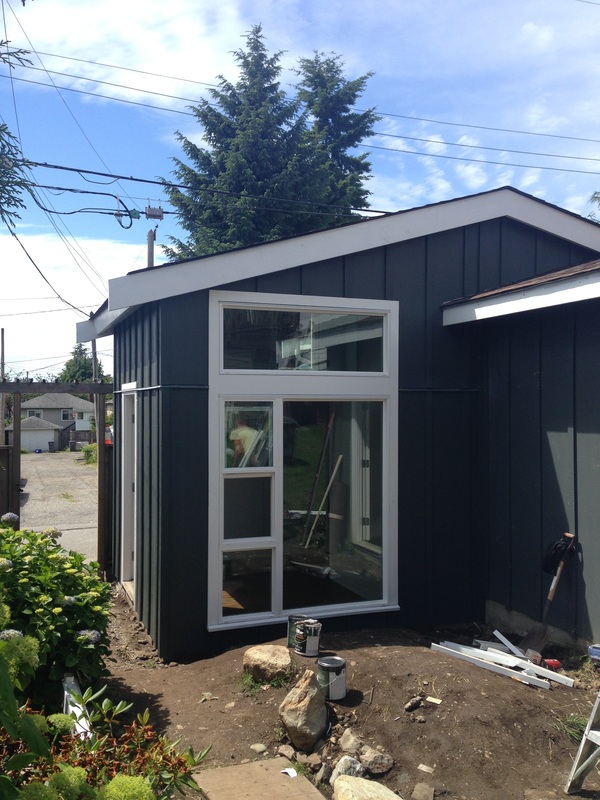
About a year ago we featured the NOMAD Micro Home, a tiny, affordable, easy-to-assemble, put-anywhere house with smart and modern architecture. Beyond its good looks, the post became one of our most popular because of its founder Ian Kent’s mission, which was to design a home that supports sustainable, affordable, and non-consumer living. The concept was a great illustration of how form can inform function and vice versa.
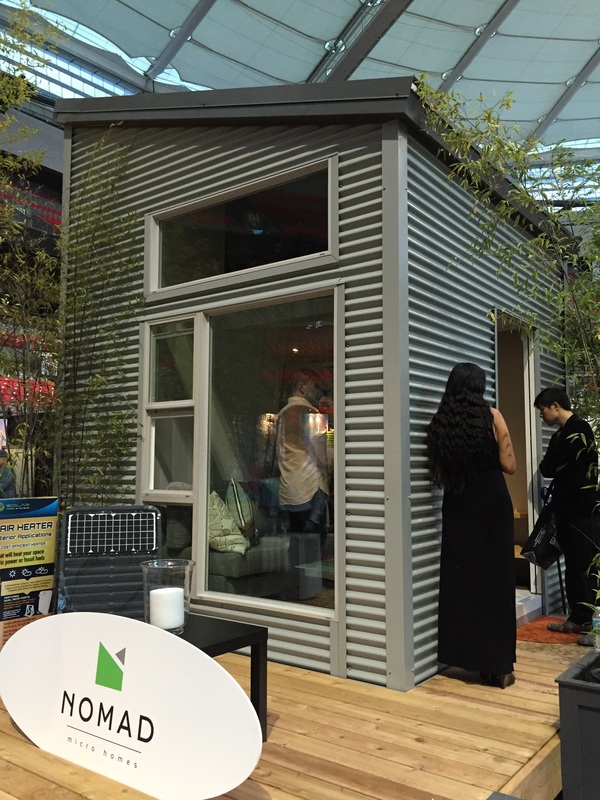
One year later, NOMAD is very much alive and well and taking orders for their tiny digs. Their website allows you to purchase one of four models (all prices in $CAD):

  • The $15K NOMAD Grow, which is more or less a shed using the same exterior as the home.
  • The $23K NOMAD Space, which lacks plumbing and is suitable as an attached or unattached addition to your existing home.
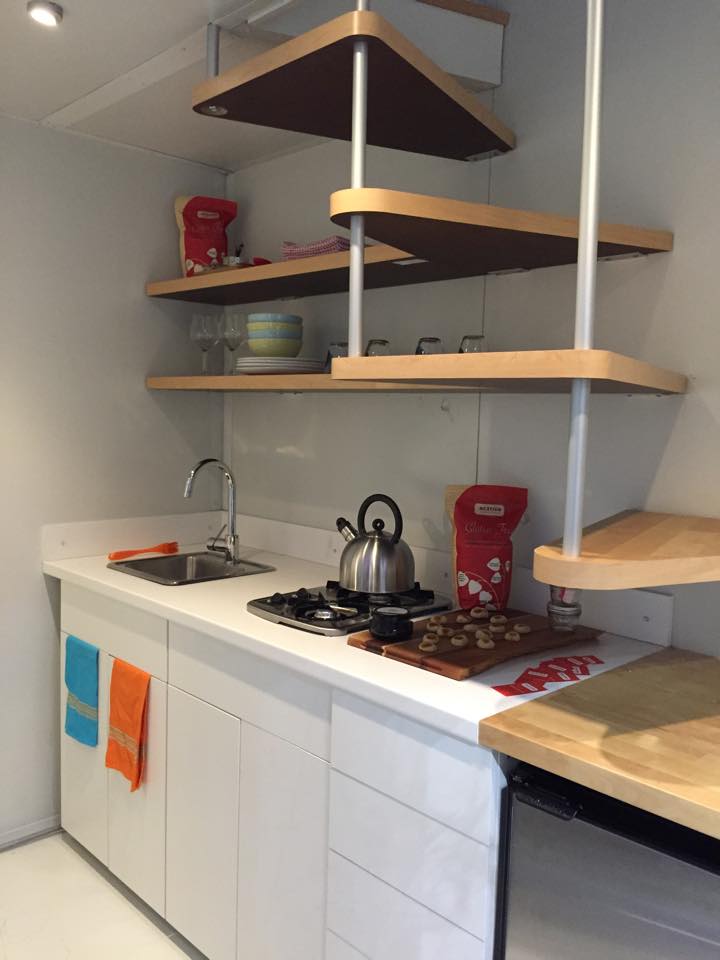
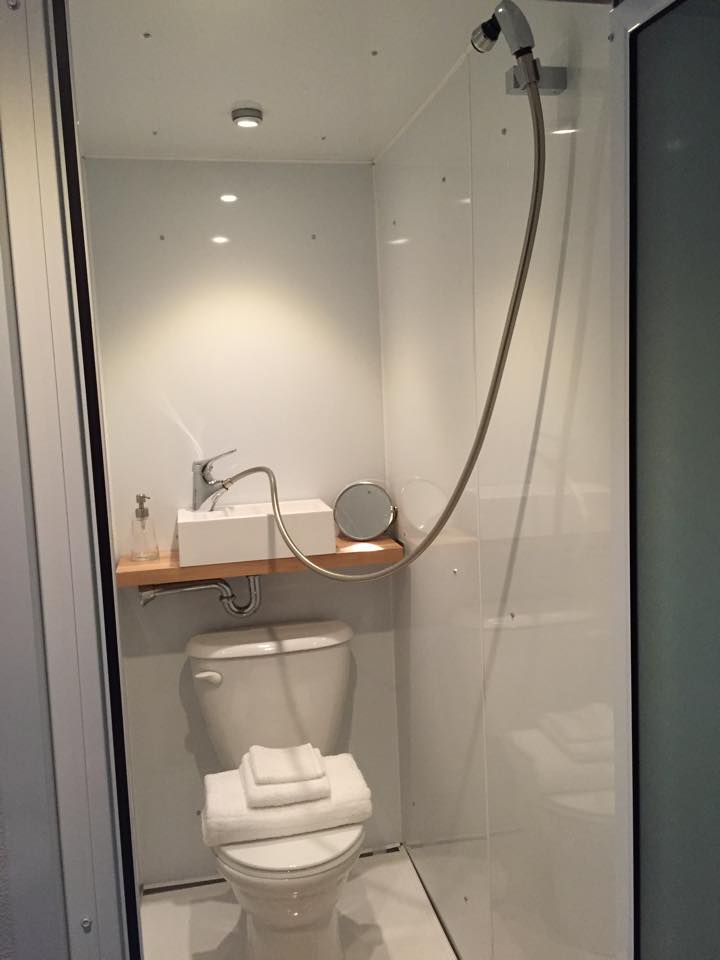
  • The $28K NOMAD Live is, as you might guess, a fully functioning home with appliances and heat.
  • The $42K NOMAD Zero, which is a fully functioning off-the-grid house with a complement of sustainable power and water harvesting add-ons.

They offer countless possibilities for customization between each model, and two or more NOMADs can be easily combined to increase contiguous floor space. NOMAD offers several furniture and power add-ons à la carte as well.

Kent told us that they should be able to get your micro home ready in 60 days or less upon order. Sales have already begun near their British Columbia home; however, they designed the flat-packed NOMAD for easy shipping worldwide to the US and other global locales such as the United Kingdom and Australia where interest has been huge since they launched their concept. Inquiries are welcome through their website.

Like pretty much all tiny houses, the only thing stopping NOMAD’s mission of liberation-through-housing is restrictive housing policies–which is, unfortunately, a persistent stoppage. Though many communities in both US and Canada basically limit tiny homes to being set up as an ADU or stealthy off-grid housing, NOMAD has tackled this issue through its modular capabilities. Kent also told us that, beyond ADUs, he sees a lot of promise in recreational property and eco-resorts in the near future.

“Our main objective with NOMAD is to address affordable, accessible housing in first-world countries, and hopefully even extend the concept to some third-world nations,” Kent said.

“We also want to pave the way for a new outlook on life, being one of simplicity and respect for the environment,” he continues. “Moving away from consumerism and back to what is really important like family, passionate endeavors, community involvement and helping others, eliminating debt, prioritizing mental and physical health, and lots more.” He believes downsizing and getting rid of your mortgage is a great start.  We couldn’t agree with him more and wish NOMAD the best of luck.

The World Changing Ten Foot Cube

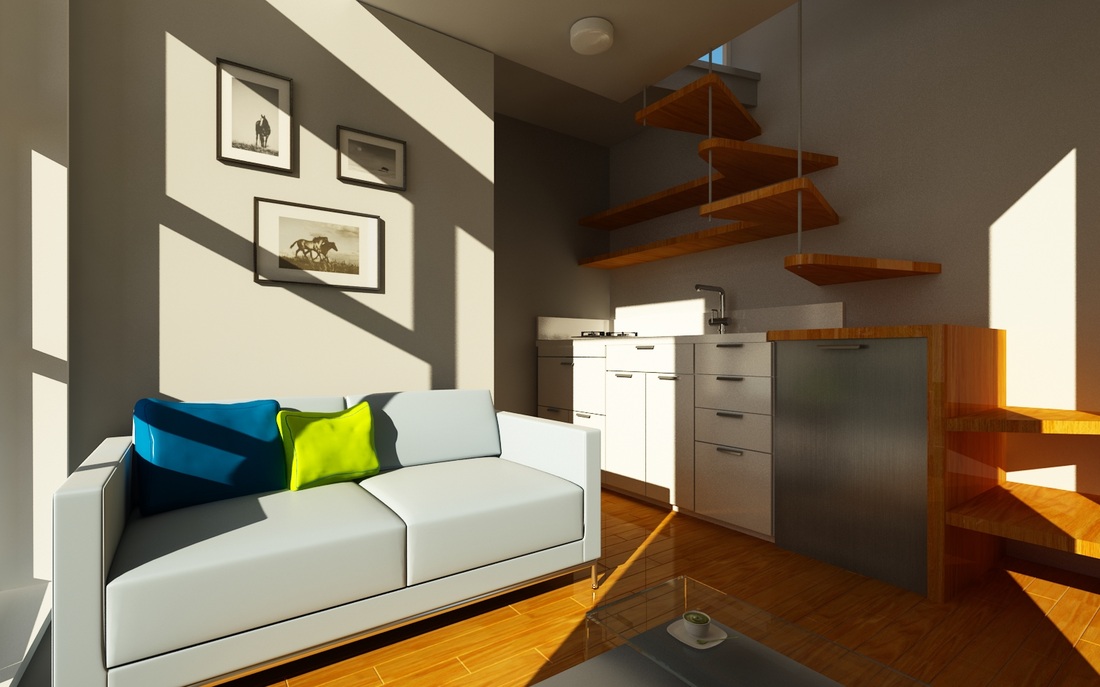
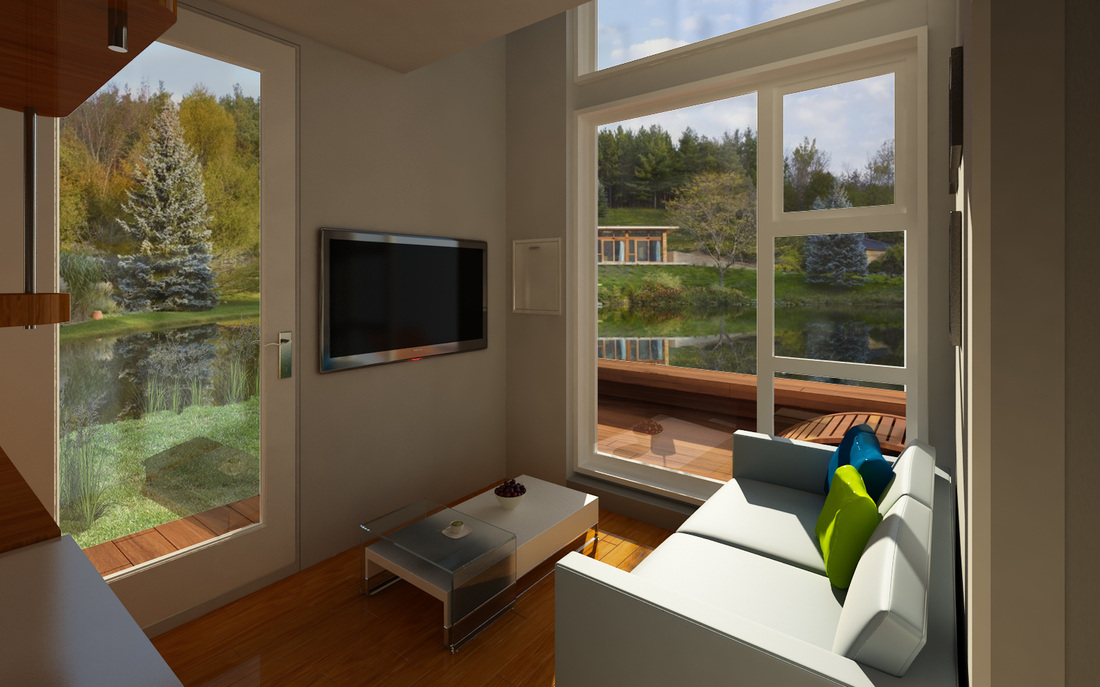
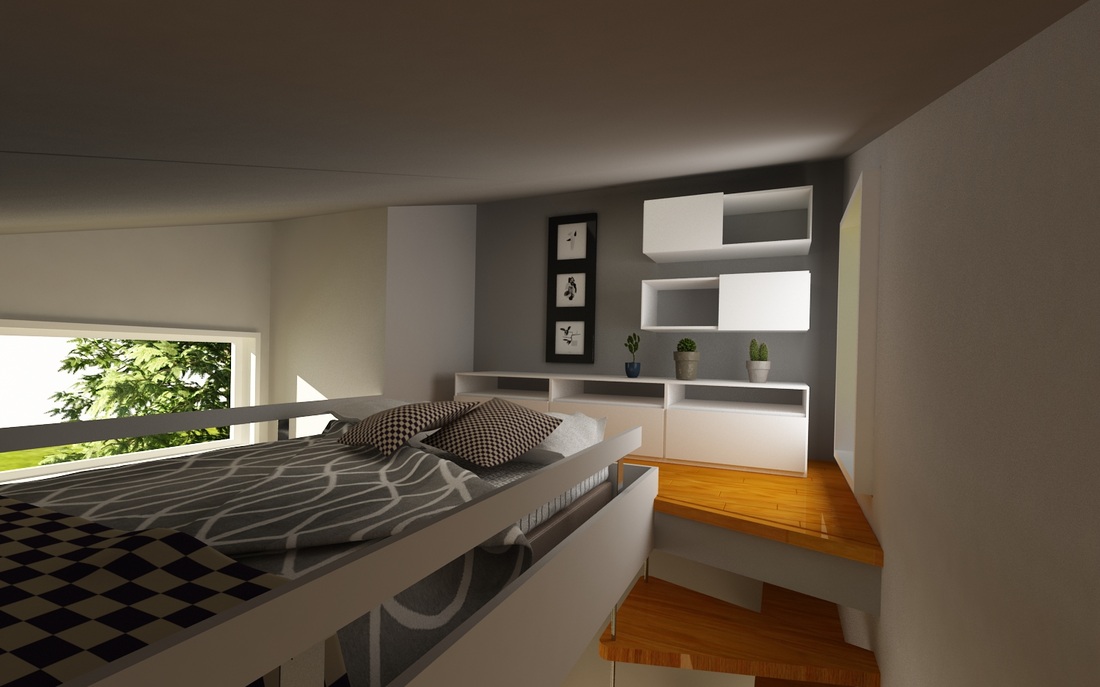
A new venture called NOMAD Micro Homes has designed a house that features all necessary living functions in a sleek, 10′ x 10′ package. The tiny house can be adapted for PV cells, rainwater collection and grey water treatment, giving it the capacity to go off-grid. The base model will be a mere $25K, and throwing down $3K extra will get you kitchen appliances. Vancouver-based NOMAD has a crowdfunding campaign on Indiegogo to help raise money to bring it to production.

NOMAD has big ambitions for the tiny house according to their website:

NOMAD’s goal is to reduce consumerism and focus on an affordable and sustainable housing option for the largest portion of our society: hard-working individuals who can’t make ends meet due to the high cost of living.

In the video below NOMAD founder Ian Kent describes how he sees the little home as more than a place to live. He sees it as redefining the idea of home, free from materialistic/consumer cultural constraints.

He also thinks the home’s design will inspire changes in its owner, as he told the Global News Canada:

Your consumerism would drop, because you wouldn’t be able to fit in things that people usually buy. You would become very efficient and that’s going to be a forced savings in your bank account. Plus, you are going to become a fantastic recycler and you are going to come up with new methods of recycling, because you can’t fit garbage in your unit.

Whereas the tiny houses popularized by Tumbleweed Tiny House Company are quite DIY, NOMAD will be prefabricated and flat-packing for easy shipping anywhere in the world. Its simple assembly and low price would make the tiny house format available to people who might not want to build their own homes, of which there are many.

Kirk sees this as a possible solution for many overpriced housing markets–e.g. Vancouver, which boasts some of North America’s highest property values. There might be a snag with that plan however: Vancouver has bylaws that restrict building homes under 320 sq ft according to Global News.

Therein lies the eternal question with tiny houses: where do you put them? A tiny, off grid house is very eco friendly if you source food and make your living off grid; if not, we suspect a nice studio in a city center with its minimal transportation needs will be far more efficient. And as we saw with the Occupy Madison Build and Boneyard Studios tiny houses, putting homes that are not on the grid in many cities is illegal.

That said, our hats are off to the NOMADs. Should they get their project funded, they stand to make tiny houses accessible to larger populations. NOMAD’s pre-made homes might take the movement one step further from its current place at the fringe of society. Perhaps with a growing tiny house movement, legislation and society can become more hospitable to these innovative little homes.