Wedding Dress Rental: One Special Day Needn’t Stuff Your Closet Forever

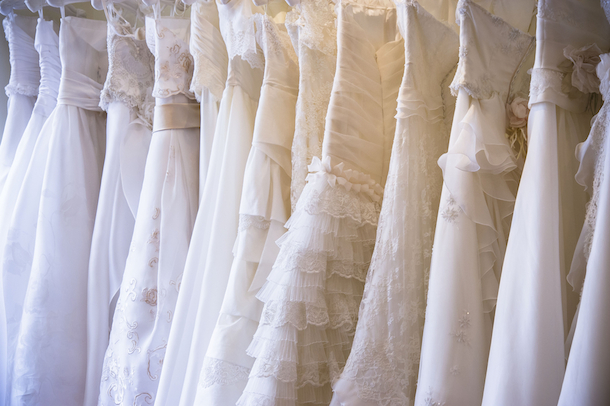
What’s white, covered with lace, used once and has an average cost of $1211? If your answer was the American wedding dress, you’d be correct. While we have nothing against the institution of marriage, the marital-industrial complex has become so powerful, so inflated, that many couples have become convinced they need to spend an average of $28K on their weddings according to a 2012 survey by The Knot and The Wedding Channel. While some expenses, like the $12K for venue, might be tough to save on, the wedding dress–a bulky, single-purpose, single-use, non-transferable hunk of lace, silk and taffeta–is a perfect place for cost-cutting.

wedding-spending

The Japanese–as they are wont to do–have a solution: rent your wedding dress. According to Rocket News 24 of Japan, the practice has become quite popular. The cost of the dress is actually worked into the overall cost of the wedding venue, many of which keep a bank of dresses at their disposal. The dresses are not necessarily cheap, costing as much as 150,000 yen ($1,450), though that’s for a high end dress that’d probably cost ten times that amount–a bargain if you’re into that kinda thing.

The practice, while not common, is done in the US. We visited Rent the Runway and they had a few options, all top designers and under $200 for a rental (though most looked like white evening dresses rather than traditional wedding dresses…not that that’s a bad thing). If you’re in LA, One Night Affair does high end wedding dress rentals. In fact, it seems like the best bet is to do a local, not national, search for rental places.

There is also Little Borrowed Dress, which specializes in bridesmaid dresses. They offer sets of dresses in a set number of styles and fabrics (12 and 18), in cuts that are “designed to fit and flatter all body types.”

Rather than cheaping out (not that cheaping out is a bad thing), renting a wedding dress, at least in Japan, is a reflection of care, as Rocket News states:

Some Japanese women we spoke to said that the very reason they want to rent their wedding dress is because of how important the ceremony is. Obviously, if we’re talking about the exact same item, it’s cheaper to rent than it is to buy. Just as there are companies that rent high-end sports cars to drivers who could never afford to buy one, choosing to rent a wedding dress gives the bride access to designers and quality far beyond what she could purchase at that price point.

Makes sense to us. And the ability to return the dress when you’re done–not carting it from house to house, storing it in a plastic bag, never to be worn again (a practice all too common in the American home)–is a big bonus.

Wedding image via Shutterstock

How to be Unprepared for Almost Any Situation

The world and its many retailers want us to believe we should be prepared for any “what if” situation: What if I have a four course dinner party for 15? What if my parents and in-laws stay over at the same time? What if I am invited to the save-the-seagull gala next month?

In order to be prepared for all of these situations, we must keep arsenals of stuff at the ready–stuff that costs money to buy and store; stuff that will eventually occupy landfills; stuff that clutters our homes and minds.

But what happens on the rare occasion we find ourselves unprepared? Not much, right? We borrow. We hack an alternative solution. We do without. The threats of being unprepared are more social (i.e. fear of being judged) than mortal. The fact is humans as a species are very adaptable and most of our friends don’t care if they have to drink wine from a water glass should we run out of stemware.

Here are a few common places where we tend to unnecessarily err on the side of preparedness and some easy alternative solutions:

Problem: Formal wear. Many of us keep that tuxedo or gown around for that formal occasion that never comes. Or if it comes, it doesn’t justify the real estate necessary to store special garments the rest of the year. Unless you’re a politician or celebrity who attends galas on a regular basis, the chances that you need a tux or gown year-round are low.

Solution: Have two simple and versatile suits or dresses (summer and winter weights) that work for formal occasions. The darker and less flashy, the better. For men, make one of the suits black and invest in a matching tie. Women, accent your plain dress with a necklace. If you really need to dress up, rent a tux or dress.

Problem: Guest rooms. Unless you have stay-over guests more than 10-20% of the year or you use a room for multiple purposes, most guest rooms have a hard time justifying their existences. Between the expense of buying or renting, the energy needed to heat and cool, and the time and energy spent cleaning, having an extra room solely for guests seldom makes sense.

Solution: Have your guests crash in the living room on an inflatable bed or sleeper sofa. Sure, it can be inconvenient and lack privacy, but it’s far less inconvenient than paying thousands of dollars for a room that’s rarely used.

Offer to split Airbnb expenses for your guests. Do the math: A rented room at ~$50-100/night will be a lot cheaper than the associated expenses of having an under-utilized spare room throughout the year.

Lastly, if you’re stuck with a guest room and have no present need for it, consider sealing it off to eliminate energy needs, or renting it out, either with Airbnb or to a longterm tenant.

Problem: Tableware. Somehow the idea has been planted in the collective consciousness that every home should be set up for multi-course dinners for 12-15 people. You’re ungracious if everyone doesn’t have a dedicated glass for water, white and red wines, or enough forks and plates for salads, mains and desserts. Baloney, we say.

Solution: Improvise. Clean plates and silverware between courses. Have a multipurpose glass that works for any beverage. Use a soup spoon to stir your coffee. Serve dessert in a cup. Keep paper plates around for the rare occasion of overcrowding (we do all of these things for dinner parties at the LifeEdited apartment).

Problem: Cooking supplies. Maybe there’s that cake recipe that requires a sifter or a soup recipe that requires a food processor. You want to cook these things, but lack the tools.

Solution: Improvise, borrow or don’t make that dish. Buy pre-sifted flour. Use a blender instead of the food processor. Borrow baking sheets from your neighbor. Choose another dish that works with the kitchen tools you have.

If you are a gourmand who frequently makes elaborate dishes, by all means have the kitchen tools you need. But buying a costly and space-hogging tool for a dish you rarely prepare makes no sense. There are many dishes out there that require only the most basic cooking tools.

Problem: Camping gear and other bulky sports equipment. Many of us think we are still 19 years old–an age when we could jump ship for a two week backpacking trip on a moment’s notice. We keep our tents, sleeping bags and other gear in storage year-round, thinking we’ll use it more than the one or two times a year (or, truthfully, decade) we actually do.

Solution: Rent or borrow. Many big outdoor equipment stores such as REI and EMS rent a wide range of outdoor gear. Also, if it’s a short trip, renting a motel room or cabin in the woods often makes more sense than creating a gear-intensive base-camp.

Where are you frequently unprepared? And how do you handle it? Let us know in our comments section.

Camping gear image via Shutterstock

It’s Official: Japanese Small Apartments Are World’s Coolest

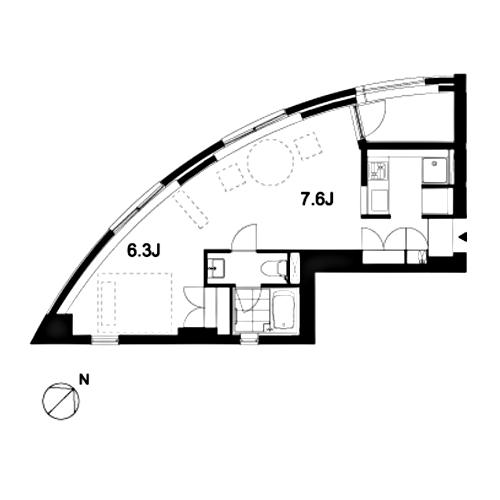
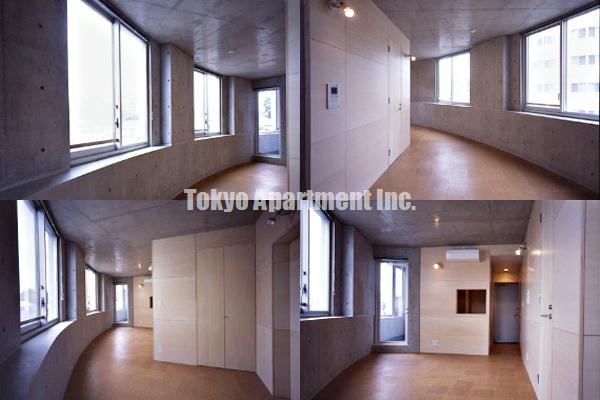
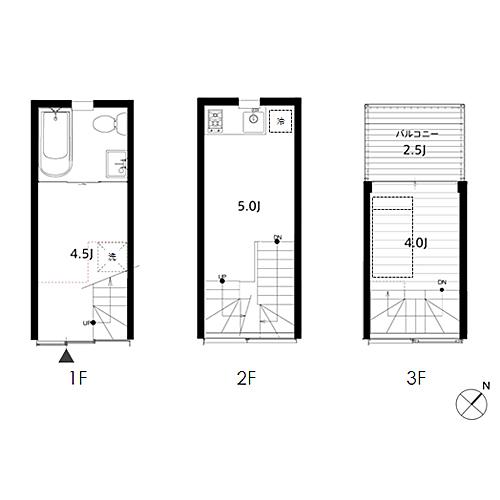
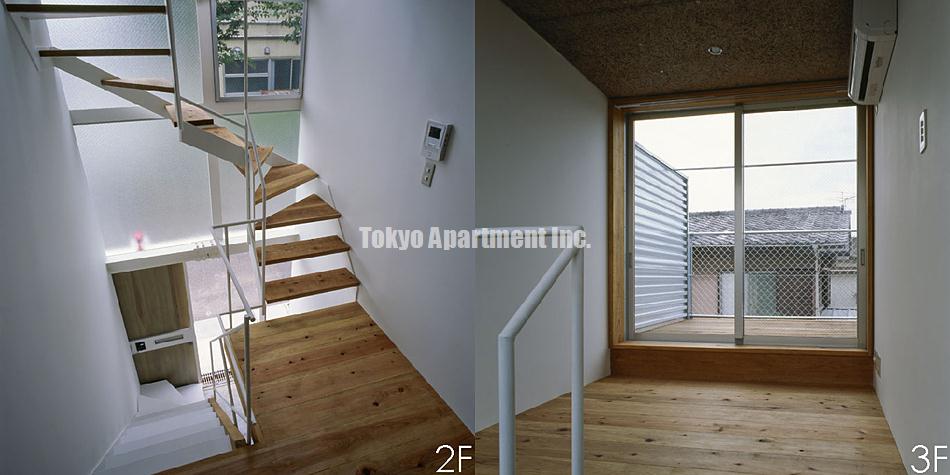
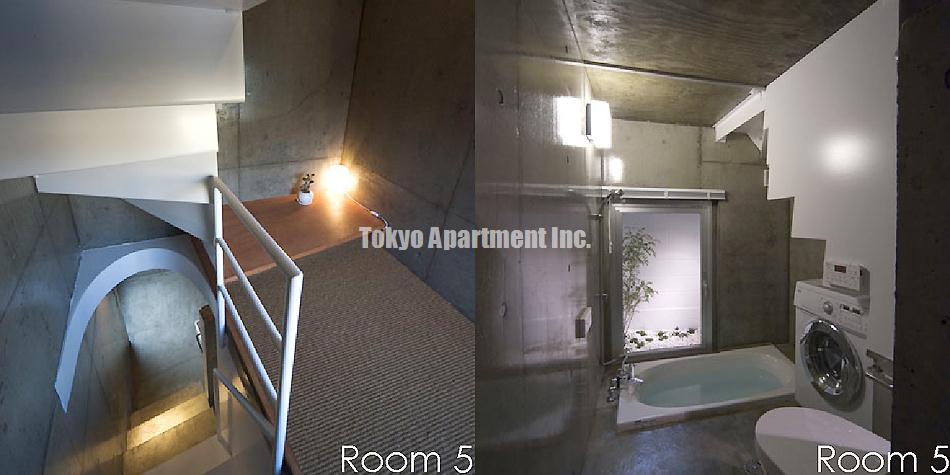
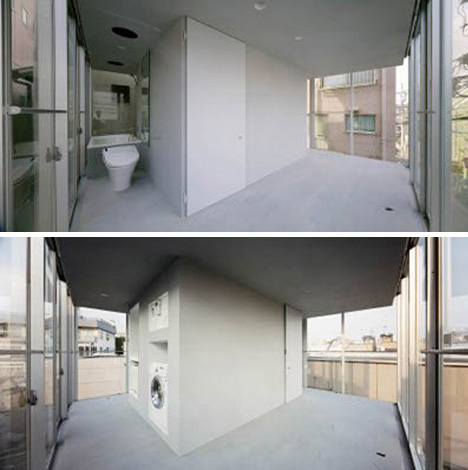
As one of the world’s most densely populated countries, Japan has long been a leader in small space home design. Maybe it’s just us (who have never been there outside of flight layovers), but when we see some of the crazy Japanese designs like Kyosho Jutaku, we wonder if those are just rogues–daring and bold designs in an otherwise staid architectural landscape. When a reader turned us onto a Japanese rental website–filled with apartments anyone could rent–we realized that innovative Japanese home design is pretty damn normal.

The website Tokyo Apartment Inc is filled with remarkable and daring designs that would be a big deal anywhere other than Japan. The apartments are small, but high end. They are well-lit, feature high quality materials, are decked out with appropriate appliances and have more interesting architecture than you’re likely to find on any Craigslist rental. We perused the TOI site with not-so-micro envy. Hopefully, one day the US and other hefty-haunched-homed nations will pick up some of the Japanese design cues.

All images via Tokyo Apartment Inc