Immersed in Music & Movies

We live in a wonderful era. We can listen to any kind of music at any time. We can watch any movie at any time. For LifeEdited Maui, we wanted to embrace the technology that allows this, without being frustrated by the complexities. This is specifically what we wanted:

  • Play any music from Spotify in any room  (yes, all rooms have speakers)
  • Play any music from Spotify in multiple rooms simultaneously (synchronized)
  • Start music playing & control volume with only voice commands e.g. “Hey Google, play Pink Martini”
  • Play movies from Netflix for a large group of friends
  • No room dominated by a giant LCD television
  • Simple enough to be usable by a guest within one minute
  • Very green e.g. auto power off

The Design

As designers, we like to start with the hardest parts of the problem:

  • Whole house synchronized music a.k.a. party mode. Most systems don’t do this well or at all. At the time we designed the house, a Google Home/Chromecast system and a Sonos system could do this well. The Google Home/Chromecast system was less expensive, so that’s what we used.
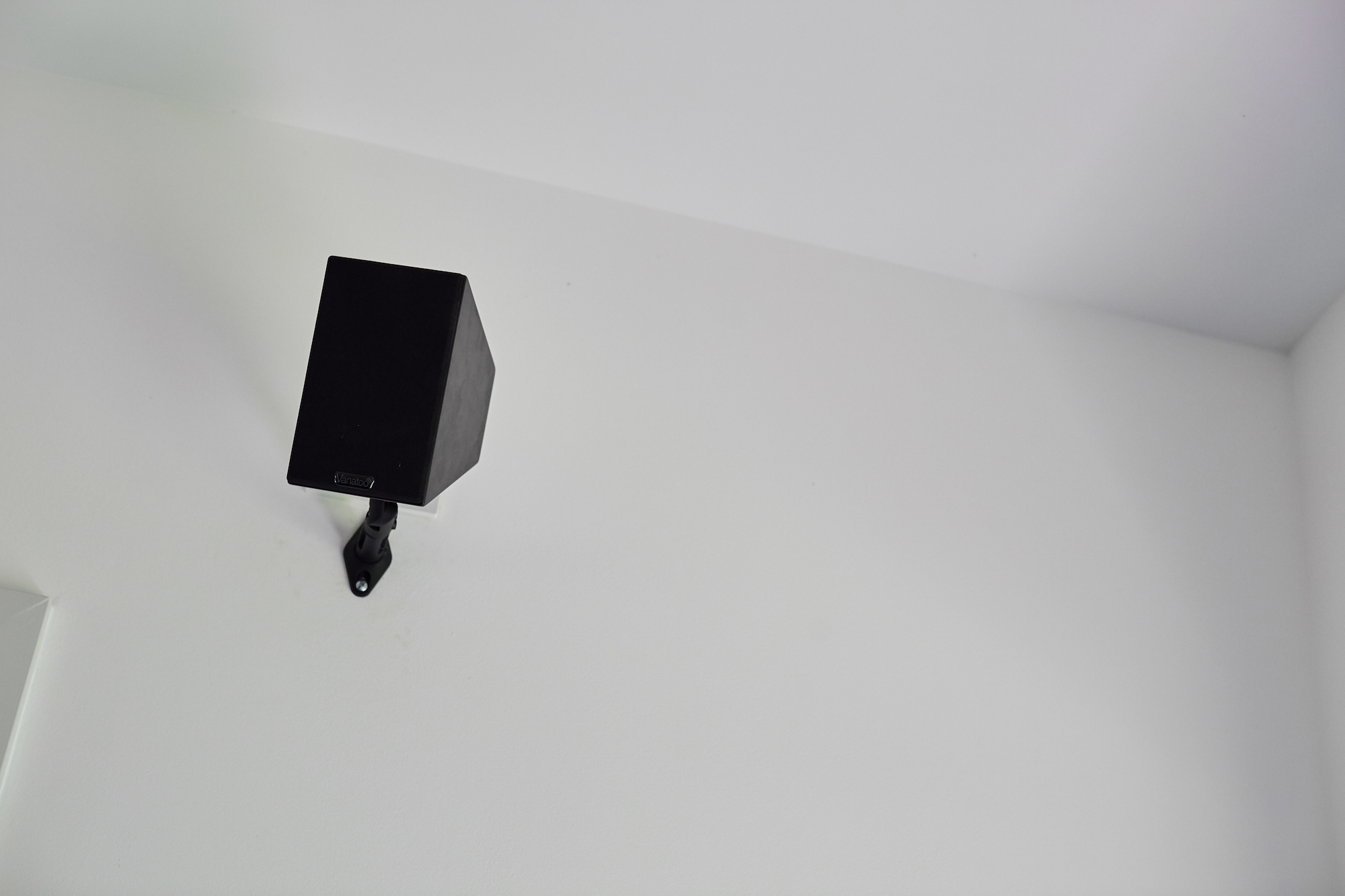
  • Great sound with great intelligence. We want the speakers shared between the music (Google Chromecast) and movies (Apple TV). And we want speakers intelligent enough to automatically switch between the Chromecast and the Apple TV. There’s only one choice for that – the awesome Vanatoo Transparent Zero speakers. More on their great sound below.
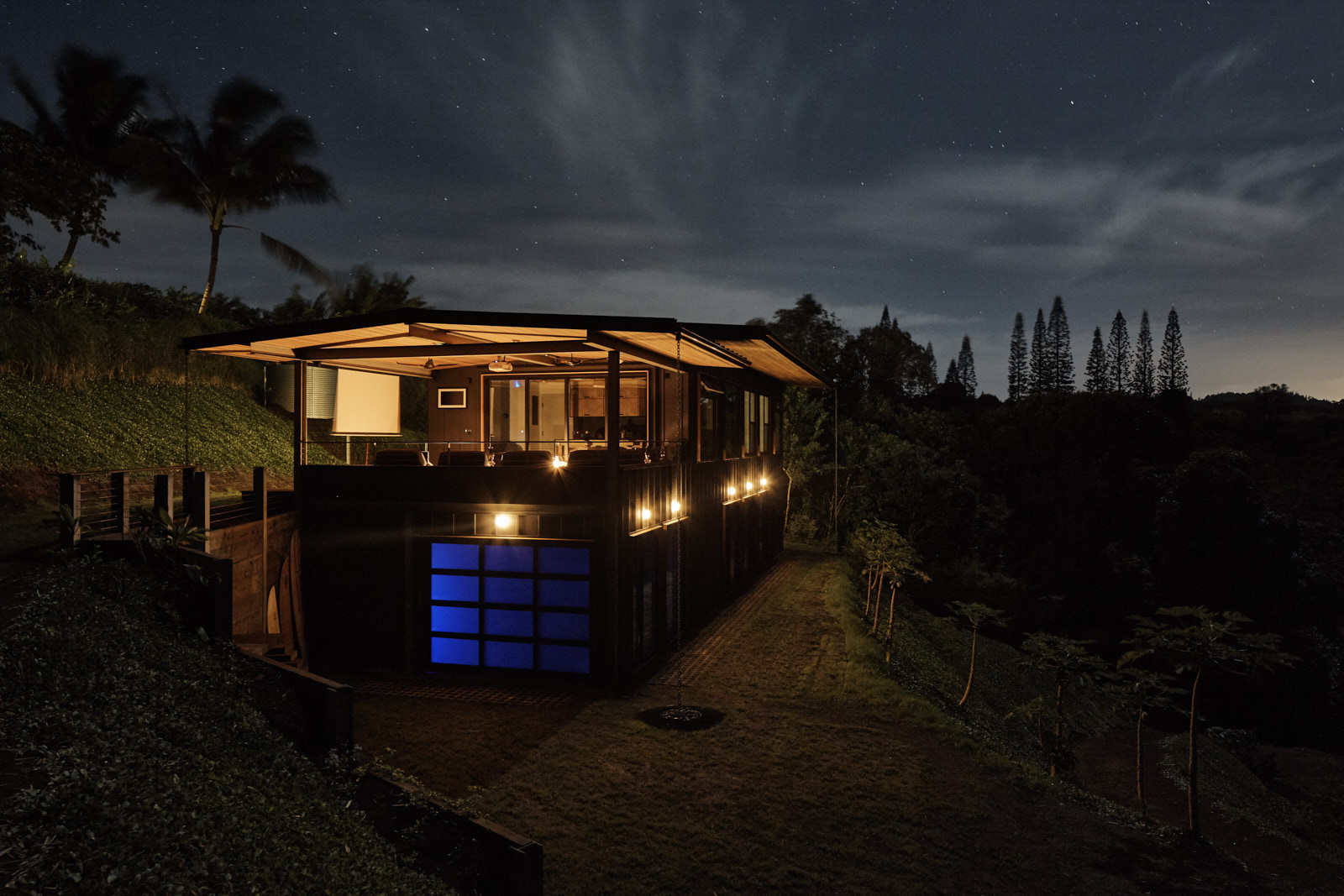
  • Movies with friends without a giant LCD television. So naturally we put a projector and a 100-inch pull down screen on the lanai. This is Maui after all.

With the hard parts solved, the rest of the system fell into place fairly easily.

Music Setup

There is a smart speaker in every room:

Music Usage

To play music, you don’t have to press any buttons – just talk:

Hey Google, play Pink Martini

Hey Google, play Pink Martini on Whole House

Hey Google, louder

Hey Google, quieter

Hey Google, pause

Hey Google, stop

Of course, if you really want to press buttons, you can use your phone.

Vanatoo – Transparent Zero Speakers

The Vanatoo Transparent Zero speakers are one of those rare pieces of smart technology that bring joy without any frustration. Joy from the music. It’s the kind of sound where you can *really* listen – on a comfortable couch, eyes closed, not thinking about anything else. Smart too. On the lanai, there’s an Apple TV (movies) and a Google Chromecast (music) connected to the speakers. The speakers always automatically choose the correct input. I don’t know of any other speaker that does this i.e. can correctly choose between multiple digital and analog inputs.

Movie Setup on the Lanai

To watch movies on the lanai at night, just pull down the screen, turn on the projector, and use the Apple TV remote:

Want to know more about LifeEdited Maui? See the detailed description, subscribe to our newsletter, follow us on Instagram, Facebook, and Twitter. Would you like a home, apartment, or apartment building like this? If so, read about our services And if you are interested in renting or owning LifeEdited Maui or the LE2 apartment in NYC, please contact us.

Please click on a thumbnail to see a slideshow. Bloggers and journalists are free to download the web resolution photos or the high resolution photos. It isn’t mandatory but it is much appreciated if you can credit Shawn Hannah for the photography.

This post is one in a series that describes LifeEdited Maui. LifeEdited Maui embodies our green, space efficient, and minimalist principles. We view it as a lab for experiencing things that are consistent with these principles. The Vanatoo product described in this post was given to us, which we appreciate, but we would not have accepted if we didn’t believe in it.

Micro-apartment with Loft Bed and Carousel Closet

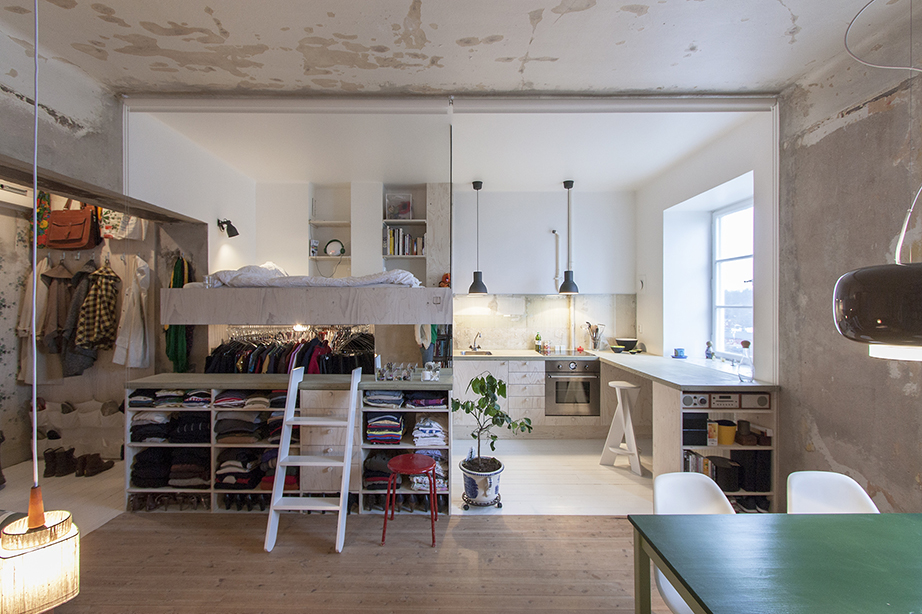
An apartment was left untouched for 30 years before it received new life. Located in Stockholm, Sweden where rising prices are making harder find affordable housing, this 387 square foot apartment was a project that sought to make the most of it’s location.

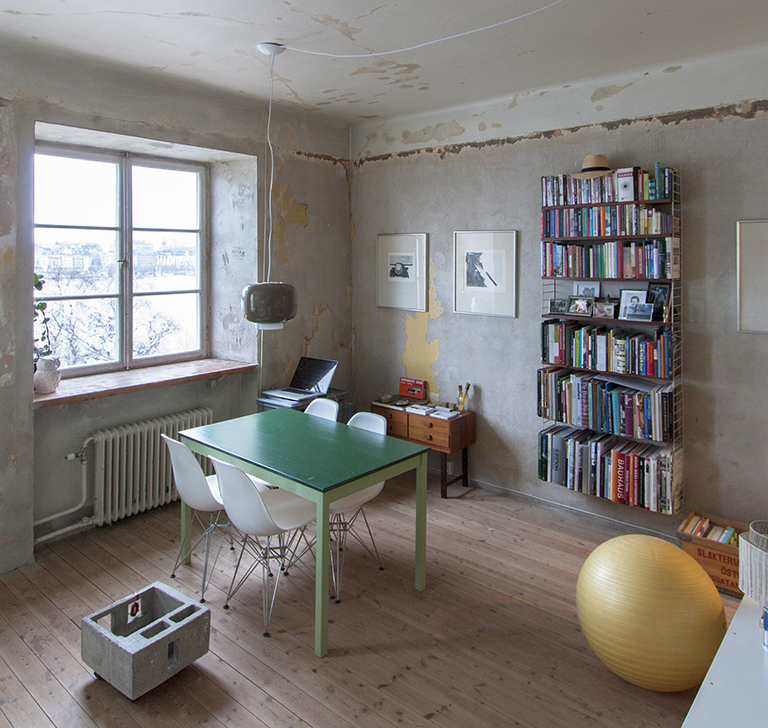
Karin Matz set to modernize the space but retain traces of the it’s history. She left the walls unfinished with wallpaper half removed, rich with patina. Preserving apartment’s state also helped keep costs of the renovation to a minimum. She combines apartment functions making for an interesting, yet functional space;

“Here all the functions are squeezed in on top of, in-between, under and inside each other. Bedroom, kitchen, wardrobe and storage are all one.”

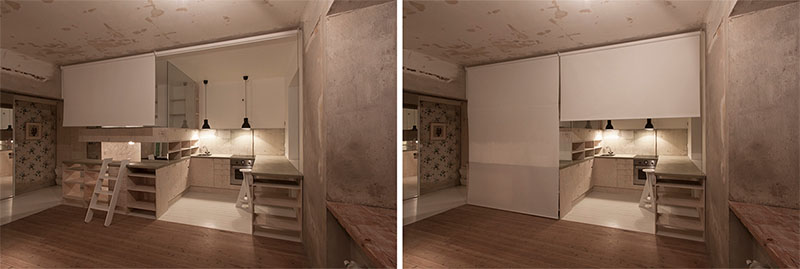
The bed is set on a elevated loft to provide storage underneath. This serves as ample storage for the kitchen as well as a rotating carousel for clothes to be hung. The inhabitant has access to their bedroom by a small step ladder. The glass divider provides separation between the kitchen and bedroom, allowing light to pass through. For privacy, curtains can be pulled from the ceiling to section off the different living areas.

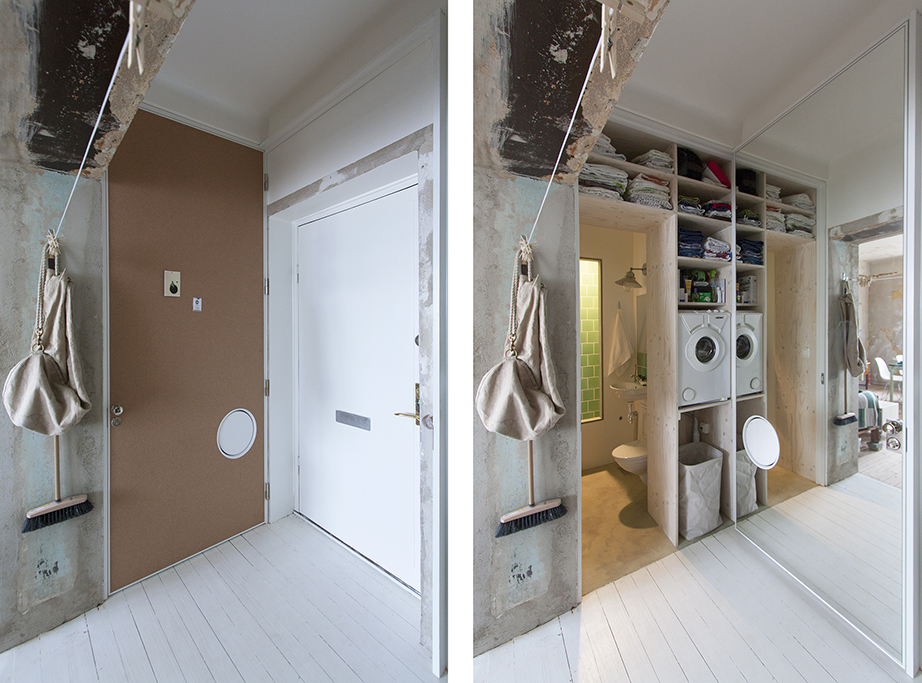
The living room and bathroom are located on the opposite side of the house. Access to the lavatory is hidden by a large door that reveals convenient shelving and washer. The door also contains a large mirror on the reverse side that tricks the eye into making the space appear larger.

Although the functions of the apartment are close together, the space feels uncrowded. The renovation perfectly acheived its goal and is a great example of how to transform an unefficient space into something livable.


Off-Grid Luxury with Sunflare & Blue Ion

The plan has always been for LifeEdited Maui to be off-grid yet luxurious – green without the sacrifice. We always want to be smart with how we use energy. But we also want to enable the Thanksgiving scenario – lots of friends and family over, kids playing video games, adults cooking up a storm, lots of hot water being used. All without worrying about energy usage. All powered by the sun. So how did we do it? Primarily with Sunflare SUN² solar panels and Blue Ion 2.0 Energy Storage. In a leading edge system designed by our friends at HAWAII OFF-GRID.

Blue Ion 2.0 Energy Storage

We wanted to find a company that shares our vision of leaving the planet better than we found it. Happily, our island neighbors Blue Planet Energy share this vision.

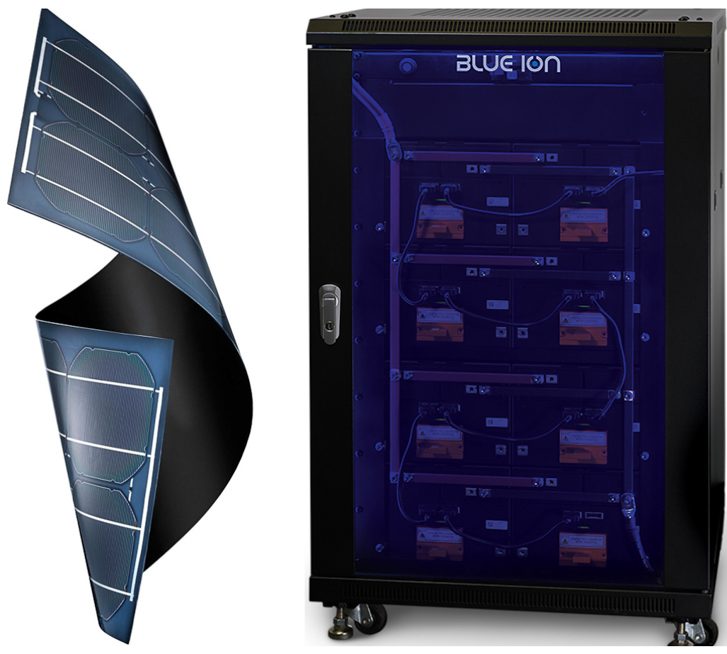
Batteries have been a key missing piece in our sustainable future, but the Blue Ion 2.0 Energy Storage system changes that. A green off-grid house needs strong batteries, in fact the battery system is in many ways the backbone of the off-grid system. Simply stated, you have to store energy so you can live a happy life even during a cold dark winter week. This used to be surprisingly difficult and complex. The Blue Ion 2.0 Energy Storage system changes that – it’s so innovative that it makes you forget how difficult it used to be. Fundamentally, it just works – reliable, powerful, no fuss. Performance is excellent – rapid recharging and high output mean that you don’t have to change your lifestyle. You also don’t have to worry about safety. The science of Lithium Ferrous Phosphate (LFP) chemistry makes the batteries much safer than competing products. The reliability is exemplified by the 15-year performance warranty – best in the business. Our particular setup is a 48kWh battery system. BTW, you can also easily use wind turbines with this system.

As a fun side note, we got to spend time with the designer of the Blue Ion 2.0 Energy Storage System. His intention was to create the best battery system on the market. We think he succeeded. And we think it will help drive the adoption of clean energy systems in general.

Sunflare SUN² Solar Panels

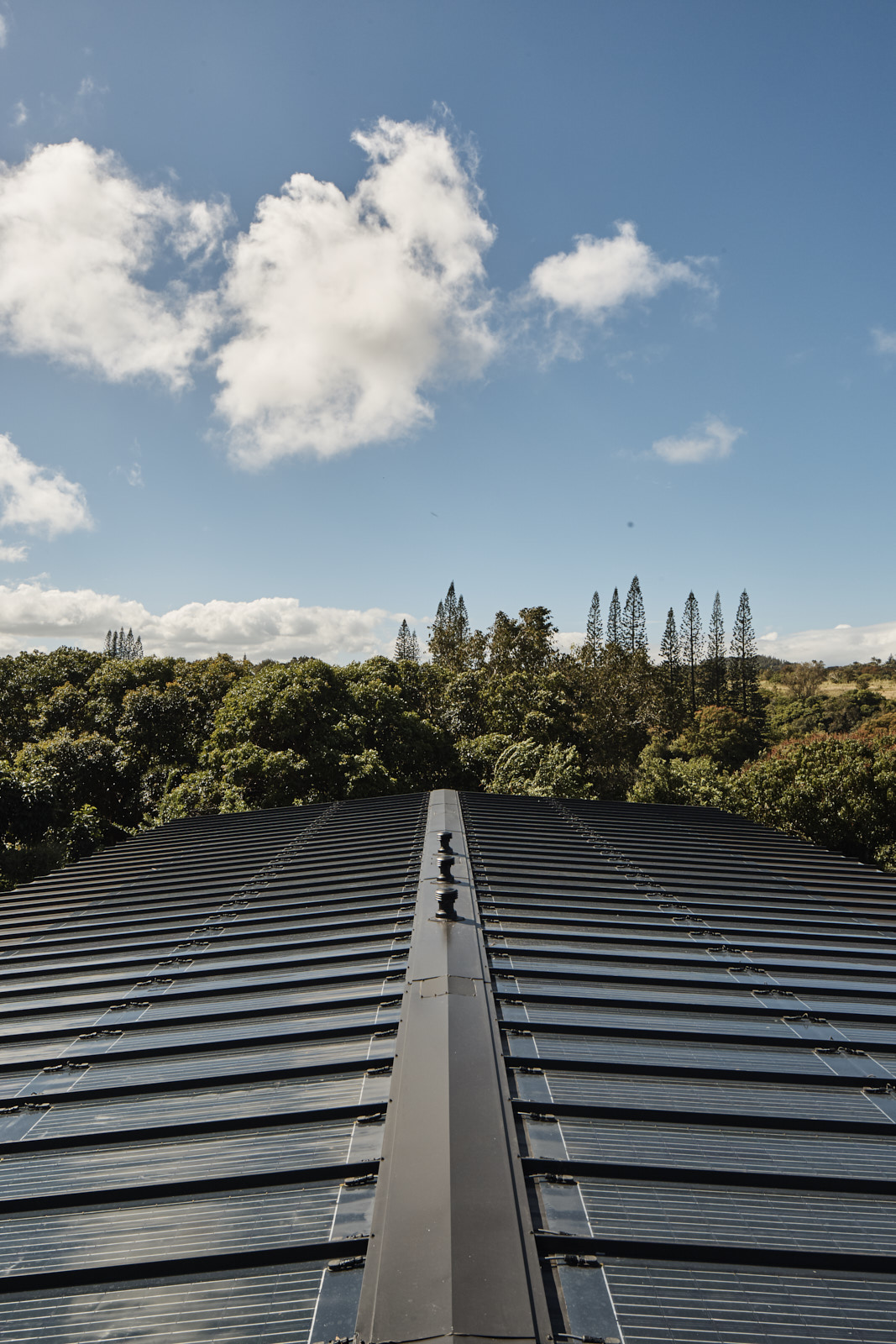
That’s a Sunflare SUN² solar panel. It doesn’t look like your normal solar panel, does it? It’s not. It’s better – lighter, thinner, more flexible, greener, and more attractive to boot. We used industrial strength double-sided tape to mount the panels directly to our metal roof. Which looks fantastic – see the photos below. And we feel good knowing that these are the greenest mass produced solar panels on the planet – no toxic chemicals used in manufacturing, also less water & energy used, no framing needed, no glass needed, and no silicon purification needed. Our particular setup is 10.1kW photovoltaic array.

So what is the technology? It’s a new generation of CIGS (Copper Indium Gallium Selenide) panel. Which provides some favorable characteristics relative to traditional solar panels. For instance, they perform better in cloudy weather. Maui winters are surprisingly cloudy, and with an off-grid system you really need to generate energy during weeks of mostly cloudy weather. CIGS panels also perform better during the low light conditions of dawn and dusk.

The bottom line is that the panels generate all of the energy that we need. And they do it with style.

The Sunflare SUN2 solar panels and the Blue Ion 2.0 Energy Storage system work very nicely together as a leading edge system. But for clarity, they don’t require each other – we’re just fortunate to have both systems.

Want to know more about LifeEdited Maui? See the detailed description, subscribe to our newsletter, follow us on Instagram, Facebook, and Twitter. Would you like a home, apartment, or apartment building like this? If so, read about our services And if you are interested in renting or owning LifeEdited Maui or the LE2 apartment in NYC, please contact us.

Please click on a thumbnail to see a slideshow. Bloggers and journalists are free to download the web resolution photos or the high resolution photos. It isn’t mandatory but it is much appreciated if you can credit Shawn Hannah for the photography.

This post is one in a series that describes LifeEdited Maui. LifeEdited Maui embodies our green, space efficient, and minimalist principles. We view it as a lab for experiencing things that are consistent with these principles. The products described in this post were given to us, which we appreciate, but we would not have accepted if we didn’t believe in them.

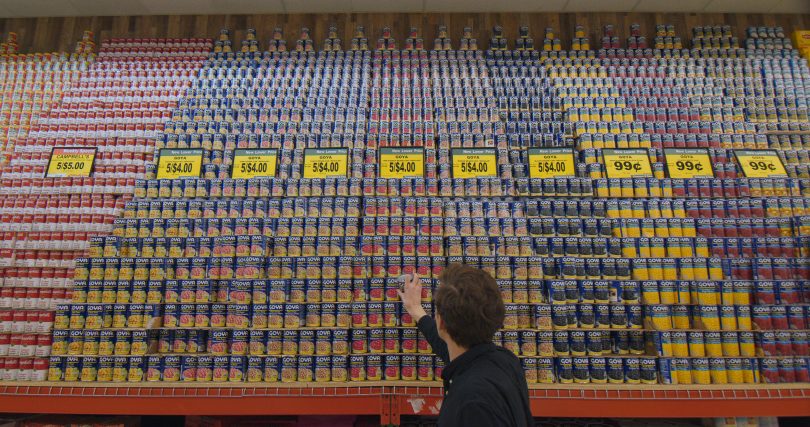
Save the Food

Part of living an edited lifestyle is learning how to cut the excess in your life, including what’s left on your plate. The NRDC and Ad Council have partnered to create Save the Food to help educate the public to combat food waste. The following clip shows one of their campaigns featuring farm to table restaurant owner and Michelin starred chef, Dan Barber.

Barber is not the only food celebrity joining the movement to stop food waste. Anthony Bourdain and the team behind his hit tv shows No Reservations and Parts Unknown have produced Wasted: The Story of Food Waste.

The growing awareness surrounding food waste is leading businesses to create new products surrounding this overproduction. Liquor companies such as Misadventure & Co and Toast Ale are producing spirits from discarded bread. Not only is this helping to reduce food waste but Toast Ale has won awards and tastes great (we’ve tried a few cans ourselves).

For more info on how you can take part in the effort against food waste click here.


Let There Be Light

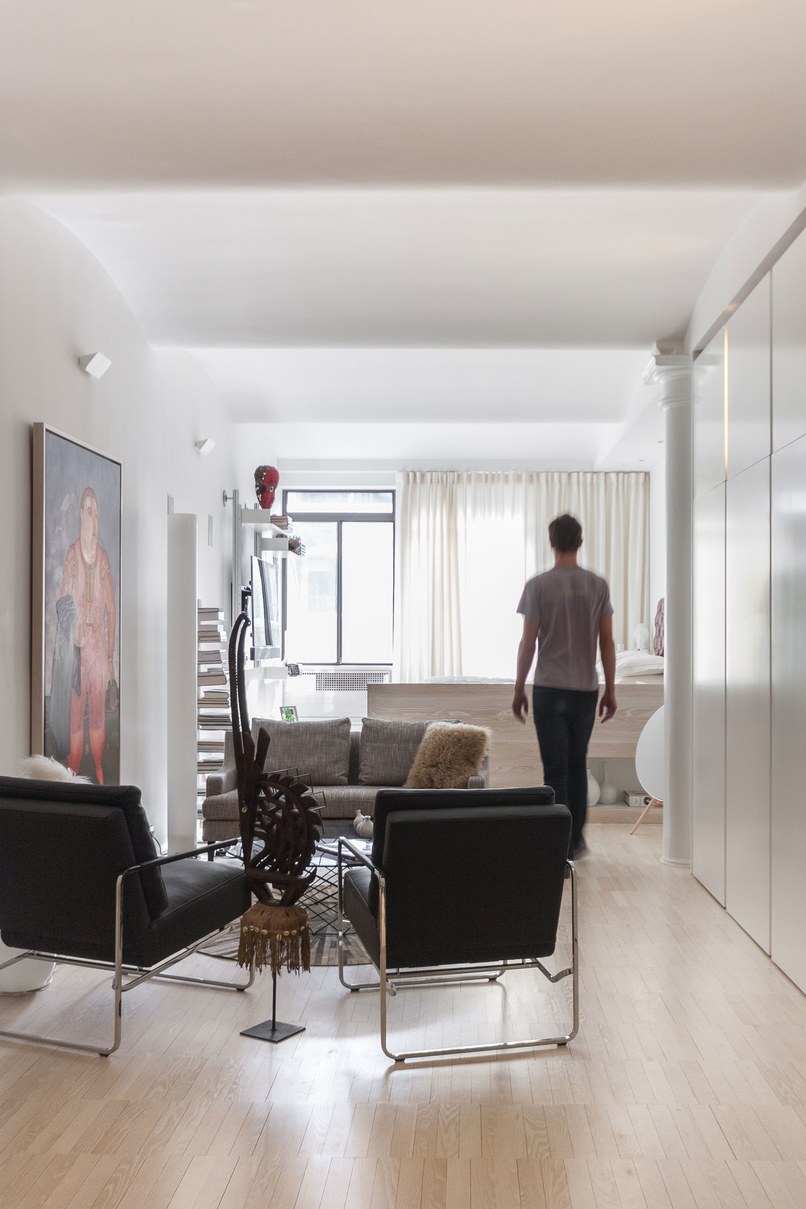
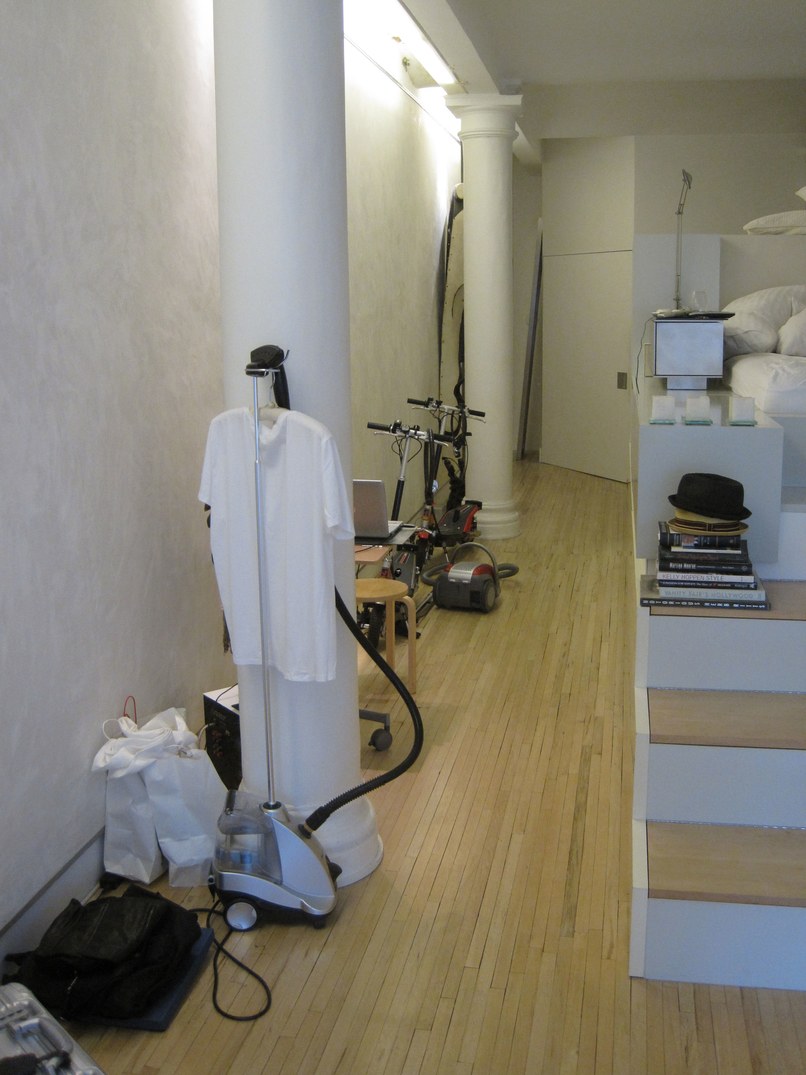
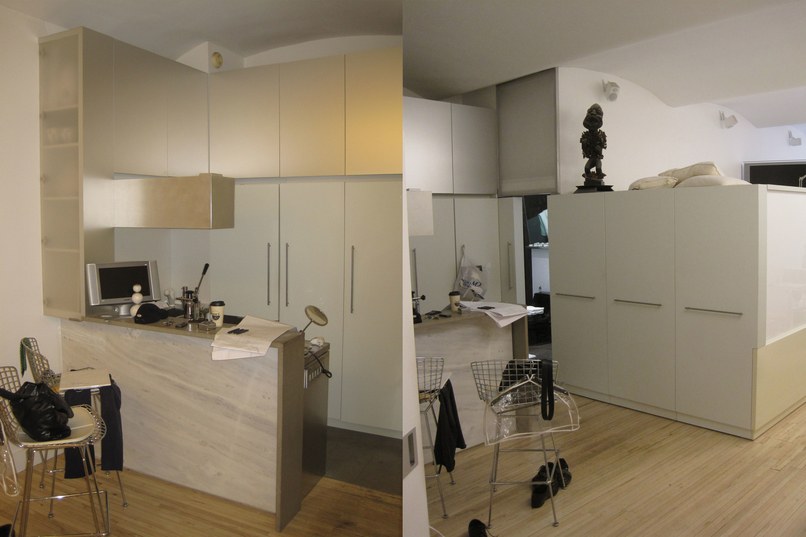
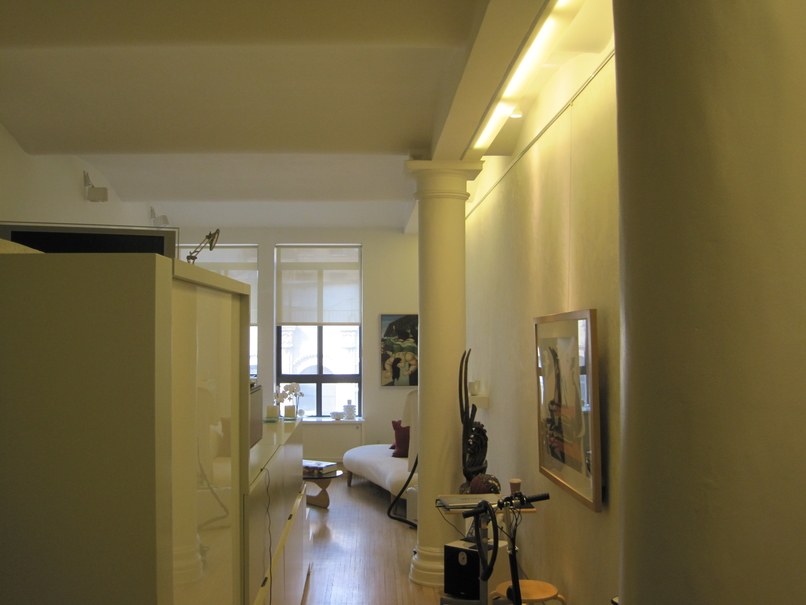
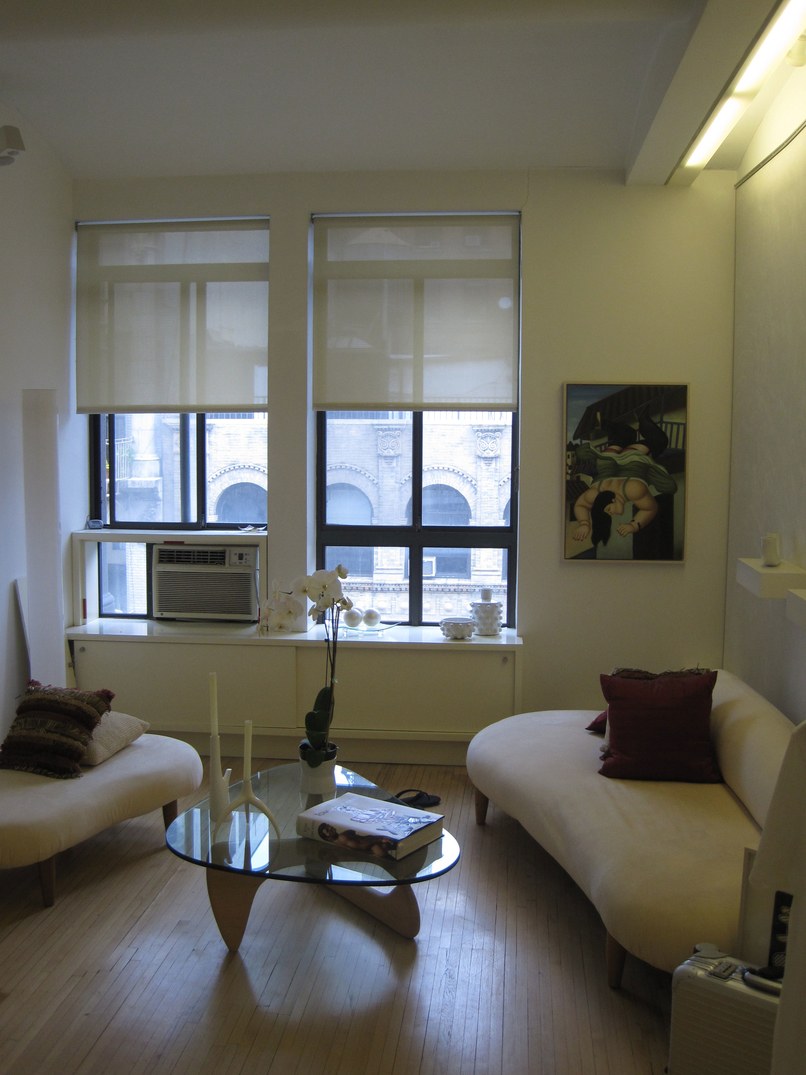
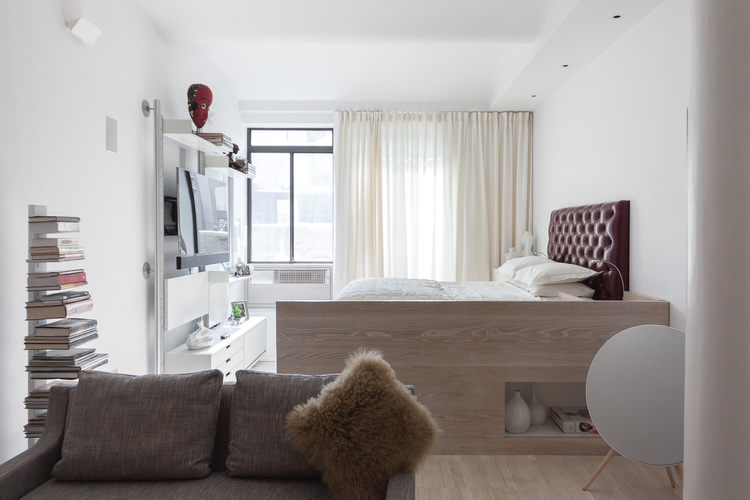
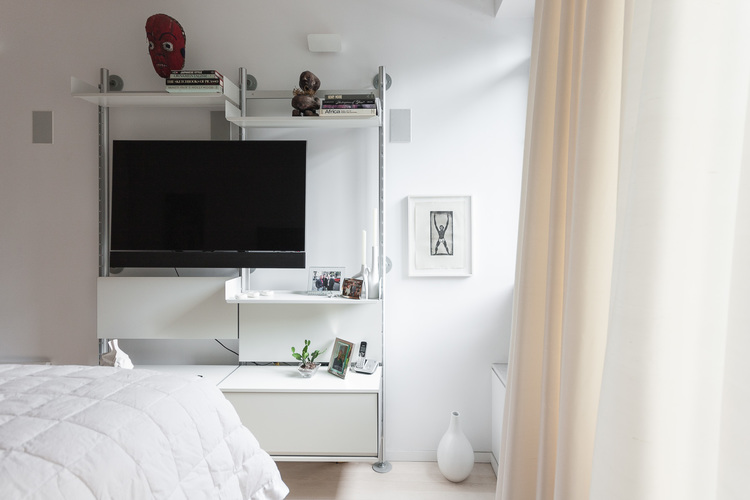
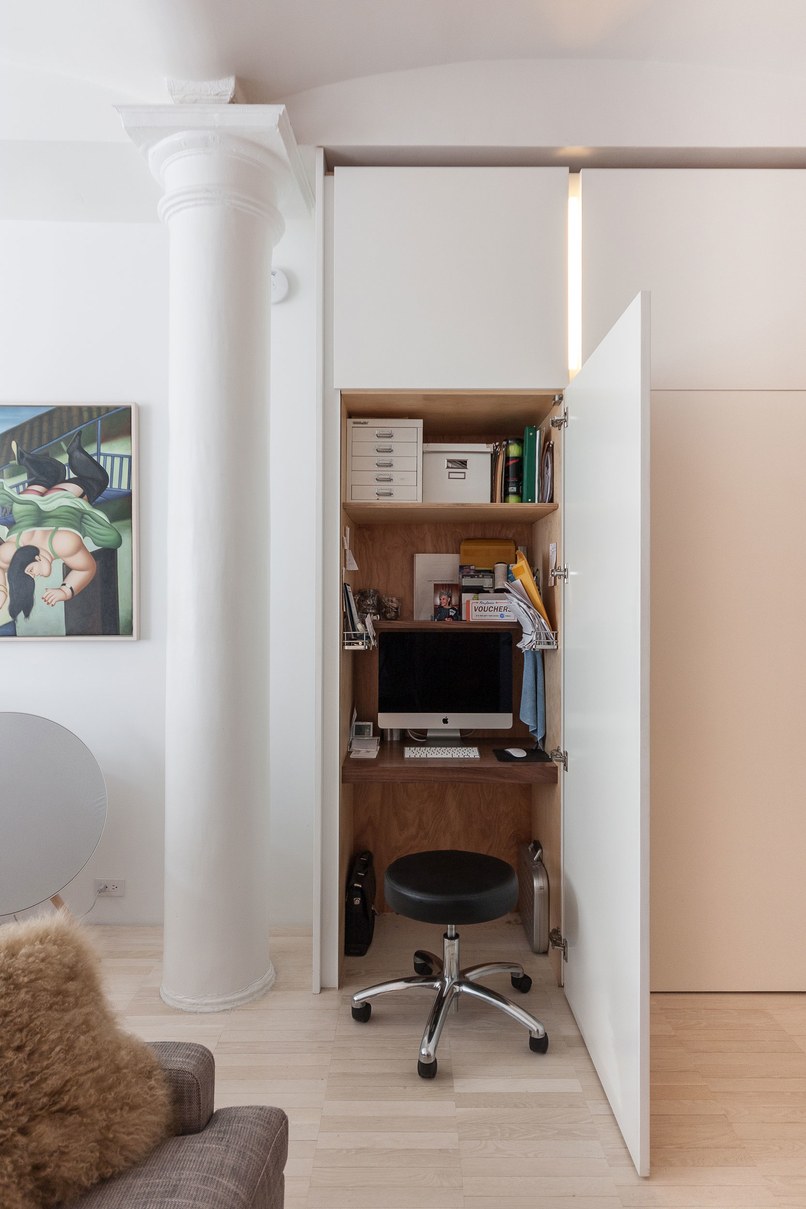
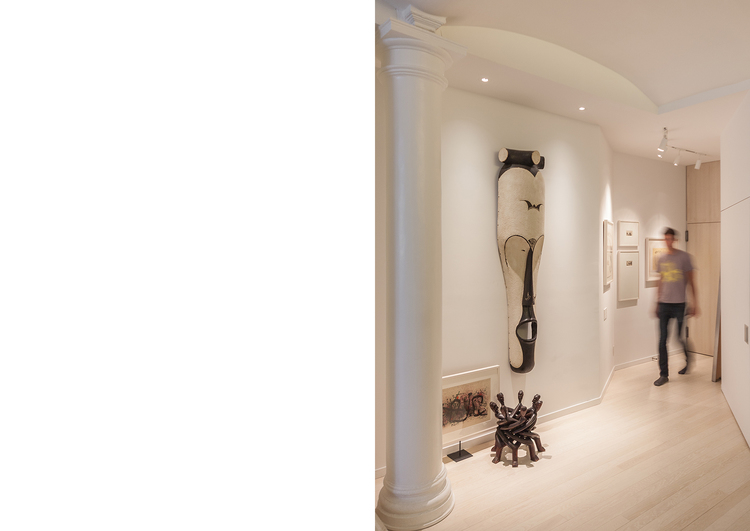
One of the most important attributes of a great livable space is access to natural light. A studio remodel in Manhattan opens the area and lets in light by relocating an obtrusive loft bed in the middle of the apartment and places it to the back. The owner wanted to maintain a raised sleeping loft so the designer, Aaron Korntreger, segmented the apartment into three areas, all varying at different heights: entry/eat-in kitchen, living room platform, and semi-private bed area. The living room contains floor to ceiling cabinet storage with a hidden office. The loft bed is raised 42 inches from the floor to provide a differentiation of space and provide much needed storage underneath. Click the pictures below to see before and after pics of the remodel

Pictures provided by Aaron Korntreger Design and Clever

Can Sustainable Sushi Become the New Wave in Seafood

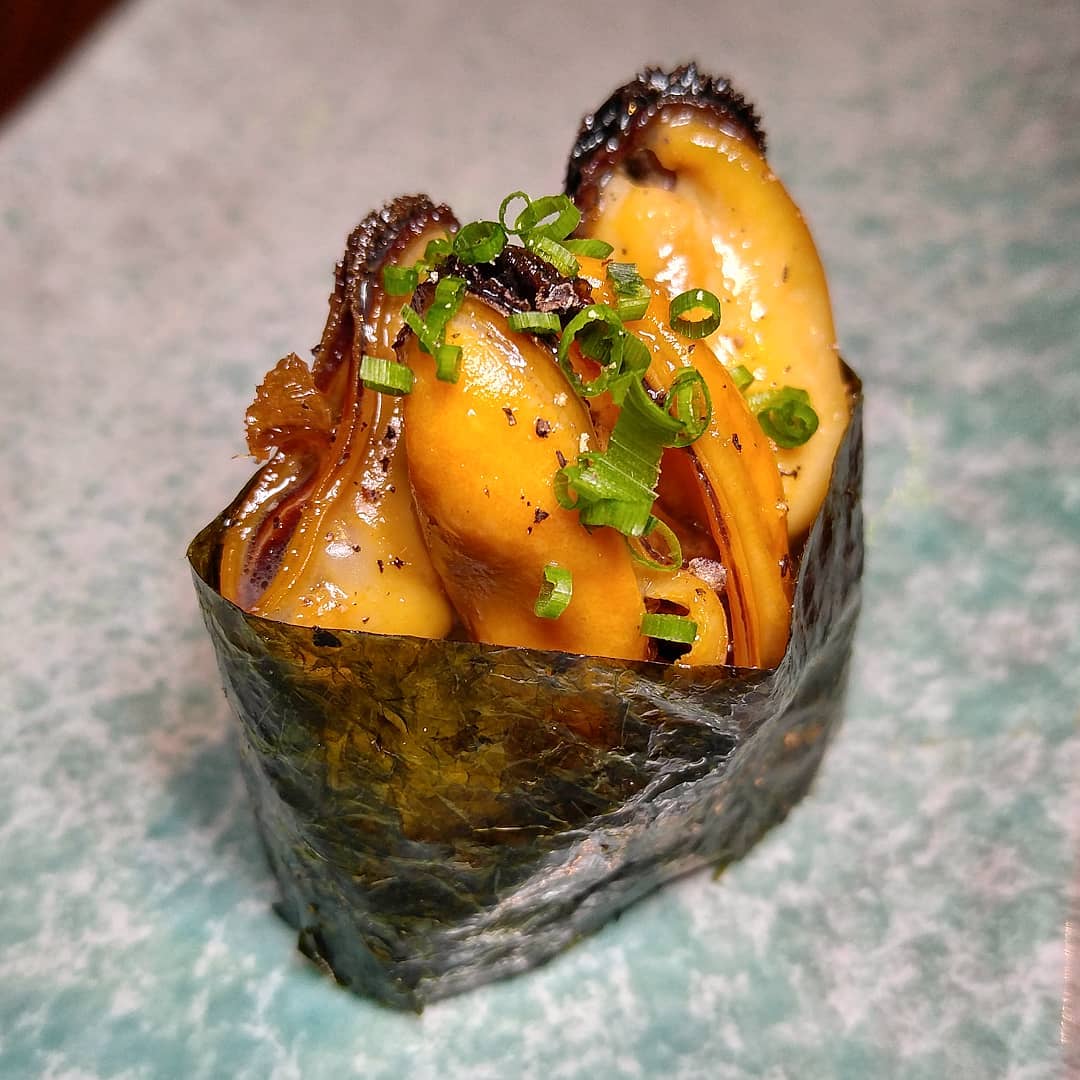
In NYC’s East Village, a couple of restaurateurs are going for a new dining concept that is seeking to change how we look at seafood. Sushi restaurant, Mayanoki, headed by TJ Provenzano and David Torchiano focuses on serving locally and sustainably sourced seafood. Concepts of organic farming to farm to table dining have long made its way into the public mainstream but seeking out sustainable options when it comes to sushi have not yet come to light.

“When it comes to other cuisines, they always promote that they use local beef or chicken, except when you go to high-end omakase it’s always, ‘We flew this in from Japan’ and that’s acceptable and I don’t know why,” Torchiano in discussing the concept for Mayanoki. “Delivery chains and distribution are not up to the same standard as they are in Japan, so I think that’s what turns off a lot of the chefs here. We just feel it’s a challenge we need to take on. While we want to respect the tradition of sushi, sushi has always been about food preservation and by its nature it was sustainable.”

In addition, Mayanoki only carries local beers and wines from New York State and the only thing they still import from Japan is the sake. Monterey Bay Aquarium Seafood Watch has recognized them as the only sushi restaurant working towards sustainability.

Although it sometimes is tough for them to procure certain types of fish depending on the season and remain sustainable, their hopes of educating the public into this new type of sushi will help drive business in order take on the other major sushi restaurants in the Manhattan dining scene.

For their full write up in Eater, click here

Photo by food blogger @restaurantgroupie

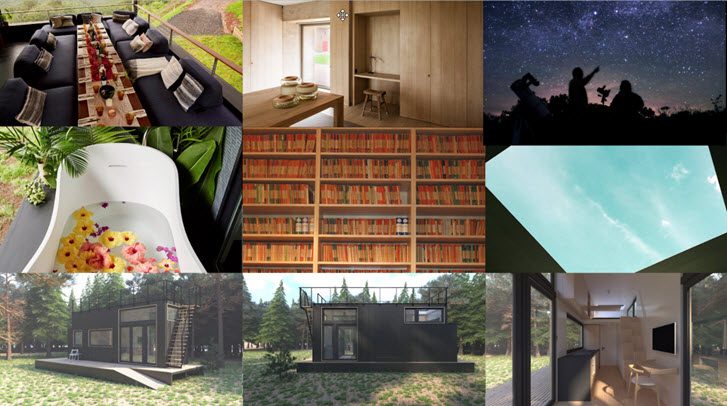
New Maui Off-Grid Tiny House Project: Looking For Land, Renter or Buyer

Renter or buyer? Looking for a person or a couple on Maui interested in renting (or perhaps buying) a fantastic, off-grid tiny house in the fall of 2018. We’re looking for someone:

– That is game to be on a tv show related to the design, build and experience of this tiny house

– Who would be an excellent tenant (respectful, great references and credit-worthiness)

– Interested and open to the pros (and once in a while, cons) of living in a luxury off-grid home

Landowner? We’re looking for some legal, rentable land for a tiny house on wheels on Maui. The tiny house would count as a residence so this would probably mean that it would be the ohana to a main residence. We’re looking for:

– A remote-feeling lot with great views, with one of them being of the ocean

– The ability to do some minor landscaping which might be paid for by you, by us or shared

– A spot or more that a tiny house could be towed into (feasible)

– Off-grid: needs good spot for solar and enough rain for catchment

– As an off-grid tiny house on wheels, it is relatively quick/easy to legally place one on Ohana-eligible land. It counts as one residence.

We have prepared a few questionnaires  that will gather your main desires and parameters.

If you’d be interested in being a renter, please fill in this 5 minute questionnaire.  

If you’d be interested in being a buyer, please fill in this 5 minute questionnaire.  

If you have some appropriate land on Maui, please fill in this 5 minute questionnaire.  

If you have other questions, please contact graham@lifeedited.com.

Go Ahead and Take a Stand

As a follow up to our previous article on standing desks back in 2014, there have been a lot of advancements in the market making it much cheaper to produce. Wirecutter recently did a comprehensive rundown of standing desks currently available, ranking their usability and affordability. Price options now vary from $693 to as little as $25 (made out of sturdy cardboard).

Although standing desks do help aid against the ill effects of sitting, they are not complete solution. Unbreak Yourself states that the goal is to remain active throughout your workday; “An ideal routine could be that for every 25 minutes of work you do, take a five minute break to stretch your muscles or go for a brief walk”. Ted Ed also made a great video that summarizes the hidden risks of sitting as well as the benefits of good posture, take a look:  

Facebook: Building a Community “In Real Life”

While Facebook continues to go under fire about their recent issues with user privacy and data, they have plans of creating an expansive housing community surrounding their headquarters in Menlo Park, CA. The changing landscape of tech and the growing need to create adequate housing for their employees raises concerns for local residents who already find it hard to find adequate housing. Critics have dubbed the project “Zucktown” after the CEO now under scrutiny, Mark Zuckerburg.

The project’s details involves “eight acres of parks, plazas and bike-pedestrian paths open to the public. Facebook wants to revitalize the railway running alongside the property and will finish next year a pedestrian bridge over the expressway. The bridge will provide access to the trail that rings San Francisco Bay, a boon for birders and bikers”. When a tech juggernaut like Facebook has the ability to buy out local real estate as well exude political pull of small town communities, where should the line be drawn? Can the future of housing be good or bad when is being developed by a corporation?

For the full New York Times article, click here

What You Should Know Before Living in a Tiny Home

In a recent article, Dwell runs down ten things people should consider before making the jump to small living. Our man, Graham Hill, gets a feature sitting at #1 noting that consciously decluttering your stuff is paramount to living small but also to “buy less, but better”.

Another great tip mentioned in the article comes from tiny apartment designers, Nina Tolstrup and Jack Mama (pictured above) of Studiomama. If tiny living seems like a big jump, they recommend to “rent a small place on Airbnb to try out small-space living first”. It’s a great way to temporarily live the tiny house dream without the commitment. There’s also a side perk of getting a vacation out of it as well. Places like Getaway House, Caravan Tiny House Hotel and Tiny House Siesta are already capitalizing on the tiny rental market.

For the full rundown of Dwell’s 10 tips, click here

Photography is by Rei Moon of Moon Ray Studio