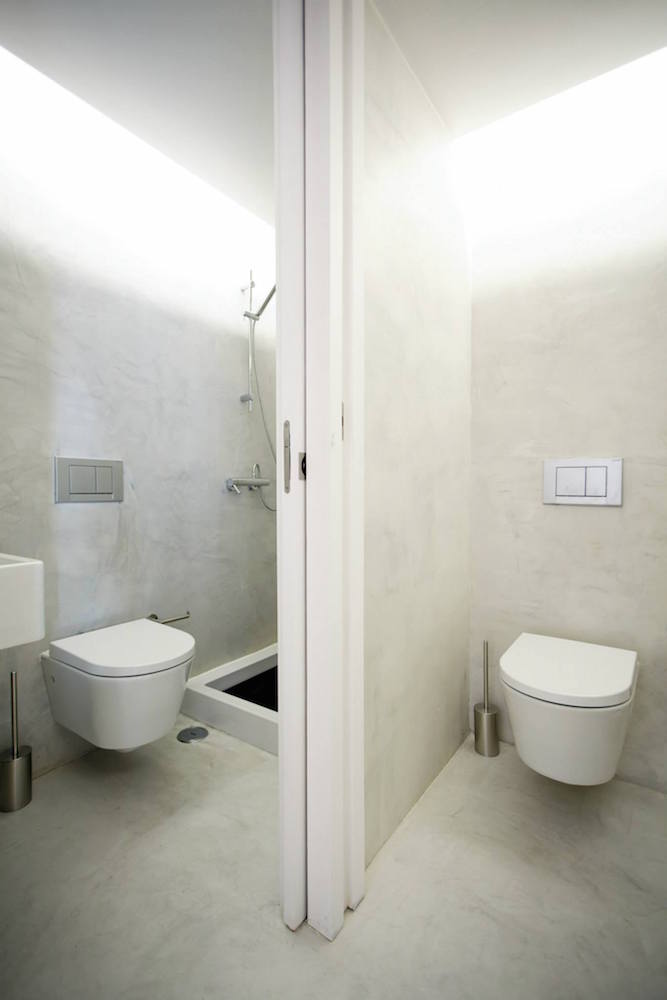
Micro Suite Accommodates Three Students, Lots of Chipboard

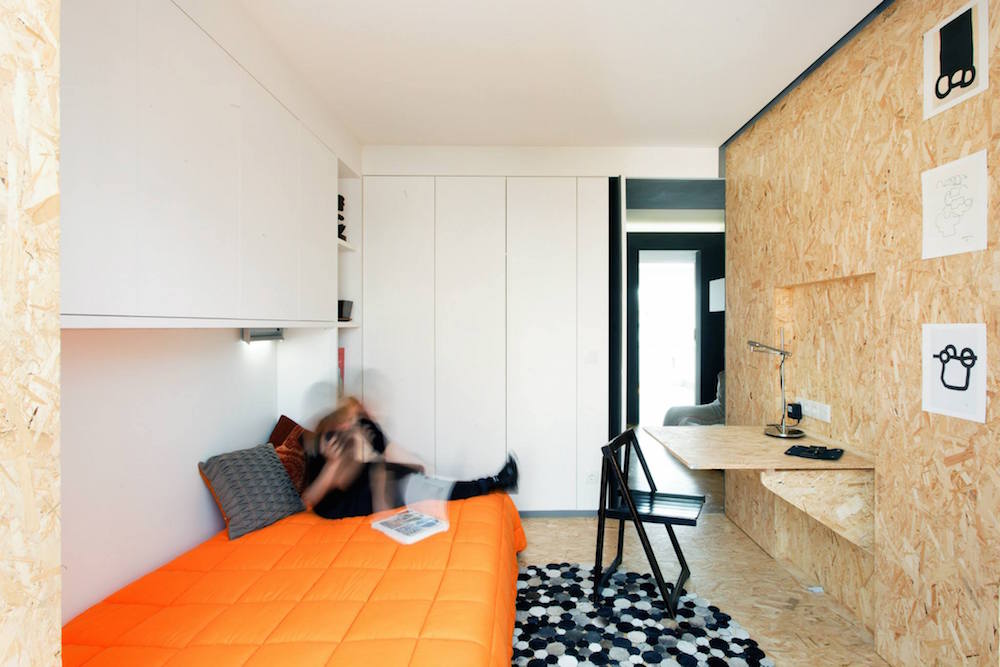
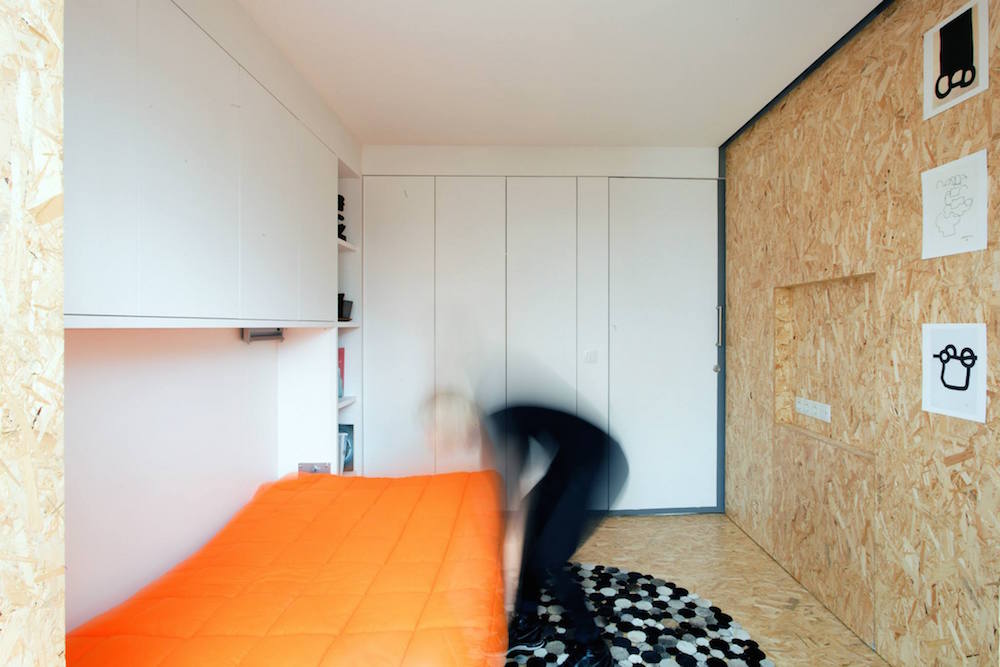
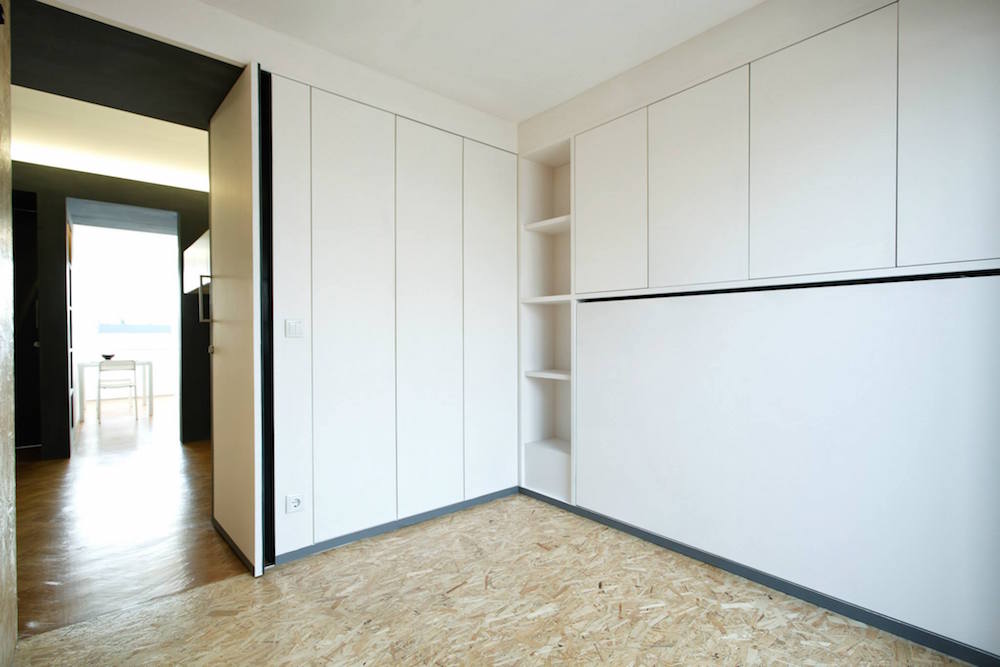
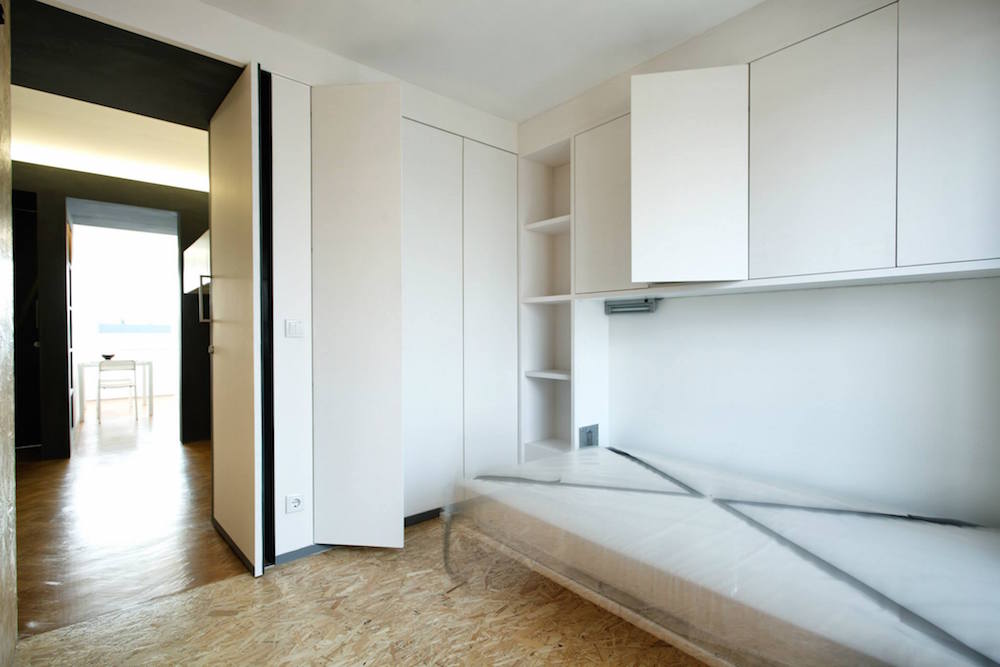
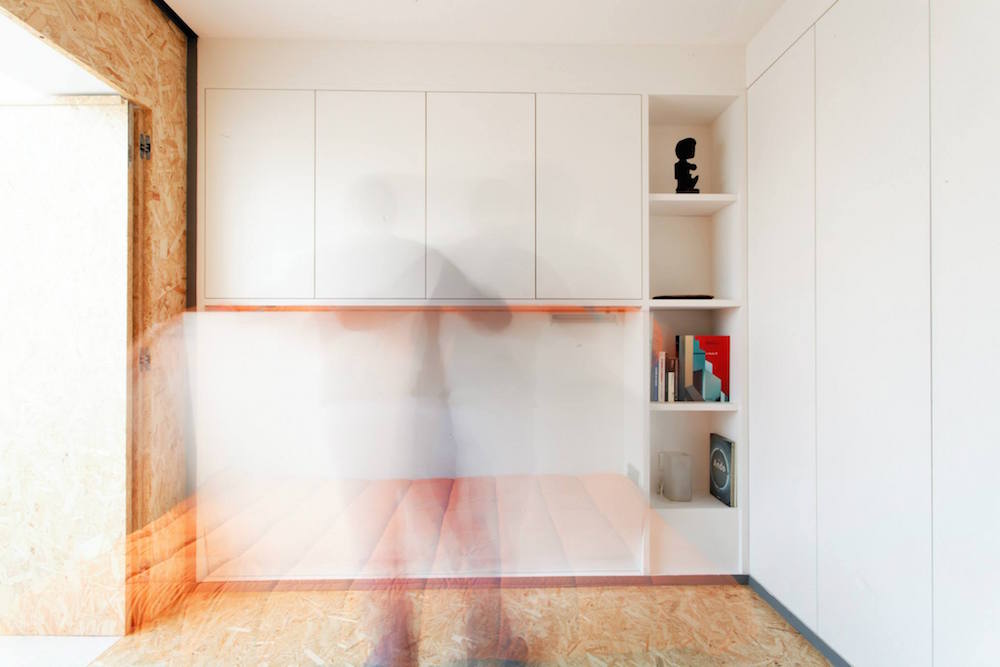
As has been mentioned on this site on several occasions, there are many ways to go micro beside individual micro-apartments. In most cases shared apartments will achieve lower per person footprints, as well as being more cost effective to build and maintain than studios. A particularly nice shared apartment is Lisbon’s Uma Collective’s Xadrez Apartment. The project began as a dilapidated 538 sq ft two bedroom apartment. With the use of wall beds, fold up desks and built in storage, they transformed the small space into a functional and flexible three bedroom student apartment.
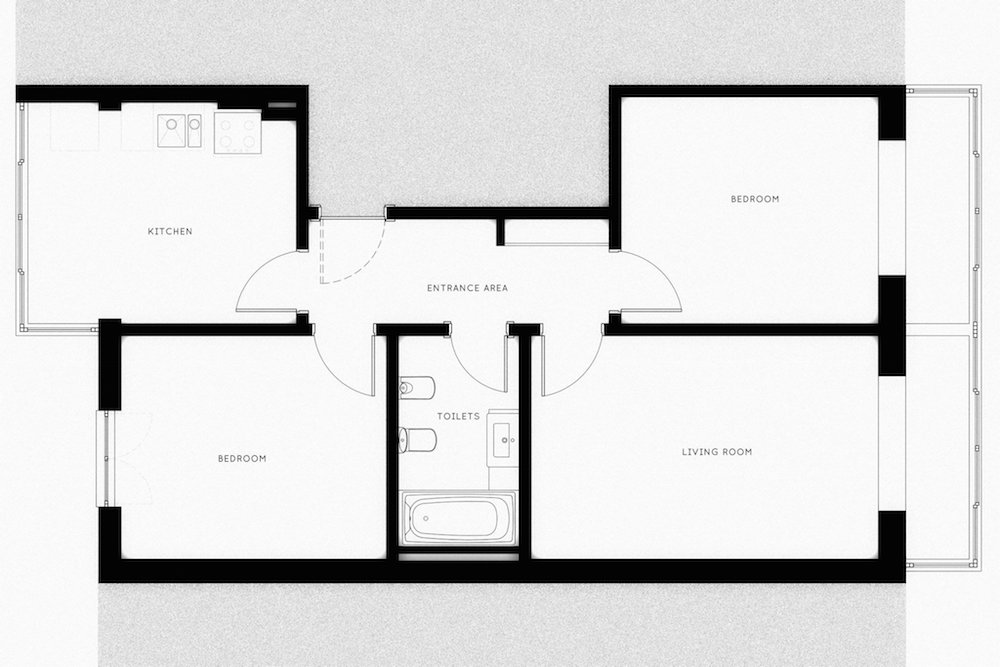
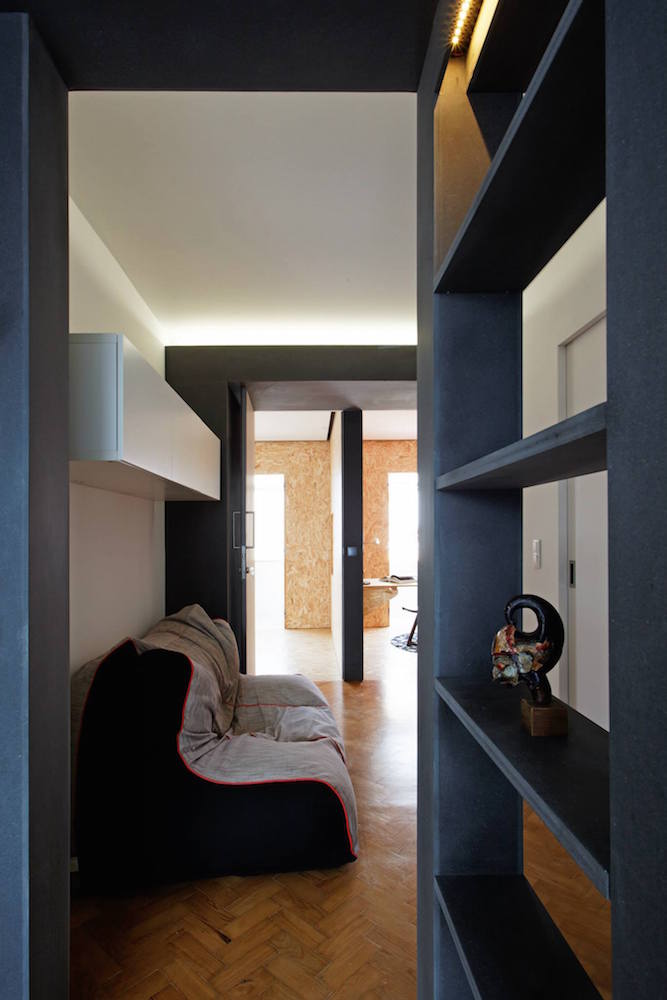
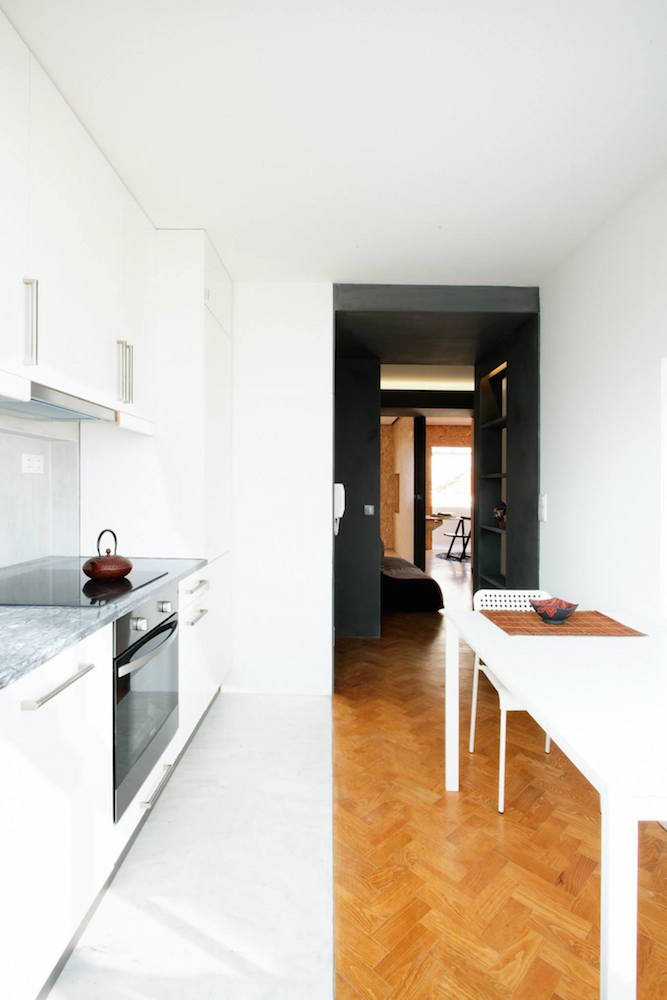
One of the smarter aspects of the project is how Uma reconfigured the rooms. By reorienting the bathroom, they were able to expand the entrance to be big enough for a small sitting area. The reorientation also made the bedrooms–one of which had been a living room–about the same size and dimension, which are just big enough for sleeping and study areas. Each of the bedrooms flows into the center living area and has access to the bathroom. The kitchen and the bathroom are in their original location, eliminating expensive plumbing alterations.

Because each bedroom is self-contained, the design would be well suited for students who want privacy a bit or privacy, but might not be able to afford to–or ultimately want to–live alone.

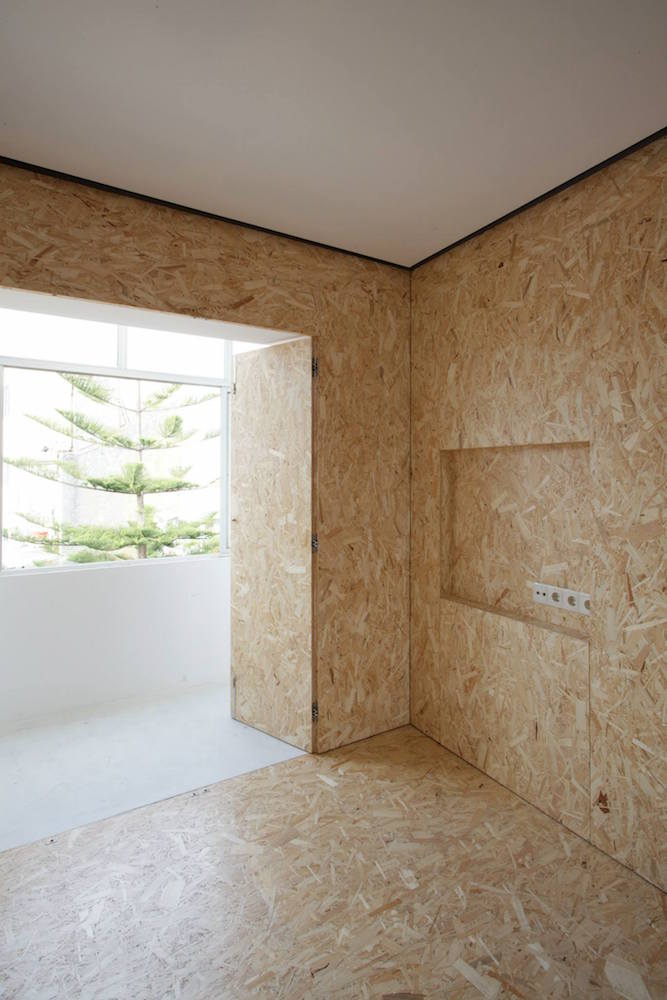
As to the look of the apartment, Uma says on their site that they wanted to create a “contemporary design based on unfurnished materials” such as Valchromat, a type of MDF, and chipboard. The latter material is quite prominent throughout. While I’m not wild about the abundance of the material overall, the fact that it’s student housing–i.e. residents will have a finite stay in the apartment–would makes the choice little less radical. And though Uma’s site doesn’t indicate it, we imagine its use was informed by budgetary constraints.

Micro-Apartments Stir Not-so-Micro Controversy in Seattle

Lest we think all micro-apartments are high-end, high-tech, highfalutin, transforming thingamabobs, one should go to Seattle to see another, decidedly modest and analogue take on tiny living. That city has seen a great deal of development–and controversy–surrounding the spread of affordable micro-apartment developments. In particular, a couple companies, aPodment and Mini-Suite, have been making high-density apartments with shared amenities, with rents starting around $500.

One aPodment development, the Solana, has units that average 170 sq ft according to Seattle Mayor Mike McGinn, who has expressed his support of the developments (some units in other building are as small as 100 sq ft). The units come furnished (with no murphy beds so far as we know) and have their own bathroom and shower. Instead of a proper kitchen, they feature a fridge and microwave, with available communal kitchens. All utilities including wifi are included.

There are 47 such developments currently permitted throughout Seattle and their popularity seems to be growing. And herein lies some of the controversy: Neighbors are complaining that because the buildings are so dense, they are bringing in more people than the neighborhoods can support. One oft-cited fear is that the influx will result in inadequate parking. There is also the complaint that the buildings are not subject to a “design review” which would entail greater bureaucratic and community scrutiny; developers only need a building permit to build these buildings.

Though not always explicit, critics seem to imply that the micro-apartment demographic–often young, low-to-moderate income singles–might not jive with some of the more family-oriented communities they’re infiltrating (note: the communities they’re moving into are zoned for multi-family development, but most buildings are far less dense than the micro-apartment buildings). One man trying to sell his home near an impending micro-apartment development was a bit more blunt, telling The Stranger:

Anyone who can scrape up enough money for month-to-month rent can live there…I don’t think most people want to live next to a boarding house with itinerant people living in it.

While we don’t live in these communities ourselves, the micro-apartment trend in Seattle has a tinge of NIMBY (not in my backyard), with threats seeming more imagined than real. The various articles we scanned reported of young Microsoft employees, recent college grads and divorcees on a fixed income occupying these apartments–not thugs looking for launchpads for heists. In terms of parking, Jim Potter, chair of Kauri Investments who owns Mini-Suites, says that only 10% of his tenants own cars. Most of the developments are located along transit lines, making cars less essential.

One commenter on The Stranger put it more starkly:

Either we embrace affordable housing close to downtown Seattle…or we embrace suburban flight, with the cultural and environmental ramifications thereof. I applaud Mulhair and Calhoun properties [aPodment] for providing private-sector solutions to public/governmental policies.

What do you think? Is this true? Can there be smart growth in our cities without major neighborhood demographic shifts? Do neighbors have legitimate complaints or a case of xenophobia that might inhibit a more affordable, sustainable city?

images by Mariana Kajlich for Seattle Magazine