LifeEdited Maui: A Quick Update

As we near the end of summer we’d like to provide you all with the first glimpses of our newest project, LifeEdited Maui. LifeEdited’s CEO, Graham Hill is currently on location in Hawaii overseeing the build. For the month of September we’ll be showing you the process of how we are designing our eco compound. As October rolls around, our construction updates will be in real time leading up to the big unveiling.

Site preparation

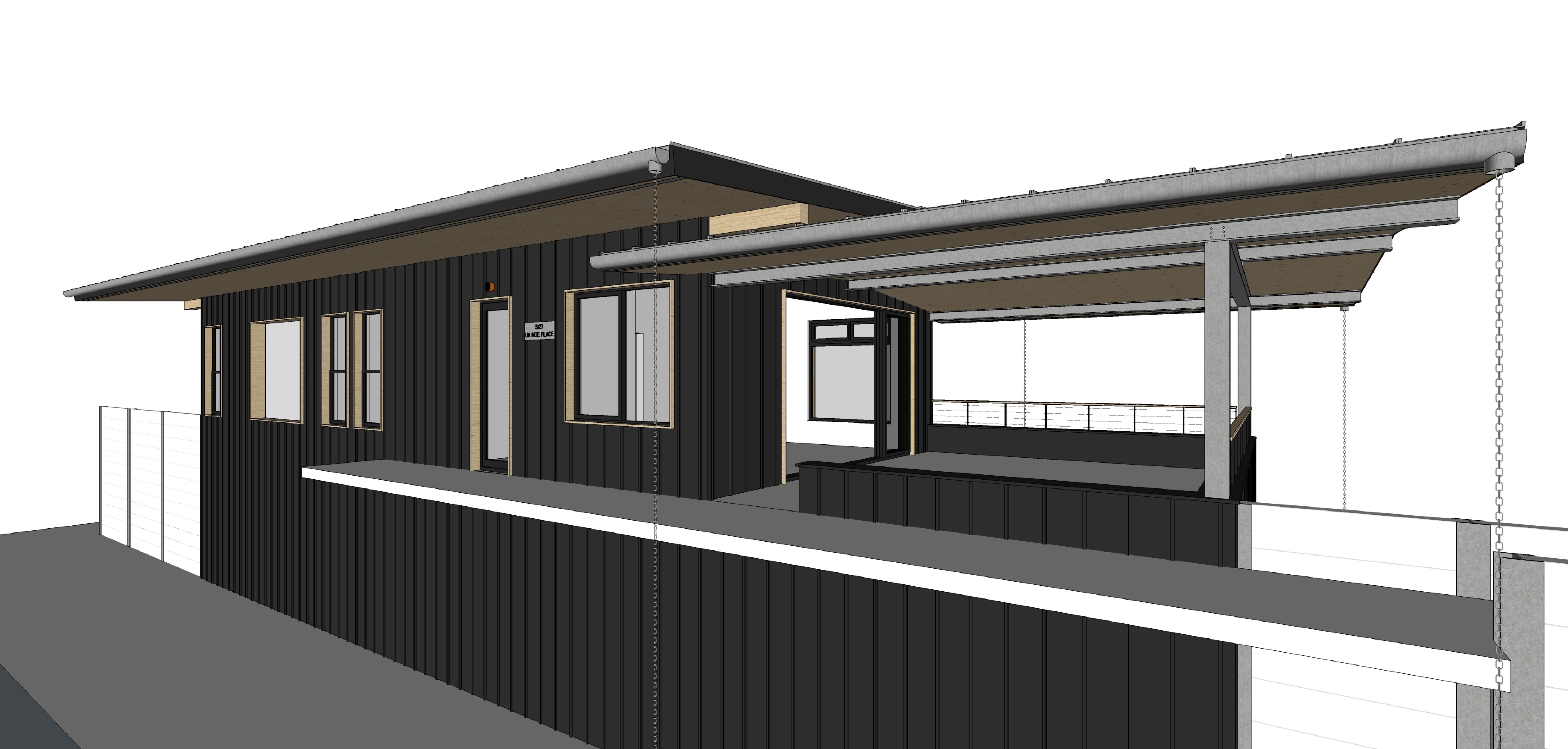
The goal of LifeEdited Maui is to build an off-grid, low impact, luxurious, space-efficient four bedroom house in 1000 sq ft. LifeEdited Maui is about finding the most innovative answers about how the future will live. We are presenting a version of the future that is sustainable, resilient and, frankly, awesome.

We believe in self sufficiency and tasty food, so we have already planted 30 different kinds of edible plants including bananas, mangos, and papayas. Our long term vision includes this fruit orchard, raised garden beds, some purely endemic Hawaii acreage as well as creating nurturing habitat for birds, bees and other local fauna. Walking paths, benches, hammocks and agriculture structures around the property will encourage engagement and connection with nature.

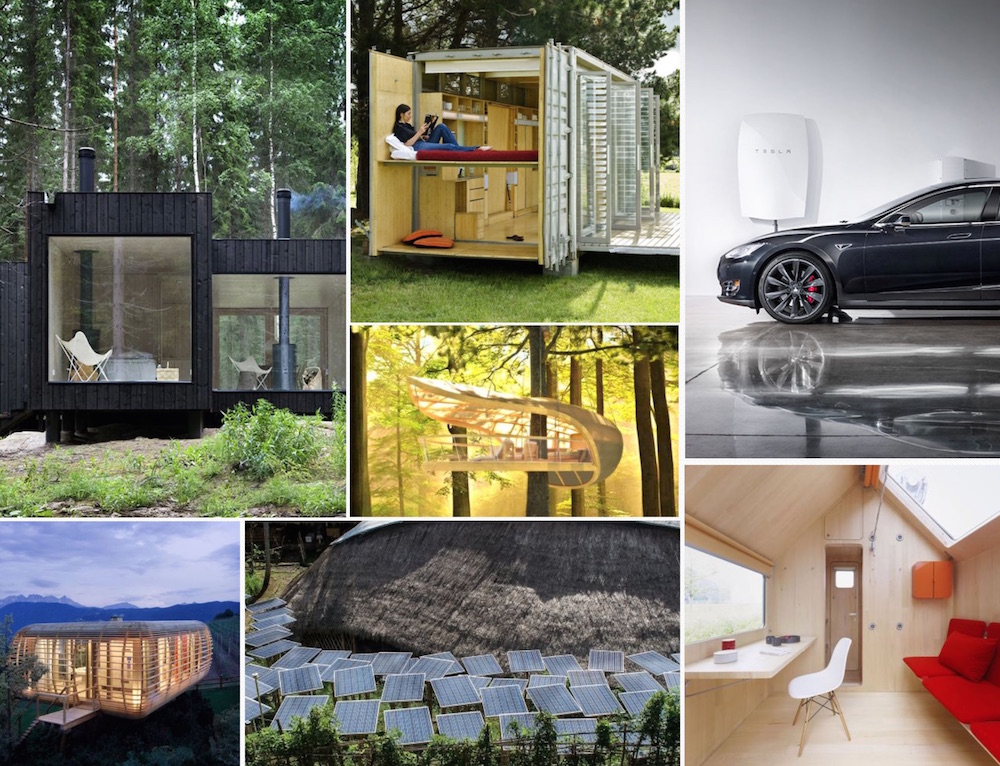
As the building process approaches completion, the applications of transforming design as exemplified from our previous projects will also take shape in LifeEdited Maui. Beds that fold into walls, tables that expand, rooms that do double and triple duty—serving to maximize available area for this live work space.

One of the guiding principles behind LifeEdited Maui is to have as light of a footprint on the environment as possible while still building homes that don’t make compromises in form or function.

Wood frame coming together

Stay tuned to our social media and newsletter for more updates!

Shared Vision: LifeEdited Maui & Blue Ion Energy Storage

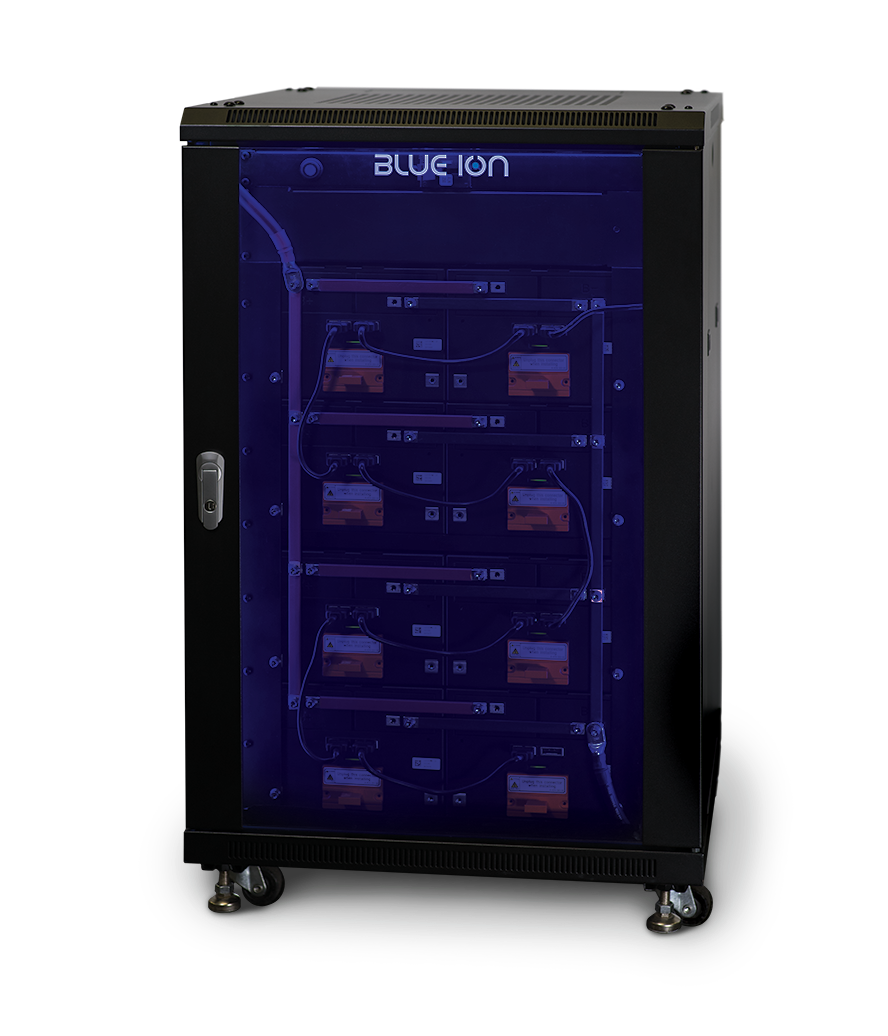
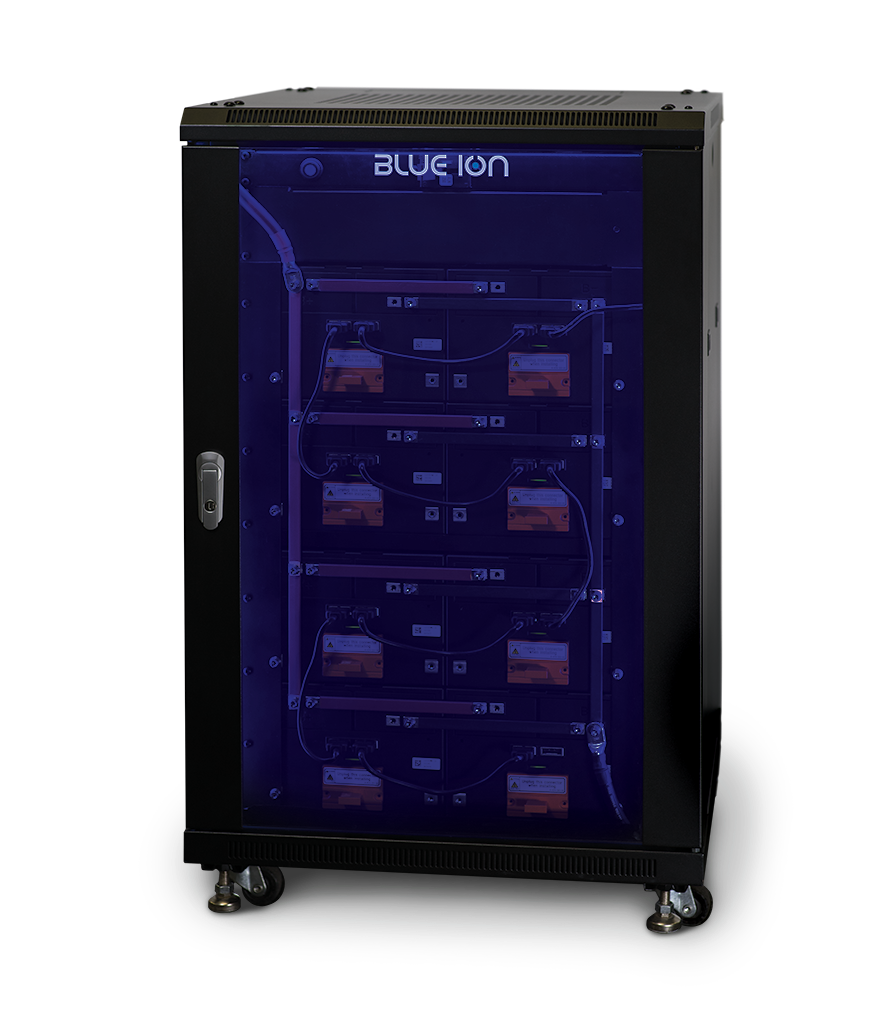
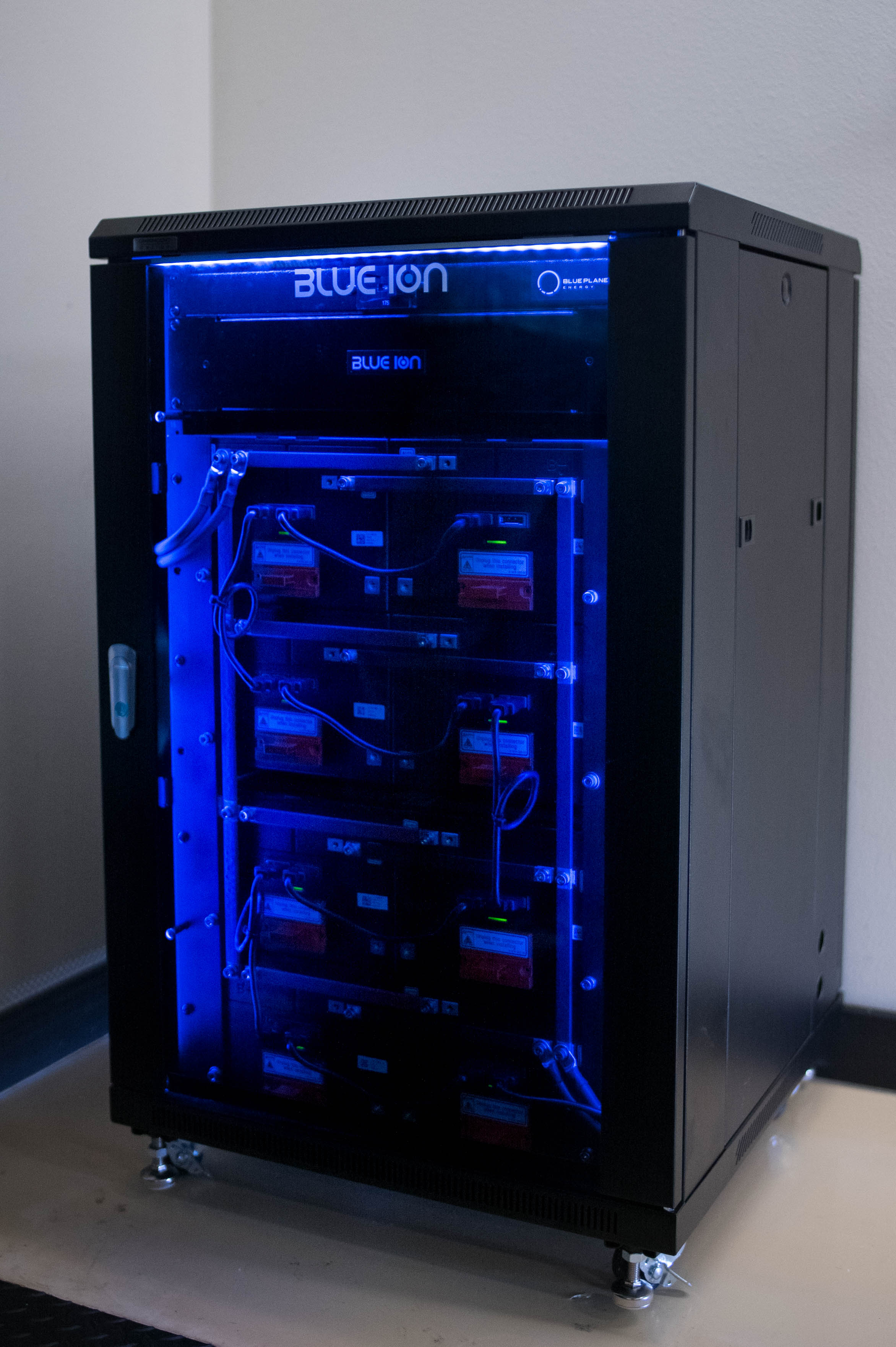
To power the LifeEdited Maui eco compound, we are using the amazing Hawaii sunshine to light our solar panels, but we need power at night too. And we wanted to find a company that shares our vision of leaving the planet better than we found it. Happily, our island neighbors Blue Planet Energy share this vision. The Blue Ion 2.0 Energy System that they created sets the bar for performance, safety, and reliability. This system allows LifeEdited Maui to be both off-grid and luxurious — it’s the smart future.

Until now, batteries have been a key missing piece in our sustainable future. Blue Planet Energy has changed that. Performance is excellent — rapid recharging and high output mean that you don’t have to change your lifestyle or worry about how the system works. You also don’t have to worry about safety. The science of Lithium Ferrous Phosphate (LFP) chemistry makes the batteries much safer than competing products. The reliability is exemplified by the 15-year performance warranty — best in the business. For more details, see the Blue Ion 2.0 Energy System.

Henk Rogers, founder of Blue Planet Energy

Blue Planet Energy CEO Henk Rogers is a well-known entrepreneur and innovator behind the popular Tetris franchise. He has since engrossed himself in the research, development, and advocacy of renewable energy storage to aid in the adoption of sustainable energy sources such as wind and solar. Rogers has applied the Blue Ion system to his home on Tantalus in Honolulu as well as his Pu‘uwa‘awa‘a Ranch home on the Big Island, completely taking his properties off grid. “Why am I doing this?” Rogers asks. “I want to find out what it’s like living in the future. It’s pretty nice. I didn’t sacrifice anything, my quality of life, to achieve any of this stuff.” His ranch also contains an 8500 square foot energy lab and is continuing a project to grow enough organic food to feed 50 people on the property.

The Blue Planet Energy Research Lab at the Pu‘uwa‘awa‘a Ranch with Henk Rogers and co founders Aleks Velhner (left) and Vincent Paul Ponthieux

Blue Planet Energy and LifeEdited are proud to help Hawaii reach its goal to be 100 percent renewable energy by 2045.

To get in touch with Blue Planet Energy follow them on their Facebook, Twitter and Linkedin. Stay tuned for more details.

Introducing LifeEdited: Maui

It’s been years since we revealed the first LifeEdited Apartment (LE1) in New York City. It was both design laboratory and CEO Graham Hill’s personal apartment. But as some might know, Graham splits his year between NYC and Maui, initially due to a kite surf addiction. A few years ago he bought a 2.2 acre piece of land in Maui with the intention of one day designing and building a home that incorporated many of the same ideas that informed LE1. That one day is today. LifeEdited is building a mini compound, calling it, appropriately enough, LifeEdited: Maui (LEM). The home will showcase the best design and technological ideas for high quality, low impact living. 

Thus far, LifeEdited has mostly been an urban tale. Doing more with less is a necessity in the city. In Maui, we have a 1000 square foot max of what we are allowed to build…so the beauty is that we are making a four bedroom, 2.5 bath with that space where all the bedrooms transform to other uses during the day. We created a program (subject to some change) that reflects how the project can achieve this aim. We want to maximize use and experience while minimizing impact. Here’s what we came up with:   

  • Making the main house under 1000 square feet. We don’t want to encroach on the land any more than we have to.
  • Employ transforming design and exploit outdoor space as much as possible. We want to make the space we have do as much as possible.
  • Make it off-grid and net zero or even net positive. We will use solar power, water catchment systems, composting toilets, etc.
  • Employ smart home tech to improve user experience and reduce energy consumption.
  • Employ electric vehicles such as bikes, trikes, cars that will be charged with power generated by on site solar.
  • Employ agriscaping, taking advantage of the fertile soil to grow food on the property.
  • A water catchment reservoir.
  • Use carbon offsets to mitigate one of the project’s biggest energy sinks: airline travel.

An hour long TV show about the project will air on the DIY Network later this year (and likely on HGTV). And we will be giving regular updates on this site and social media. We will be reaching out to press and various influencers on our mission to spread the less is more gospel!