Check Out These Scrappy Little Homes for the Homeless

“One man gathers what another man spills.”

Grateful Dead

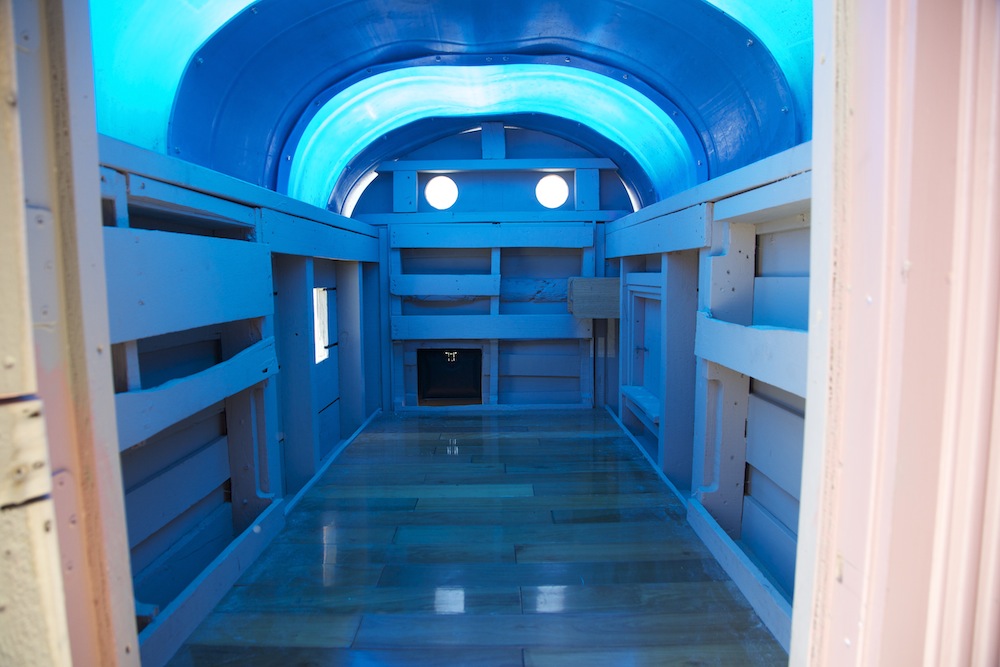
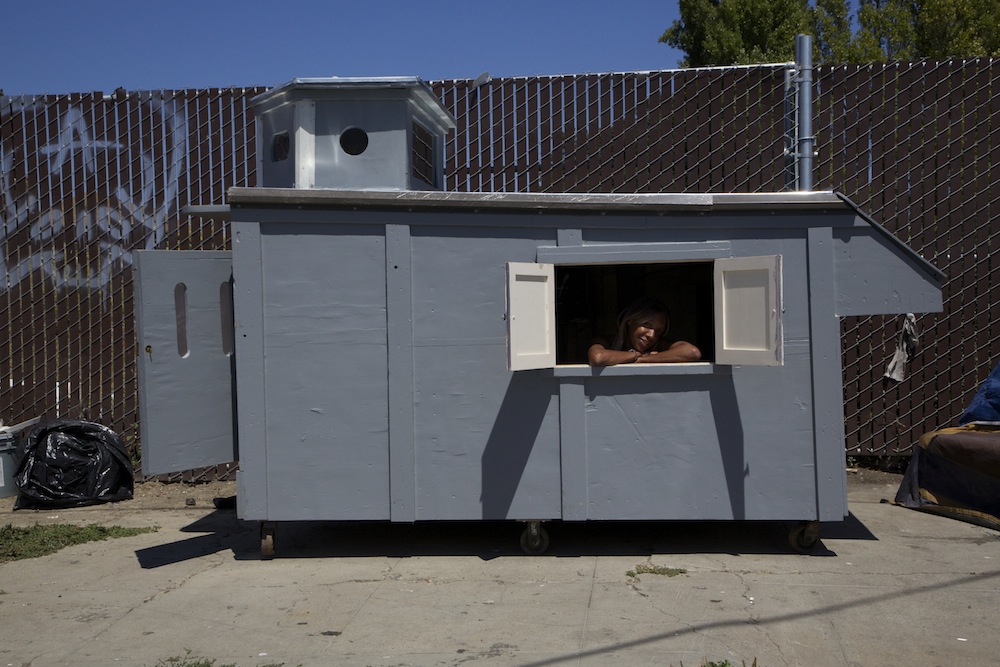
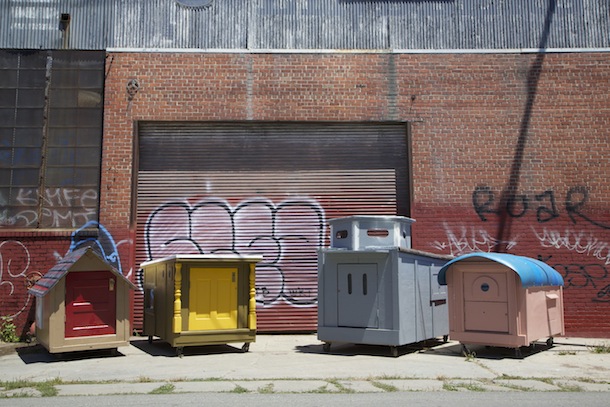
Sculptor Gregory Kloehn wanted to do more than make art that sat in rich folks’ homes. He wanted to make useful stuff–made from unused stuff. He started a few years ago making houses from used shipping containers, both his own home and then for others. And then one day a homeless couple stopped by his studio asking for a tarp. He had been working on a small structure about the size of a sofa that had a “kitchen,” water tank and small receptacle for waste. He gave this tiniest of houses to the couple, which led him to building nine more, all of which he has done free of charge.
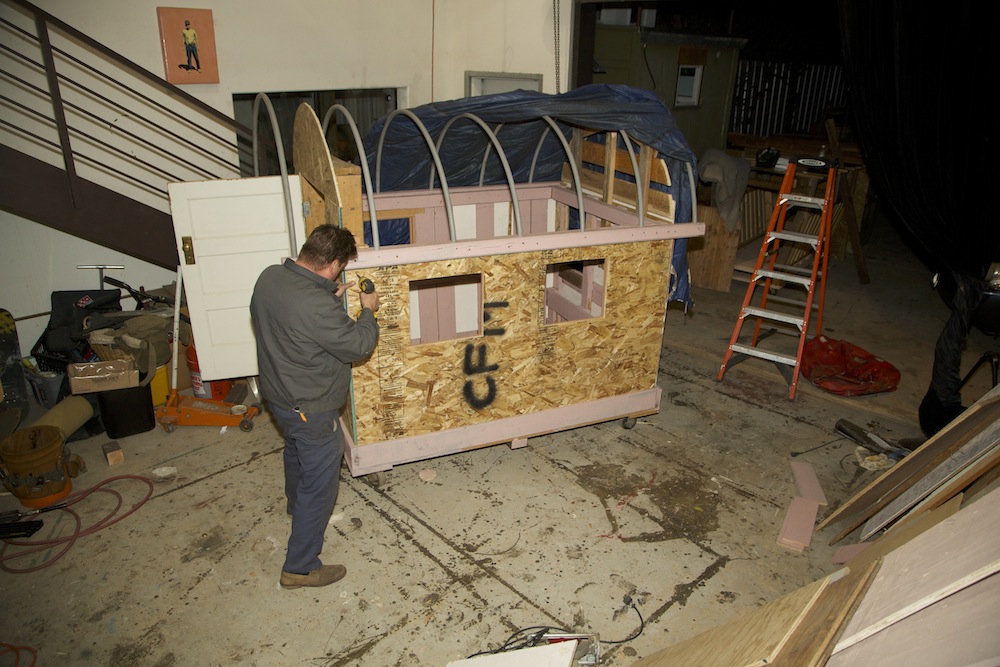
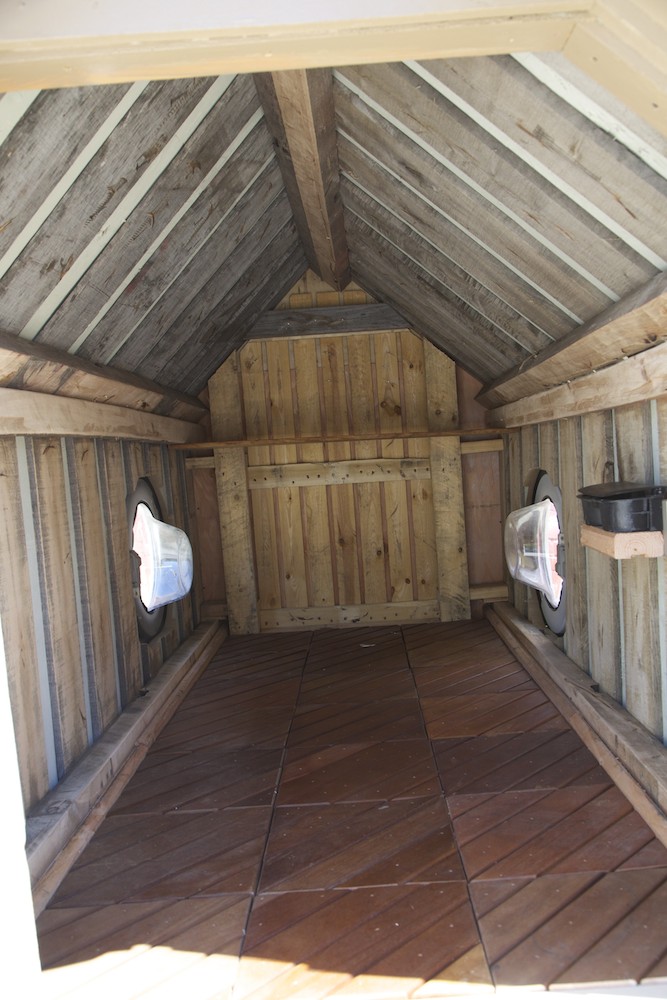
Like the first house, they are all tiny–little more than a covered bed in most cases. He constructs them largely out of illegally dumped trash found in the industrial section of west Oakland, CA where Kloehn lives much of the year. Their foundations are usually made from old shipping pallets, which are attached to casters for easy porting.

The houses, though tiny, represent a significant improvement to the status quo, where options typically include sleeping on the street or in dangerous homeless shelters. Not all of them have faired well: the first home was firebombed, one was stolen and another was sold for $80 to be used as a doghouse.

Kloehn does have a larger purpose for the homes. He has started the Homeless Homes Project, which through the use of scrapped materials, “strive[s] to diminish money’s influence over the building process.” He is looking for both donations and materials. He held workshops this last spring where homeless populations can build their own structures.

Via Oakland Tribune

Forget Dumpster Diving. Try Dumpster Living.

“What’s the smallest space you can happily and healthily live in using the fewest resources?”–it’s a question that Professor Jeff Wilson is trying to answer. In his quest for that answer, he’s going beyond shipping containers and tiny houses–the frequent vessels for extreme tiny-living. His tiniest of resource-sipping homes is a lowly, 33 sq ft dumpster.

Wilson, aka Professor Dumpster, is an environmental science professor at Huston Tilloson University in Texas. He and a team of experts have started the Dumpster Project as a case study in how 10 billion people (the estimate world population in 2050) might sustainably coexist on this planet…and also have a little fun while doing research.

The yearlong project will be broken into three phases. Phase one is called “Dumpster Camping.” From February to June of this year, Wilson is living in a dumpster without any electricity or running water (i.e. camping). He uses a camp stove to make coffee. He is wheeling water that he filters from a nearby lake. He is trying to establish a minimal resource use baseline.

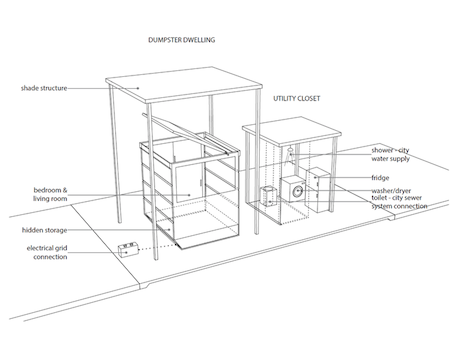
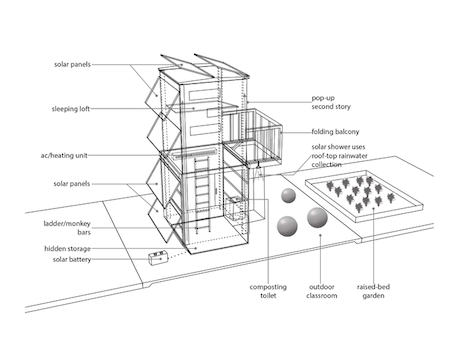
american-homeThe second phase is the “Average American Dumpster Home,” which will run from July to December of this year. In this phase, the dumpster will be decked out with the accoutrement most American homes enjoy: air conditioning, dishwasher, refrigerator, stove, toilet and more (note: he’ll be adding a separate “utility closet” to hold some of these bulky items). This will phase will be “establishing a data baseline—average levels of consumption for energy, water and waste,” according to the project.uberThe final phase is “Space Capsule Über Dumpster,” which is basically making the dumpster into the trickest, off-grid home possible. There will be a popup roof, PV panels, rain catchment, garden and more. This phase will use the dumpster as a laboratory for sustainable, minimal resource, livable housing. This is opposed to camping phase which, though not resource-intensive, is not livable either; the insulation free interior of the dumpster was 116 degrees the other day.

We asked Wilson “why a dumpster?” He said there were a number of reasons. One is it’s never been done before; doing the project in the dumpster has called more attention to it than if it had been in a tiny house or something more conventional.

Furthermore, in the mini-documentary above, he calls the dumpster a “conversation box”–one that has attracted a broad spectrum of followers as well as a band of experts from around the country to lend their science and design knowhow. He also thought that the juxtaposition of the home–for most the paragon of security–with the dumpster–something many people have a reflexive revulsion to–would make that conversation all the more fertile.

Ultimately, the dumpster is just a vessel. The project is an applied and earnest–though not self-important–investigation into space and resource consumption. Wilson et al are holding a Kickstarter campaign to raise money for the third phase. Check it out and lend your support.